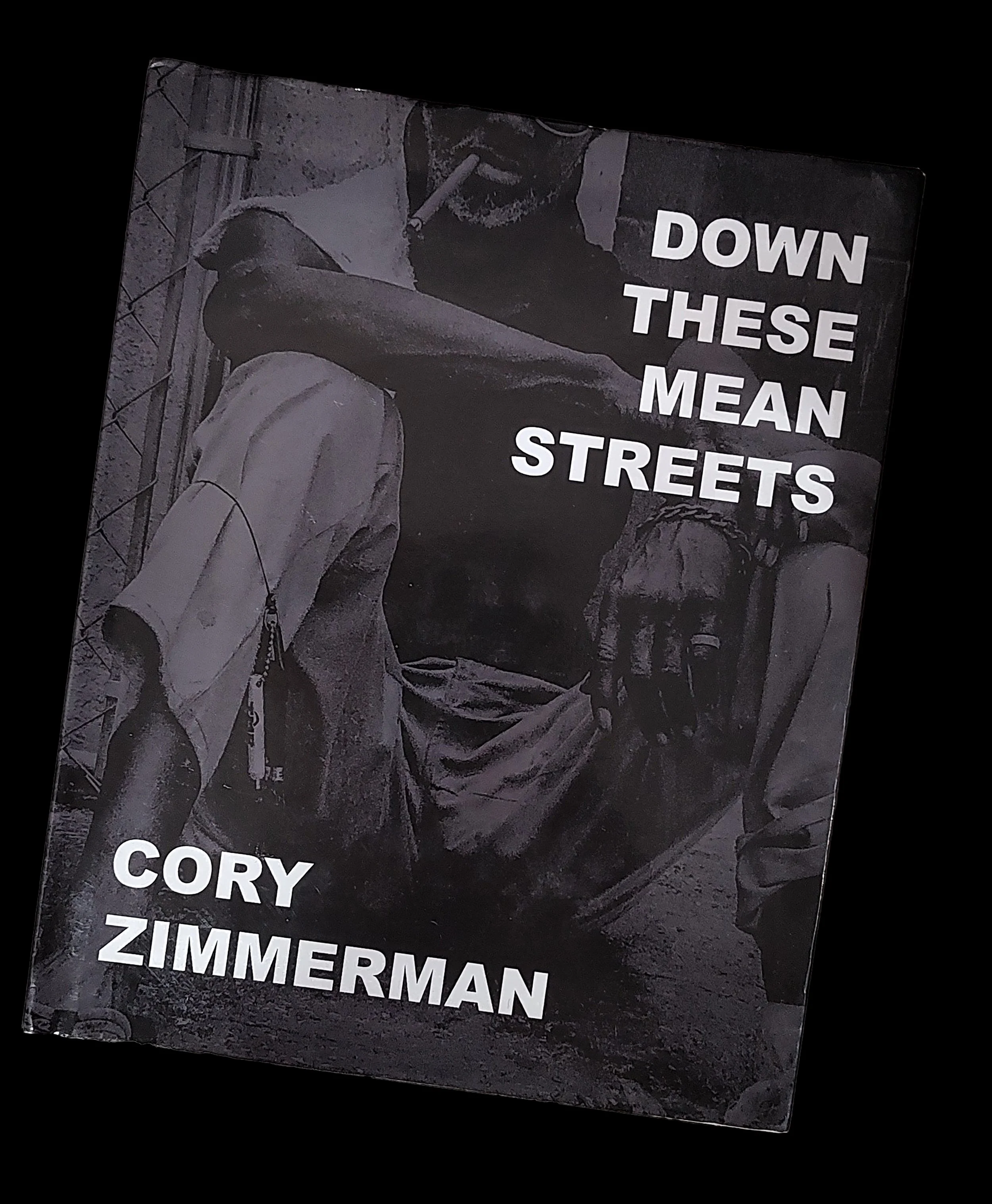
CORY ZIMMERMAN
DOCUMENTARY
&
FINE ART PHOTOGRAPHY
Documental y de Bellas Artes Fotographía
CDMX | CHICAGO
φ
—DOCUMENTARY / DOCUMENTAL—
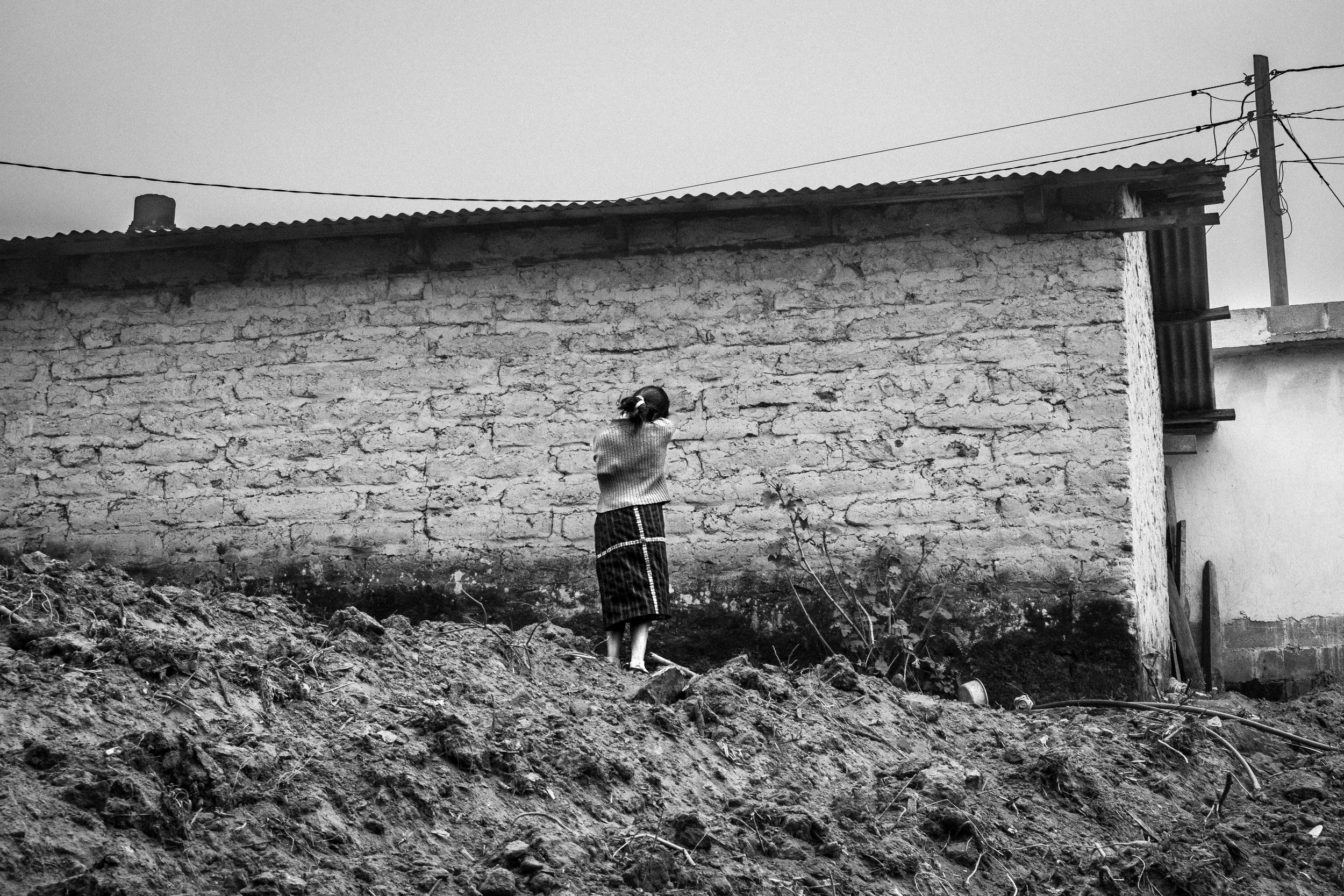
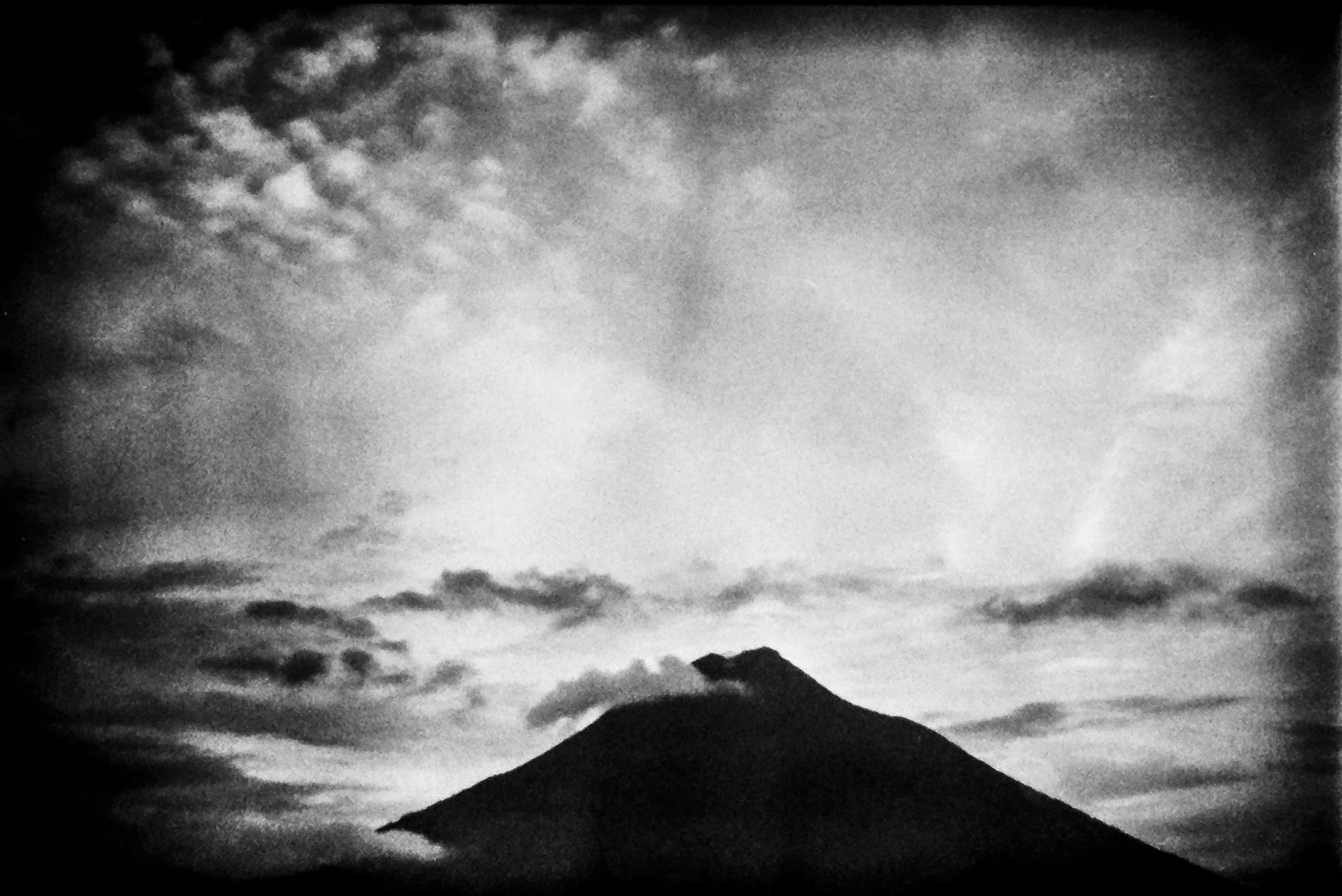
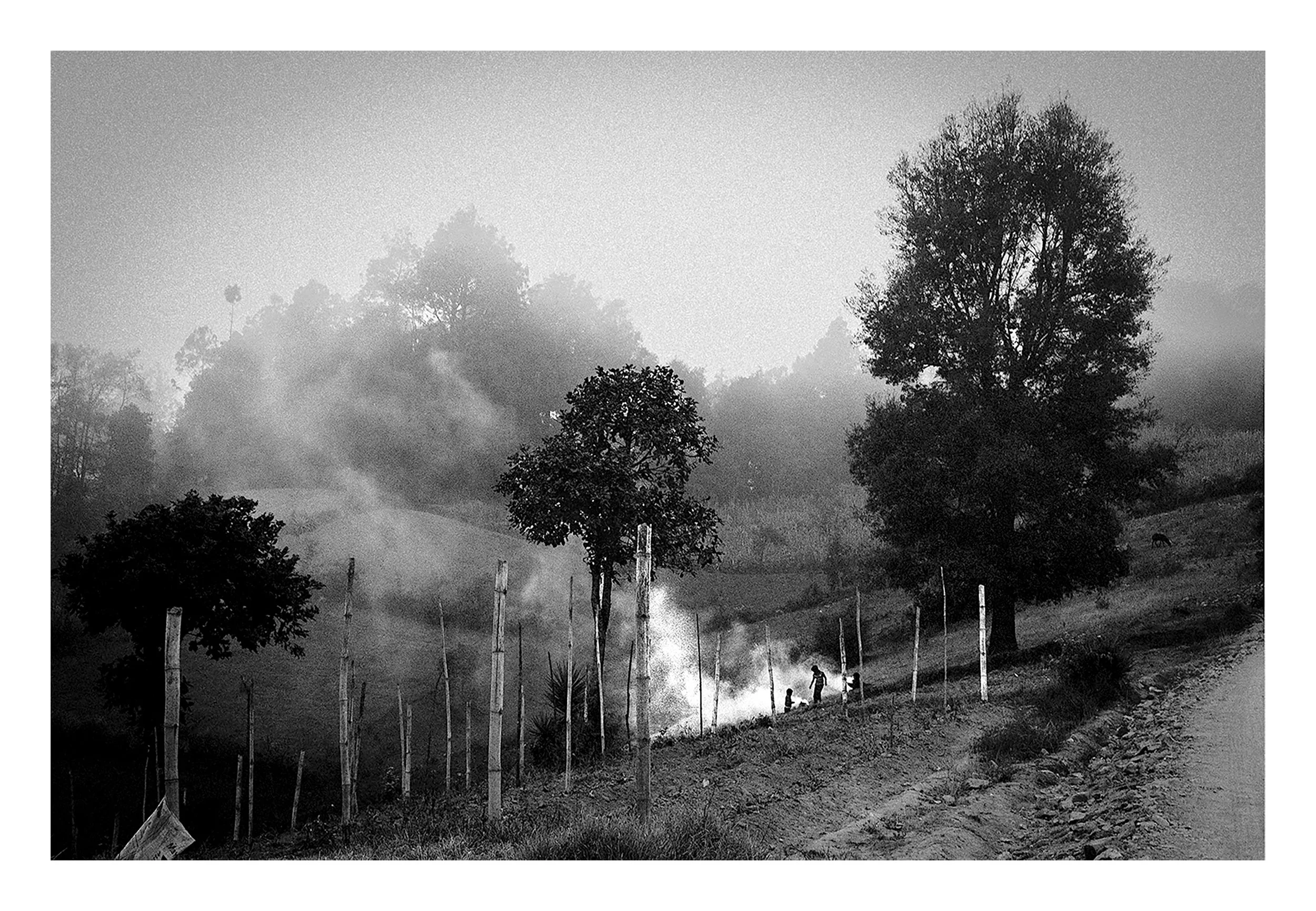
Chuacorral, 2019
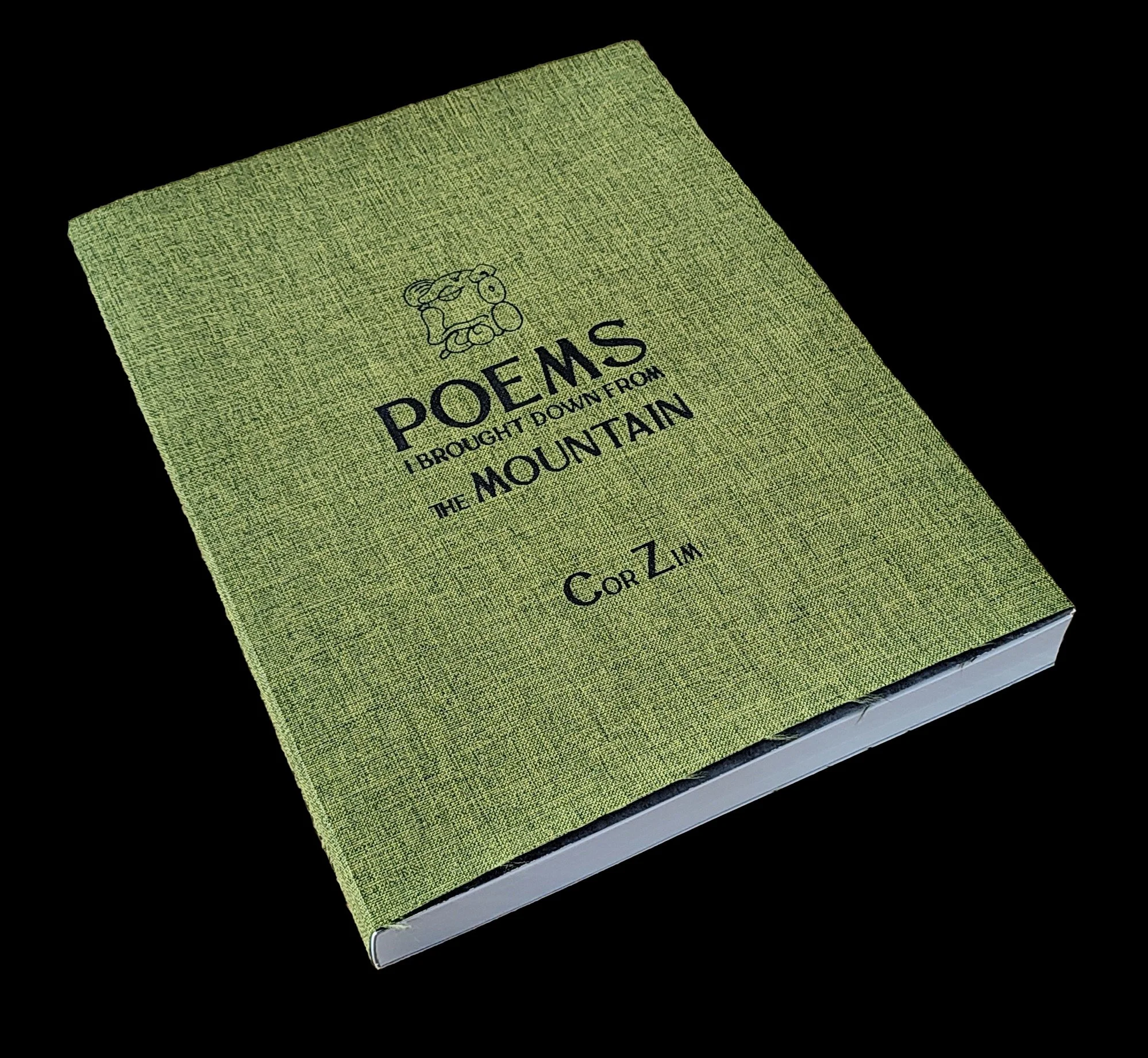
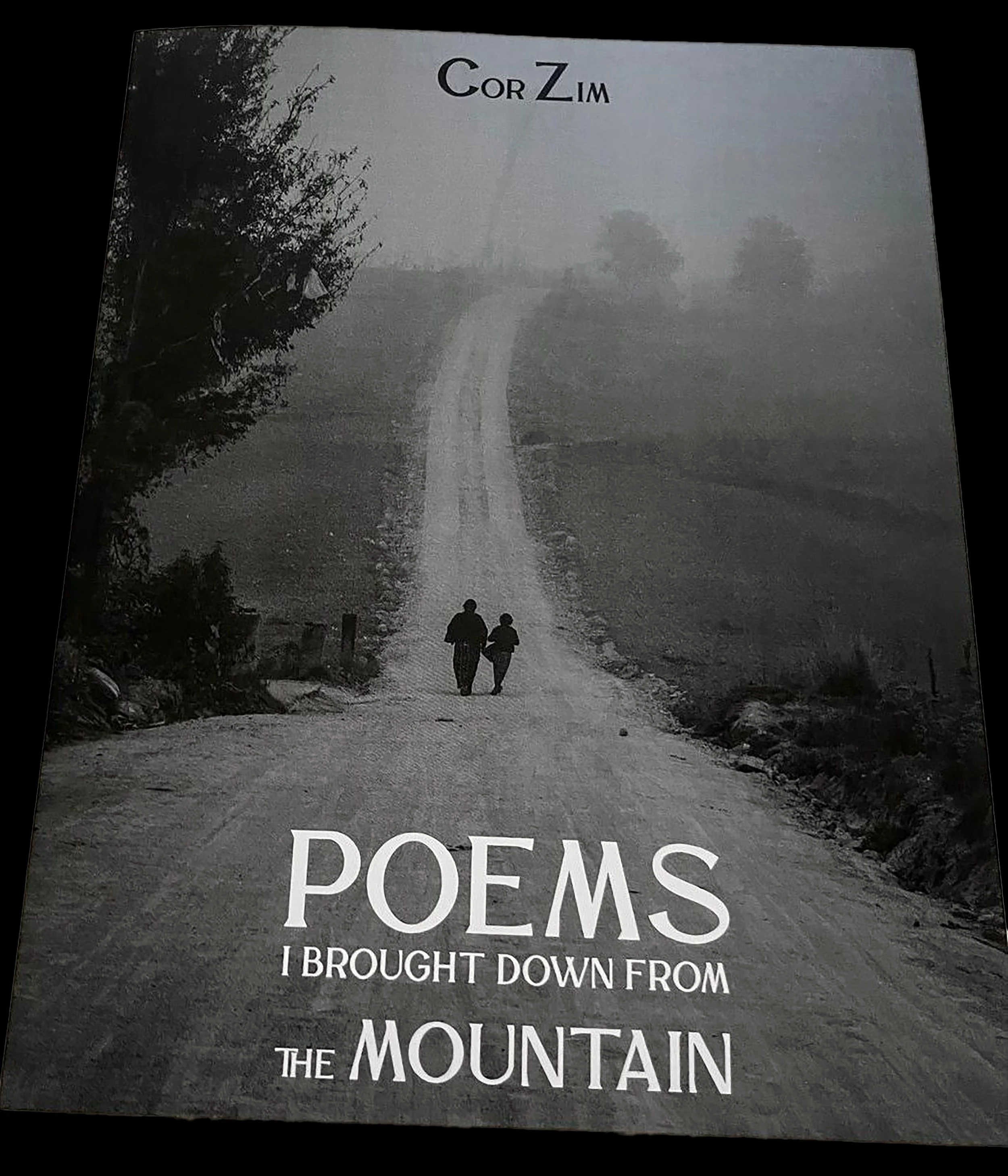
POEMS I BROUGHT DOWN FROM THE MOUNTAIN
The Maya of the Guatemalan Highlands
As an artist, I am deeply committed to using my work as a means of bearing witness and fostering understanding of unknown peoples and places. My most meaningful documentary work has brought me into the heart of the Guatemalan highlands, where I have dedicated myself to telling the stories of the Maya people. Their resilience in the face of historical injustice—especially the legacy of civil conflict, much of it exacerbated by outside intervention—has left a profound impact on me. Through my lens, I strive to honor their dignity and shed light on both the ongoing discrimination and the acts of genocide they have endured.
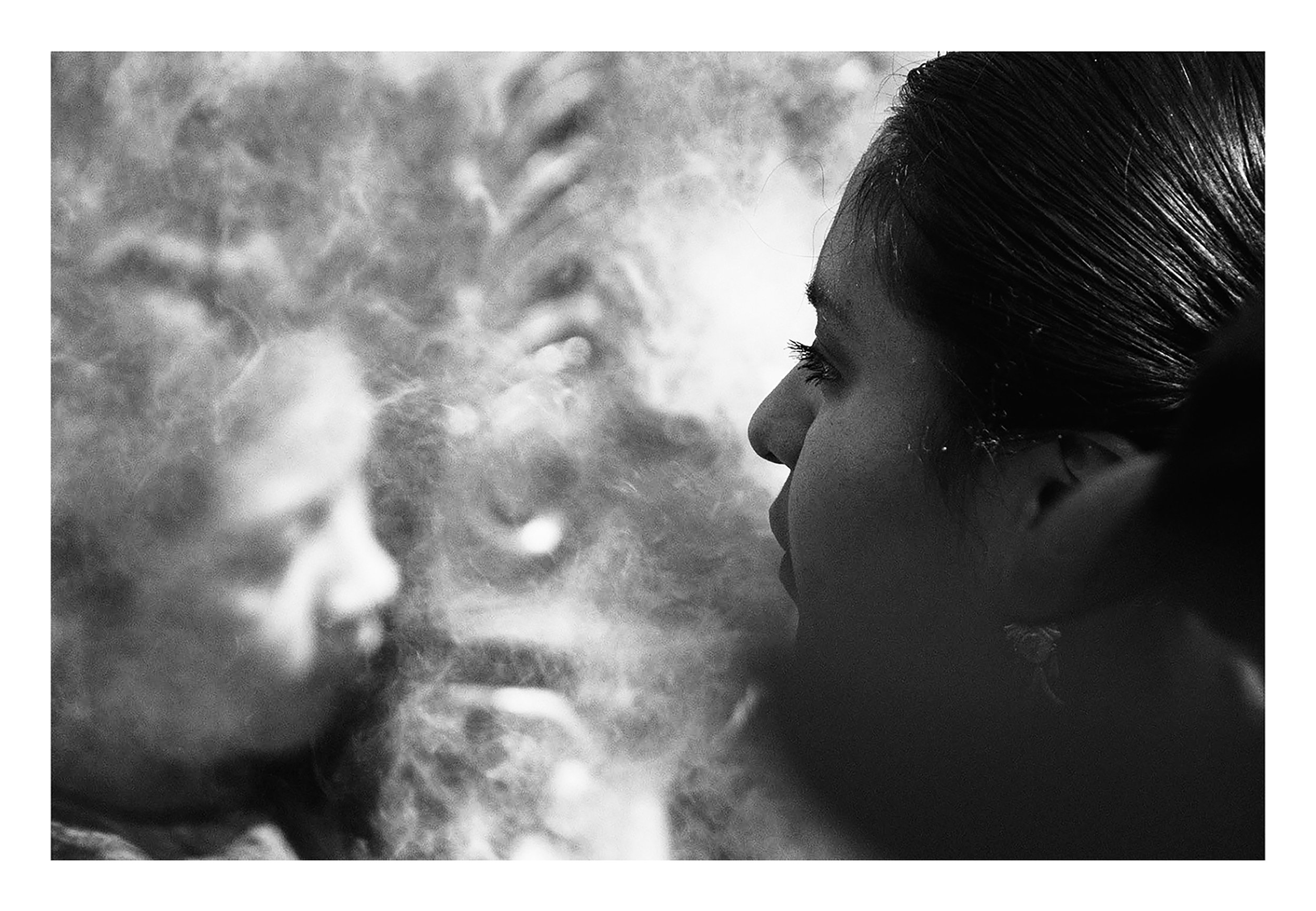
What motivates me most is the opportunity to forge genuine human connections. I hope that my photographs serve not just as images, but as invitations to experience empathy and solidarity with the Maya community. My intent is not to offer political analysis, but to evoke the emotional and spiritual essence of the lives I encounter. To do this, I employ intimate, black-and-white photography using only natural light, striving for an authenticity that allows each person's story to speak for itself. By working with both a "macro and micro" perspective, I seek to reveal the intricate connections between individual lives, their communities, and the natural world around them.
This work is also a collaboration—one that extends to local NGOs and humanitarian organizations whose dedication inspires me daily. Together, we aim to highlight efforts to improve living conditions and address the root causes behind migration, offering a broader understanding of the challenges faced throughout Central America.
However, I hope that my work will do more than simply inform; I wish for it to inspire action. I believe in the power of storytelling to open hearts and create a more empathetic, aware, and responsive audience. Ultimately, my goal is to honor Maya culture, amplify their voices, and encourage others to join in the pursuit of justice and positive, sustainable change for the Maya and all marginalized communities. This journey is both personal and collective—a call to see, to feel, and to act.
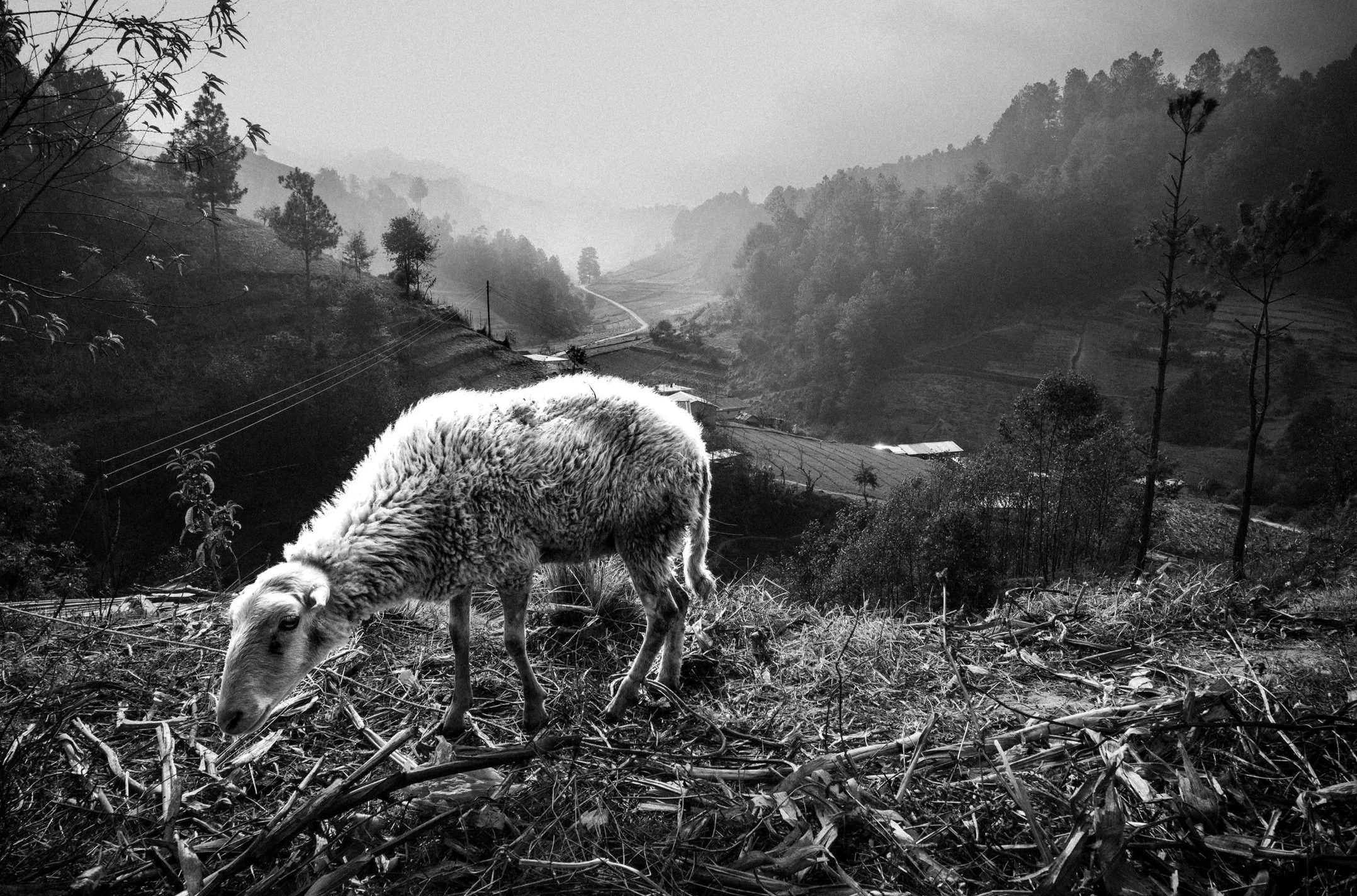
Chuacorral, 2019
POEMAS QUE TRAJE DE LA MONTAÑA
Los Mayas de los Altos de Guatemala
Como artista, estoy profundamente comprometida con usar mi trabajo como medio para dar testimonio y fomentar la comprensión de pueblos y lugares desconocidos. Mi trabajo documental más significativo me ha llevado al corazón de las tierras altas de Guatemala, donde me he dedicado a contar las historias del pueblo maya. Su resiliencia ante la injusticia histórica—en especial el legado del conflicto armado interno, en gran parte exacerbado por la intervención externa—me ha impactado profundamente. A través de mi lente, me esfuerzo por honrar su dignidad y visibilizar tanto la discriminación persistente como los actos de genocidio que han sufrido.
Lo que más me motiva es la oportunidad de forjar conexiones humanas genuinas. Espero que mis fotografías sirvan no solo como imágenes, sino como invitaciones a experimentar empatía y solidaridad con la comunidad Maya. Mi intención no es ofrecer análisis políticos, sino evocar la esencia emocional y espiritual de las vidas que encuentro. Para ello, empleo una fotografía íntima en blanco y negro, utilizando únicamente luz natural, buscando una autenticidad que permita que la historia de cada persona hable por sí misma. Al trabajar con una perspectiva tanto macro como micro, busco revelar las intrincadas conexiones entre las vidas individuales, sus comunidades y el mundo natural que las rodea.
Este trabajo también es una colaboración que se extiende a ONG locales y organizaciones humanitarias cuya dedicación me inspira a diario. Juntos, buscamos destacar los esfuerzos para mejorar las condiciones de vida y abordar las causas profundas de la migración, ofreciendo una comprensión más amplia de los desafíos que se enfrentan en toda Centroamérica.
Sin embargo, espero que mi trabajo haga más que simplemente informar; deseo que inspire a la acción. Creo en el poder de la narración para conmover y crear una audiencia más empática, consciente y receptiva. En última instancia, mi objetivo es honrar la cultura maya, amplificar sus voces y animar a otros a unirse a la búsqueda de justicia y un cambio positivo y sostenible para los mayas y todas las comunidades marginadas. Este viaje es tanto personal como colectivo: un llamado a ver, a sentir y a actuar.


A DREAM
I am drawn to these places where the world is still real, where I can feel the past and the connection between things and the course of events that led to this point, where I can look back and see the journey I've traveled, a path that can't be quickly paved over with denial or disillusionment.
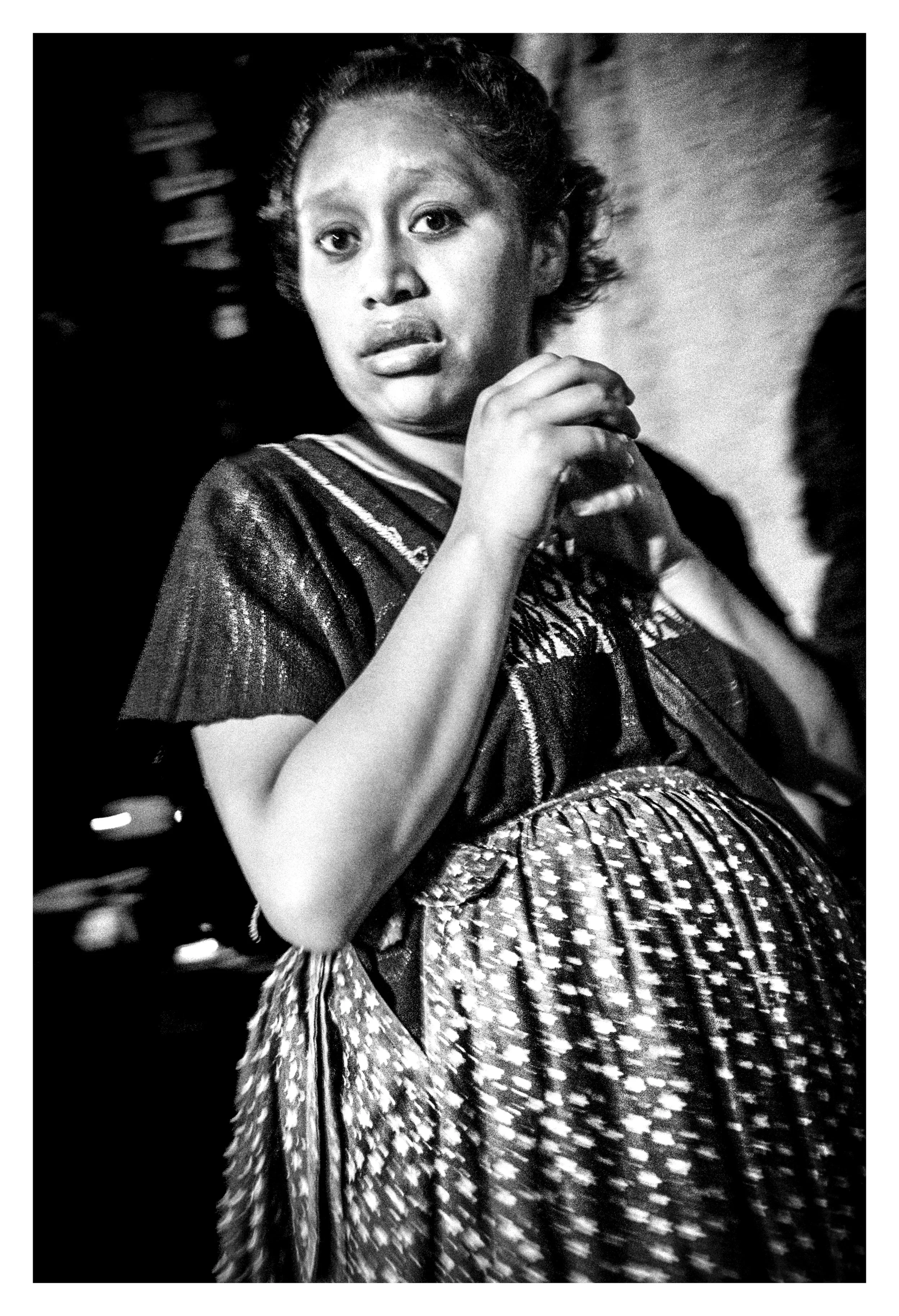
Upon arriving at the last home in the mountaintop village, I exchanged glances of gratitude with an entire family living in little more than a cattle shed. Despite enduring genocide, displacement, and unimaginable discrimination, resilience thrives upon dirt floors. The Maya of the Guatemalan Highlands communicate through the eyes, revealing unspoken truths hidden within.
After taking a dozen or so portraits, we gather by the crackling horno, sharing a stack of hand-slapped tortillas and a dozen hard-boiled eggs. I yearn to immerse myself in such simplicity, yet I know I must leave the warmth and step outside into the haze, feeling the weight of an ancient legacy bearing down upon me.
Descending the mountain, a puma’s kill perched in a lone cacao tree. I hear a rustle and turn back to see a girl with gleaming gold teeth, within a broad smile, step out of the corn stalk. She seems to yearn to be seen, as if disappearing from sight would be akin to death. Raising my camera, I worry her weary eyes might be seen through a lens of pity as she waves me goodbye, a fading silhouette against a backdrop of mist, a dream as clear as day.
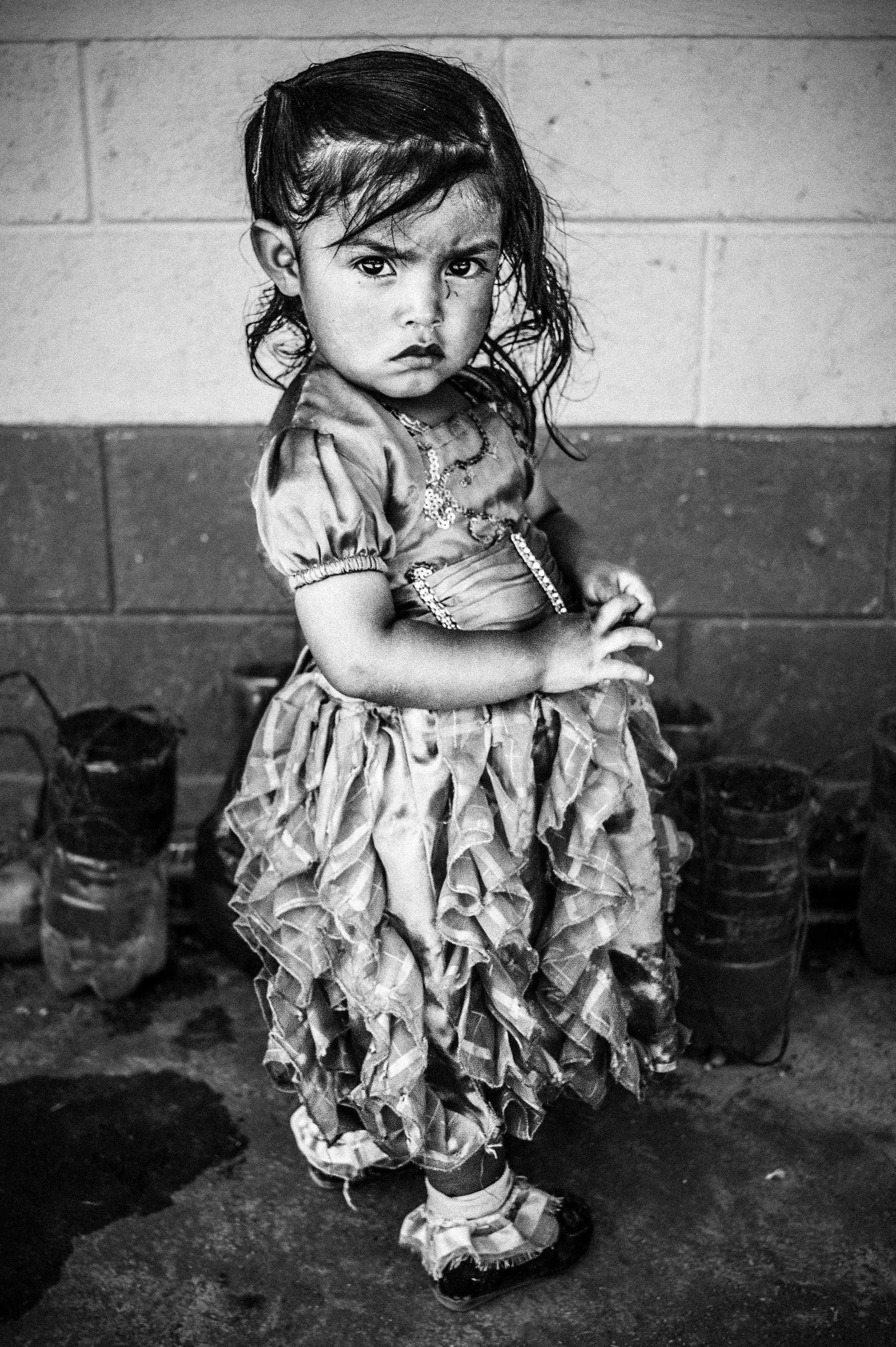
El Hatio, 2019
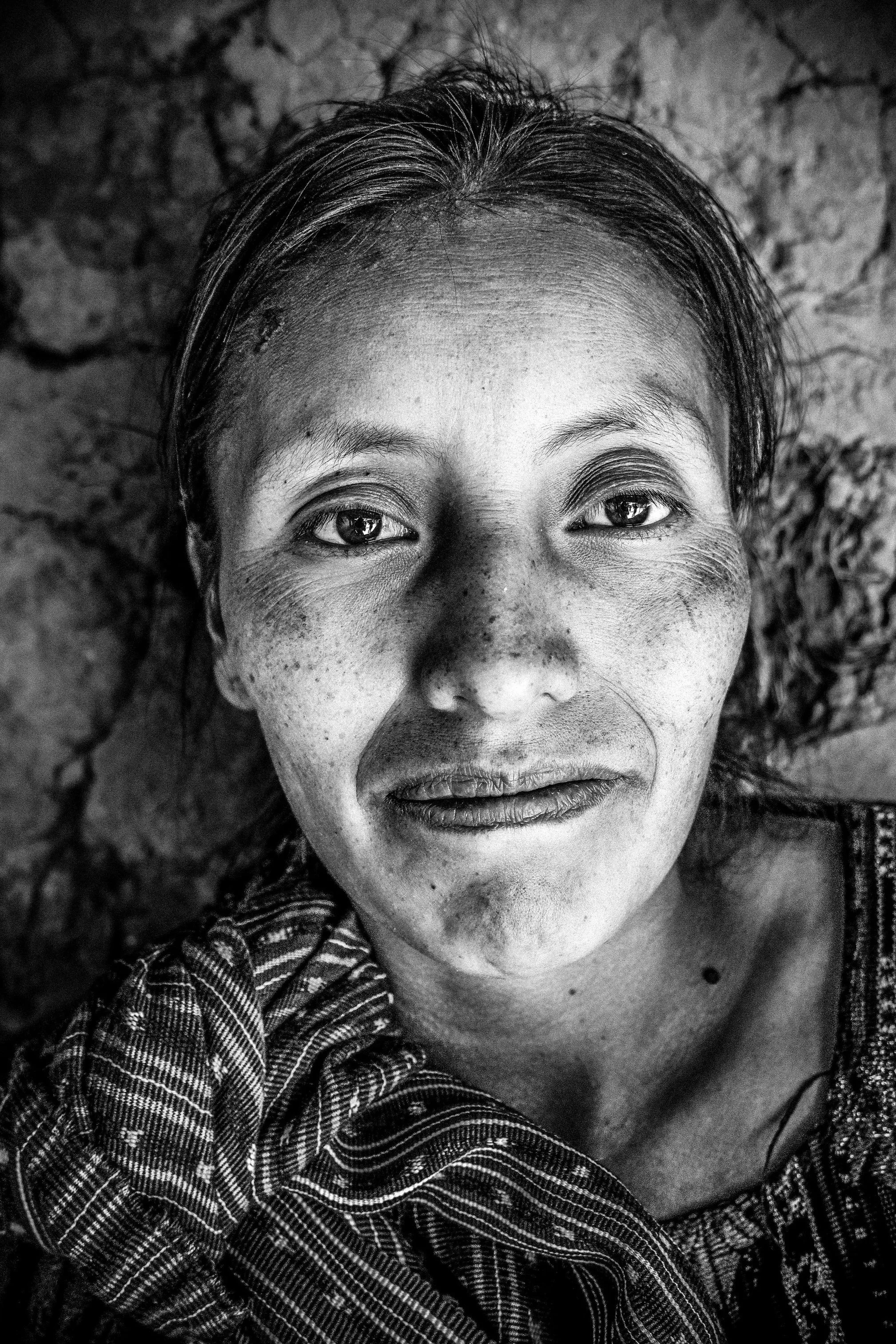
Chuacorral, 2019
UN SUEÑO
Me atraen estos lugares donde el mundo aún es real, donde puedo sentir el pasado y la conexión entre las cosas y el curso de los acontecimientos que me han traído hasta aquí, donde puedo mirar atrás y ver el camino recorrido, una senda que no se puede borrar fácilmente con negación o desilusión.
Al llegar a la última casa del pueblo en la cima de la montaña, intercambié miradas de gratitud con una familia entera que vivía en poco más que un cobertizo para el ganado. A pesar de haber sufrido genocidio, desplazamiento y una discriminación inimaginable, la resiliencia florece sobre suelos de tierra. Los mayas de las tierras altas de Guatemala se comunican con la mirada, revelando verdades tácitas ocultas en su interior.
Después de tomar una docena de retratos, nos reunimos junto al horno crepitante, compartiendo una pila de tortillas hechas a mano y una docena de huevos duros. Anhelo sumergirme en esa sencillez, pero sé que debo dejar el calor y salir a la bruma, sintiendo el peso de un legado ancestral sobre mí.
Al bajar de la montaña, veo la presa de un puma posada en un solitario árbol de cacao. Oigo un crujido y me giro para ver a una niña con dientes de oro relucientes, con una amplia sonrisa, salir de entre las mazorcas. Parece anhelar ser vista, como si desaparecer de mi vista fuera como morir. Levanto la cámara, preocupado de que sus ojos cansados se vean a través de una lente de lástima mientras me dice adiós con la mano, una silueta que se desvanece contra un fondo de niebla, un sueño tan nítido como el día.
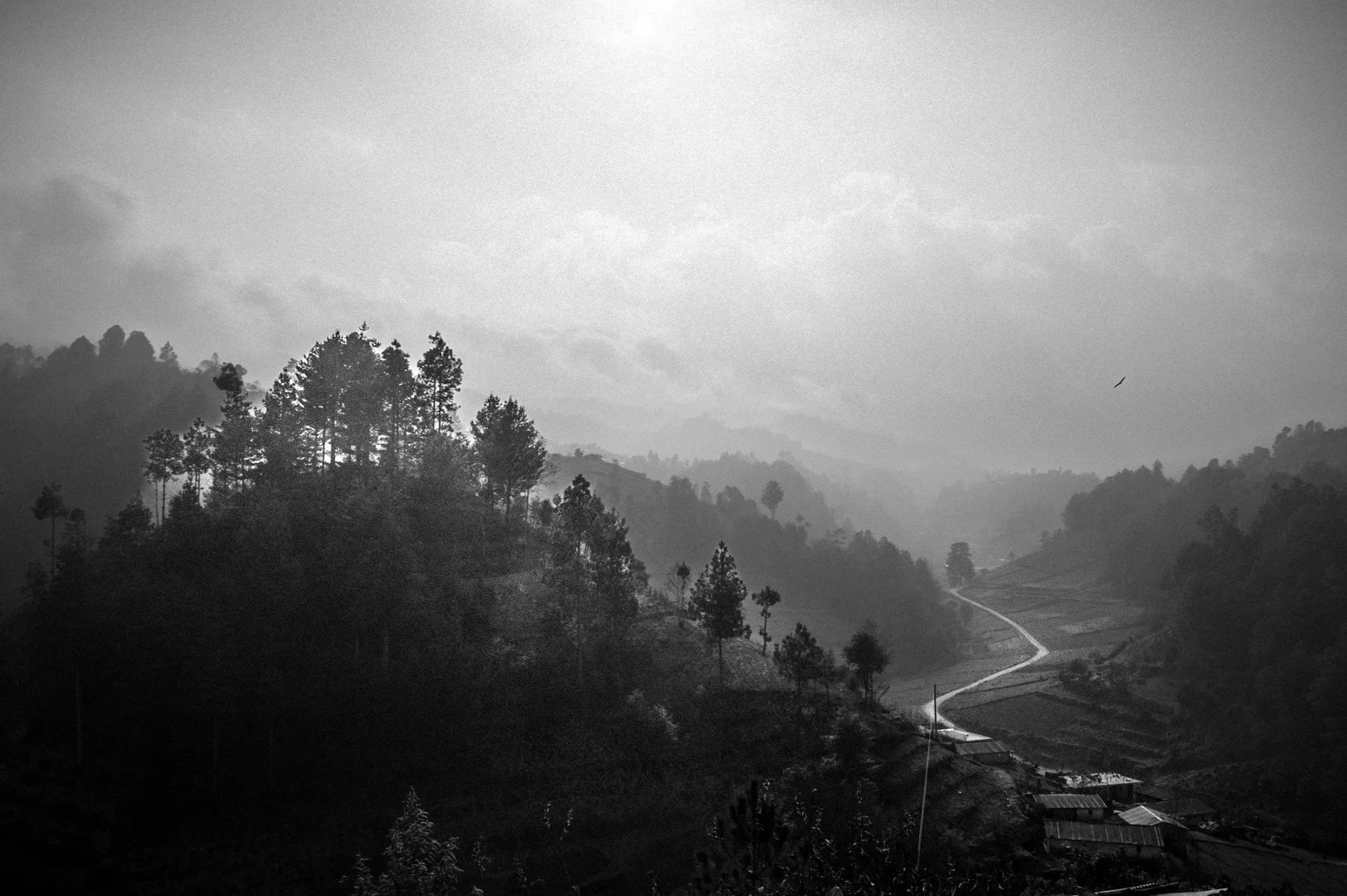
Chuacorral, 2019

Mexico City, 2018
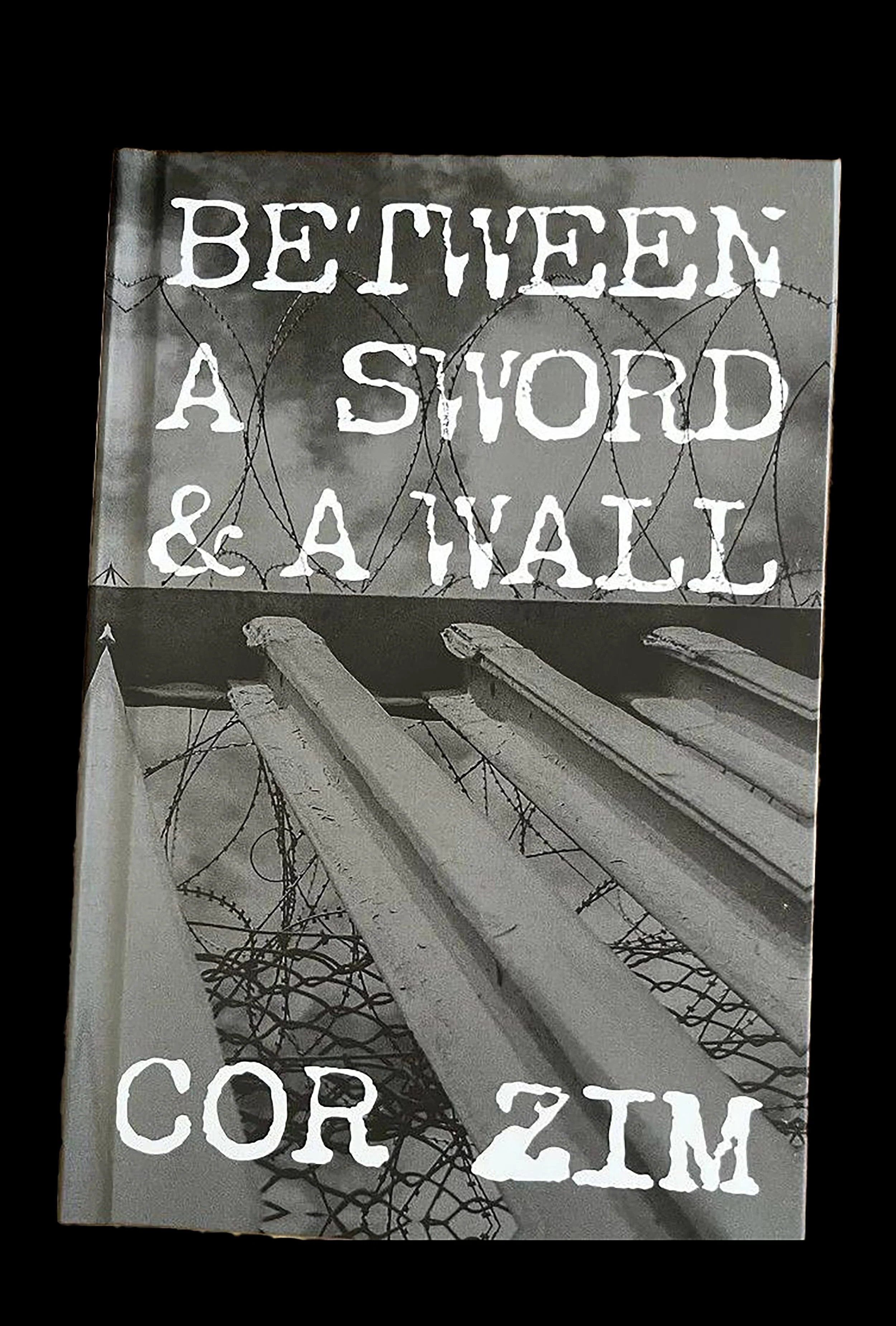
BETWEEN A SWORD & A WALL
A Portrait of the Migrant Caravan
When the first migrant caravan arrived in Mexico City in the fall of 2018, it was met with unusual sympathy. Tents had been erected at a large football complex, offering medical care, meals, counseling, clothing donations, and even a mobile dentist. A wrestling ring hosted masked luchadores to entertain the hundreds of children waiting their turn to bathe at makeshift sinks beside rented portapotties.
I had been living in Mexico City for a couple of years when I heard they had arrived. Hours later, I was at the stadium just as a semi-truck unloaded a mass of exhausted migrants. A young Black boy tumbled from the back, too weak to stand, clutching a toy racecar. I offered him a handful of snacks I had brought and moved into the camp, distributing food. I felt a strange urgency to document what I was witnessing—the pain, the exhaustion, and the flickers of hope that no one else was there to capture. The camera was both a witness and a shield against the overwhelming suffering around me. Inside the tents, the air reeked of illness and desperation. My body trembled, my heart raced, and my mind reeled. Yet amid the hardship, children laughed, watched the luchadores, and played in the sun. Their joy, though fleeting, was defiant. Despite everything they had endured, their resilience was palpable. I stayed until I could no longer stand, then left, determined to return the next day with more food.
That evening, as I reviewed my photos, I couldn’t stop looking at the boy who had collapsed. His eyes were vacant and deeply pained. The next day, I returned to the camp to find him. After asking around, I learned his name was Johnathan. Nurses had no record of him, but I spotted a teenage girl who bore a resemblance to him. She was his sister and told me he had been taken to the hospital. I left a note for his mother, and a few days later, she called. Her name was Argentina. She explained that Johnathan, age 7, was being treated for diabetes and had been malnourished most of his life. Doctors were preparing him for the nearly 2,000-mile journey north, which would be mostly by foot or hitchhiking. He needed medication and nutritious food. She feared he wouldn't survive the trip and was hesitant to accept help from a stranger, worried—as she should have been—about human traffickers.
Security at the shelter had increased due to reports of traffickers luring women away. Argentina had already heard stories of rape, slavery, and kidnapping. It took time to earn her trust, but eventually, she agreed to let me help. I bought bus tickets for her and her children— Johnathan and his two sisters, aged 11 and 14—so they could avoid the perilous trek through Mexico’s most dangerous regions. I filled a backpack with food suited for Johnathan’s condition, warm clothing, and a wool blanket. I saw them off, but days later, Argentina called again. They were in a hospital in Guadalajara. Johnathan had relapsed. I booked a flight to Tijuana, hoping to find them again.
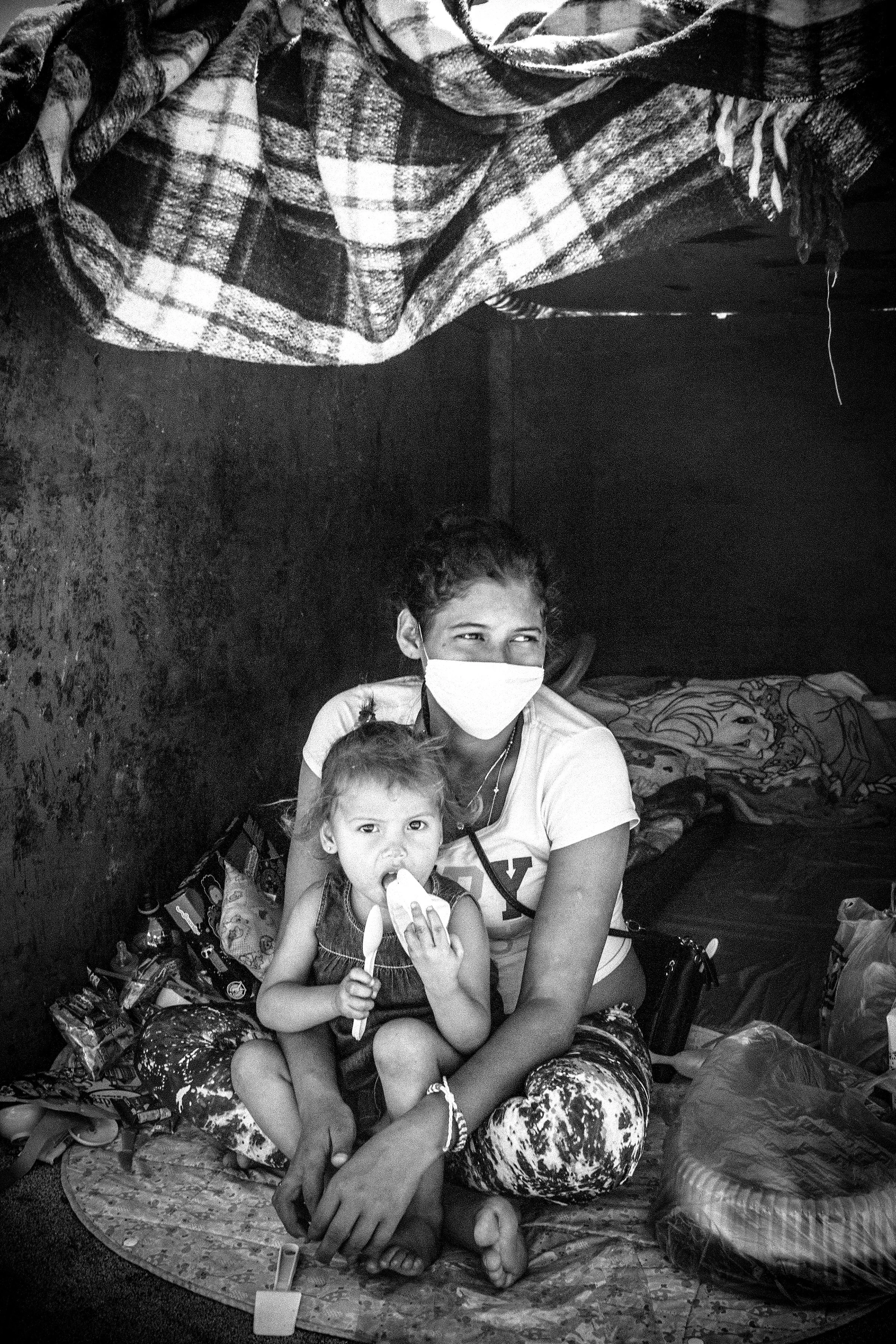
Mexico City, 2018
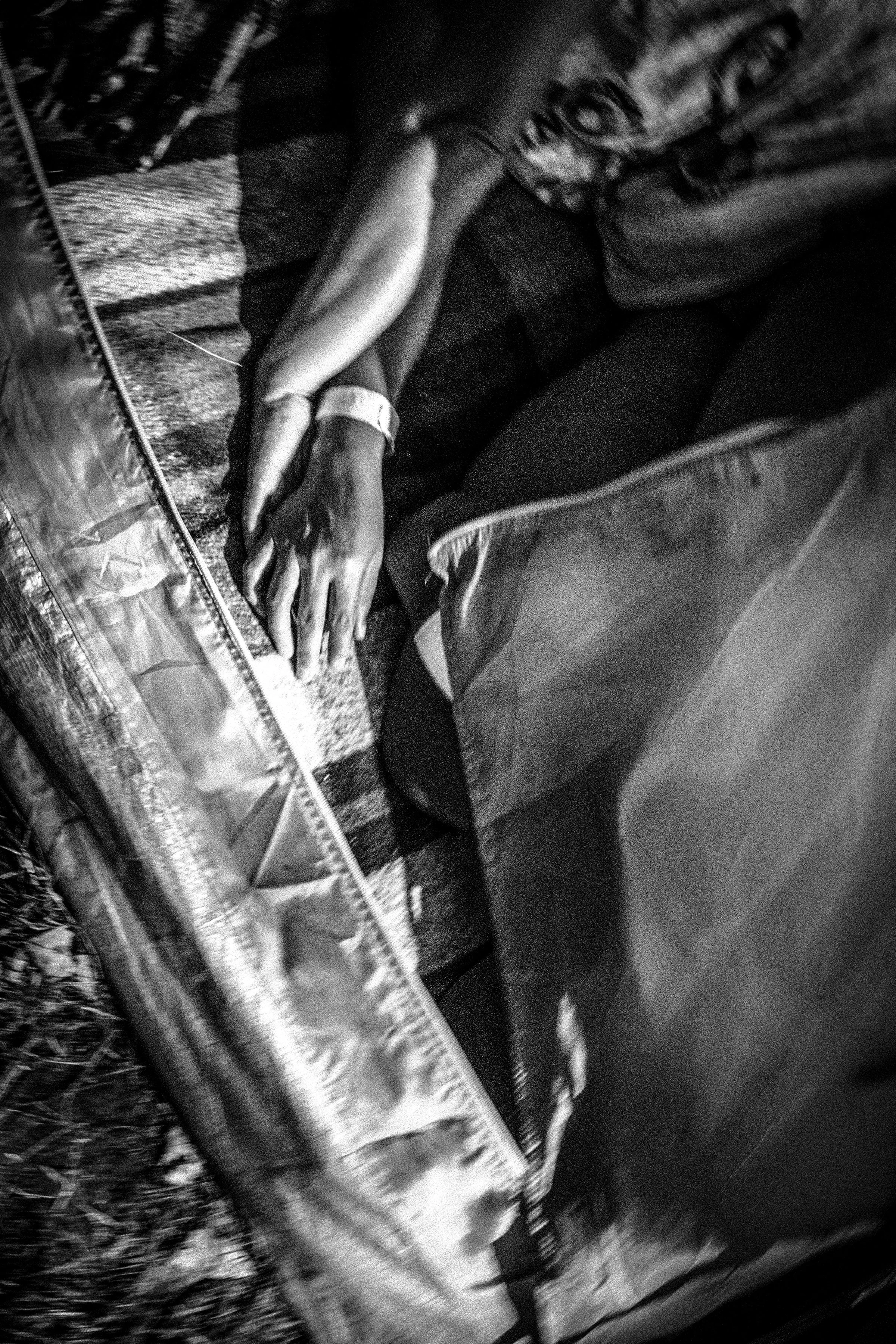
Mexico City, 2018
ENTRE LA ESPADA Y LA MURALLA
Un Retrato de la Caravana Migrante
Cuando la primera caravana de migrantes llegó a la Ciudad de México en el otoño de 2018, fue recibida con una inusual compasión. Se habían instalado carpas en un gran complejo de fútbol, ofreciendo atención médica, comidas, apoyo psicológico, donaciones de ropa e incluso un dentista móvil. En un ring de lucha libre, luchadores enmascarados entretenían a los cientos de niños que esperaban su turno para bañarse en lavabos improvisados junto a baños portátiles alquilados.
Llevaba un par de años viviendo en la Ciudad de México cuando supe de su llegada. Horas después, estaba en el estadio justo cuando un camión descargaba a una multitud de migrantes exhaustos. Un niño afroamericano cayó de la parte trasera, demasiado débil para mantenerse en pie, aferrado a un coche de juguete. Le ofrecí un puñado de bocadillos que había traído y me adentré en el campamento, distribuyendo comida. Sentí una extraña urgencia por documentar lo que estaba presenciando: el dolor, el agotamiento y los destellos de esperanza que nadie más estaba allí para capturar. La cámara fue a la vez testigo y escudo contra el sufrimiento abrumador que me rodeaba. Dentro de las tiendas, el aire apestaba a enfermedad y desesperación. Mi cuerpo temblaba, mi corazón se aceleraba y mi mente daba vueltas. Sin embargo, en medio de las dificultades, los niños reían, veían a los luchadores y jugaban bajo el sol. Su alegría, aunque fugaz, era desafiante. A pesar de todo lo que habían sufrido, su resistencia era palpable. Me quedé hasta que no pude más, y luego me fui, decidida a regresar al día siguiente con más comida.
Esa noche, mientras revisaba mis fotos, no podía dejar de mirar al niño que se había desplomado. Tenía la mirada perdida y reflejaba un profundo dolor. Al día siguiente, regresé al campamento para buscarlo. Después de preguntar, supe que se llamaba Jonathan. Las enfermeras no tenían ningún registro de él, pero vi a una adolescente que se parecía. Era su hermana y me dijo que lo habían llevado al hospital. Dejé una nota para su madre y, unos días después, me llamó. Se llamaba Argentina. Me explicó que Johnathan, de 7 años, estaba en tratamiento por diabetes y había sufrido desnutrición durante la mayor parte de su vida. Los médicos lo estaban preparando para el viaje de casi 3200 kilómetros hacia el norte, que se realizaría principalmente a pie o haciendo autostop. Necesitaba medicamentos y alimentos nutritivos. Temía que no sobreviviera al viaje y dudaba en aceptar la ayuda de una desconocida, preocupada —como era de esperar— por los traficantes de personas.
La seguridad en el albergue había aumentado debido a los informes de traficantes que se llevaban a mujeres. Argentina ya había oído historias de violaciones, esclavitud y secuestros. Me costó ganarme su confianza, pero finalmente accedió a que la ayudara. Compré boletos de autobús para ella y sus hijos —Johnathan y sus dos hermanas, de 11 y 14 años— para que pudieran evitar la peligrosa travesía por las regiones más peligrosas de México. Preparé una mochila con comida adecuada para la condición de Johnathan, ropa de abrigo y una manta de lana. Los despedí, pero días después, Argentina volvió a llamar. Estaban en un hospital de Guadalajara. Jonathan había recaído. Reservé un vuelo a Tijuana con la esperanza de encontrarlos de nuevo.


—ARGENTINA, Tijuana, 2019
"My wish is to be in the U.S. to get Johnathan the treatment he needs; that is my dream,” Argentina once wrote me in a message. “My brother died from untreated anemia, and it hurt me a lot because he had so many dreams. I was with him all the time in the hospital, and now I am doing the same with my son. I don't want Johnathan to go through the same suffering. It worries me because he has gotten sicker and sicker. Last year, he was in a coma for a month. I want so badly to have control over his mealtimes, but when I go in search of food, there is often nothing. It has not been easy on Johnathan, and that scares me to death. I wish I could have a place of my own and to be calm. I wish we could be on the other side already. There are moments when I feel worried and desperate... in the name of Jesus, I pray that this ends soon. It has not been easy. The roads we have walked down, we have suffered. I have seen women badly beaten on the street and left behind to their fate. Then, with Johnathan's health scares, we've had so many horrible experiences along the way. It’s been rough, to be neither here nor there. Back in Honduras, I suffered domestic violence, and my two eldest daughters were sexually abused, and I don't want my two little girls to go through the same nightmare. I want a future for my children. They all three love football, and Johnathan loves to play the drums. You see, my children have dreams of their own, and I wish to get to a place where they can develop those dreams, those dreams of their own, and to be someone in the future. I want to work and put my kids in school where they can learn many things. I would like them to learn to paint. I think they would like that very much. That is my dream, and I pray God will give me the wisdom to show me the way to the other side. But now, I do not know where to turn, where to search for refuge. In a simple truth... I am between a sword and a wall.”
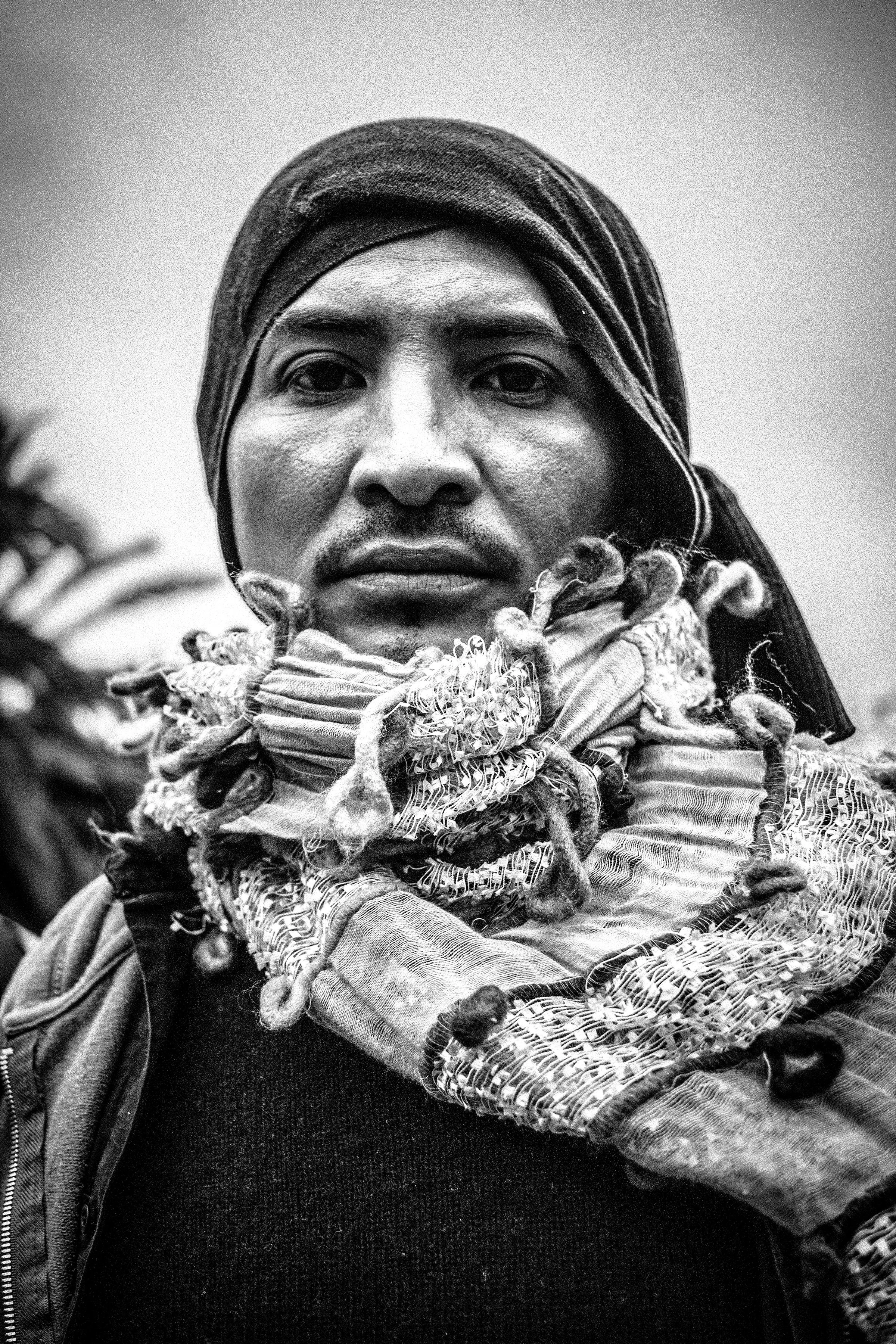
Mexico City, 2018
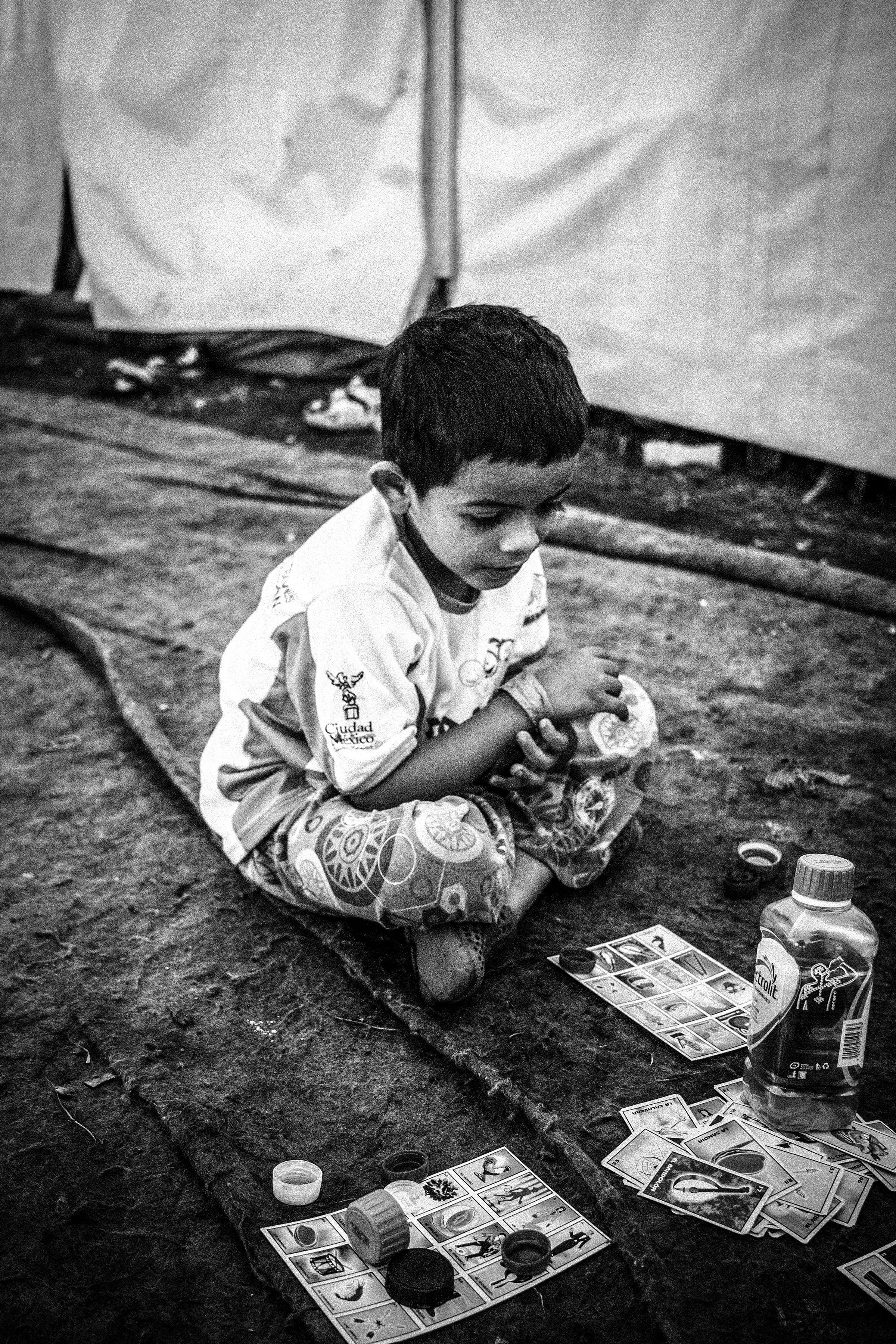
Mexico City, 2018
—ARGENTINA, Tijuana, 2019
"Mi deseo es estar en Estados Unidos para que Johnathan reciba el tratamiento que necesita; ese es mi sueño", me escribió Argentina en un mensaje. Mi hermano murió de anemia sin tratar, y me dolió muchísimo porque tenía tantos sueños. Estuve con él todo el tiempo en el hospital, y ahora estoy haciendo lo mismo con mi hijo. No quiero que Johnathan pase por el mismo sufrimiento. Me preocupa porque se ha ido enfermando cada vez más. El año pasado estuvo en coma durante un mes. Deseo con todas mis fuerzas tener control sobre sus comidas, pero cuando salgo a buscar comida, a menudo no hay nada. No ha sido fácil para Johnathan, y eso me aterra. Desearía tener un lugar propio y estar tranquila. Desearía que ya pudiéramos superar esto. Hay momentos en que me siento preocupada y desesperada... en el nombre de Jesús, ruego que esto termine pronto. No ha sido fácil. Hemos sufrido mucho en el camino. He visto mujeres brutalmente golpeadas en la calle y abandonadas a su suerte. Y con los problemas de salud de Johnathan, hemos tenido muchas experiencias horribles. Ha sido muy duro... Ni aquí ni allá. En Honduras sufrí violencia doméstica y mis dos hijas mayores fueron víctimas de abuso sexual, y no quiero que mis dos pequeñas pasen por la misma pesadilla. Quiero un futuro para mis hijos. A los tres les encanta el fútbol, y a Jonathan le encanta tocar la batería. Mis hijos tienen sus propios sueños, y deseo llegar a un punto en el que puedan desarrollarlos, sus propios sueños, y ser alguien en el futuro. Quiero trabajar y que mis hijos vayan a la escuela, donde puedan aprender muchas cosas. Me gustaría que aprendieran a pintar. Creo que les gustaría mucho. Ese es mi sueño, y le pido a Dios que me dé la sabiduría para mostrarme el camino hacia la superación. Pero ahora, no sé a dónde acudir, dónde buscar refugio. En pocas palabras... estoy entre la espada y la pared.
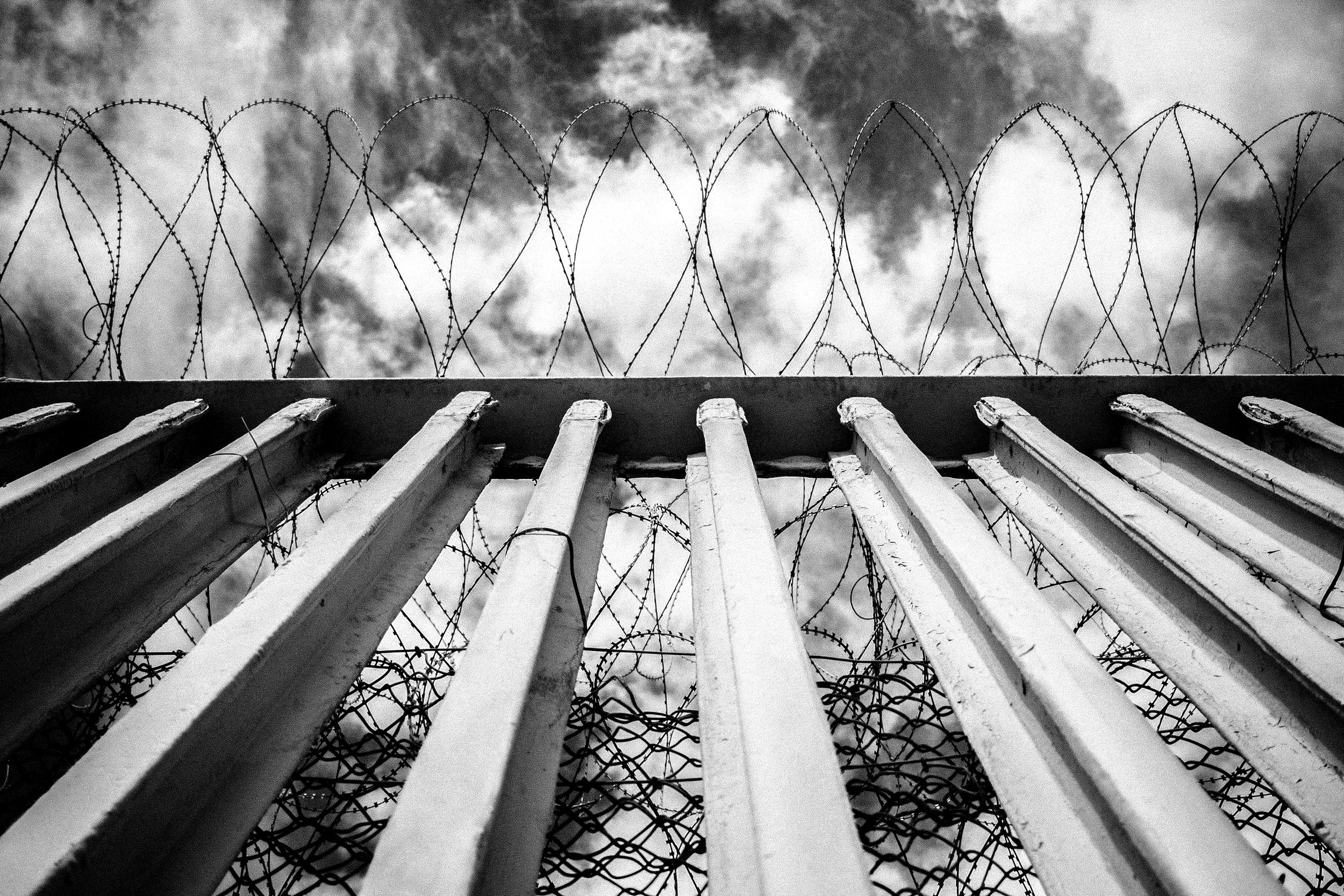
Tijuana, 2019
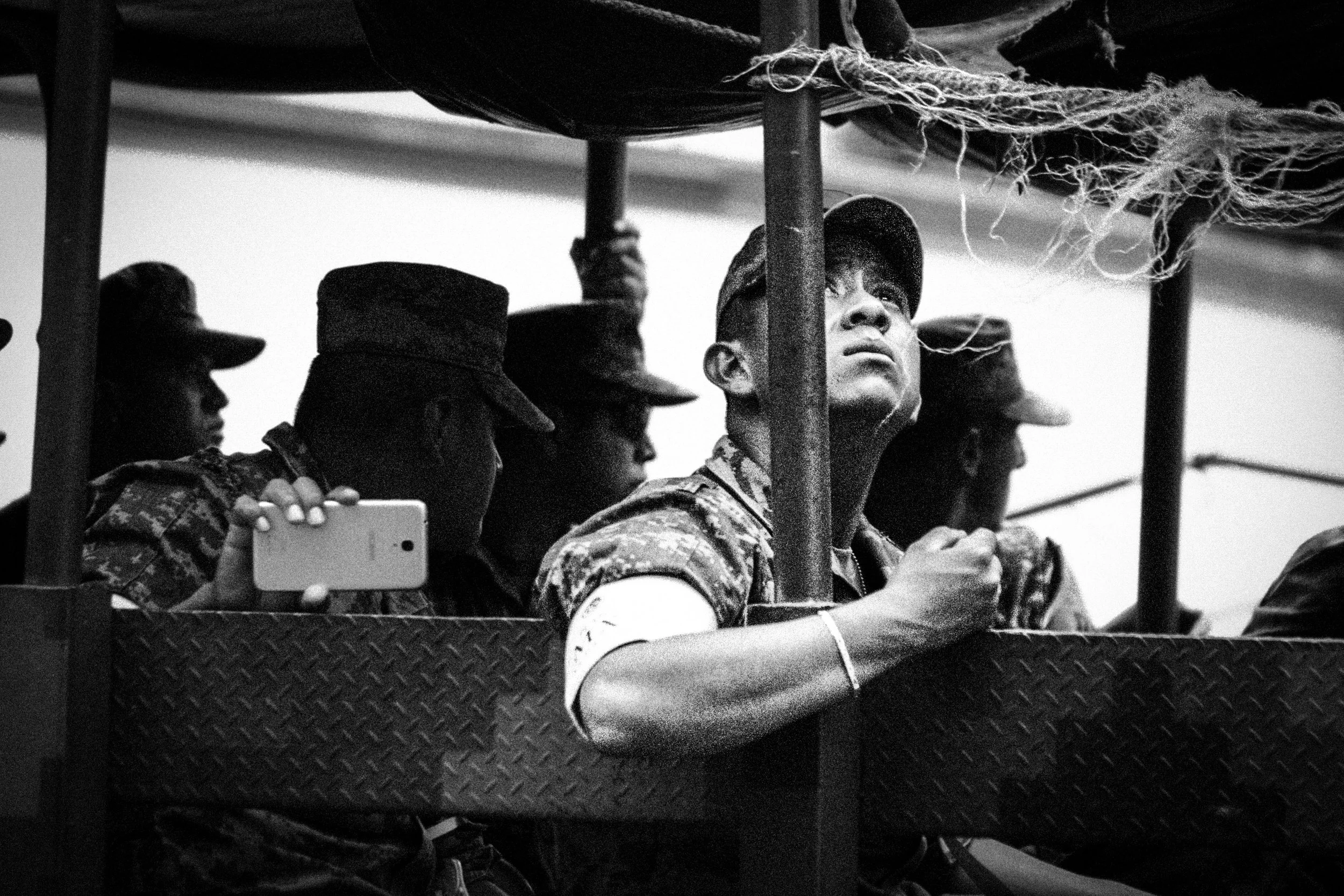
Roma Norte, 2017
SISMO CDMX
The Mexico City Earthquake of September 2017
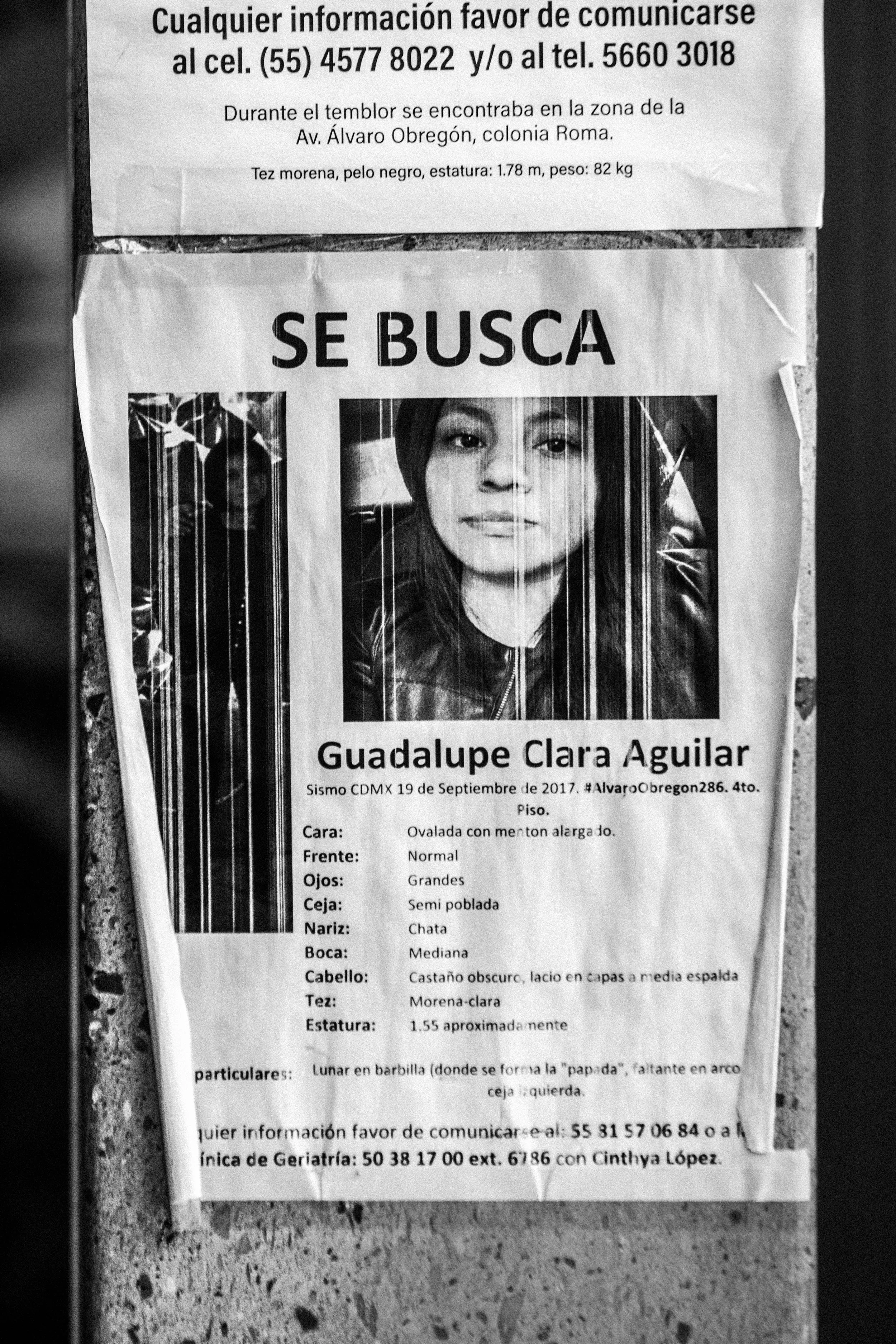
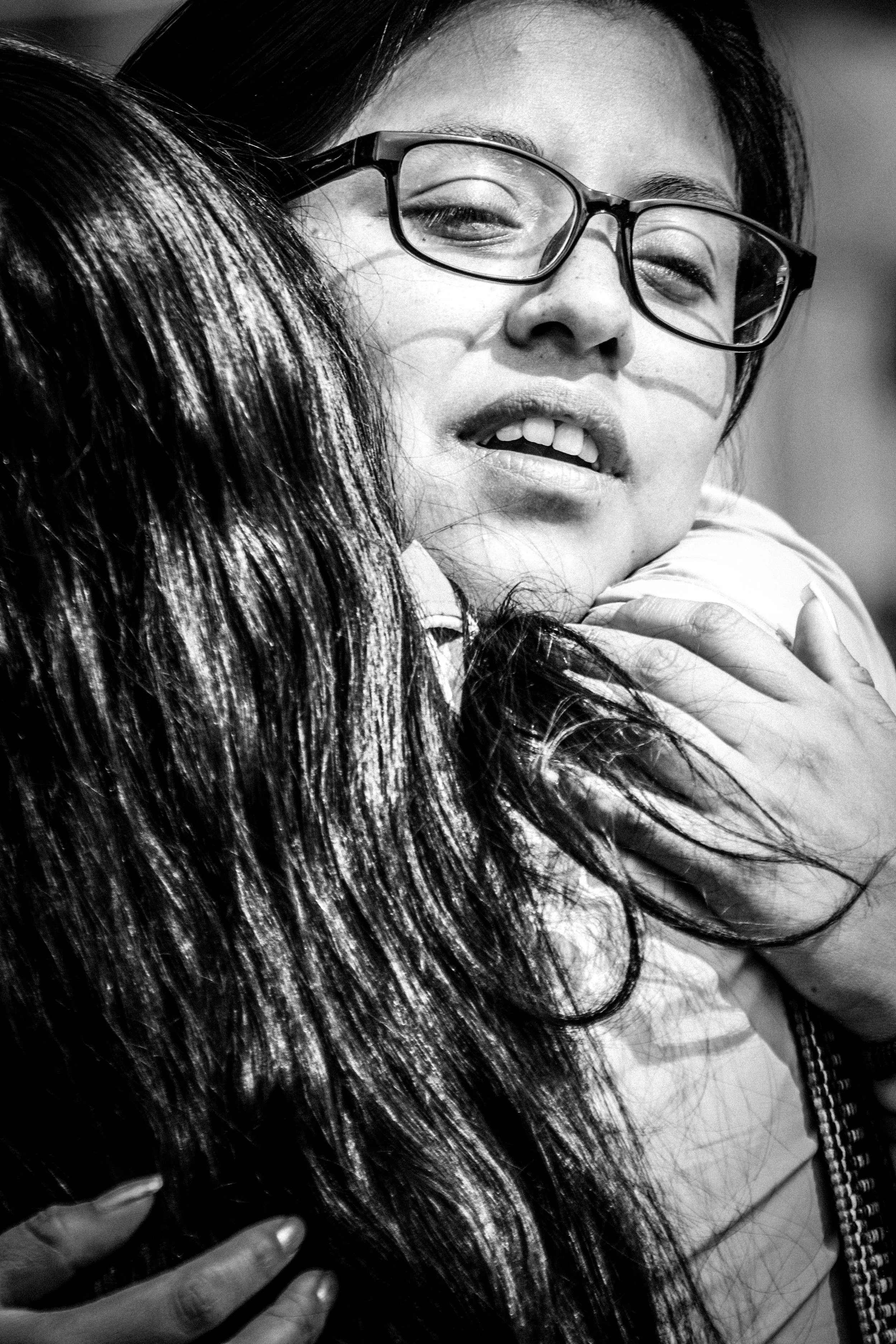
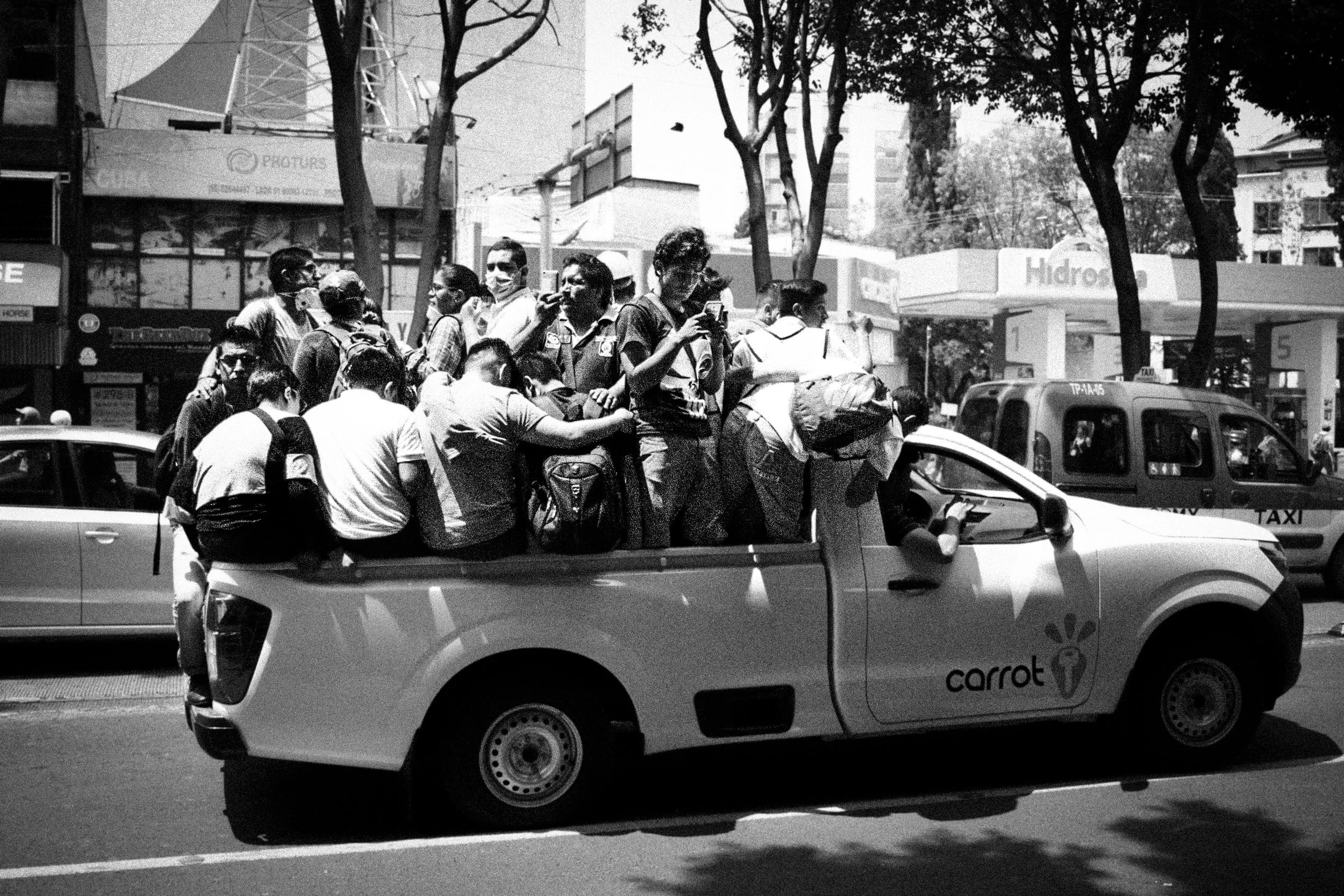
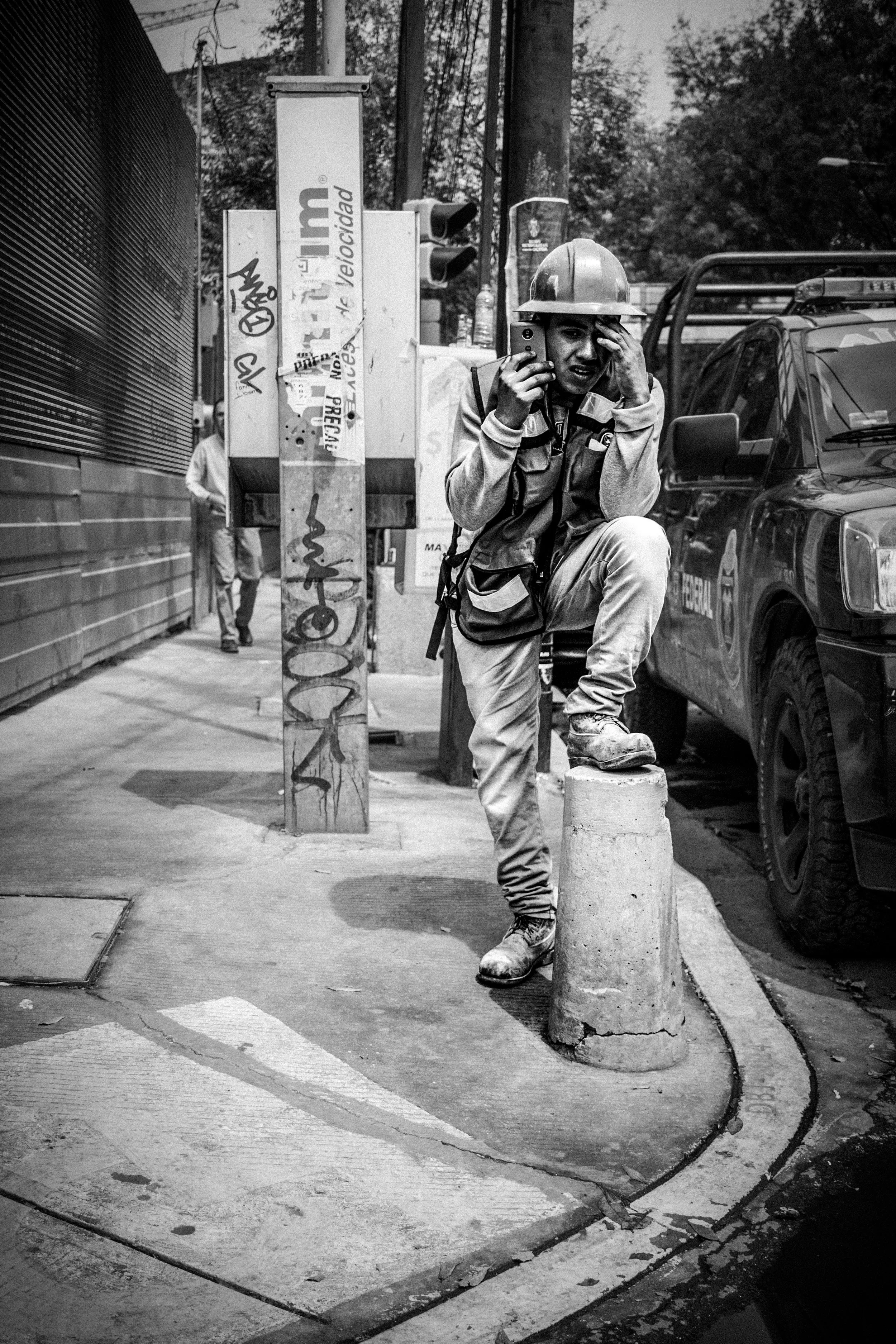
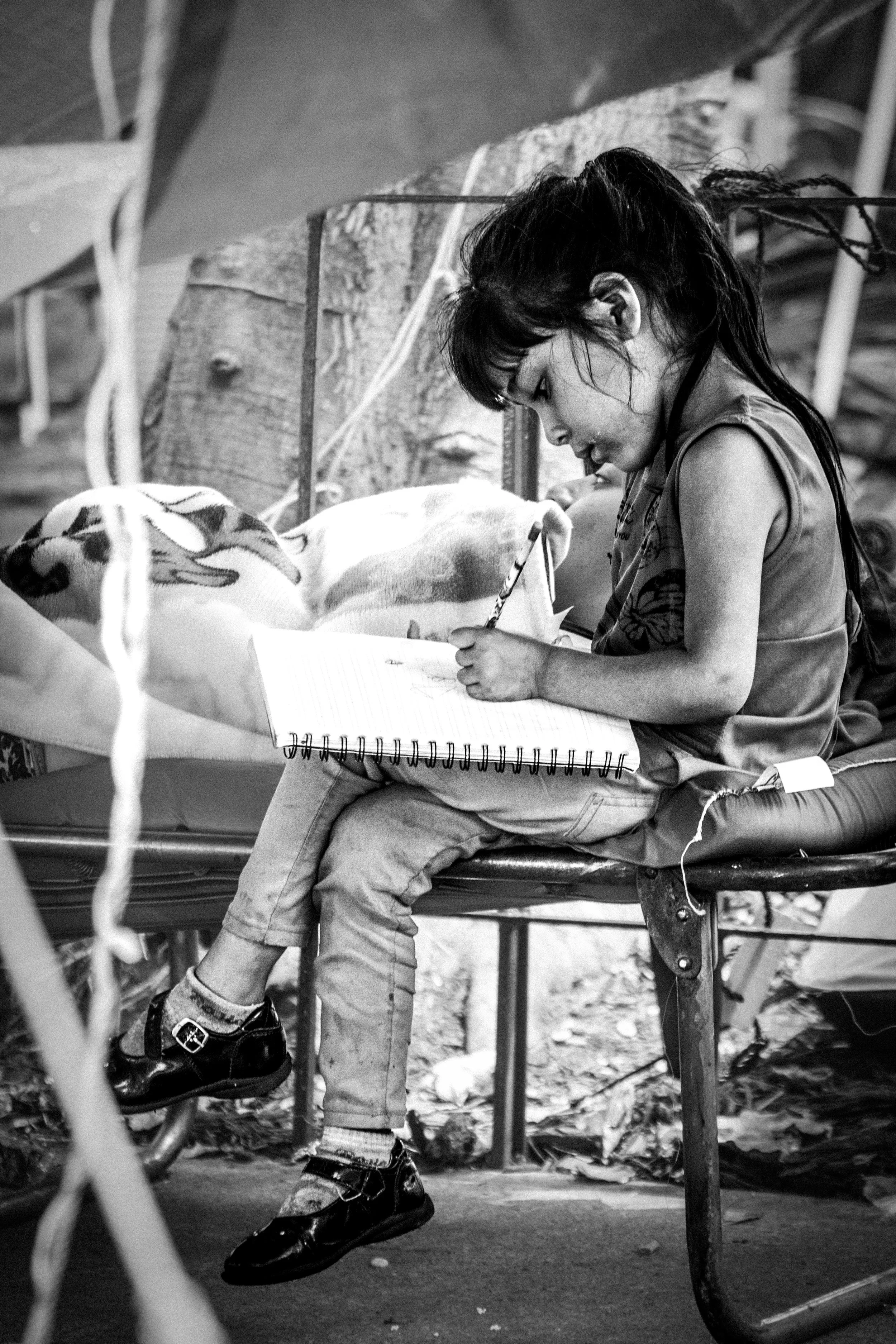
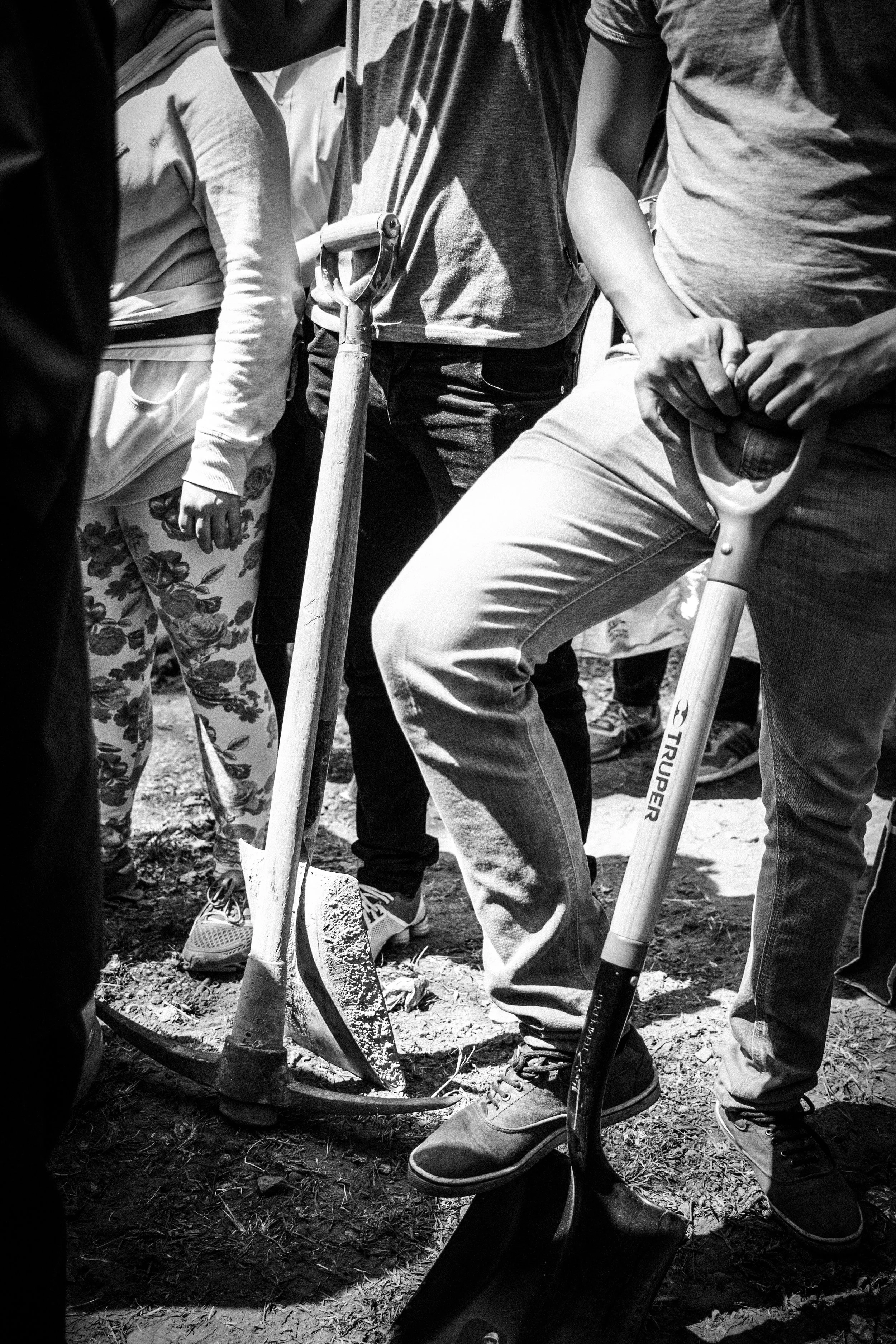
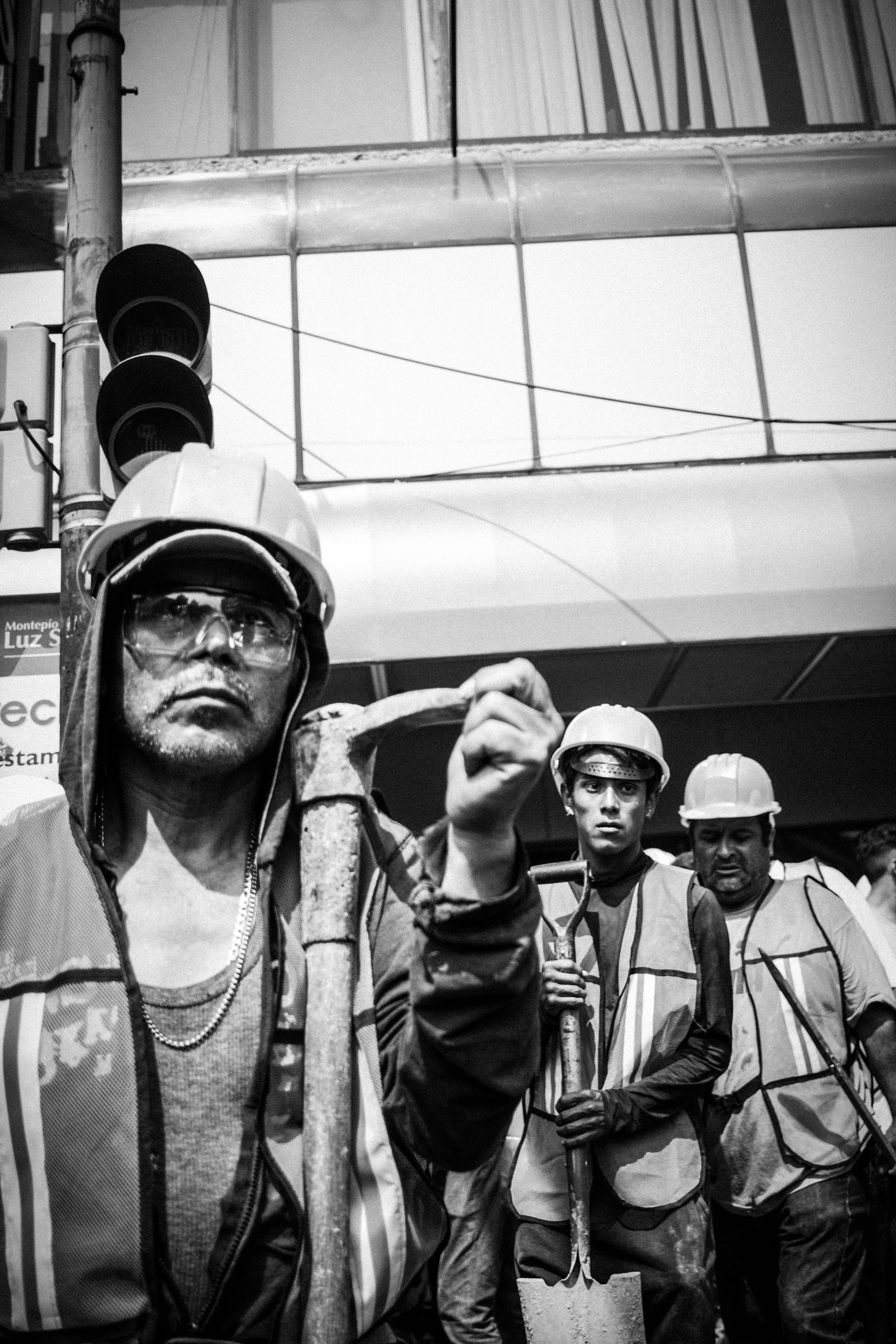
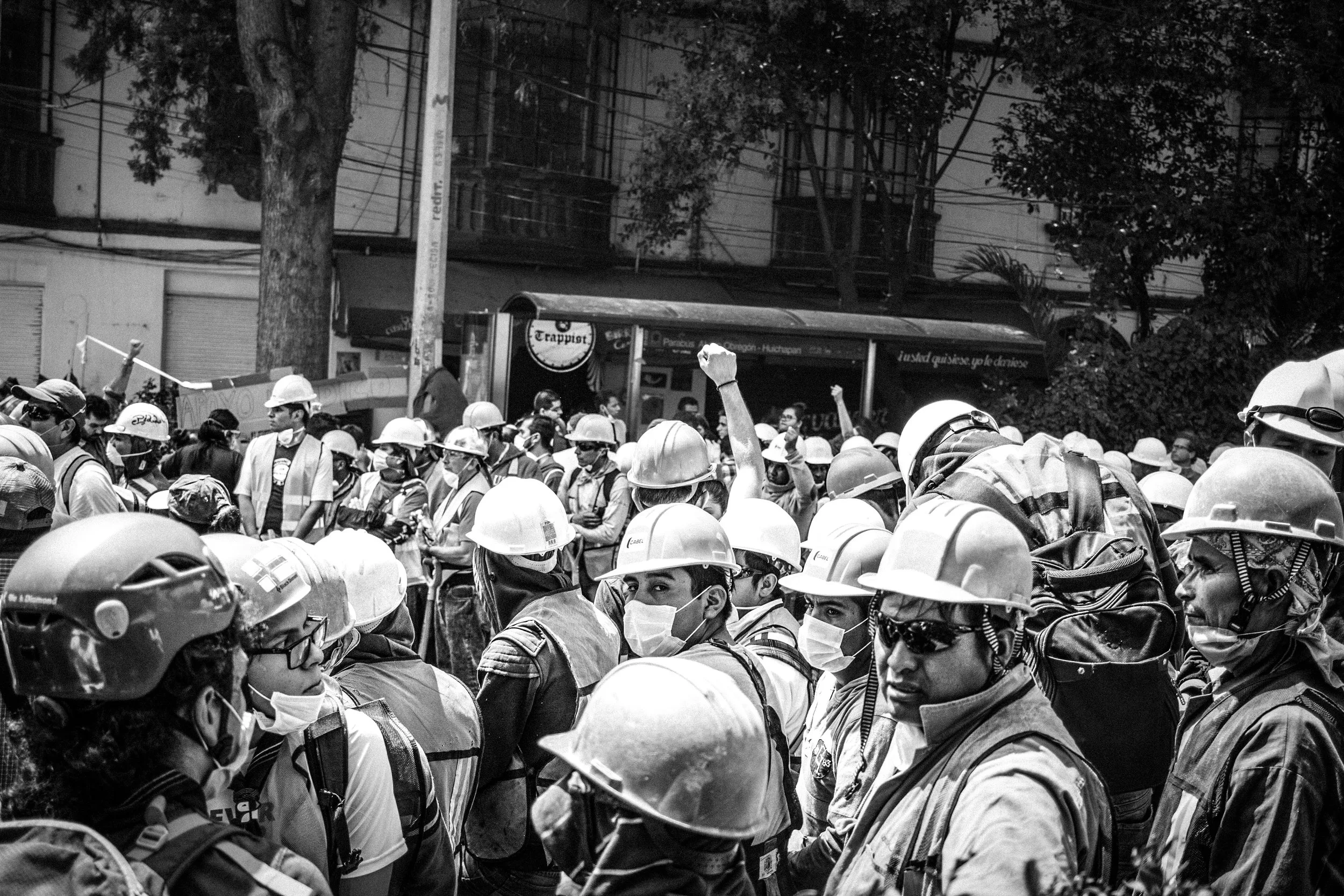
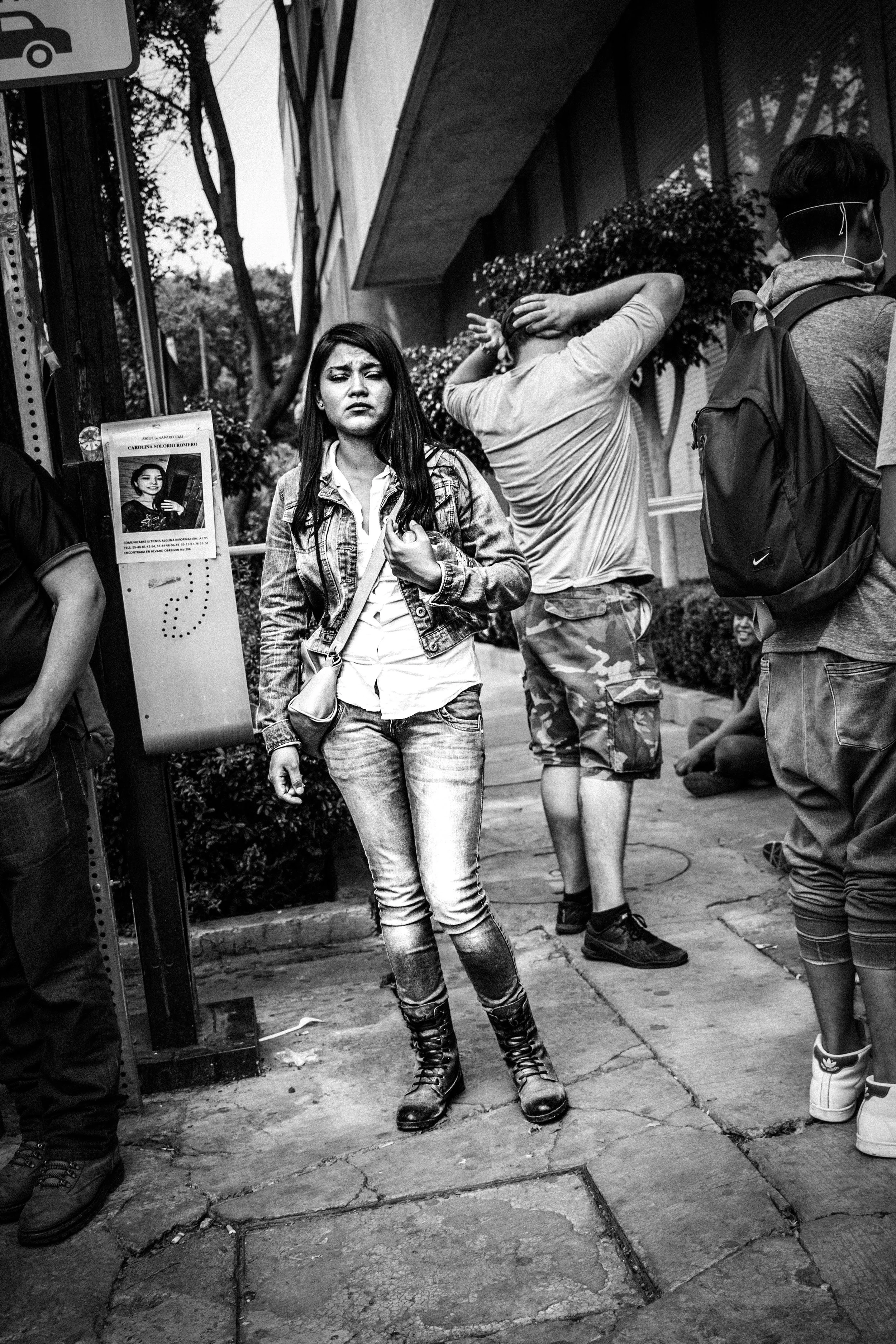
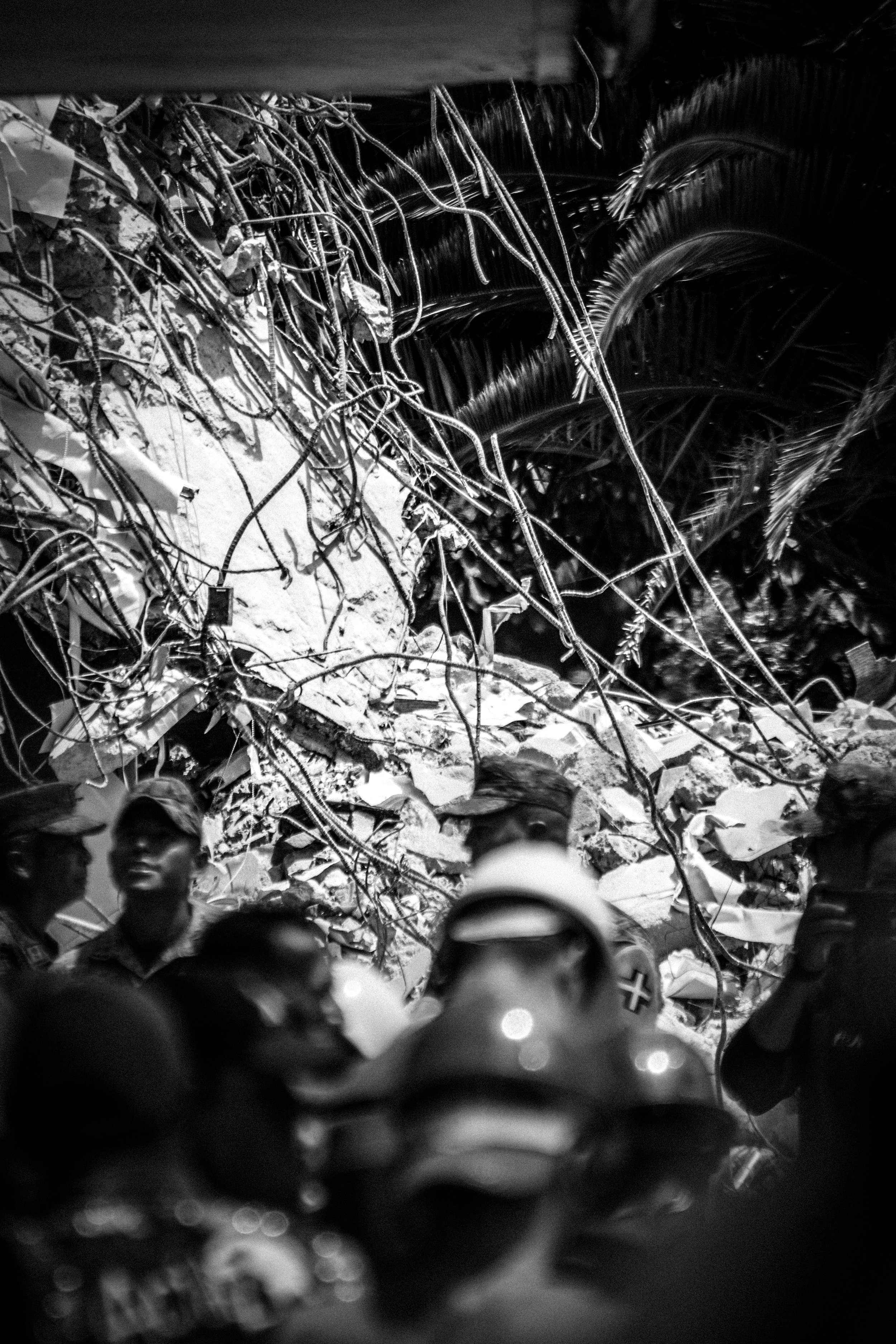
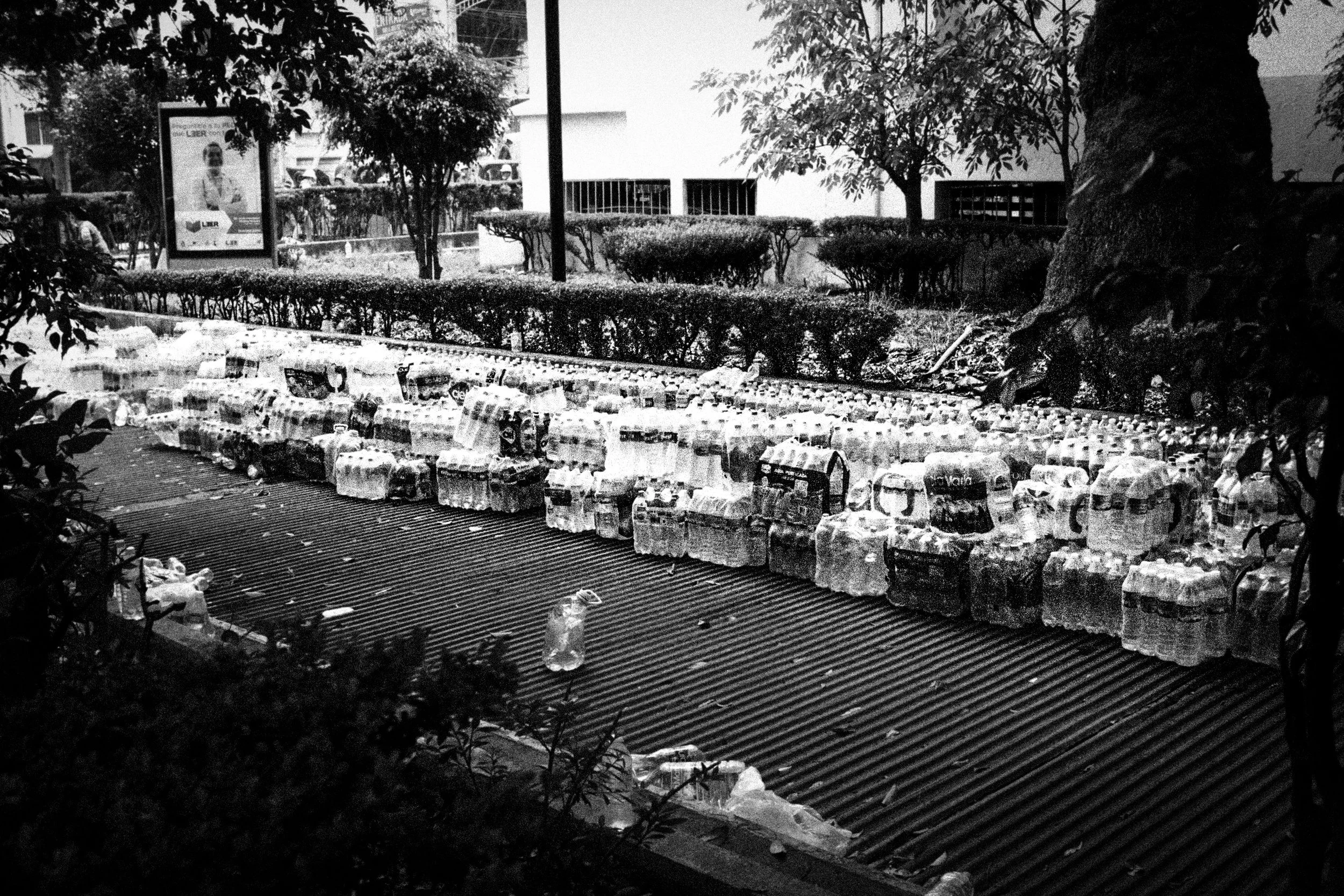
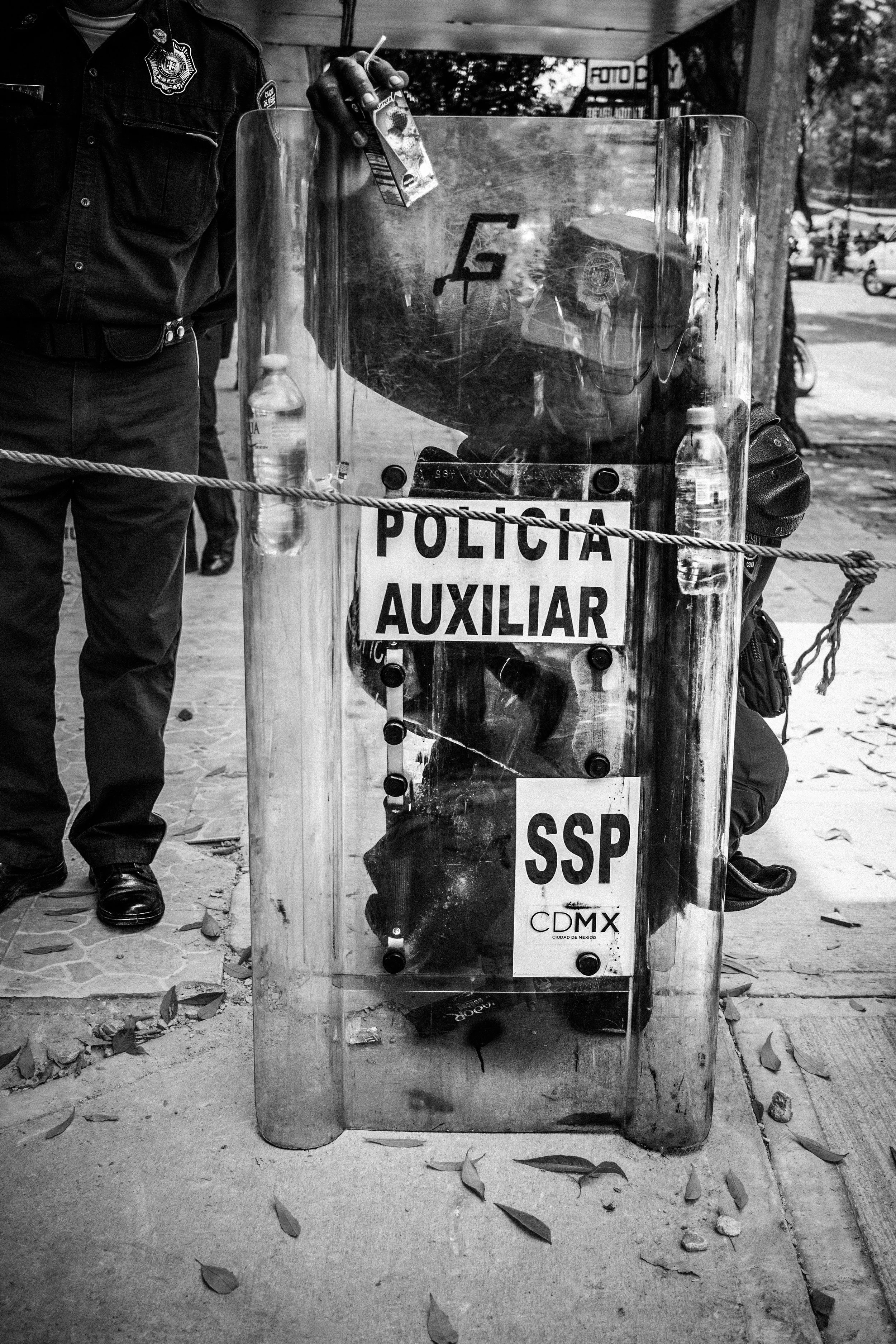
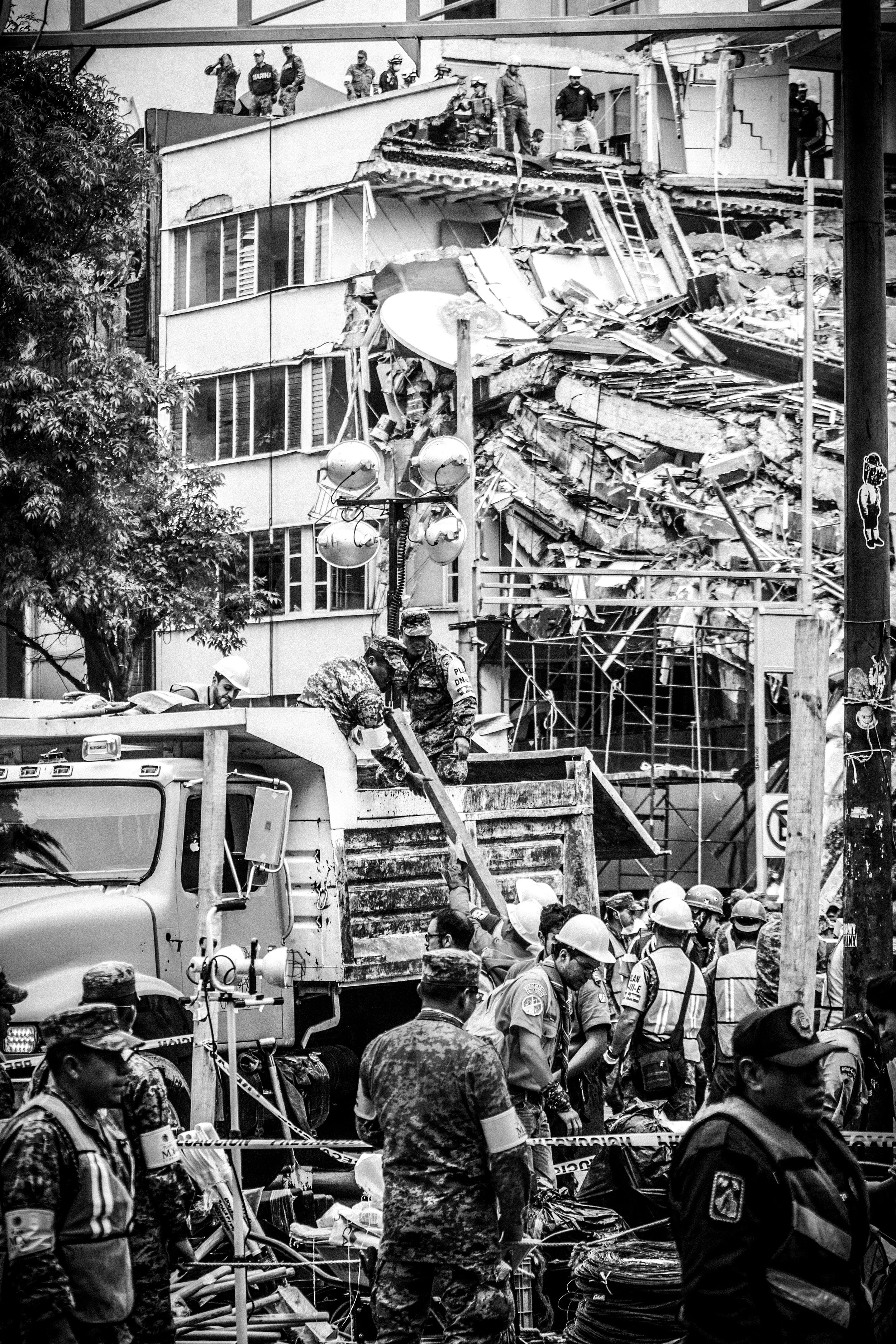
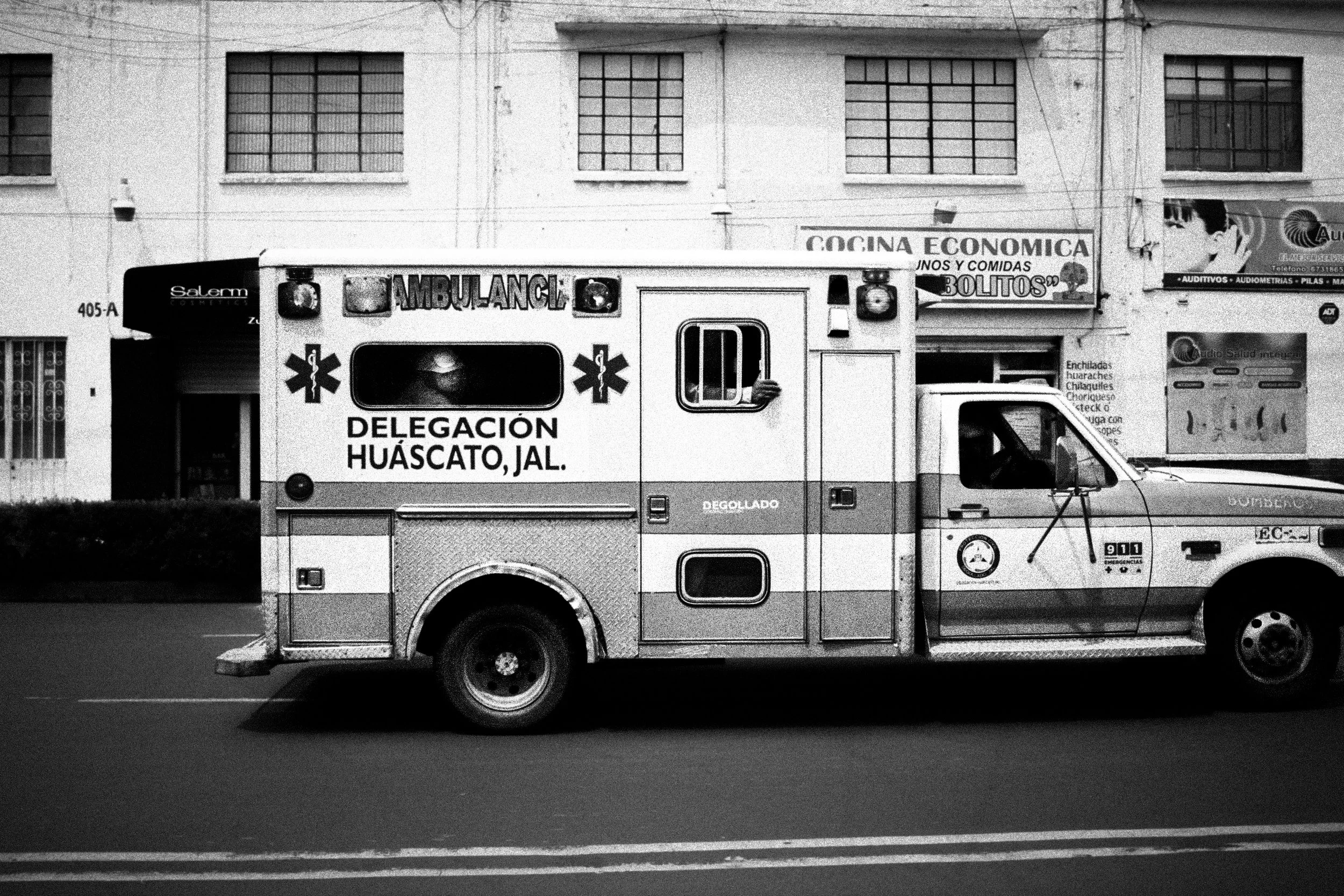
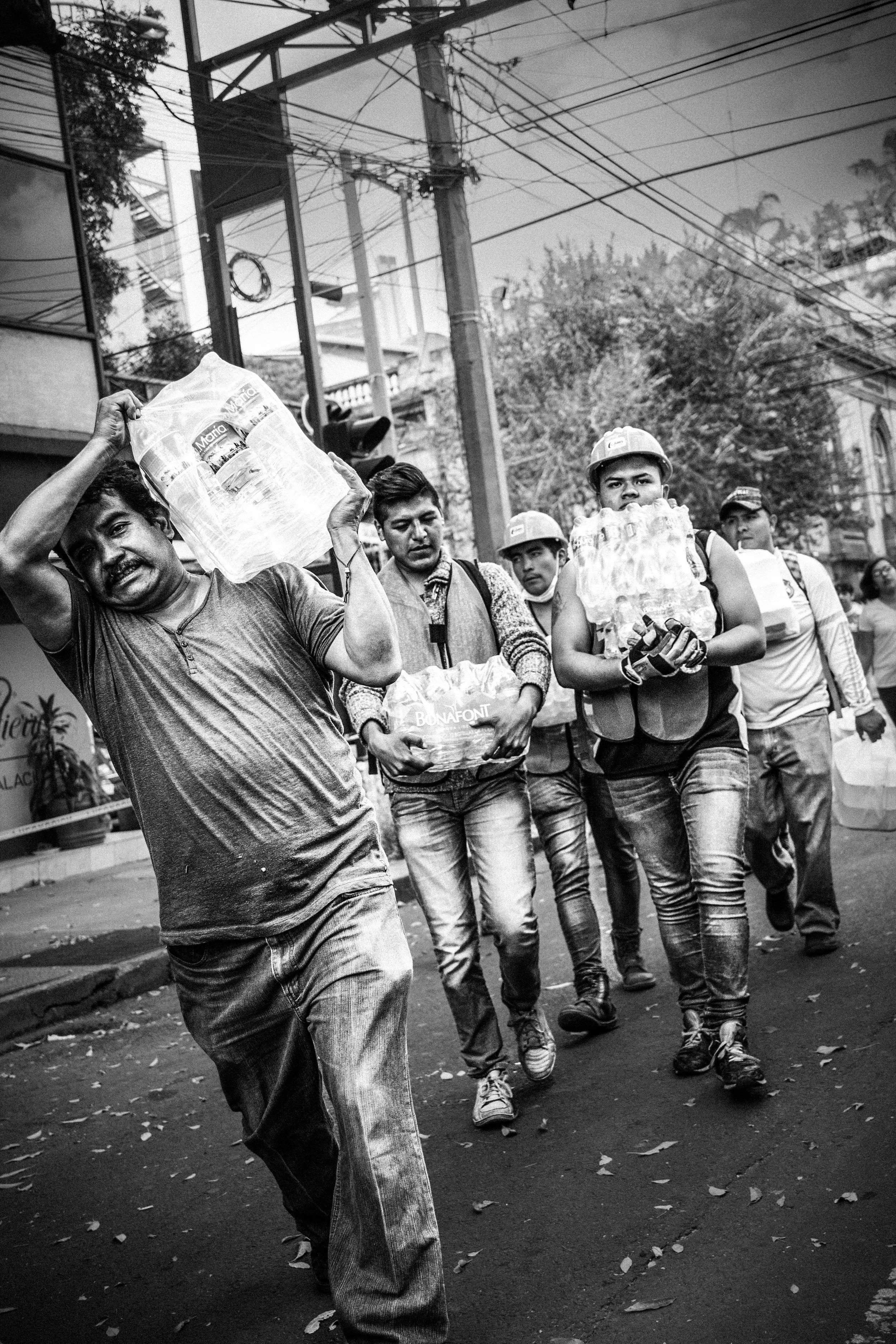
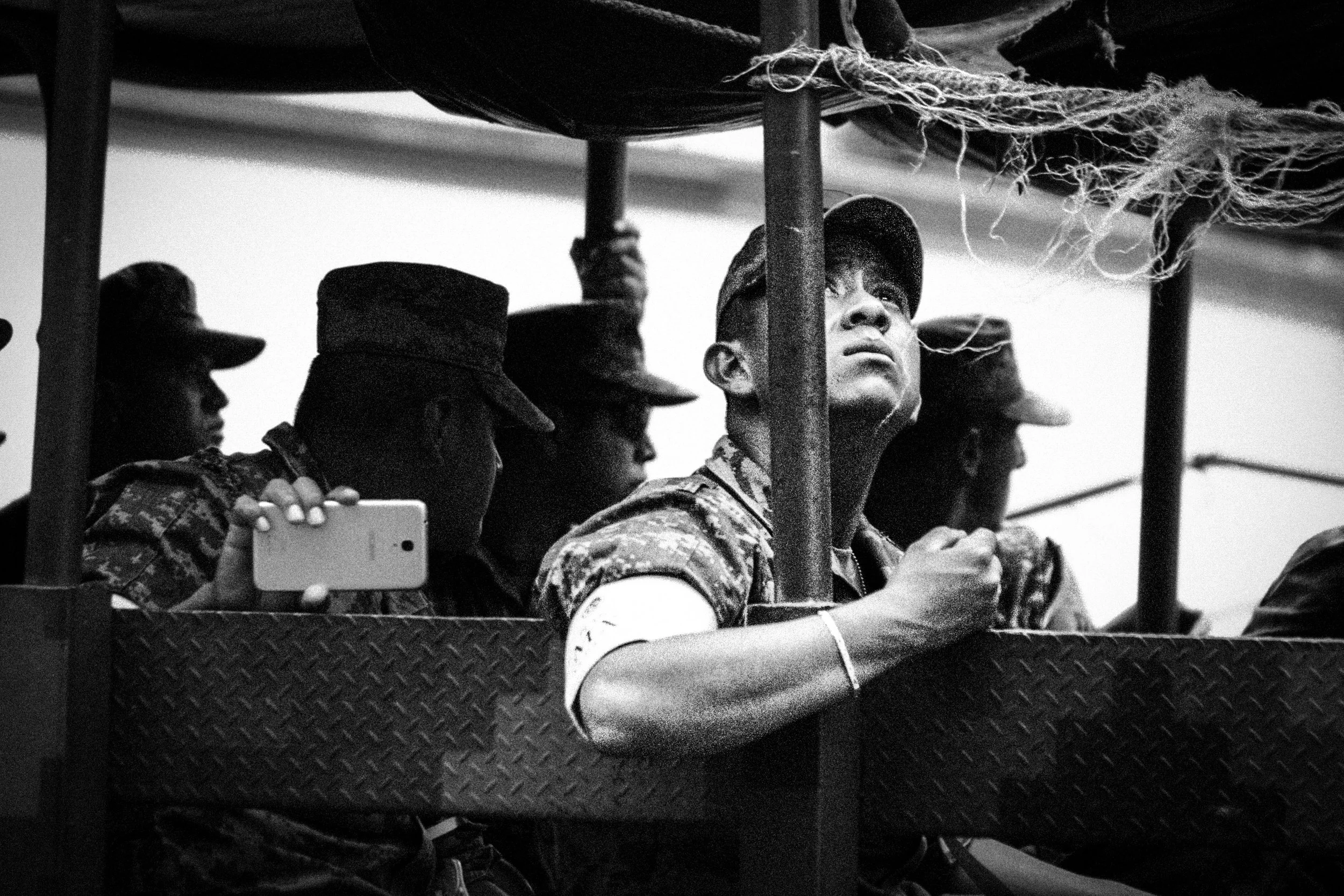
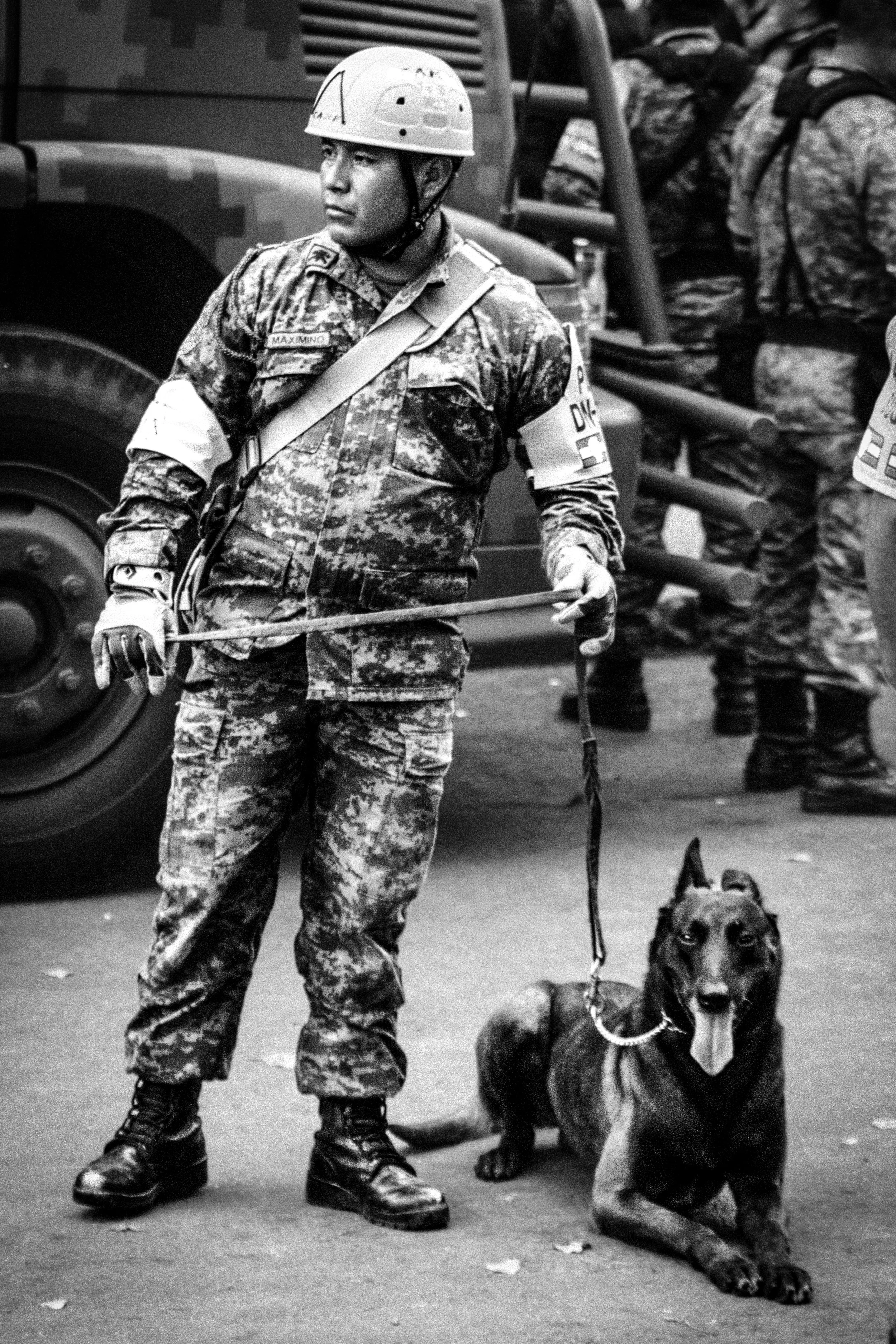
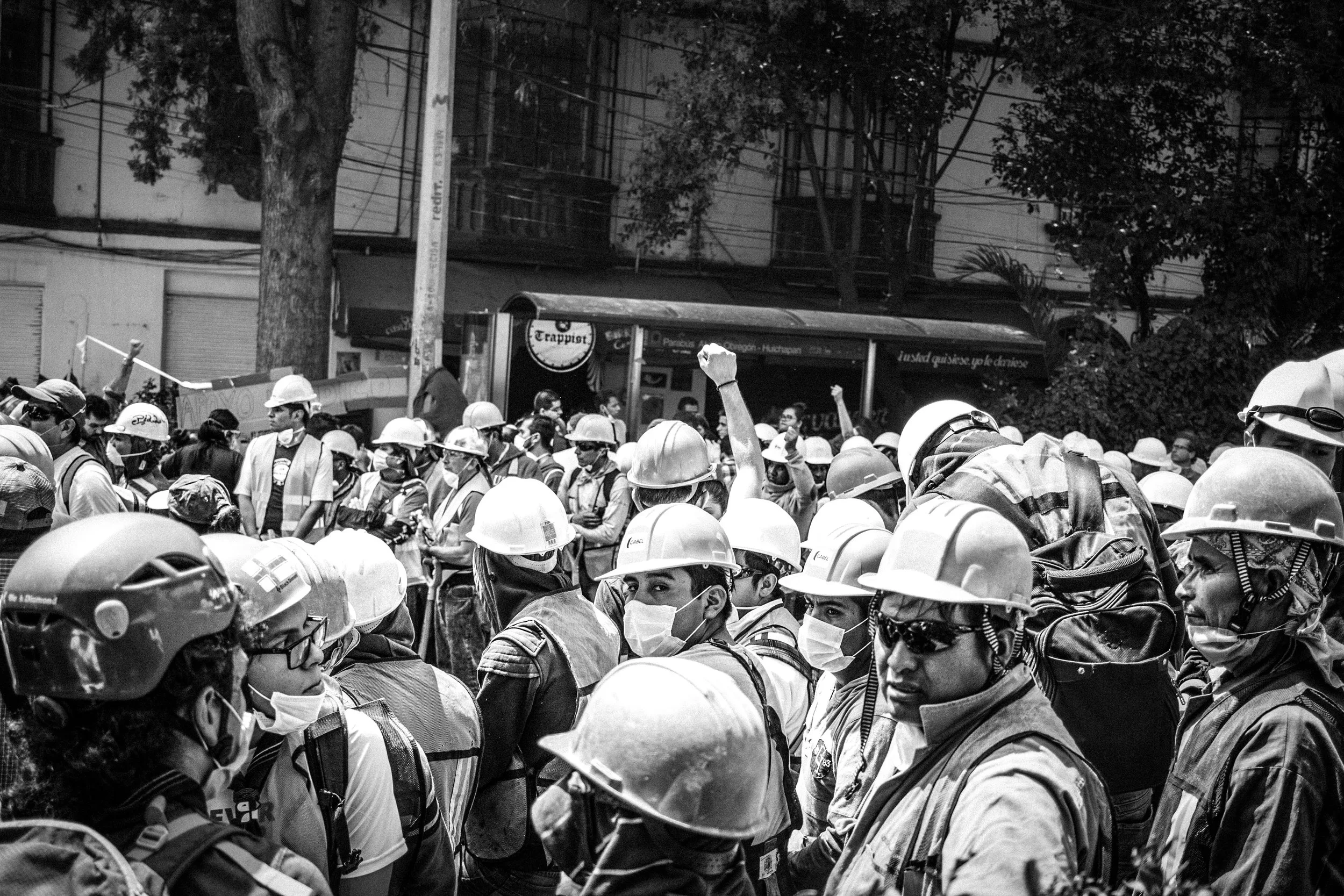
The earthquake in Mexico City was the most frightening experience of my life; there is nothing like the shaking of the earth to rouse every cell of your mind and body. As I walked the streets after fleeing my apartment, I saw people in tears, horrified not only by what they had just survived but for many by memories of the last time this happened at this magnitude, 32 years prior… to the day. I decided not to take photos. Instead, I decided to absorb this moment into my soul. I knew I was experiencing something very deep and emotional, and I needed to maintain a state of reverence. But the following days, I went out into the streets, expecting to see pure misery on the faces of the people. And, I did see that which cannot be wiped away in a matter of hours or days as one's neighbors lay trapped under mountains of rubble. But what struck my heart and made this dynamic mix of emotions even more complex, were thousands of people in the streets with hard hats, pickaxes, and shovels. Determined people constrained only by the police and the Marines in their attempt to do whatever it took by their own means to rescue their neighbors and loved ones. There were droves of people coming in by truck, motorcycle, and on foot, carrying food, water, and an endless train of supplies for victims and volunteers. And beyond the sadness and heartache, you could sense this rising wave of hope, unity, and pride. The people of Mexico City wanted not only to show themselves that they were proud to be Mexican, but also to show the world what being Mexican truly meant to them: being a true human being, with heart and compassion, and the will to do whatever it takes to help those in need. And for many if not most, this was the first time in their lives they had the opportunity to really surpass the stereotypes and redefine who they are as a people. Solidarity, resilience, loyalty, and love was their creed, and nothing was going to stop them from rising to their highest selves and serving their community and nation, not their own government, not international politics or propaganda, not their own physical limitations, not even the Earth. I was honored to capture what I could, of the soul of these proud and honorable people during a time most trying, more trying than many will ever know in their lives.
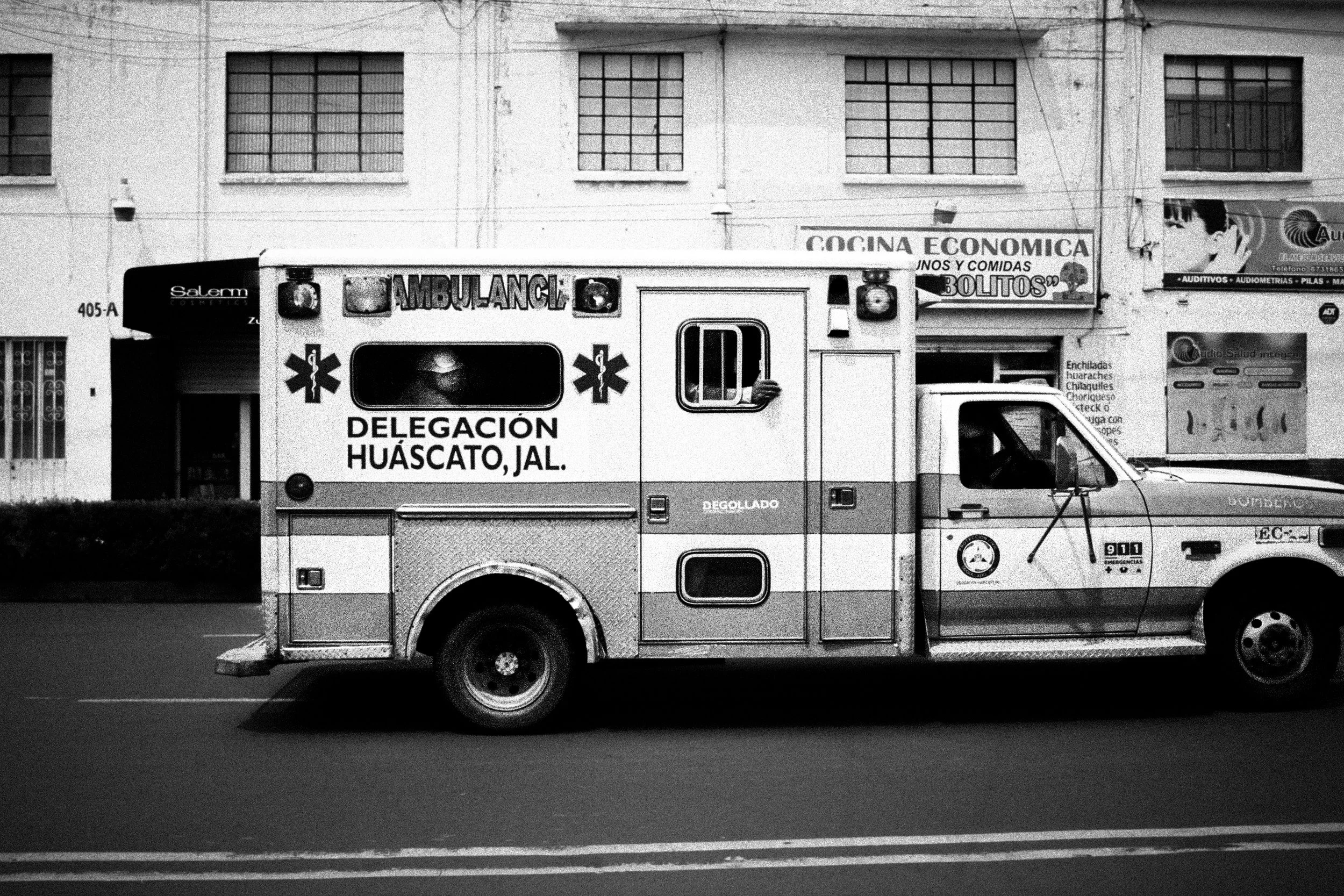
Condesa, 2017
SISMO CDMX
El Terremoto de la Ciudad de México de Septiembre de 2017
El terremoto en la Ciudad de México fue la experiencia más aterradora de mi vida; no hay nada como el temblor de la tierra para despertar cada célula de tu mente y cuerpo. Mientras caminaba por las calles después de huir de mi apartamento, vi a la gente llorando, horrorizada no solo por lo que acababan de sobrevivir, sino también, para muchos, por el recuerdo de la última vez que esto sucedió con esta magnitud, 32 años antes... ese mismo día. Decidí no tomar fotos. En cambio, decidí absorber ese momento en mi alma. Sabía que estaba experimentando algo muy profundo y emotivo, y necesitaba mantener un estado de reverencia. Pero los días siguientes, salí a las calles, esperando ver pura miseria en los rostros de la gente. Y vi lo que no se puede borrar en cuestión de horas o días, mientras los vecinos yacían atrapados bajo montañas de escombros. Pero lo que me conmovió y complicó aún más esta dinámica mezcla de emociones, fueron miles de personas en las calles con cascos, picos y palas. Personas decididas, limitadas únicamente por la policía y la Marina, en su intento de hacer lo que fuera necesario por sus propios medios para rescatar a sus vecinos y seres queridos. Había multitudes de personas que llegaban en camiones, motocicletas y a pie, cargando comida, agua y un sinfín de suministros para las víctimas y los voluntarios. Y más allá de la tristeza y el dolor, se podía sentir esta creciente ola de esperanza, unidad y orgullo. Los habitantes de la Ciudad de México no solo querían demostrar que estaban orgullosos de ser mexicanos, sino también mostrarle al mundo lo que realmente significaba ser mexicano para ellos: ser un verdadero ser humano, con corazón y compasión, y la voluntad de hacer lo que sea necesario para ayudar a los necesitados. Y para muchos, si no para la mayoría, esta fue la primera vez en sus vidas que tuvieron la oportunidad de realmente superar los estereotipos y redefinir quiénes son como pueblo. La solidaridad, la resiliencia, la lealtad y el amor eran su credo, y nada les impediría alcanzar su máximo potencial y servir a su comunidad y nación, no a su propio gobierno, ni a la política internacional ni a la propaganda, ni a sus propias limitaciones físicas, ni siquiera a la Tierra. Fue un honor para mí capturar lo que pude del alma de estas personas orgullosas y honorables durante un momento muy difícil, más difícil de lo que muchos conocerán jamás en sus vidas.
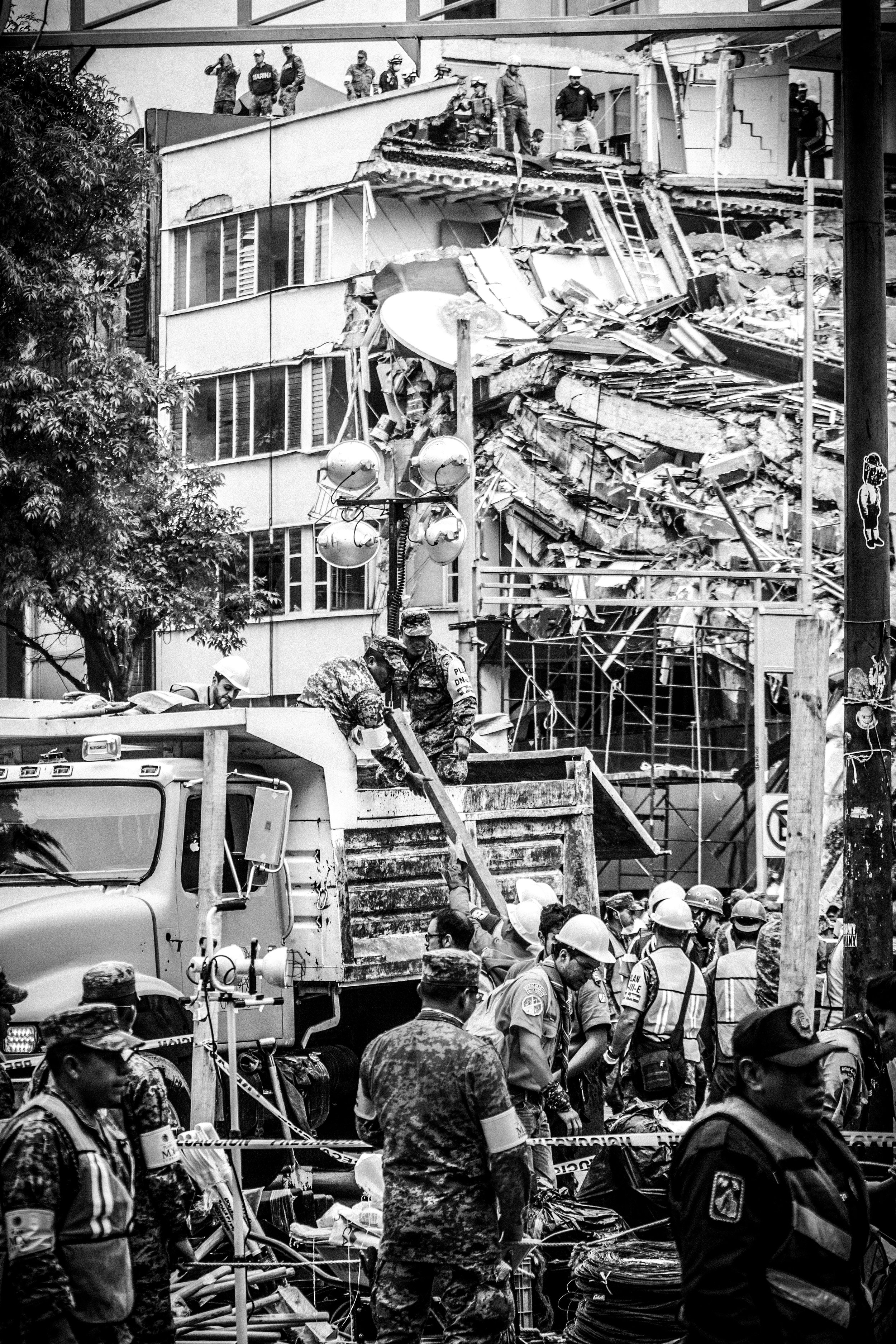
Roma Norte, 2017
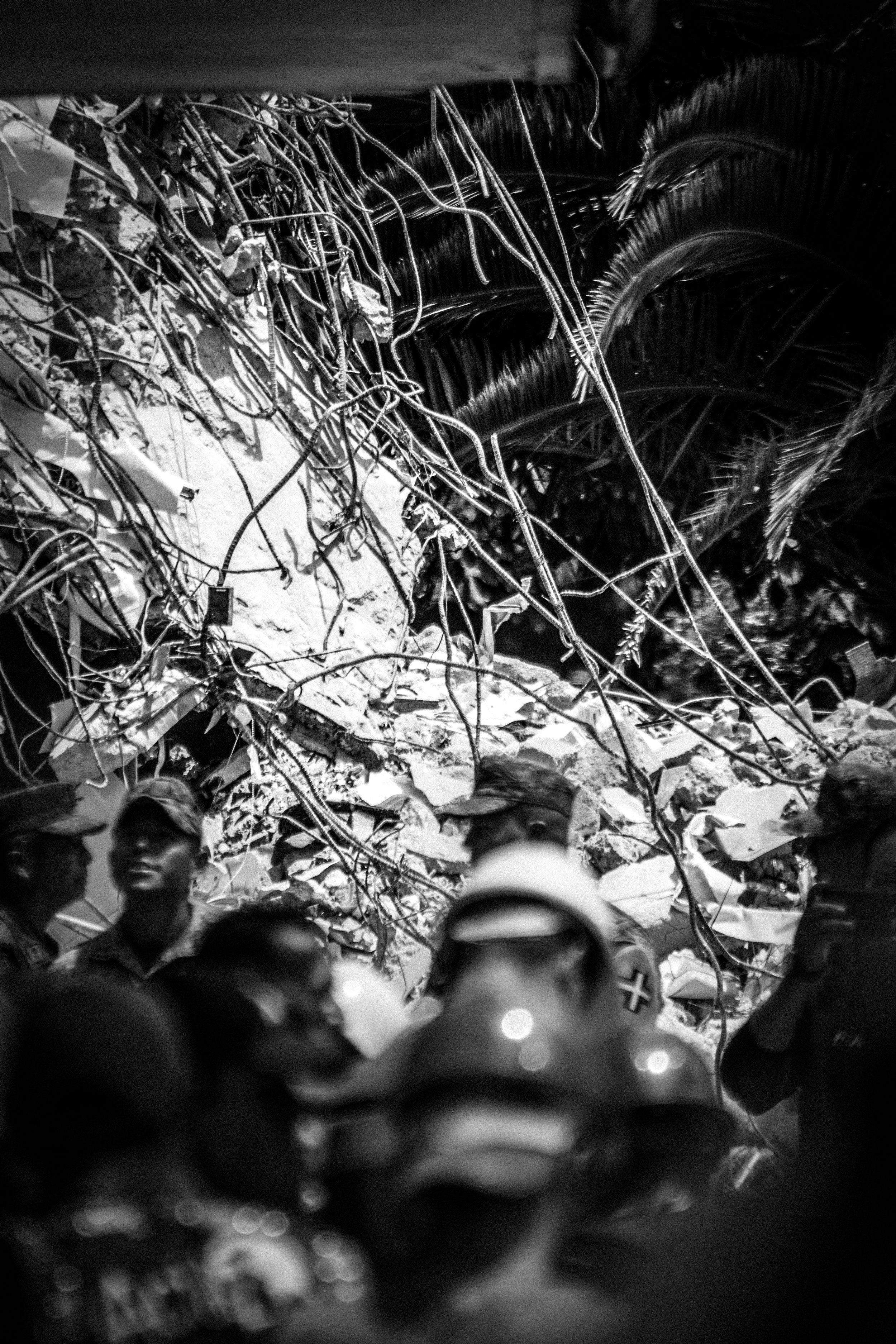
Roma Norte, 2017
Guardian News
Who died and who survived the collapse remains unknown, and authorities have failed to produce a list of the companies and workers operating in the building, fueling speculation that the building housed clandestine sweatshops staffed by undocumented migrants.
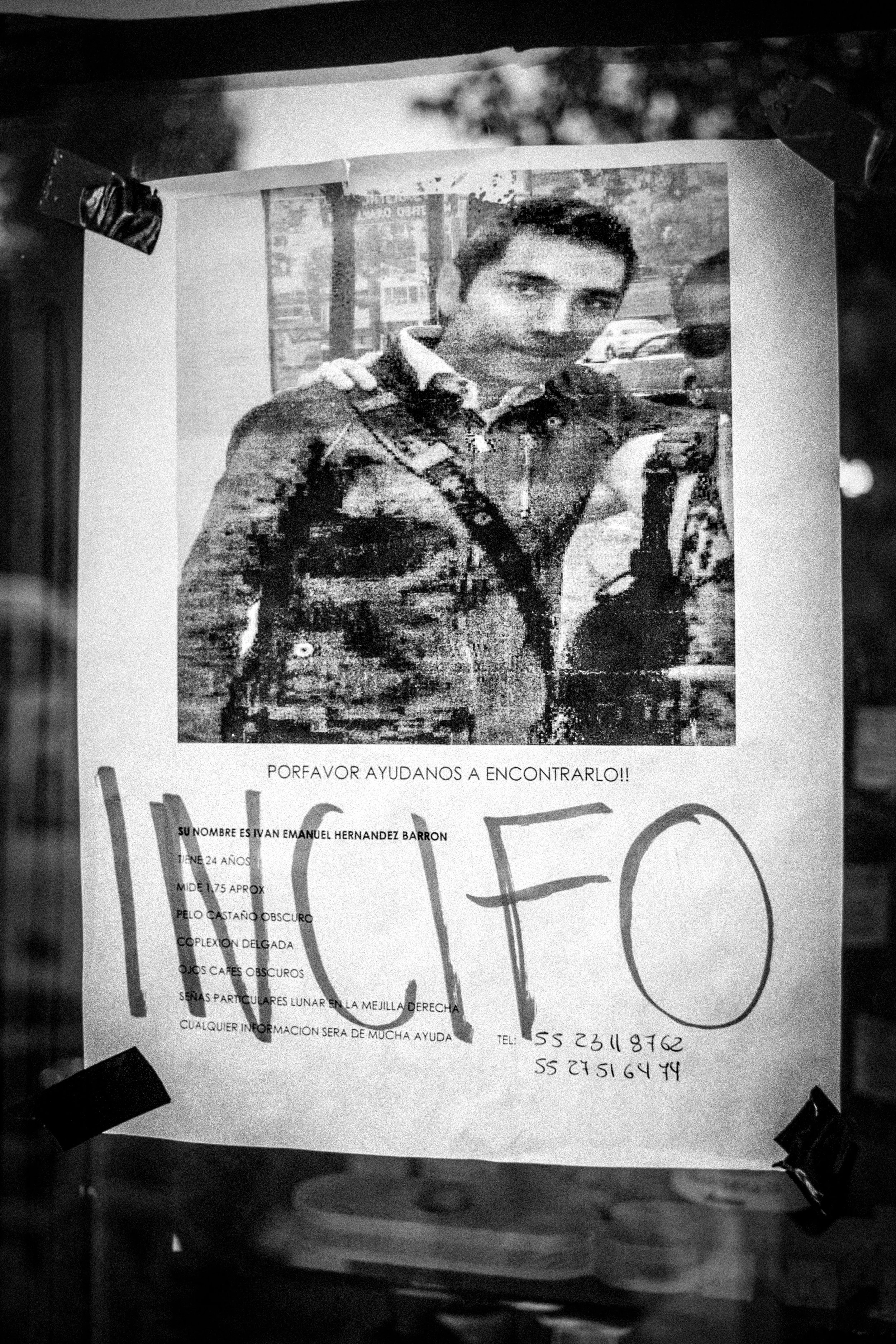
And with no official missing persons register, fears are mounting that many earthquake victims will go unidentified and unclaimed, especially if they came from abroad or belonged to the capital's invisible army of informal workers who clean houses, cook street food, polish shoes, and guard buildings.
In Mexico City, 6 out of every 10 workers are employed in precarious, unregulated jobs characterized by poor conditions and negligible rights.
In the days immediately after the earthquake, Mexican authorities were repeatedly accused of attempting to clear away the rubble before rescue groups had exhausted their search for survivors.
During the recovery efforts, Mexico witnessed an outpouring of civic sentiment, with legions of volunteers spontaneously organizing themselves to help with rescue efforts and tend to survivors.
But the country's rigid class divisions were also on show. The Mexico City daily El Universal ran a photo spread in its social pages highlighting the socialites and celebrities who joined in the clean-up operation.
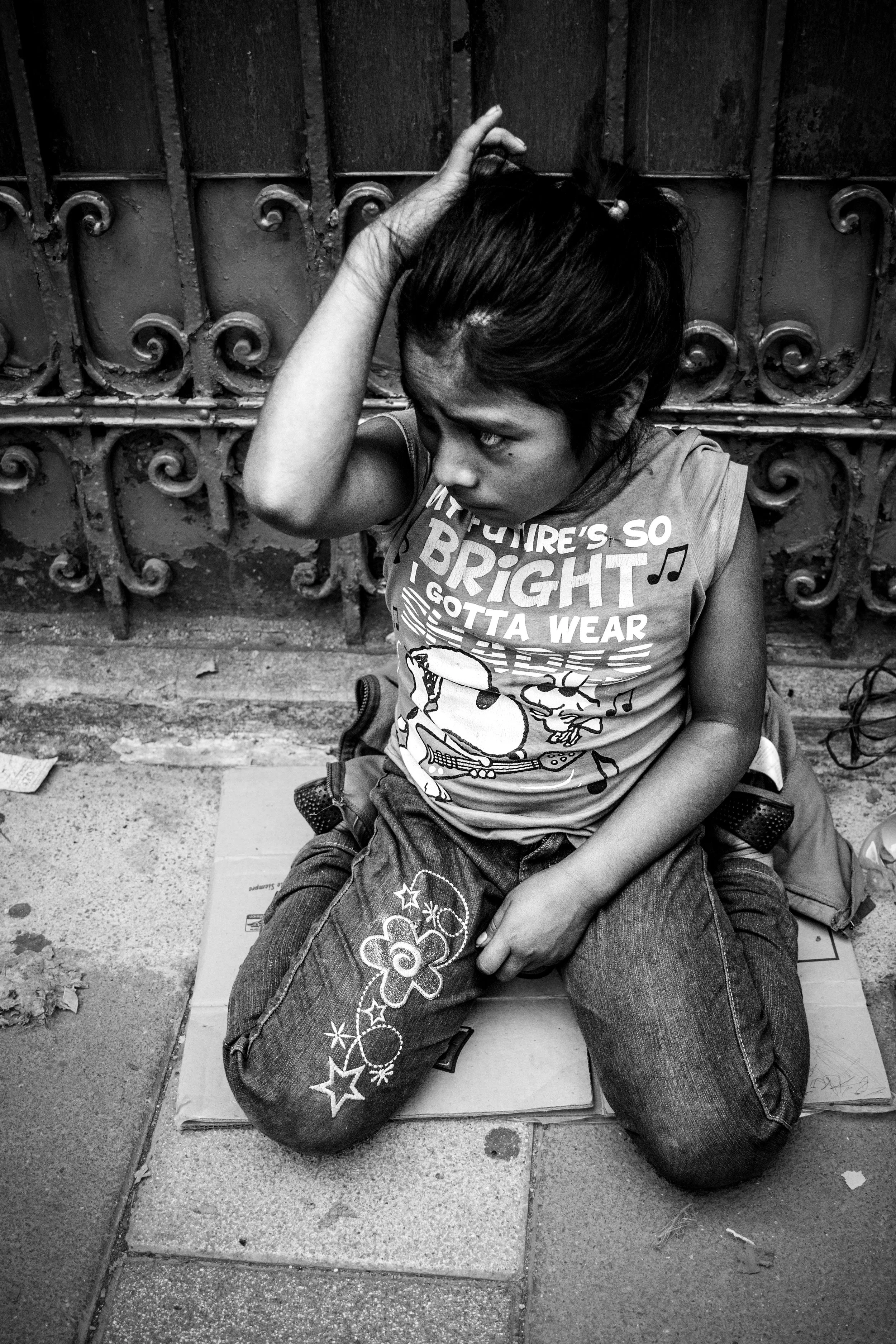
"Domestic workers are invisible: many employers don't know the surname of the person who works in their home, or where she comes from," said Marcelina Bautista, founder of the centre for support and training for domestic workers (CACEH).
Since the quake, some domestic workers have been fired without receiving outstanding pay, according to Bautista.
Of the 250,000 working in the capital, 99 per cent have no formal contract and therefore have little access to benefits such as health care, sick pay, and redundancy compensation.
"With no register of domestic workers, they can easily be ignored. If they didn't exist before, they certainly won't when it comes to compensation."

Noticias del Guardian
Se desconoce quiénes murieron y quiénes sobrevivieron al derrumbe, y las autoridades no han publicado una lista de las empresas y los trabajadores que operaban en el edificio, lo que alimenta la especulación de que albergaba talleres clandestinos de explotación laboral atendidos por migrantes indocumentados.
Y sin un registro oficial de personas desaparecidas, crece el temor de que muchas víctimas del terremoto queden sin identificar ni reclamar, especialmente si provenían del extranjero o pertenecían al ejército invisible de trabajadores informales de la capital que limpian casas, cocinan comida callejera, lustran zapatos y vigilan edificios.
En la Ciudad de México, 6 de cada 10 trabajadores tienen empleos precarios y no regulados, caracterizados por malas condiciones y derechos inexistentes.
En los días posteriores al terremoto, las autoridades mexicanas fueron acusadas repetidamente de intentar retirar los escombros antes de que los equipos de rescate hubieran agotado la búsqueda de sobrevivientes.
Durante las labores de recuperación, México fue testigo de una efusión de sentimiento cívico, con legiones de voluntarios que se organizaron espontáneamente para ayudar en las labores de rescate y atender a los sobrevivientes.
Pero las rígidas divisiones de clase del país también quedaron en evidencia. El diario El Universal de Ciudad de México publicó un reportaje fotográfico en sus redes sociales destacando a las celebridades y figuras públicas que se unieron a la operación de limpieza.
"Las trabajadoras del hogar son invisibles: muchos empleadores desconocen el apellido de la persona que trabaja en su casa ni su origen", declaró Marcelina Bautista, fundadora del Centro de Apoyo y Capacitación para Trabajadoras del Hogar (CACEH).
Desde el terremoto, algunas trabajadoras del hogar han sido despedidas sin recibir el salario pendiente, según Bautista.
De las 250,000 personas que trabajan en la capital, el 99% no tiene contrato formal y, por lo tanto, tiene poco acceso a prestaciones como atención médica, baja por enfermedad e indemnización por despido.
"Sin un registro de trabajadoras del hogar, es fácil ignorarlas. Si no existían antes, sin duda no existirán en cuanto a la compensación".
Roma Norte, 2017
ATLAS / ÁTLĀS
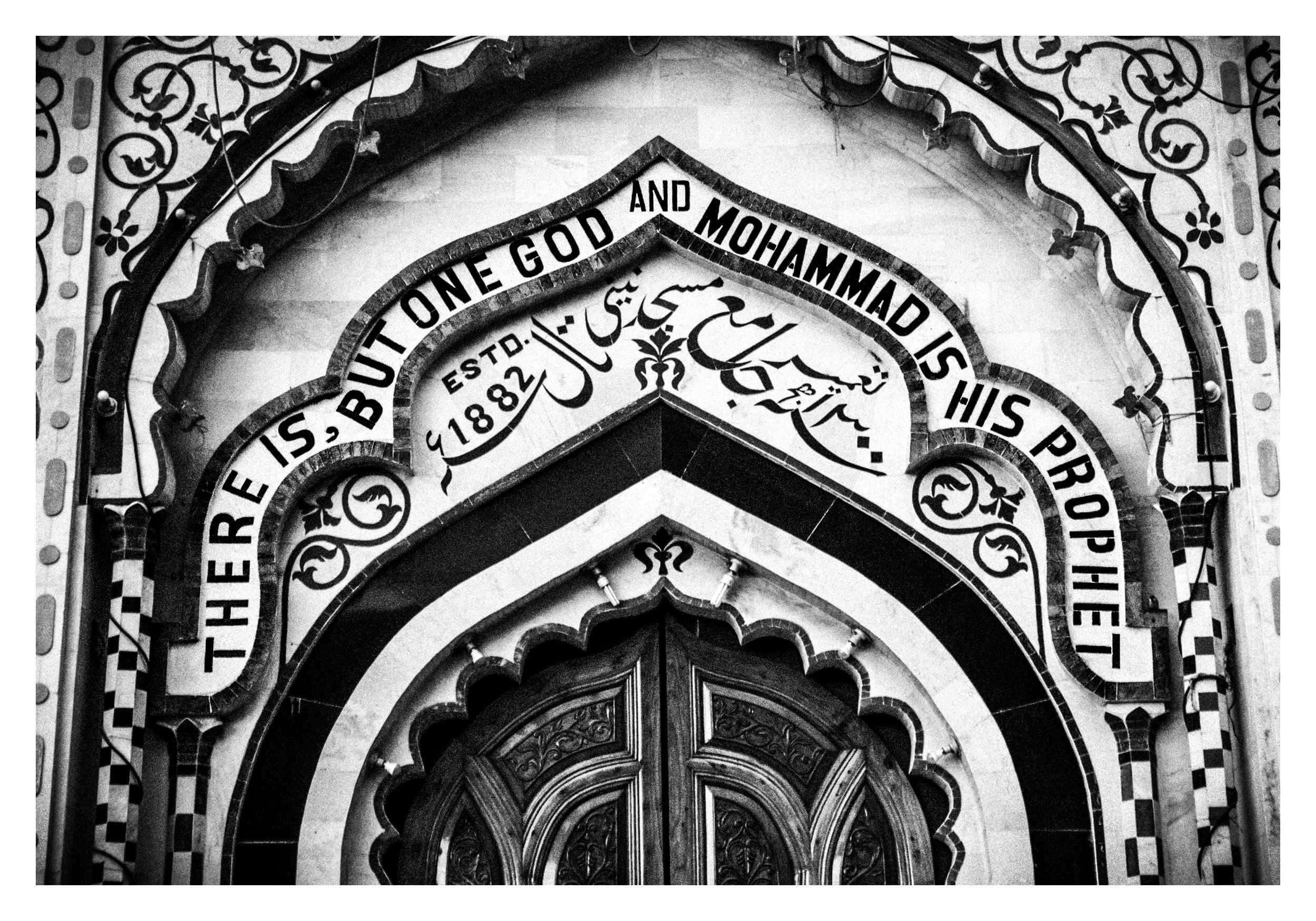
Nainital, 2016
⊕
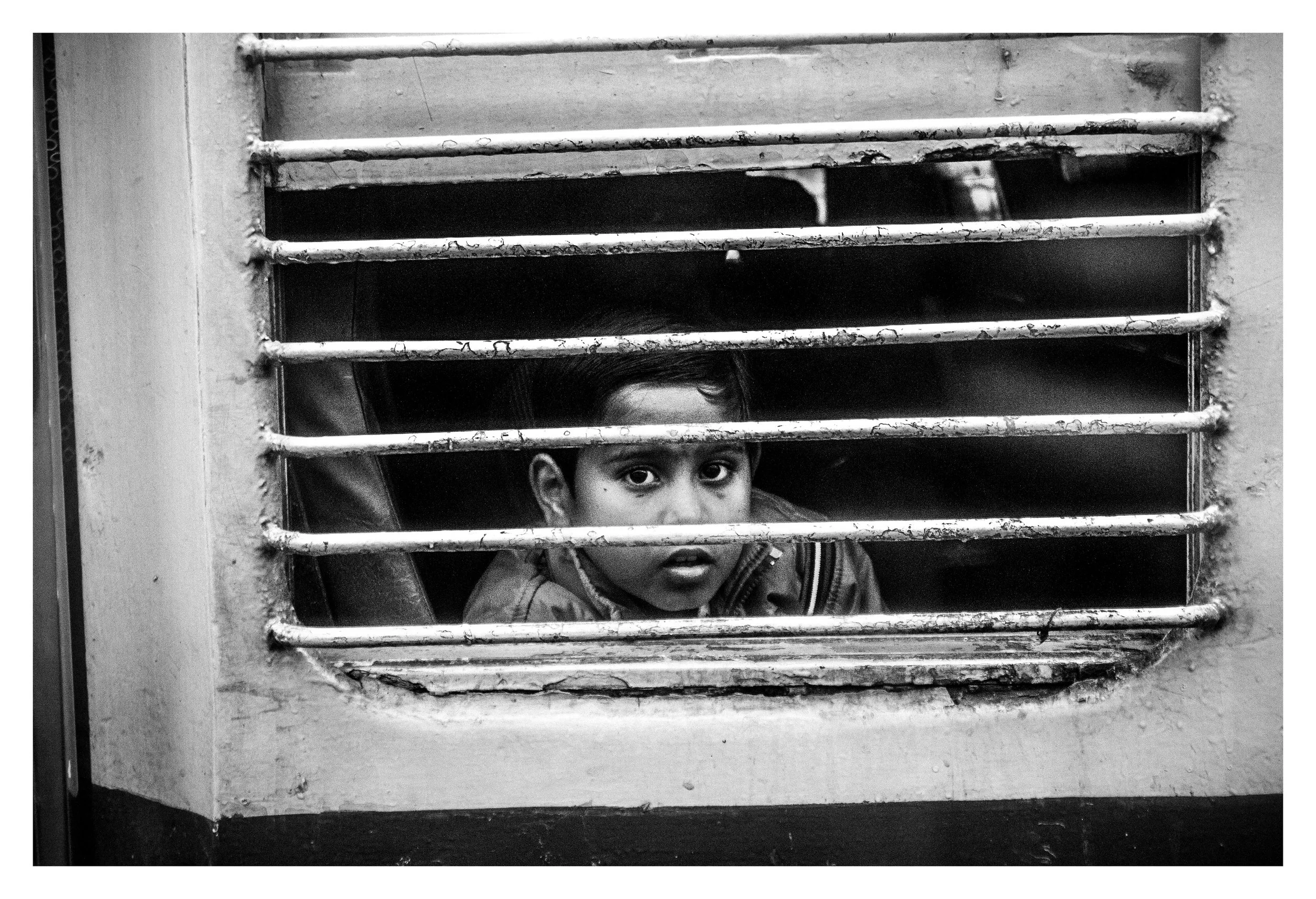
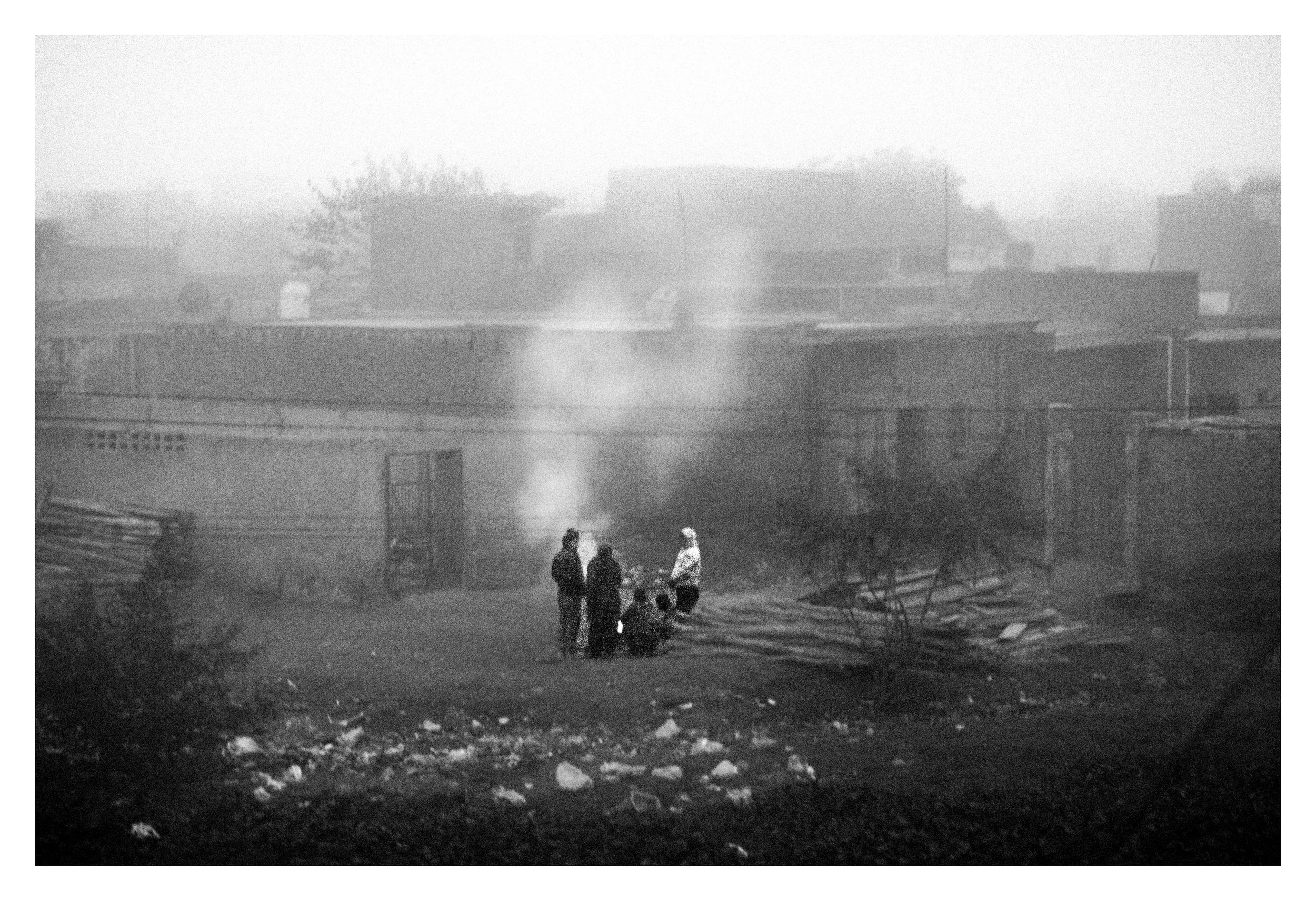
A Fellow Traveler
Across centuries, the intrigue of world cultures has drawn sailors, explorers, artists, journalists, and nomads ever onward, fueled by curiosity and an irrepressible yearning to see beyond the horizon. This restless spirit not only shaped our understanding of distant lands but also revealed a fundamental truth: humanity is woven into a single, interconnected tapestry. In our modern era, globalization and the conservation of cultural identity need not be at odds. When guided by mutual respect, continuous learning, and genuine love for one another’s stories, we can celebrate diversity and honor tradition while building a shared future.
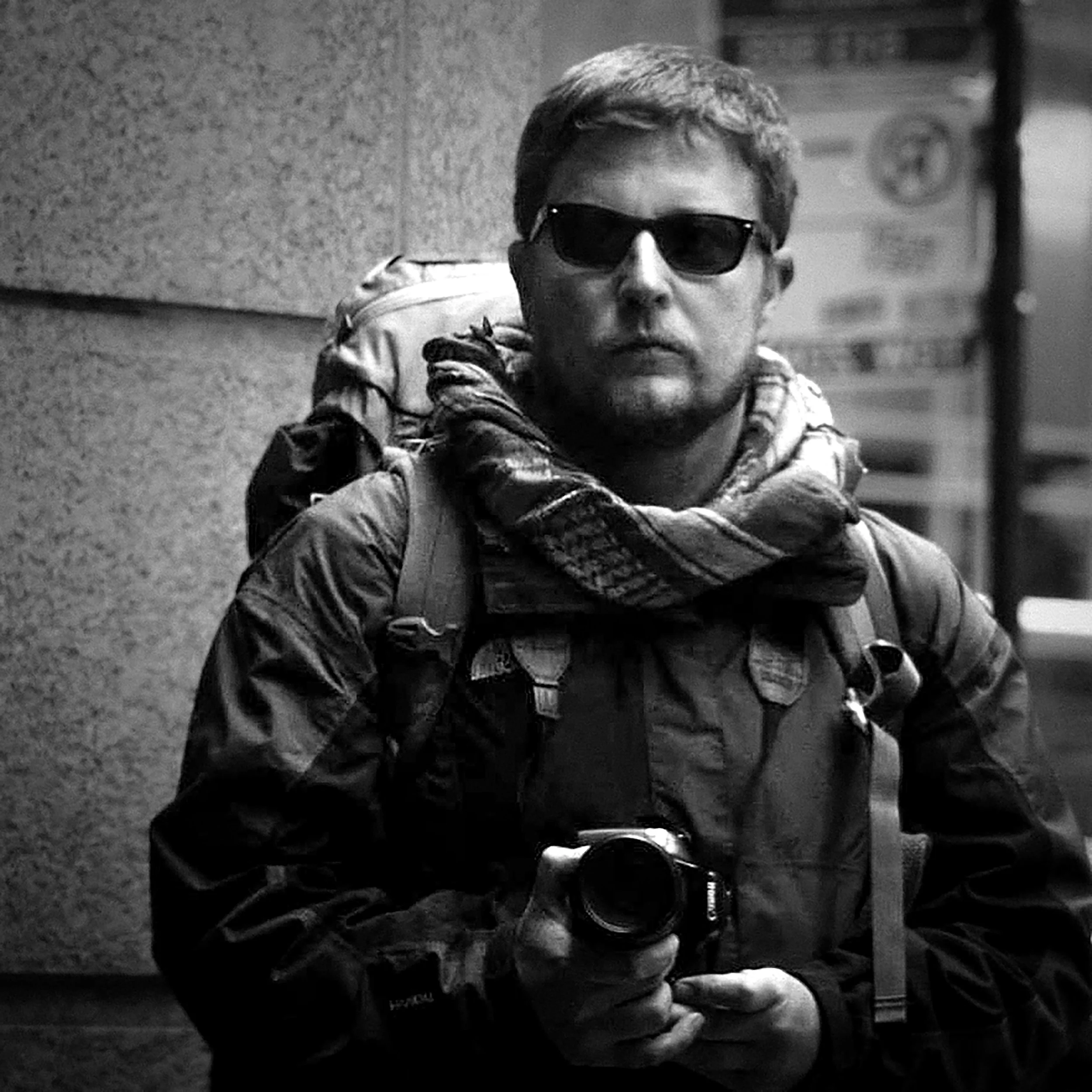
India via Chicago, 2016
⊕
Un Compañero de Viaje
A lo largo de los siglos, la fascinación por las culturas del mundo ha impulsado a marineros, exploradores, artistas, periodistas y nómadas a seguir adelante, movidos por la curiosidad y un anhelo irrefrenable de ver más allá del horizonte. Este espíritu inquieto no solo moldeó nuestra comprensión de tierras lejanas, sino que también reveló una verdad fundamental: la humanidad está entretejida en un único tapiz interconectado. En nuestra era moderna, la globalización y la conservación de la identidad cultural no tienen por qué estar reñidas. Guiados por el respeto mutuo, el aprendizaje continuo y un amor genuino por las historias de los demás, podemos celebrar la diversidad y honrar la tradición mientras construimos un futuro compartido.
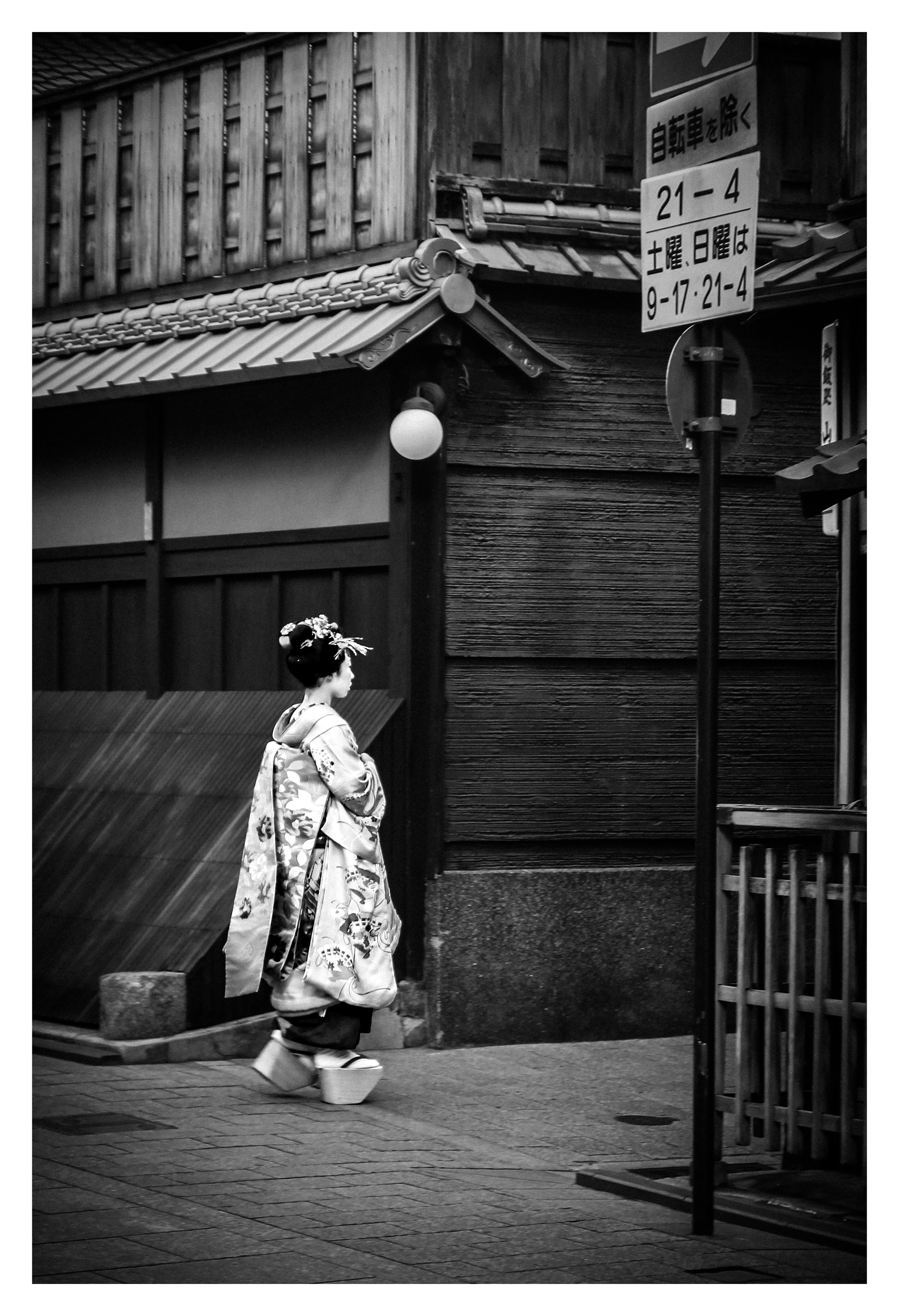
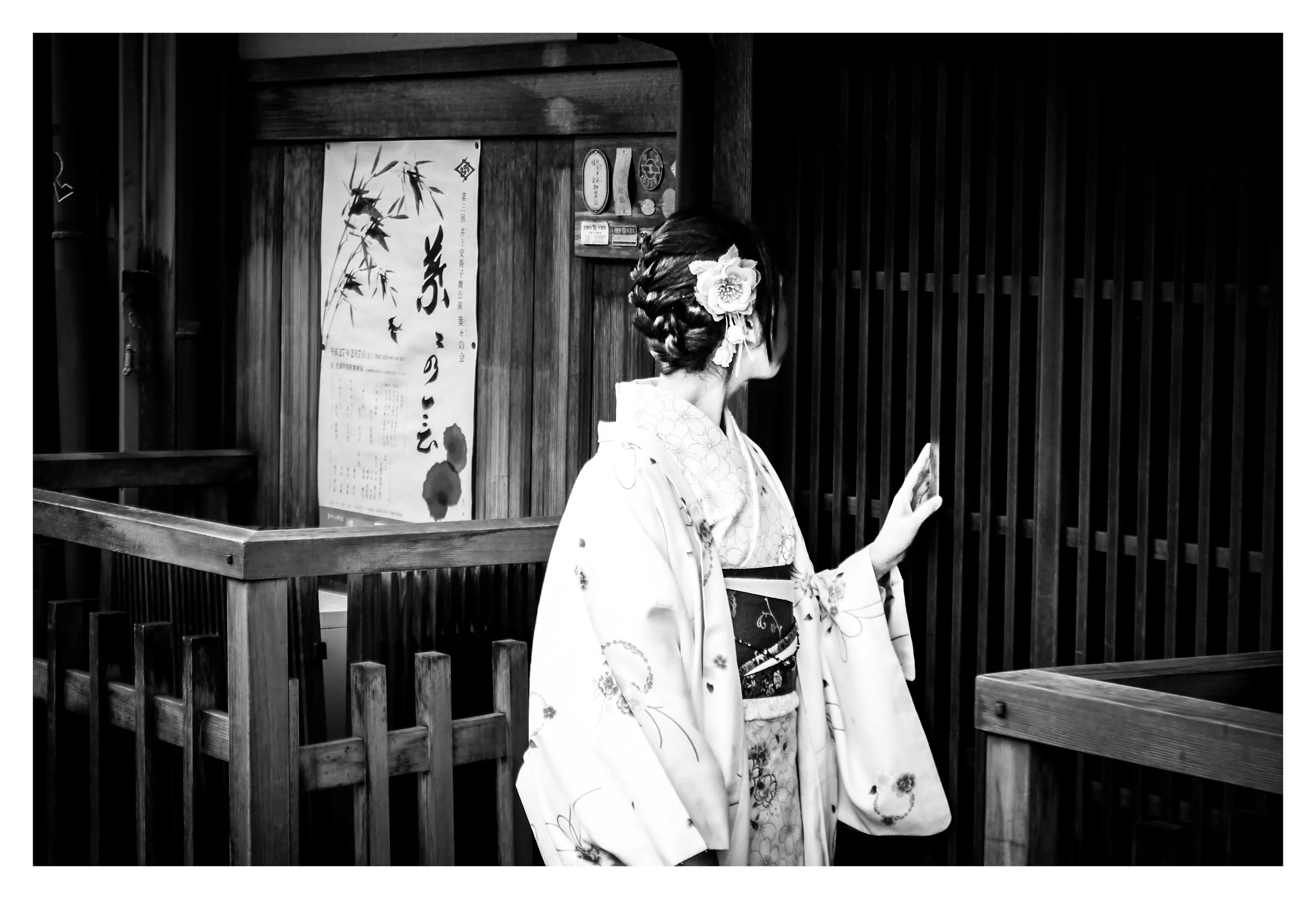
36.2048° N, 138.2529° E
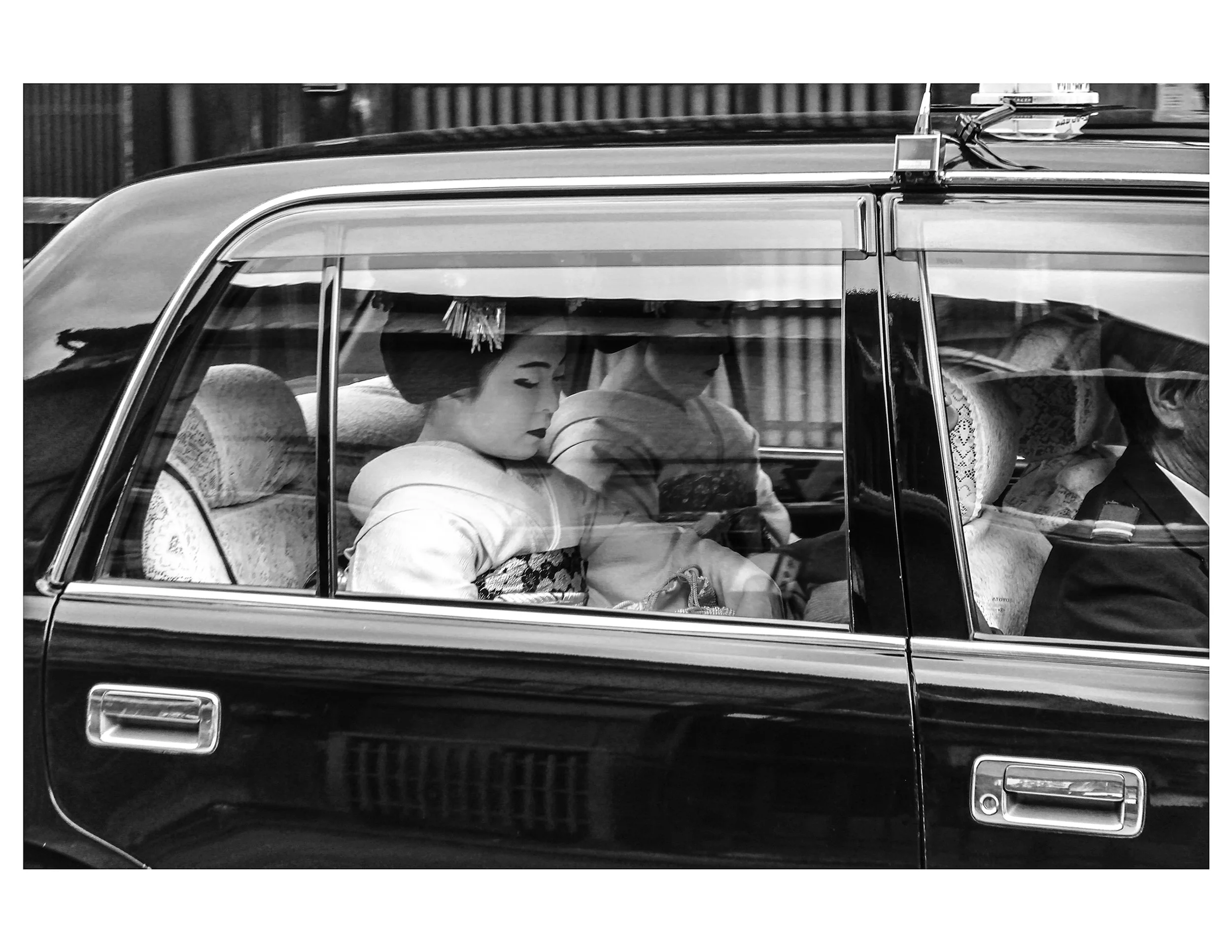
JAPAN
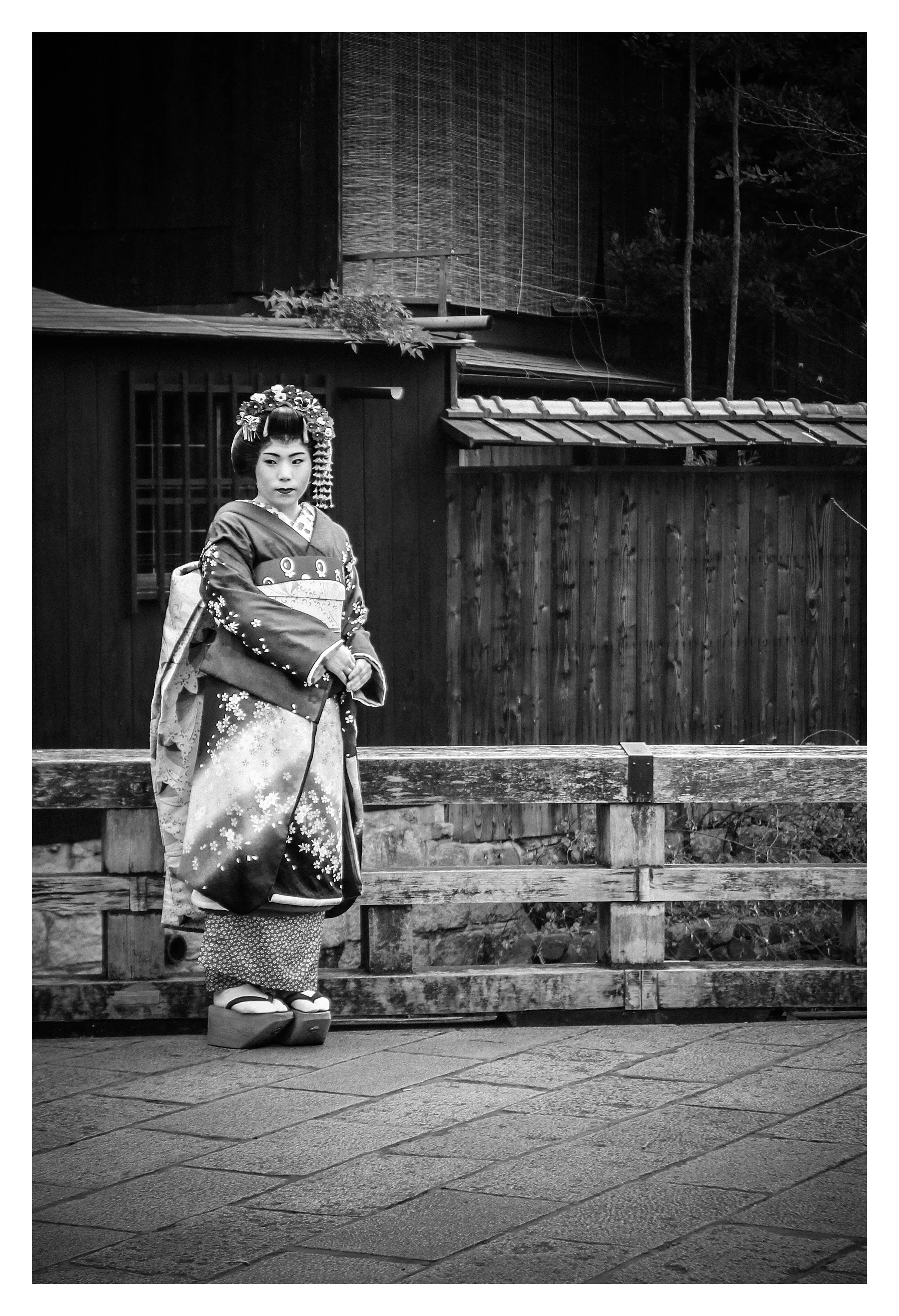
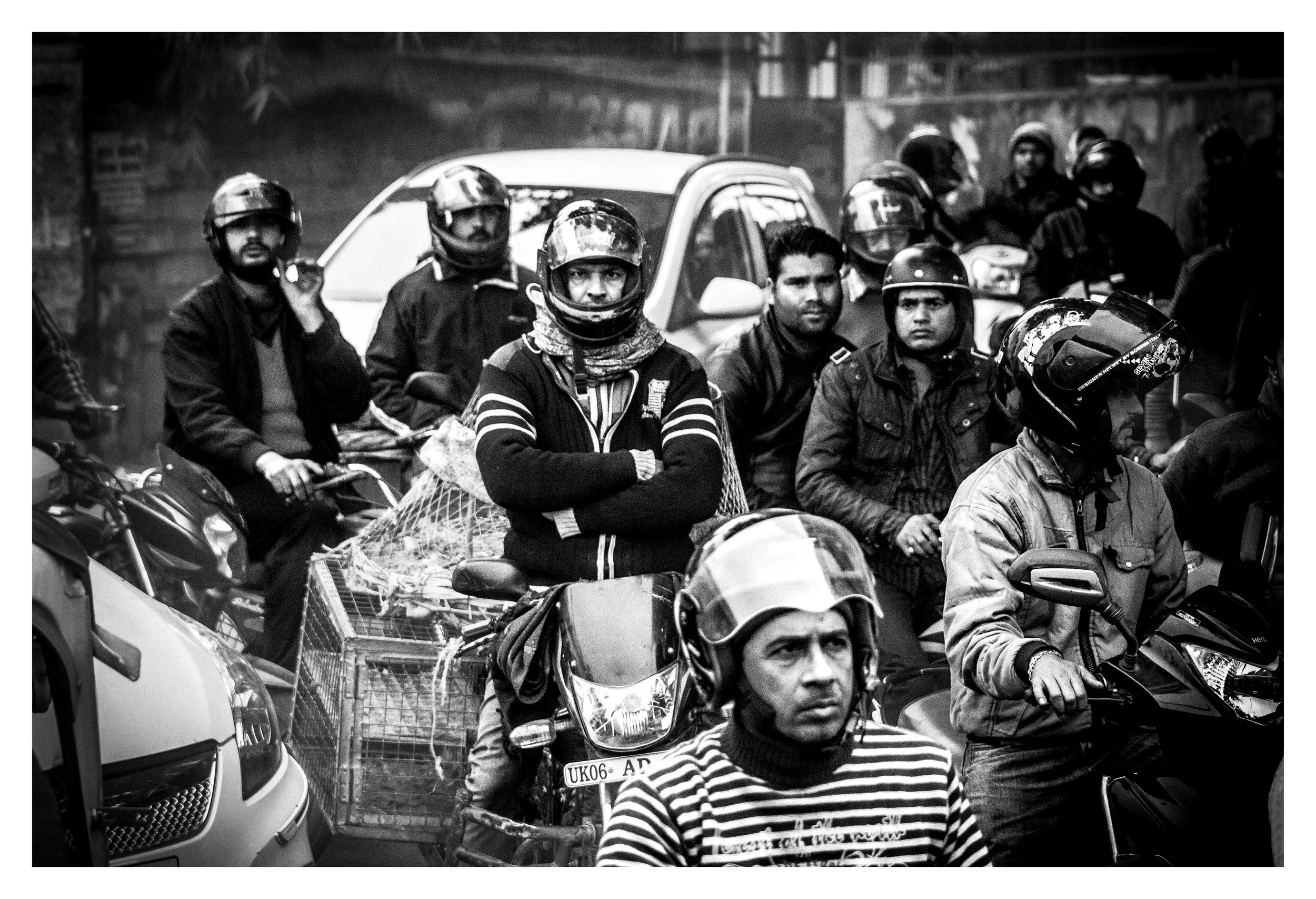
20.5937° N, 78.9629° E
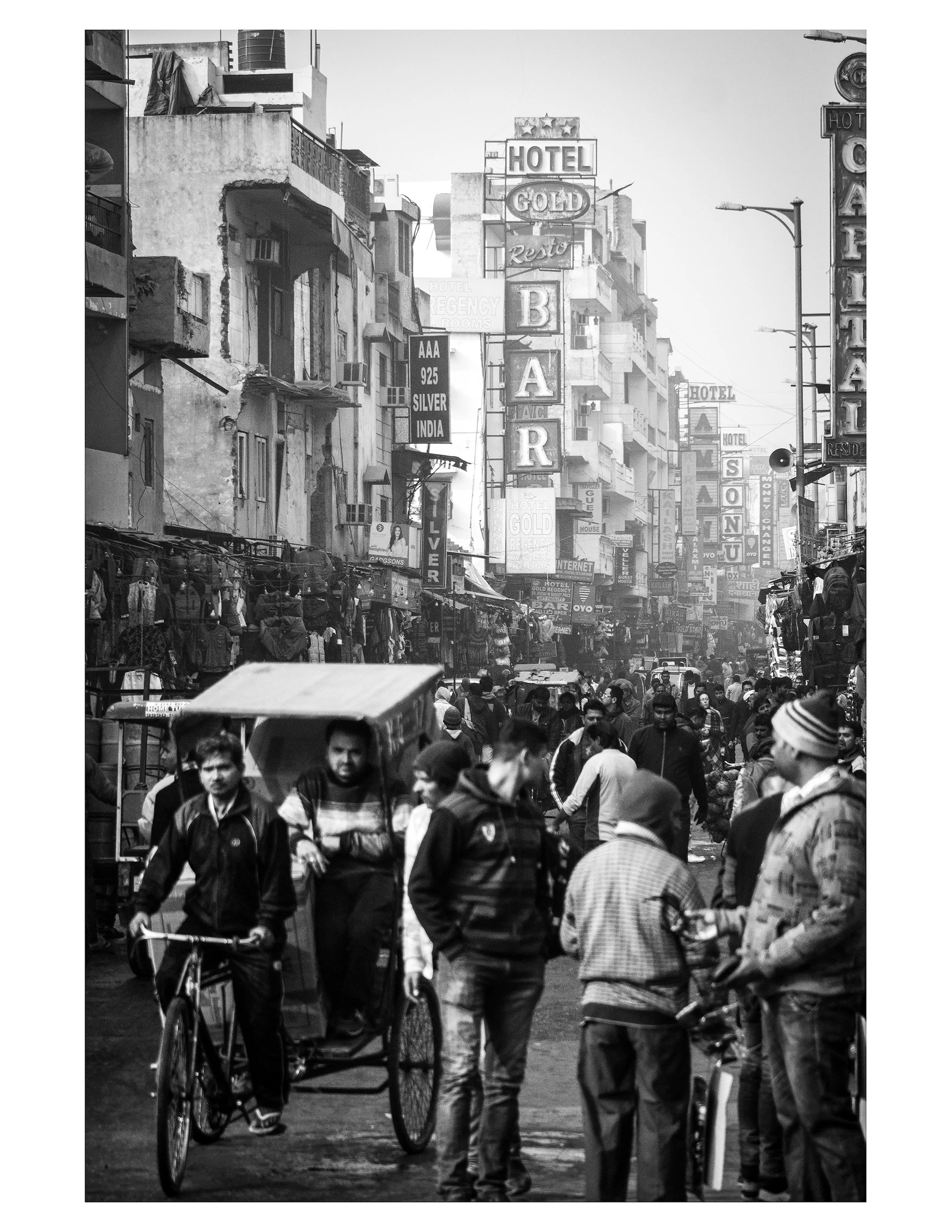
INDIA
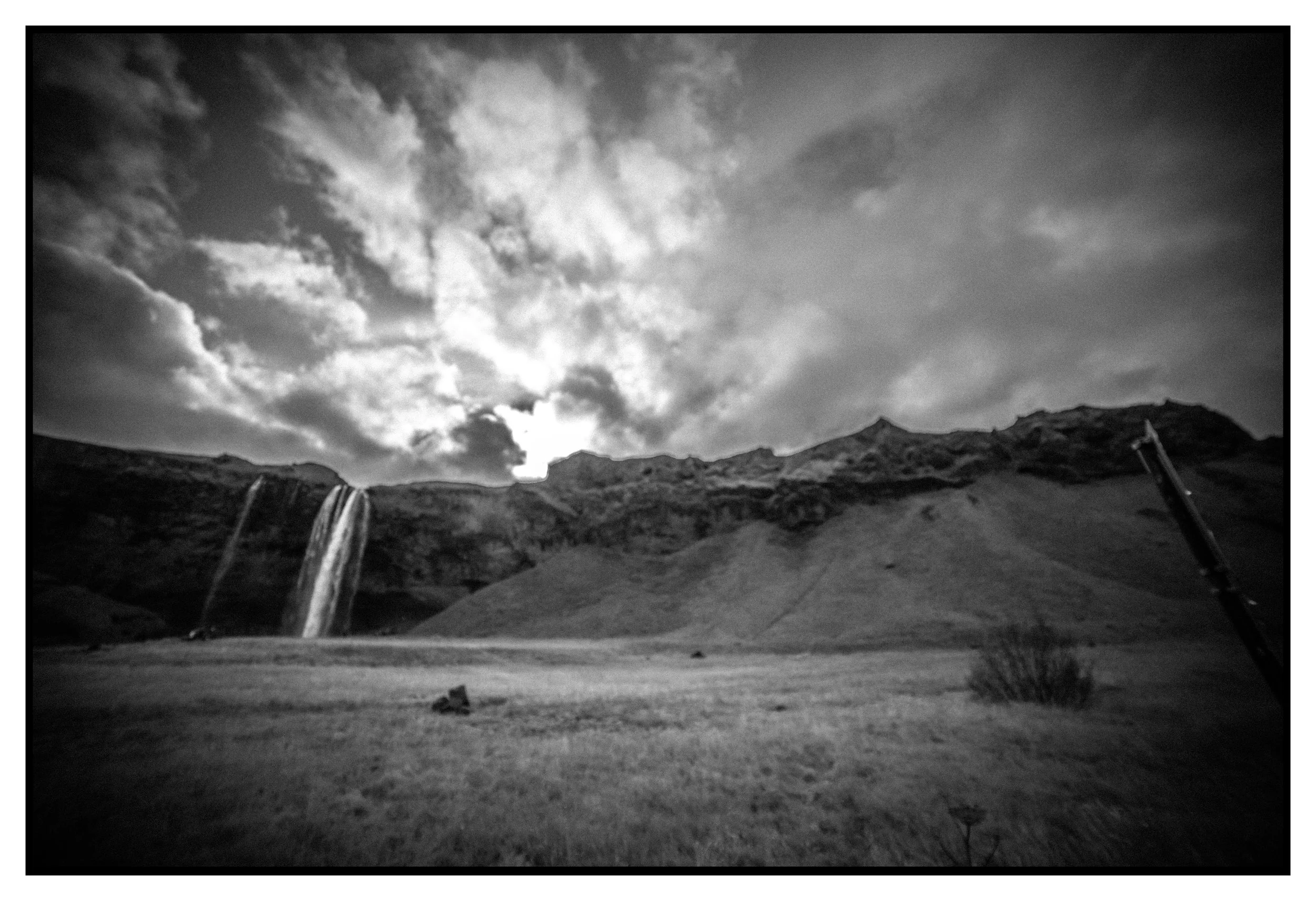
64.9631° N, 19.0208° W
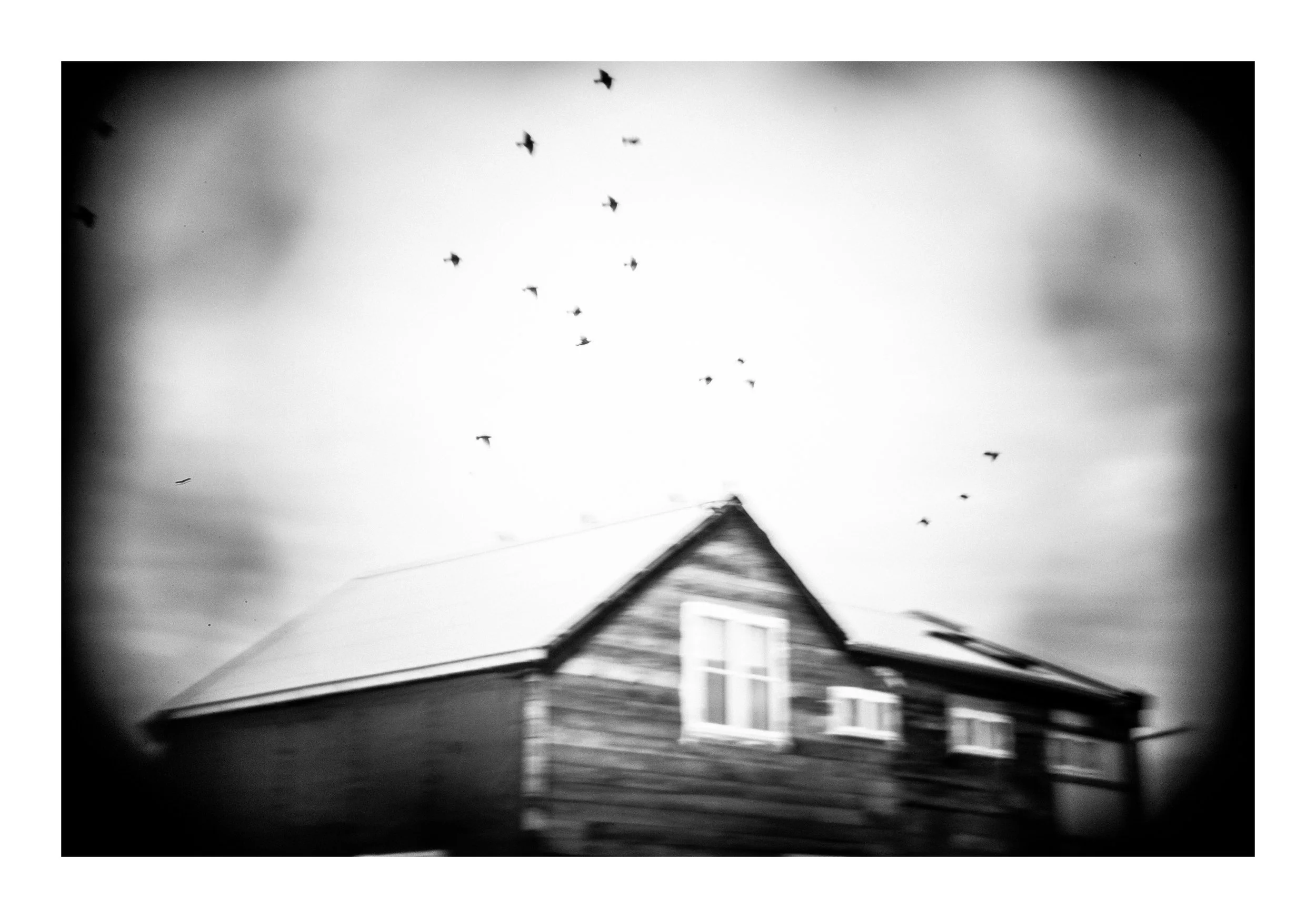
ICELAND
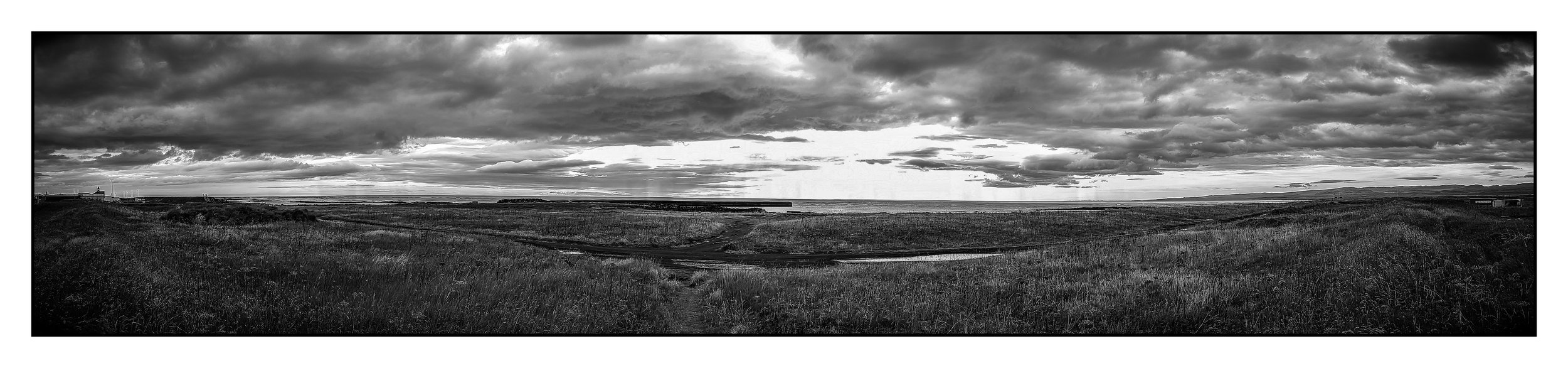
15.8700° N, 100.9925° E
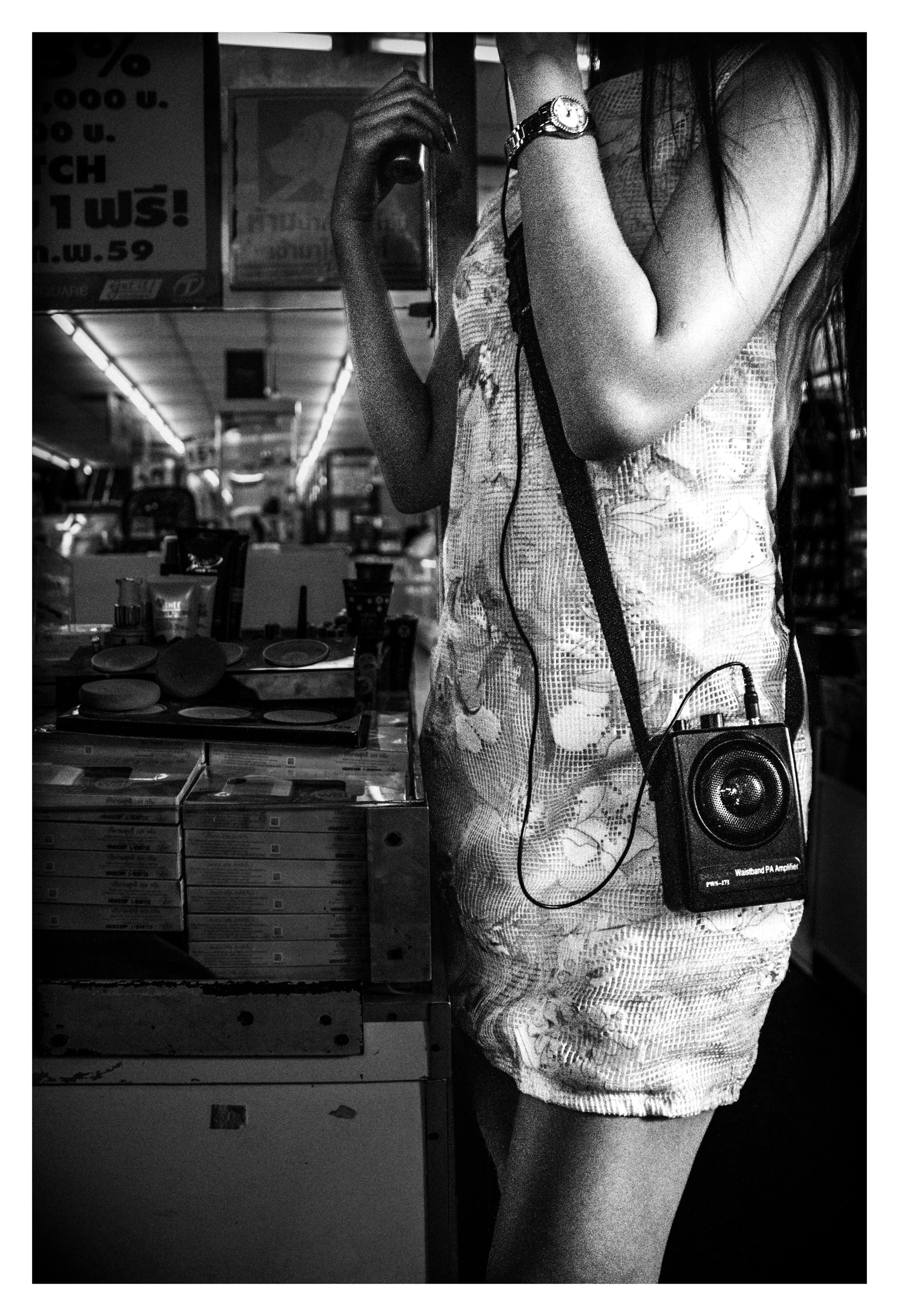
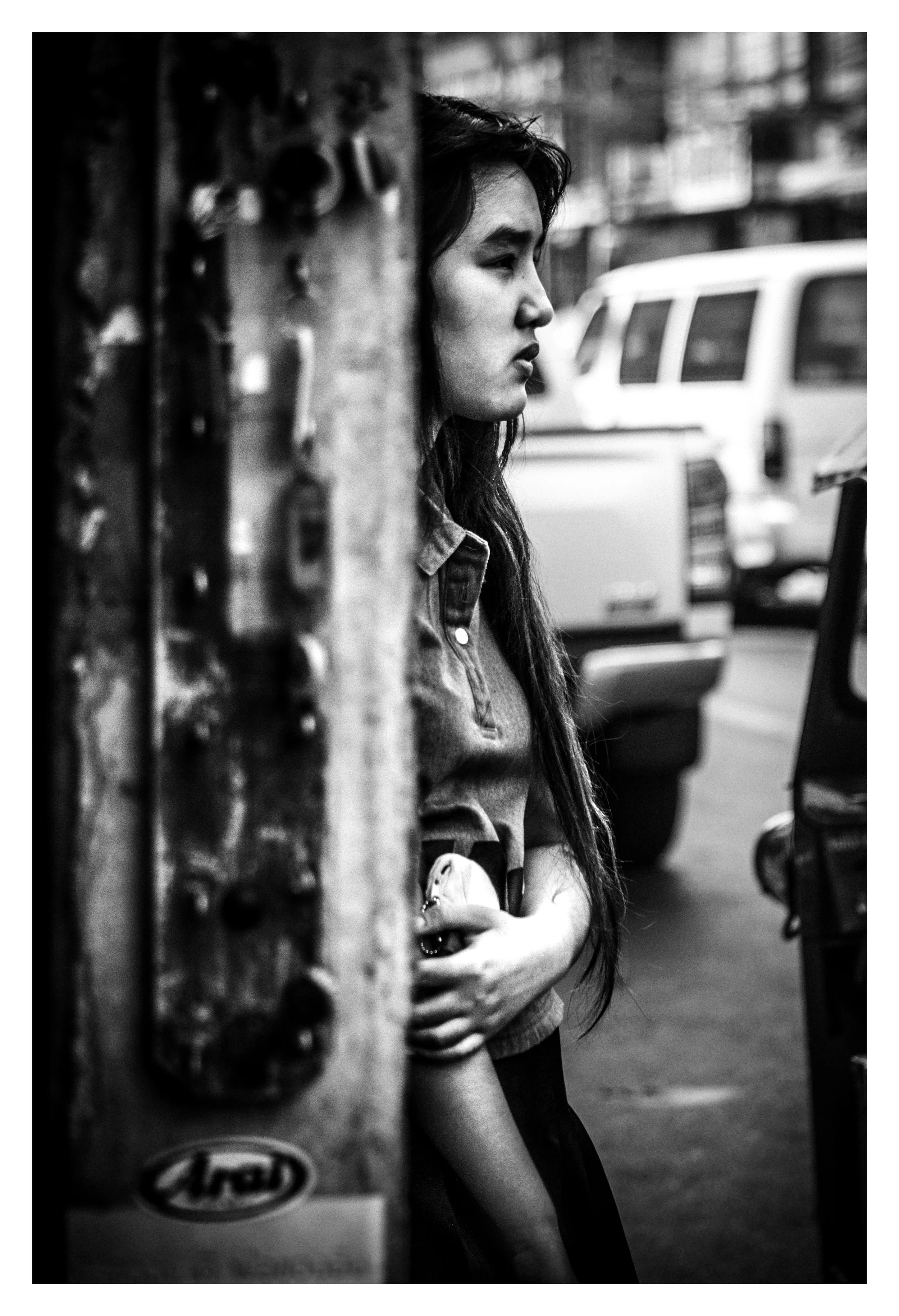
THAILAND
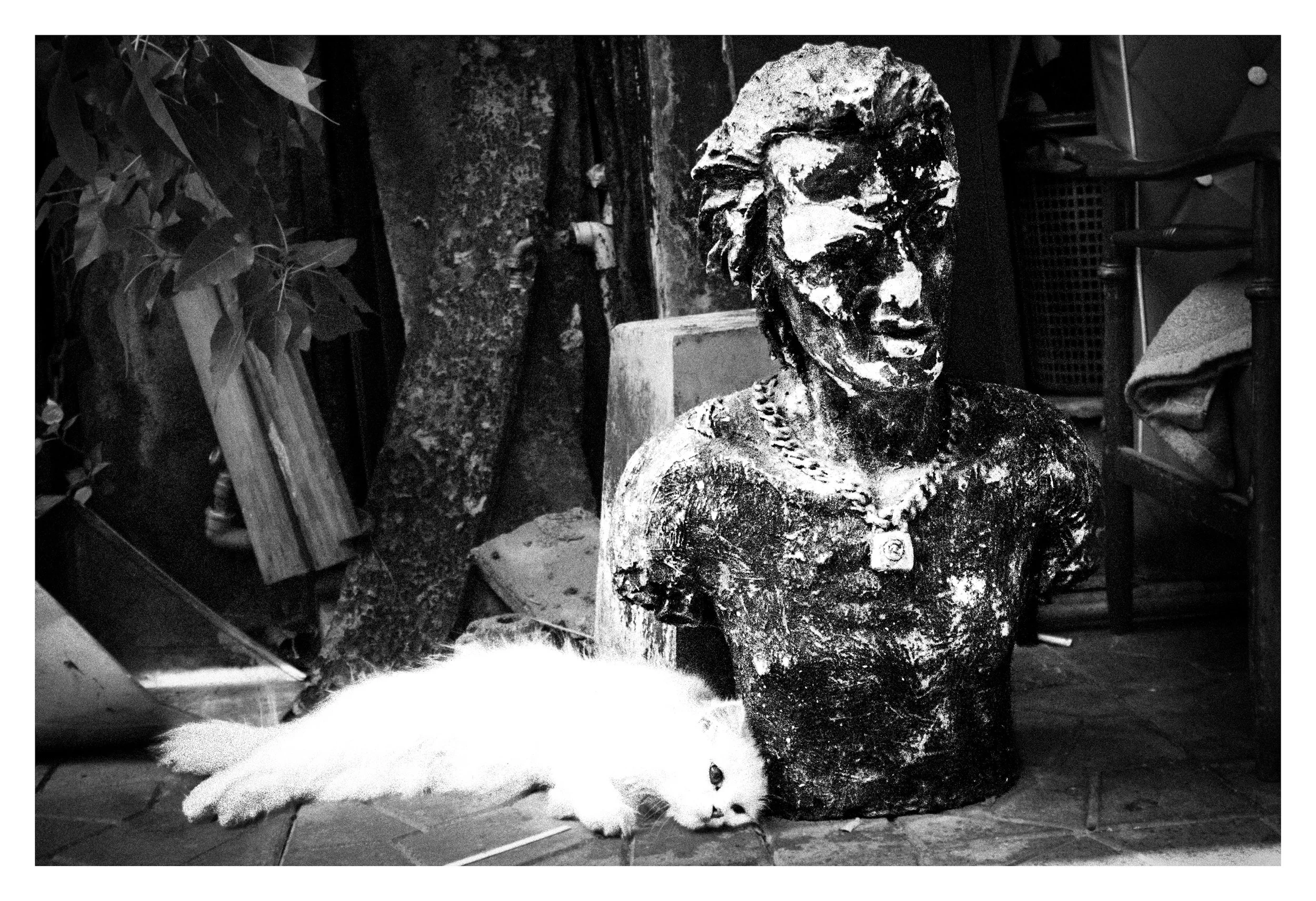
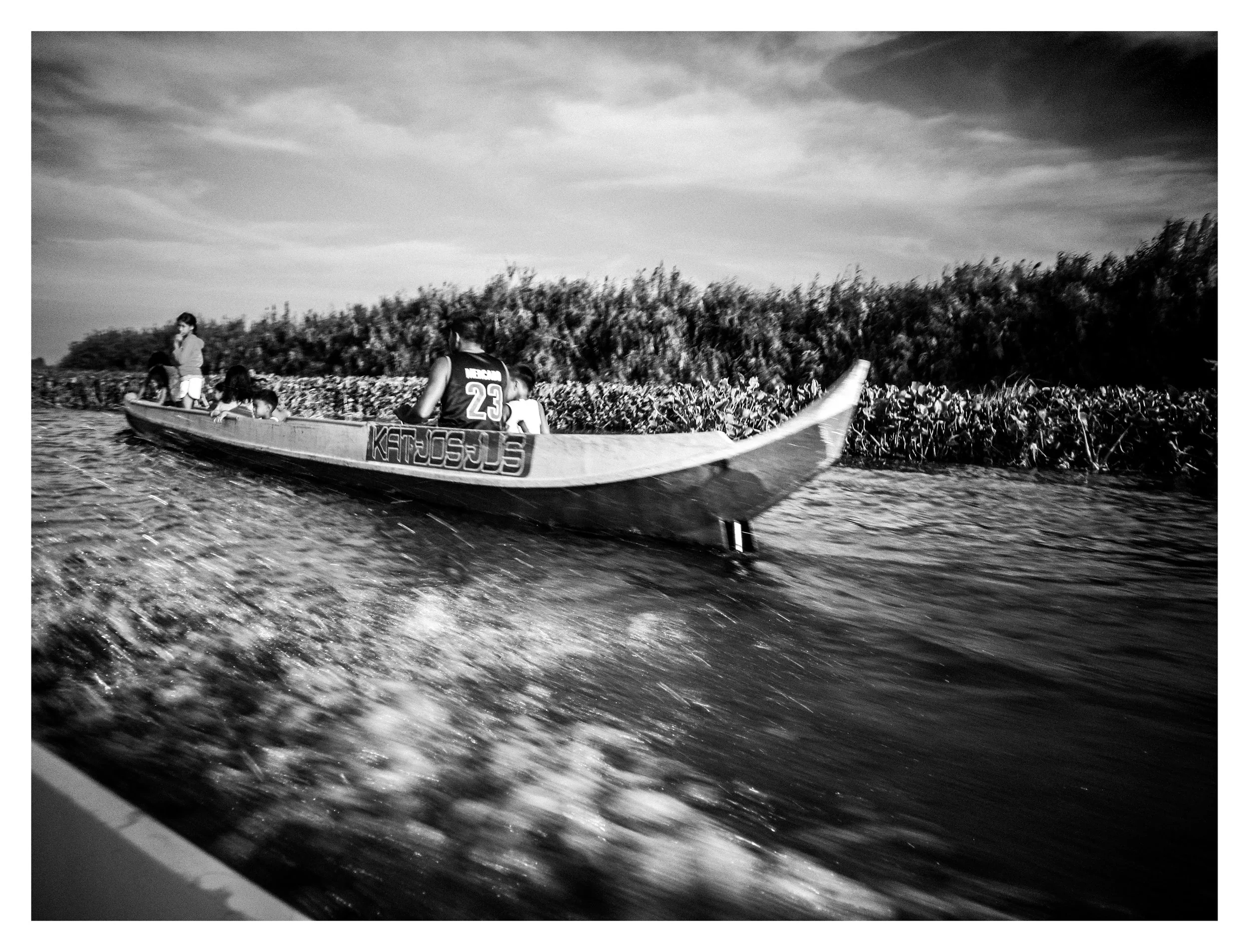
12.8797° N, 121.7740° E
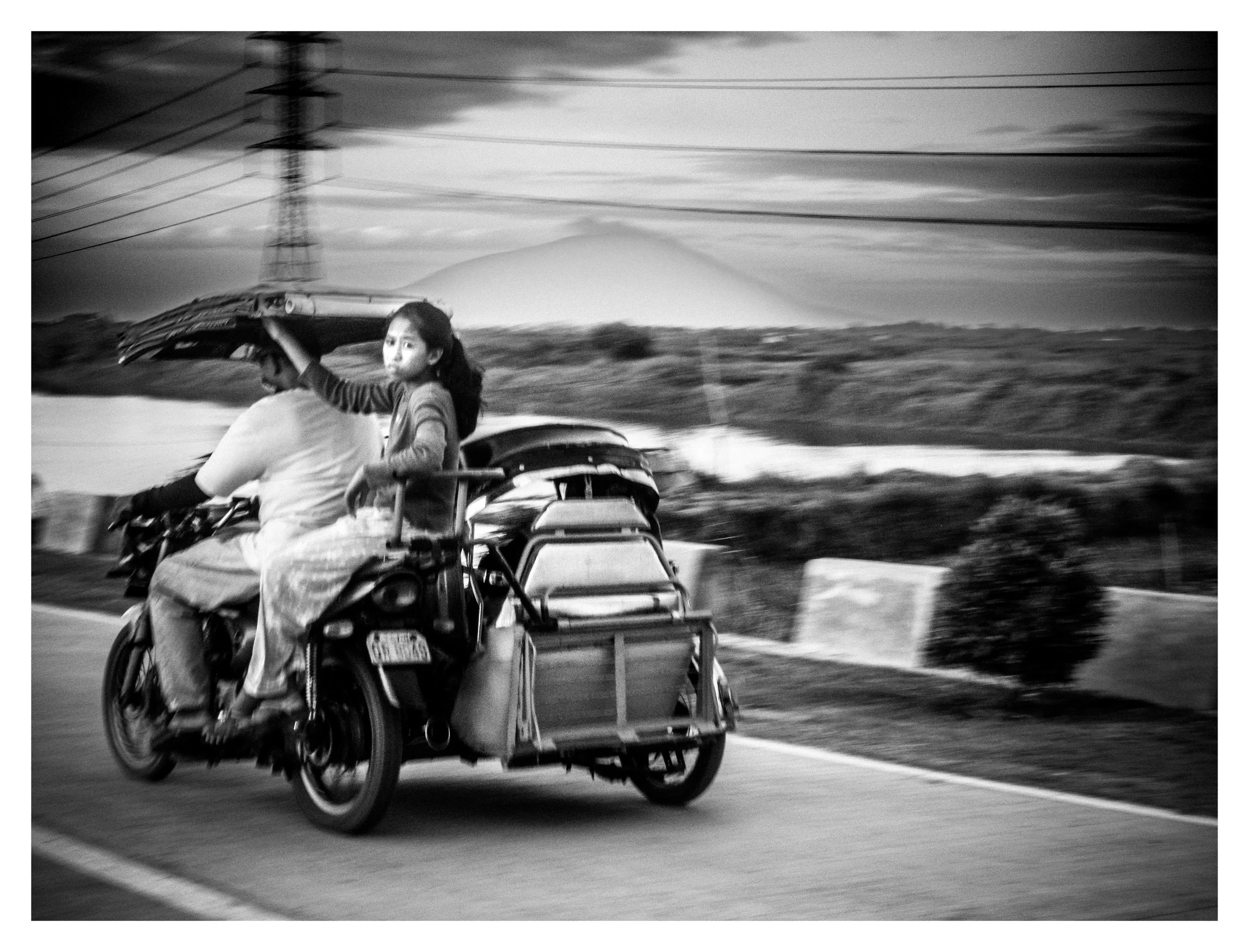
THE PHILIPPINES
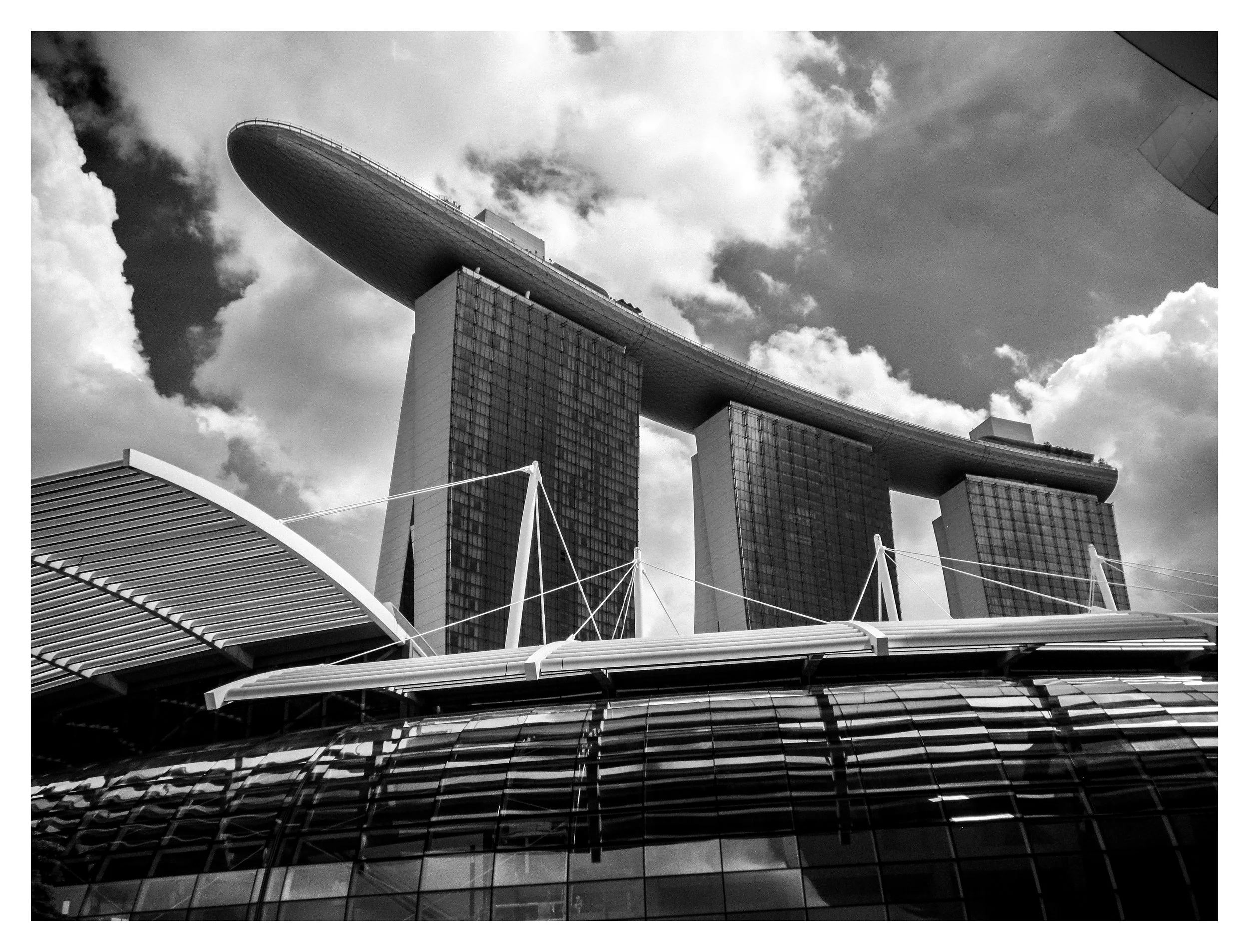
1.3521° N, 103.8198° E
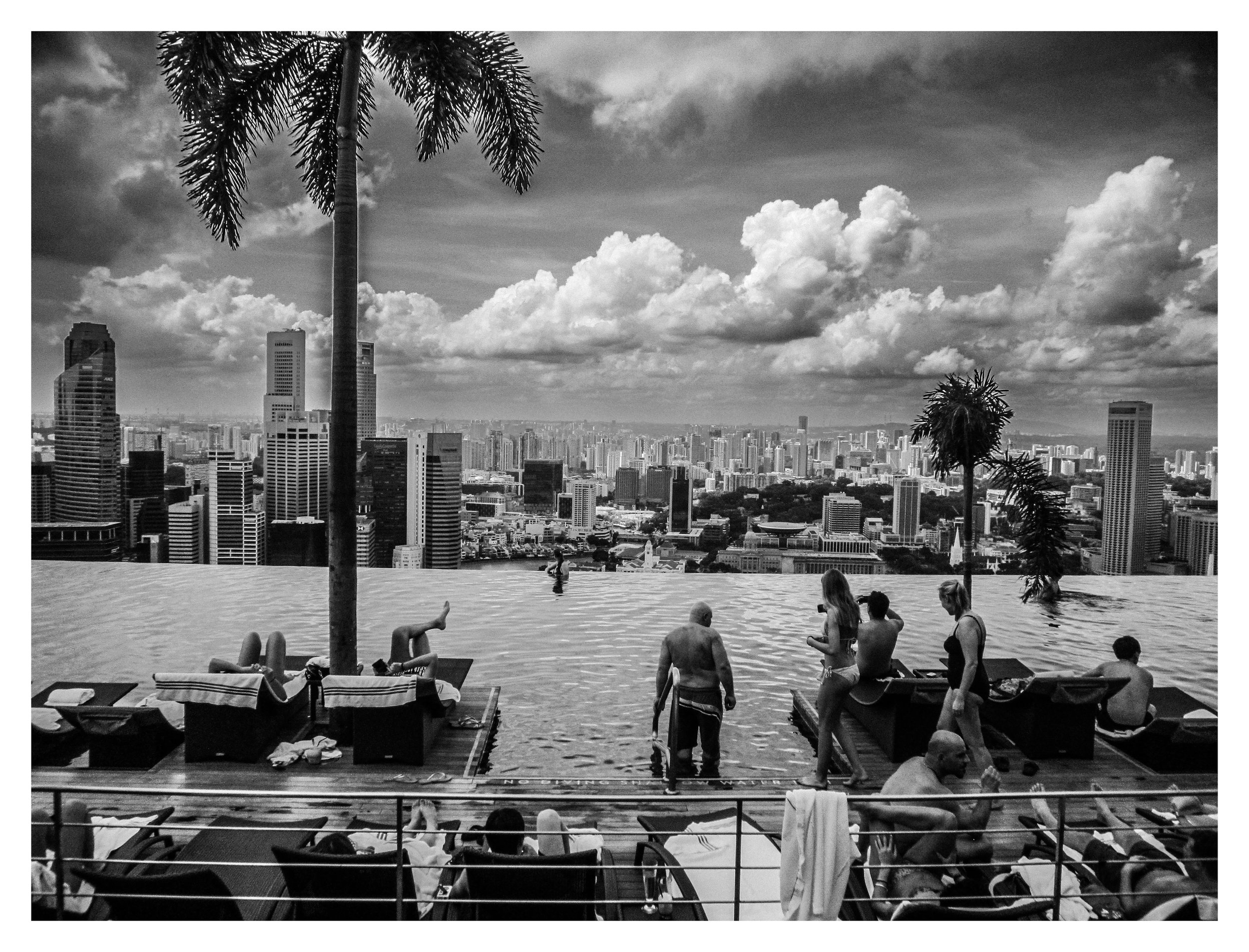
SINGAPORE
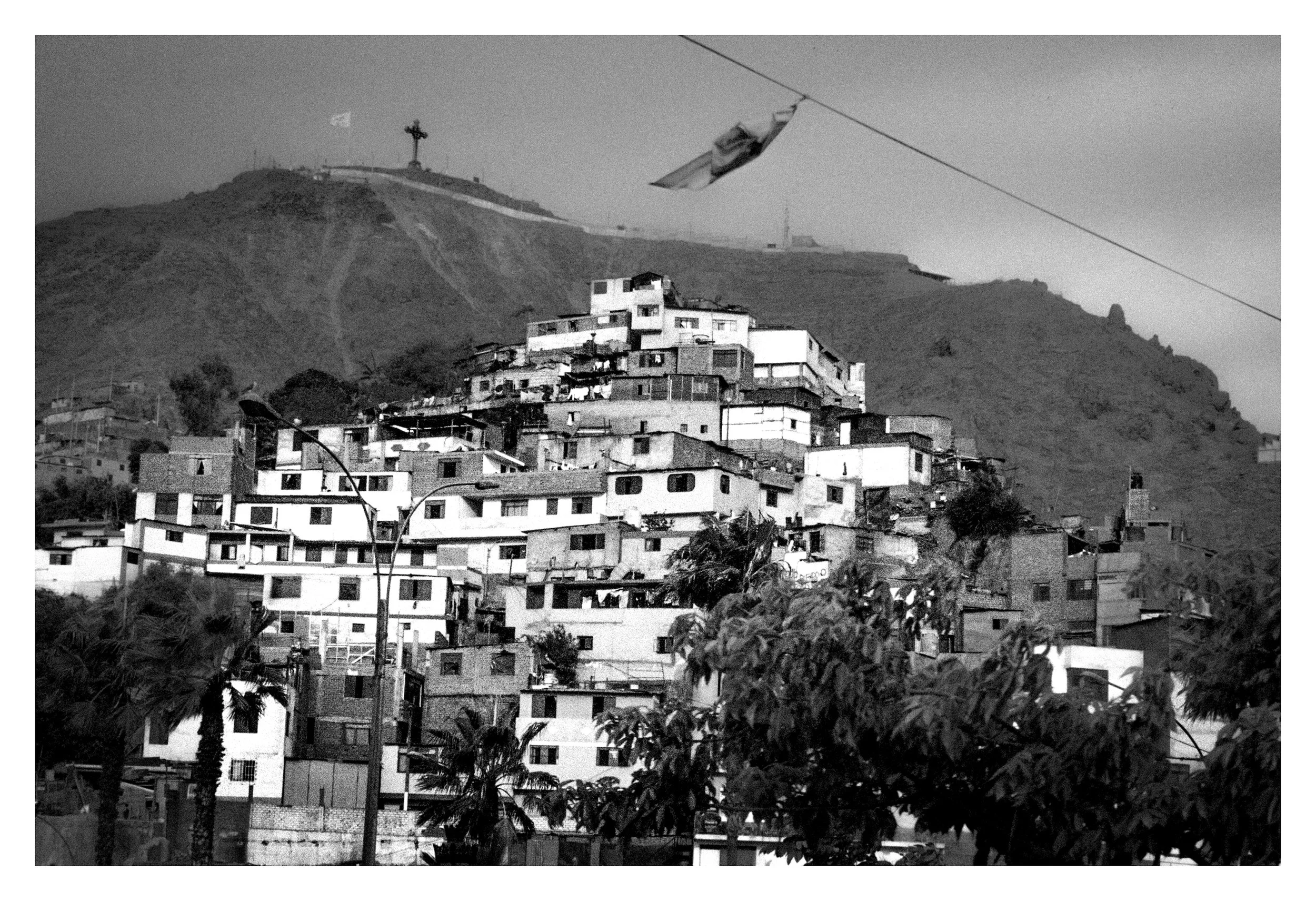
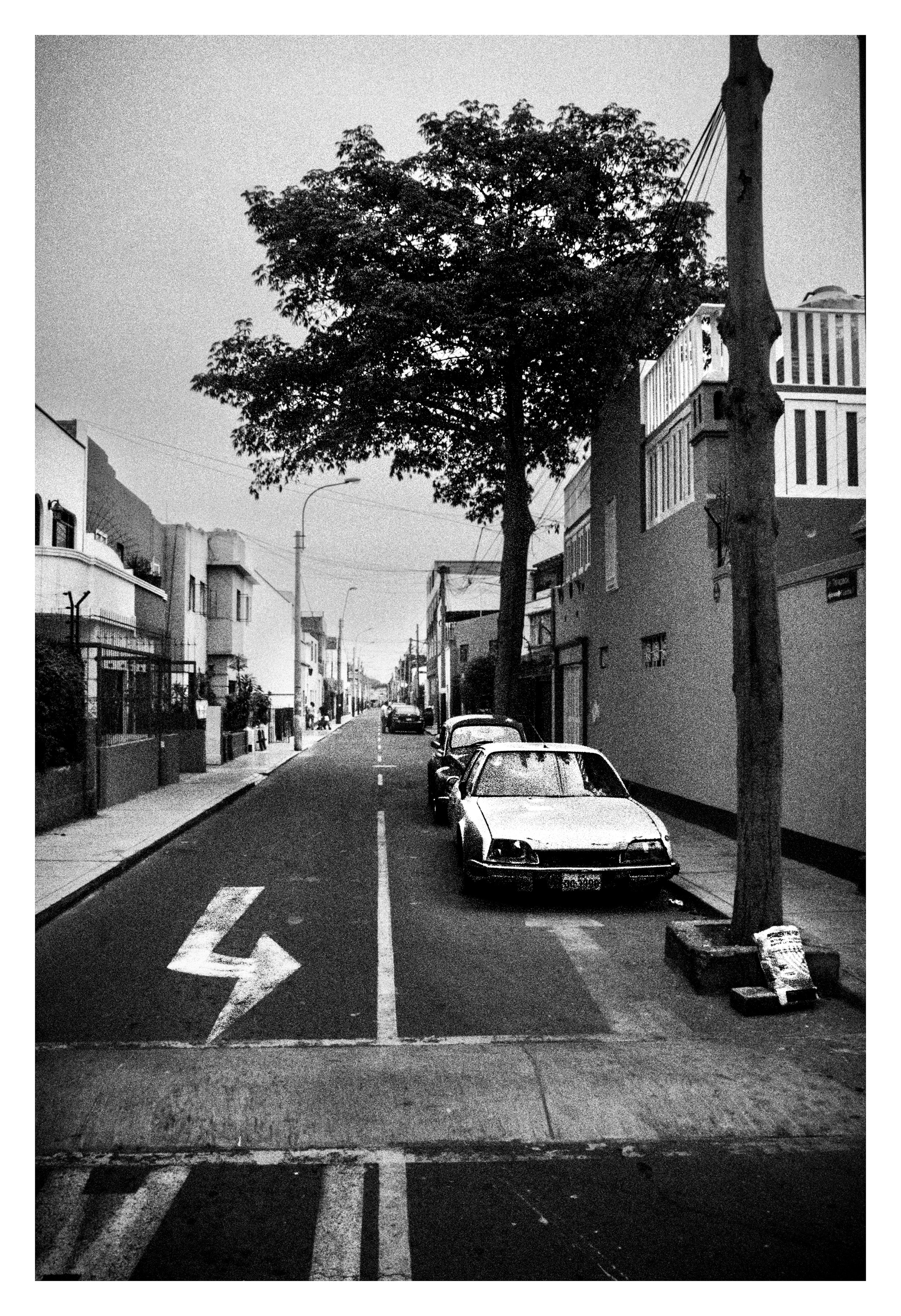
9.1900° S, 75.0152° W
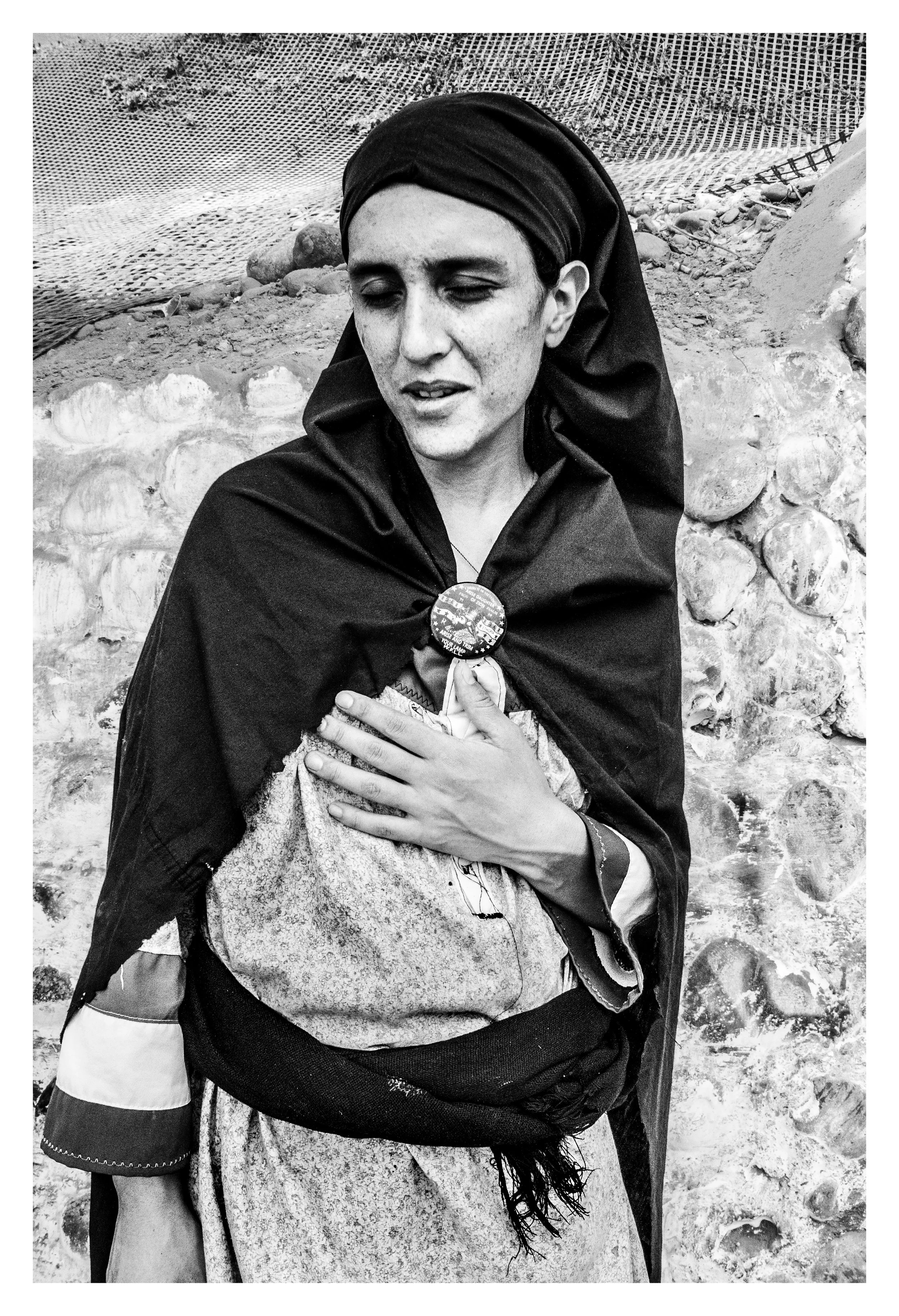
PERU
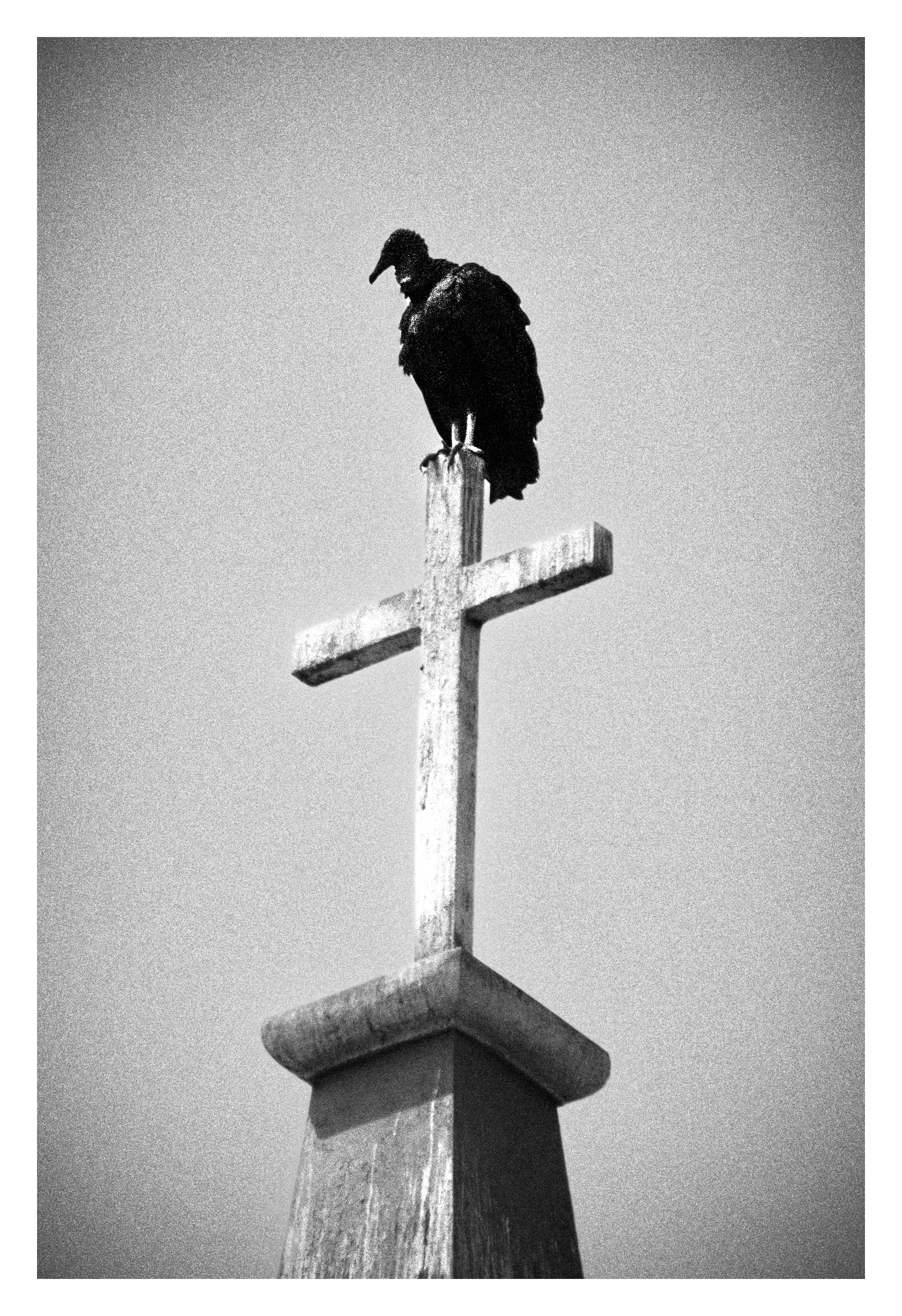
15.7835° N, 90.2308° W
GUATEMALA
23.6345° N, 102.5528° W
MEXICO
38.7946° N, 106.5348° W
USA
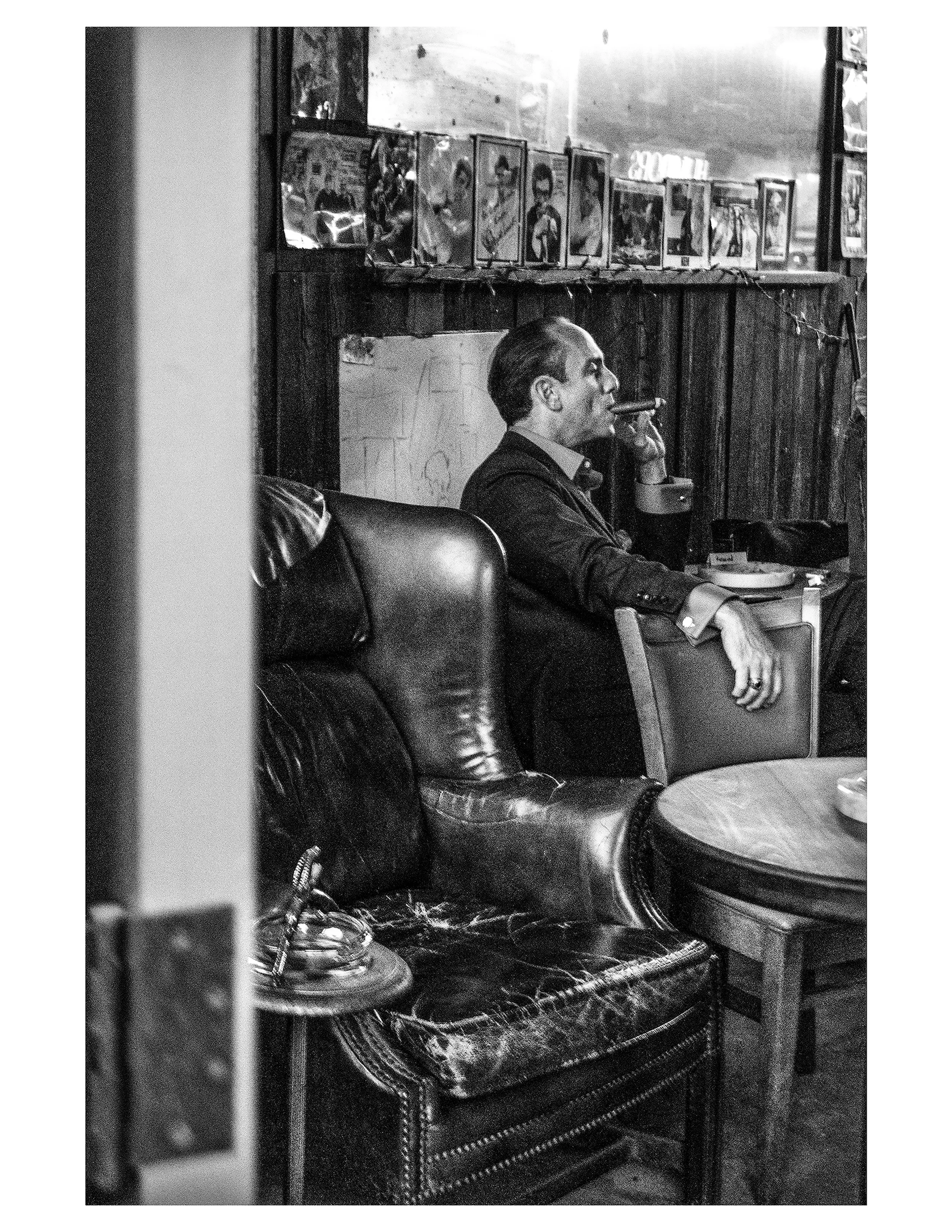
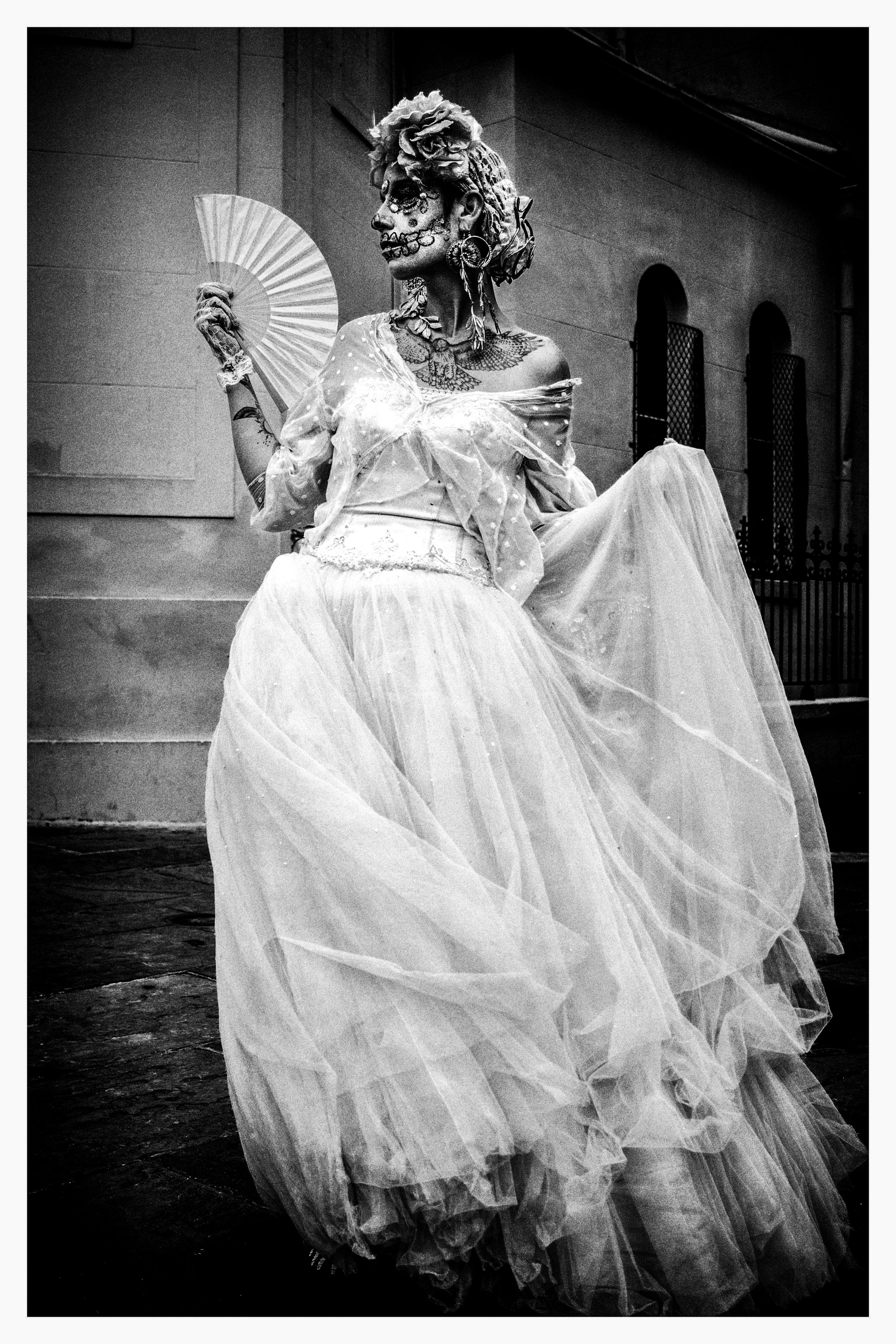
—FINE ART / BELLAS ARTES—
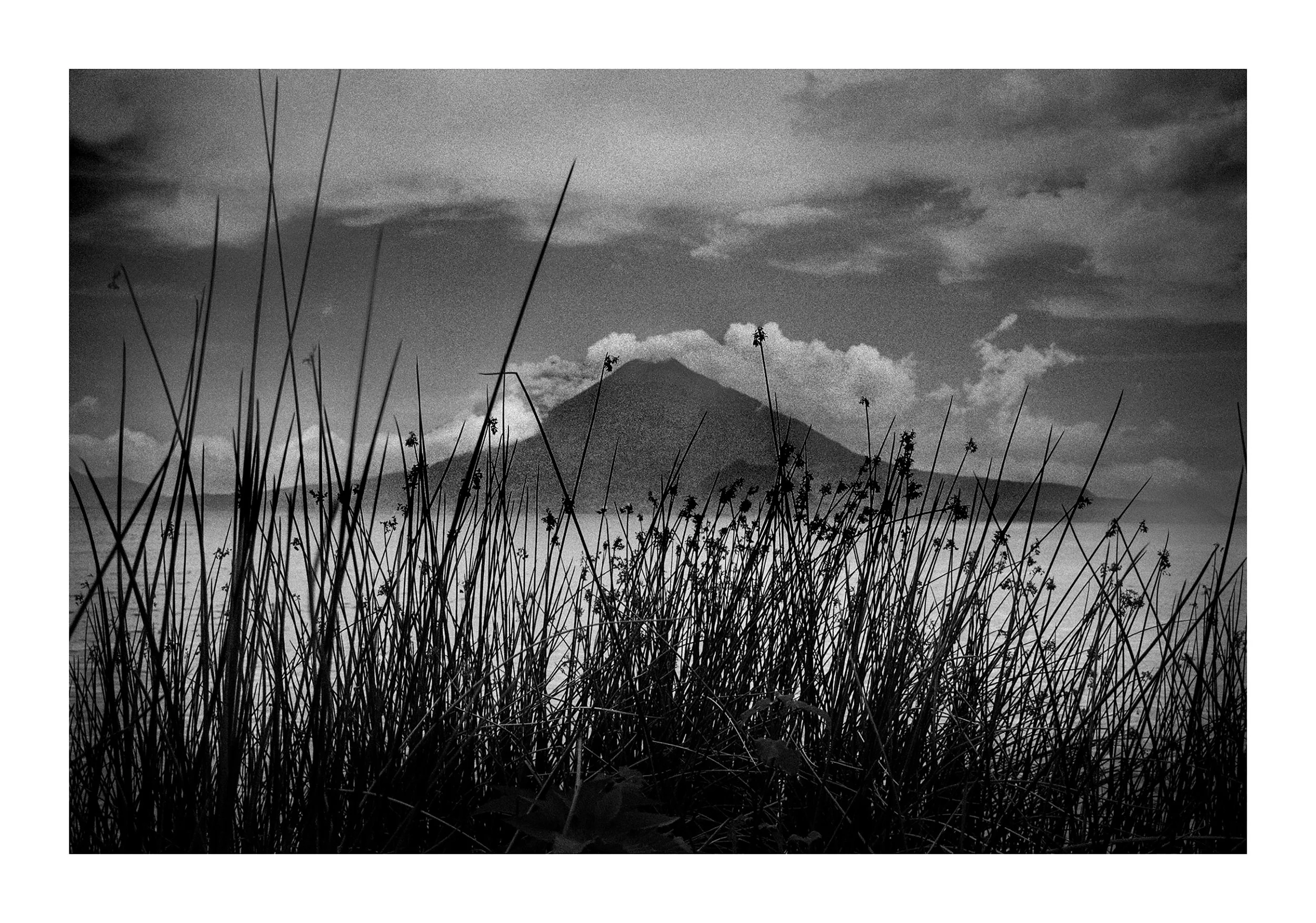
Panajachel, 2019
Form in Relation to Time and Space…
The concept of form is deeply influenced by the dimensions of time and space, and in turn, form can actively shape our experience of both. Over time, forms may evolve, erode, or transform, revealing the dynamic nature of physical and conceptual structures. Spatial context—whether expansive or confined—can alter the perception and function of a form, influencing its meaning and interaction with its environment. Conversely, the arrangement and design of forms can dictate how space is navigated and how time is experienced within a given setting, such as in the flow of architectural design, natural landscapes, or the pacing and sequencing of visual art. Photography and Zeno's paradox both probe the nature of time, movement, and perception. In photography, the act of capturing a moment freezes a fleeting instant, creating a static form from continuous motion—much like Zeno’s paradox, which challenges the possibility of movement by dividing it into infinitely smaller steps. Each photograph can be seen as a visual “slice” within the ongoing flow of reality, echoing Zeno’s idea that motion is composed of an infinite series of still points. Not only does photography objectively freeze time within a frame, but that moment is also subjective, depending on the exposure time and the size of the frame. It illustrates the paradox that if time can be frozen in a finite moment, then time does not truly exist. Additionally, since the boundary of the frame and the exposure time are subjective choices, even though we set these boundaries, they do not exist in nature or reality. While a photograph captures a moment, that moment is only isolated through perspective. Time and space, shaped by the ways we choose to frame and interpret moments, juxtapose the objective and the subjective in relation to form. This reciprocal relationship highlights that form, time, and space are not isolated elements but are constantly interacting, shaping, and redefining each other in a continuous cycle of influence.
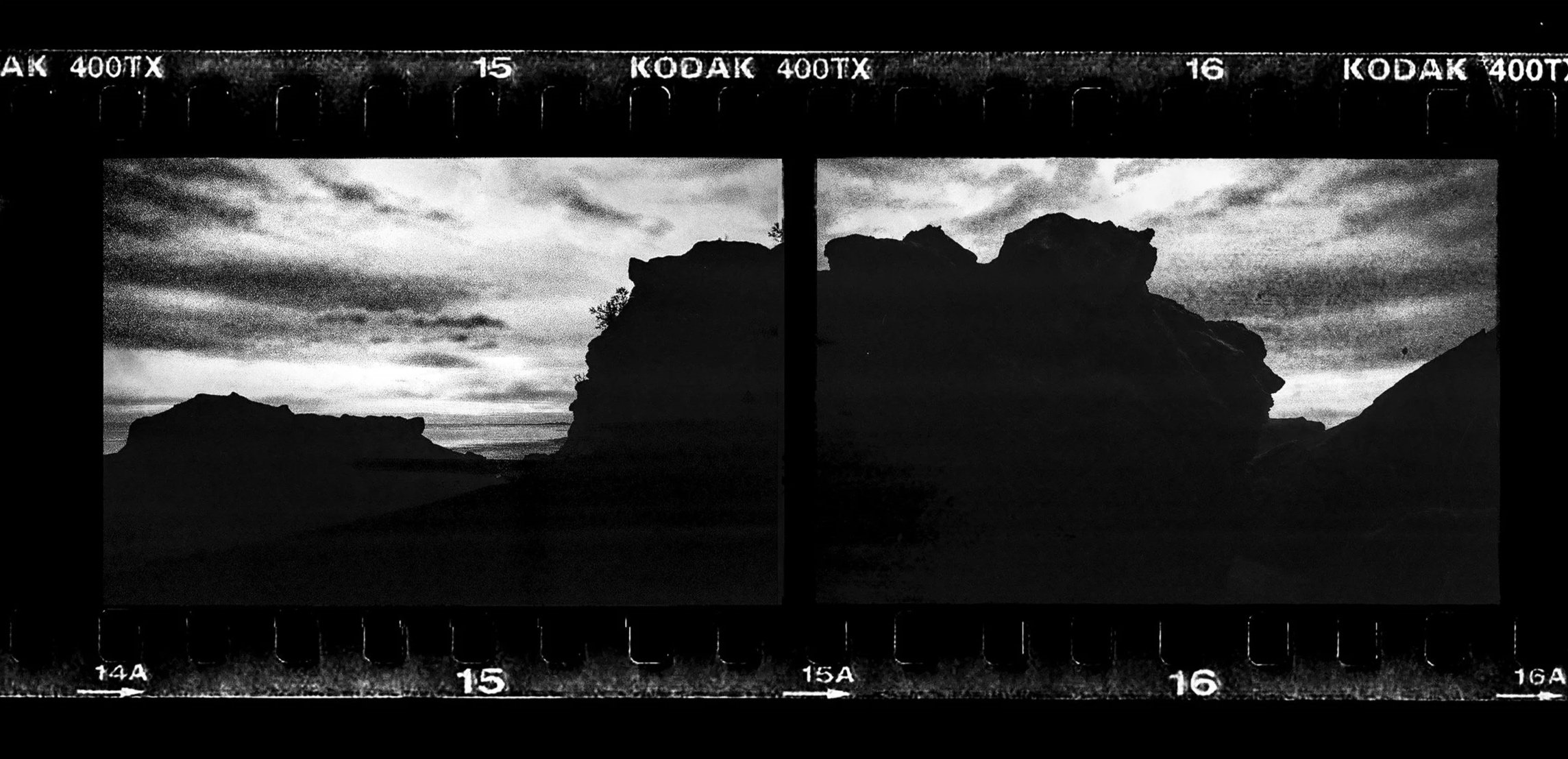
Iceland, 2025
La Forma en Relación con el Tiempo y el Espacio…
El concepto de forma está profundamente influenciado por las dimensiones del tiempo y el espacio, y a su vez, la forma puede moldear activamente nuestra experiencia de ambos. Con el tiempo, las formas pueden evolucionar, erosionarse o transformarse, revelando la naturaleza dinámica de las estructuras físicas y conceptuales. El contexto espacial —ya sea amplio o restringido— puede alterar la percepción y la función de una forma, influyendo en su significado e interacción con su entorno. A la inversa, la disposición y el diseño de las formas pueden determinar cómo se recorre el espacio y cómo se experimenta el tiempo dentro de un entorno dado, como en el flujo del diseño arquitectónico, los paisajes naturales o el ritmo y la secuencia del arte visual. Tanto la fotografía como la paradoja de Zenón exploran la naturaleza del tiempo, el movimiento y la percepción. En la fotografía, el acto de capturar un momento congela un instante fugaz, creando una forma estática a partir del movimiento continuo, de forma muy similar a la paradoja de Zenón, que cuestiona la posibilidad del movimiento al dividirlo en pasos infinitamente más pequeños. Cada fotografía puede interpretarse como una «fragmento» visual dentro del flujo constante de la realidad, haciéndose eco de la idea de Zenón de que el movimiento se compone de una serie infinita de puntos estáticos. La fotografía no solo congela objetivamente el tiempo dentro de un encuadre, sino que ese momento también es subjetivo, dependiendo del tiempo de exposición y el tamaño del encuadre. Esto ilustra la paradoja de que si el tiempo puede congelarse en un instante finito, entonces el tiempo no existe realmente. Además, dado que los límites del encuadre y el tiempo de exposición son elecciones subjetivas, aunque nosotros establezcamos estos límites, no existen en la naturaleza ni en la realidad. Si bien una fotografía captura un momento, ese momento solo está aislado por la perspectiva. El tiempo y el espacio, moldeados por la forma en que elegimos encuadrar e interpretar los momentos, yuxtaponen lo objetivo y lo subjetivo en relación con la forma. Esta relación recíproca pone de relieve que la forma, el tiempo y el espacio no son elementos aislados, sino que interactúan constantemente, se moldean y se redefinen mutuamente en un ciclo continuo de influencia.
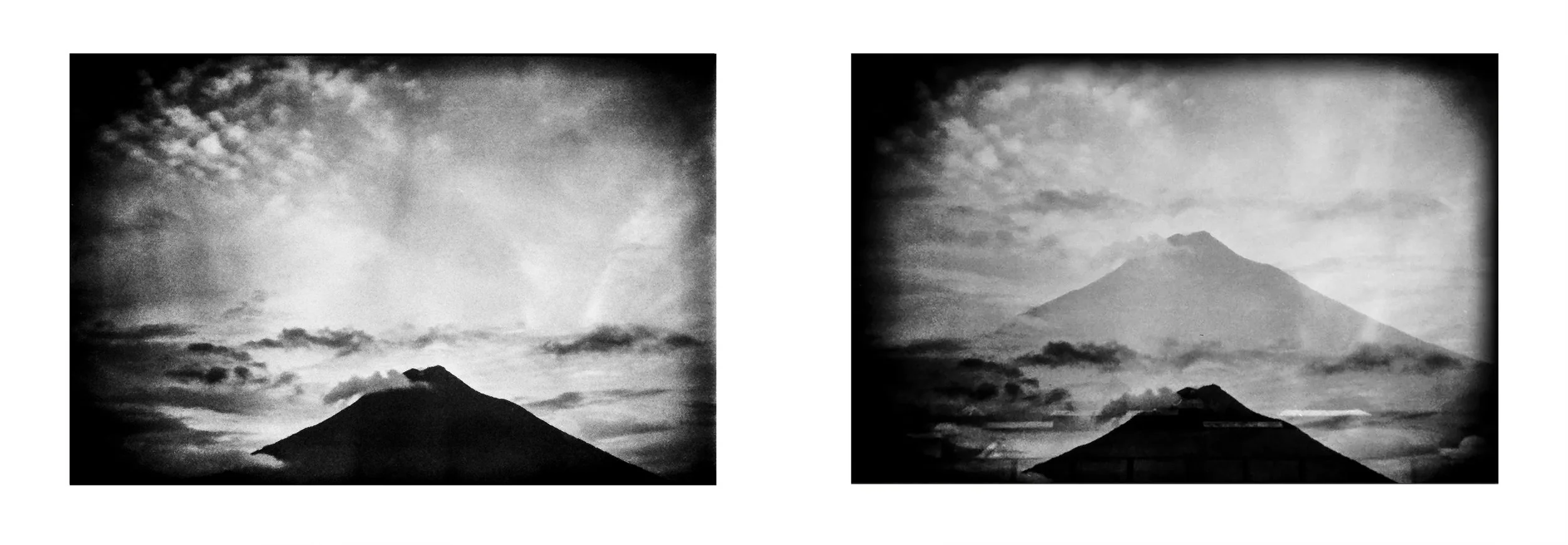
Guatemala, 2025
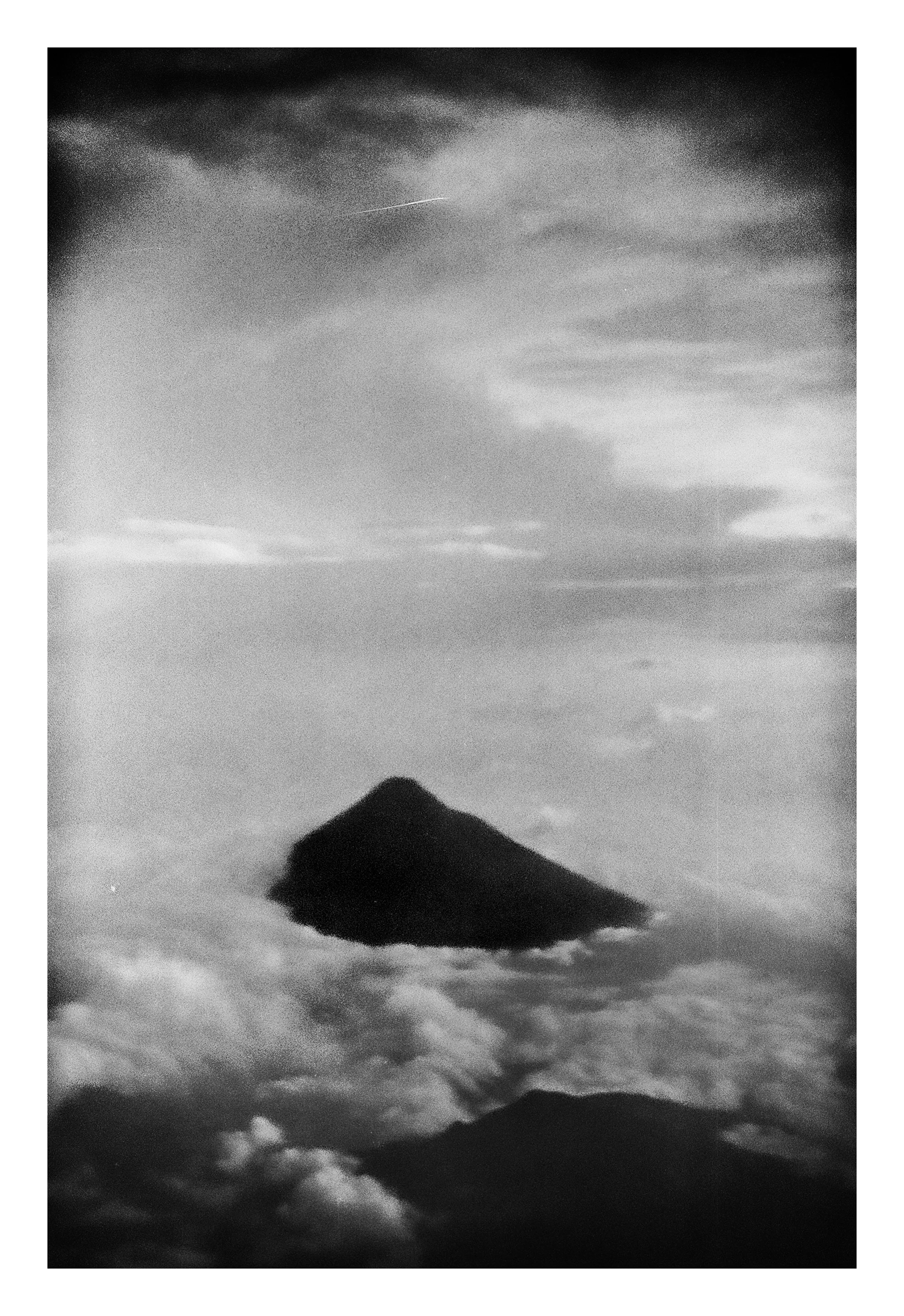
Guatemala, 2025
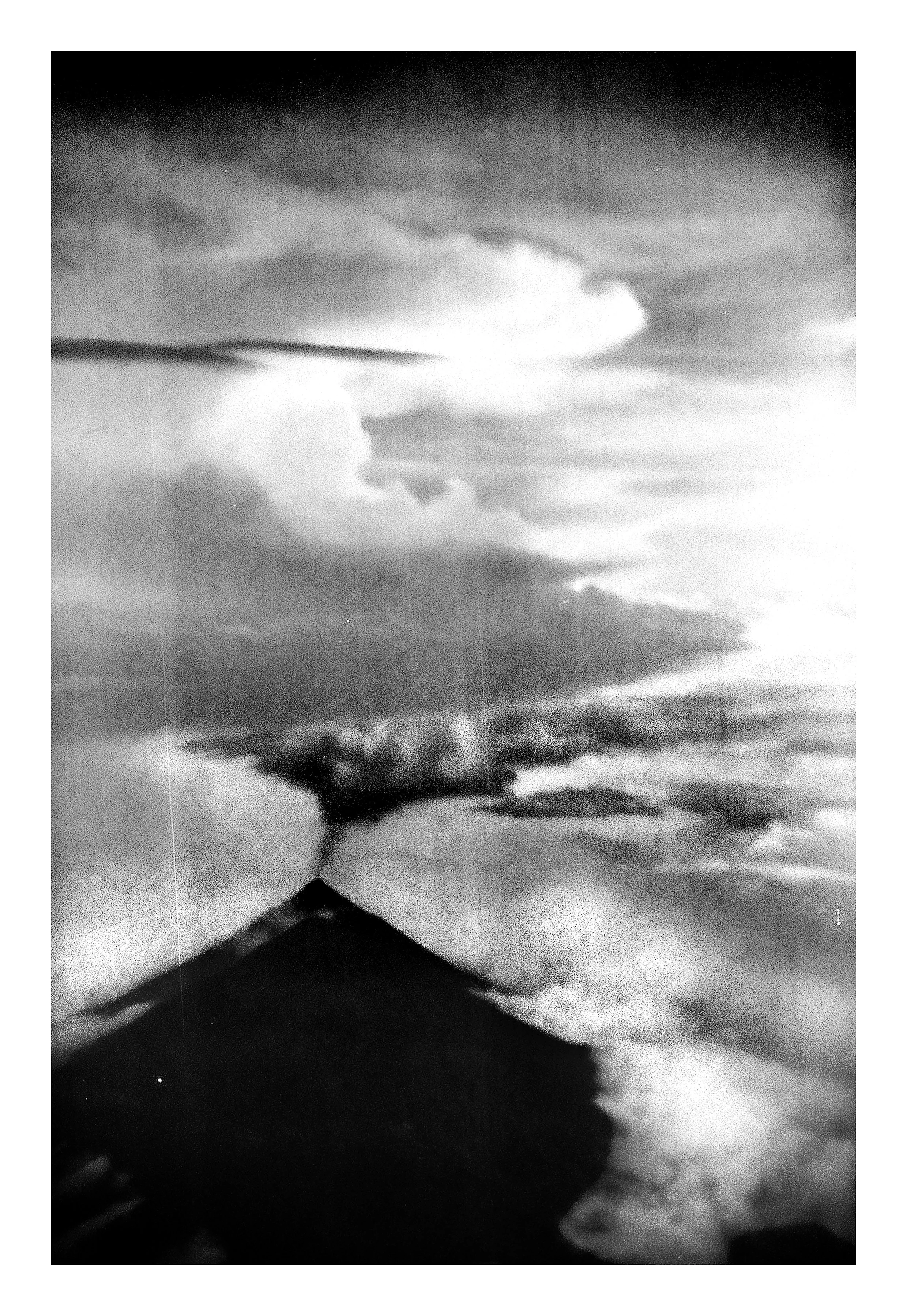
Guatemala, 2025
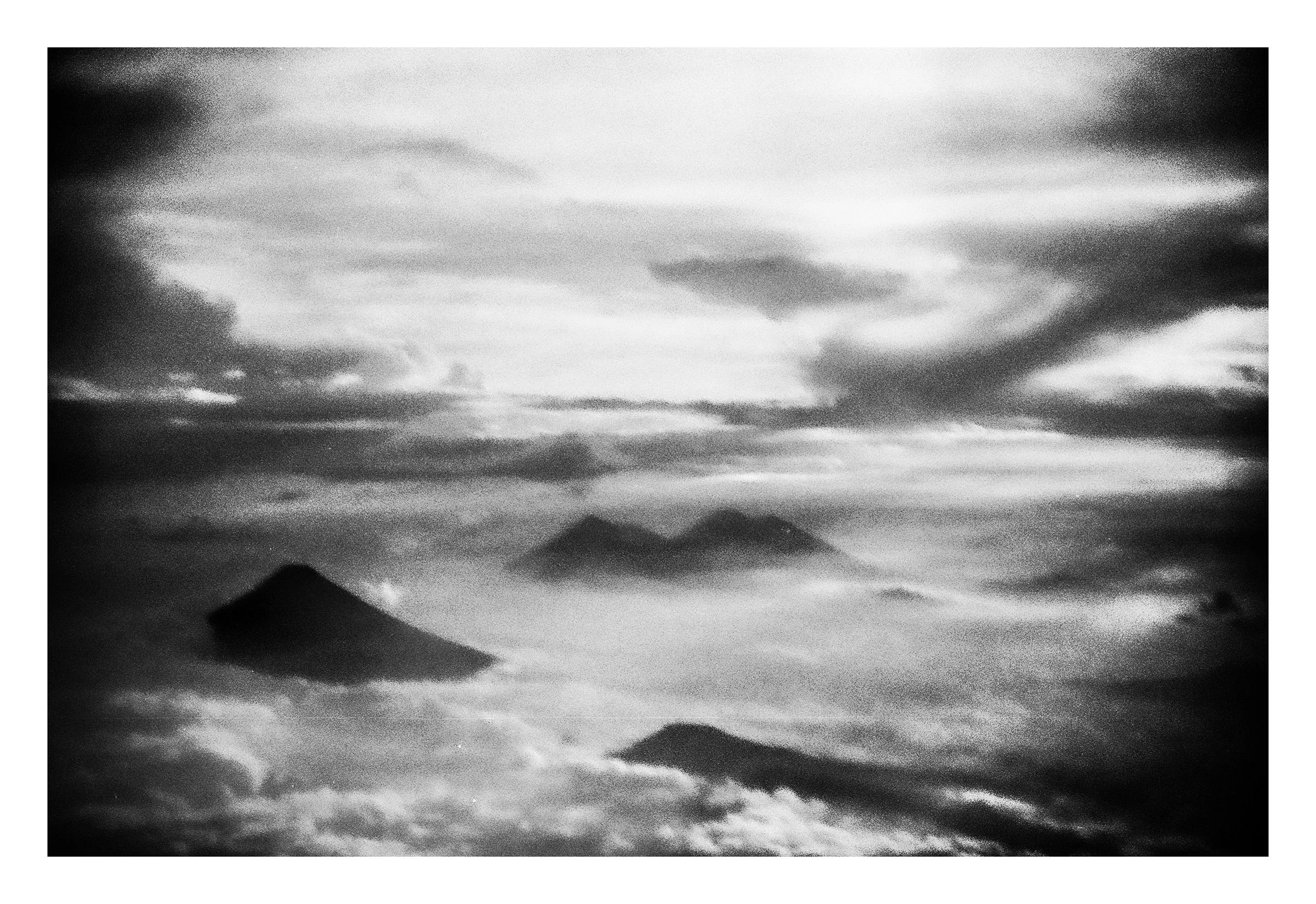
Guatemala, 2025
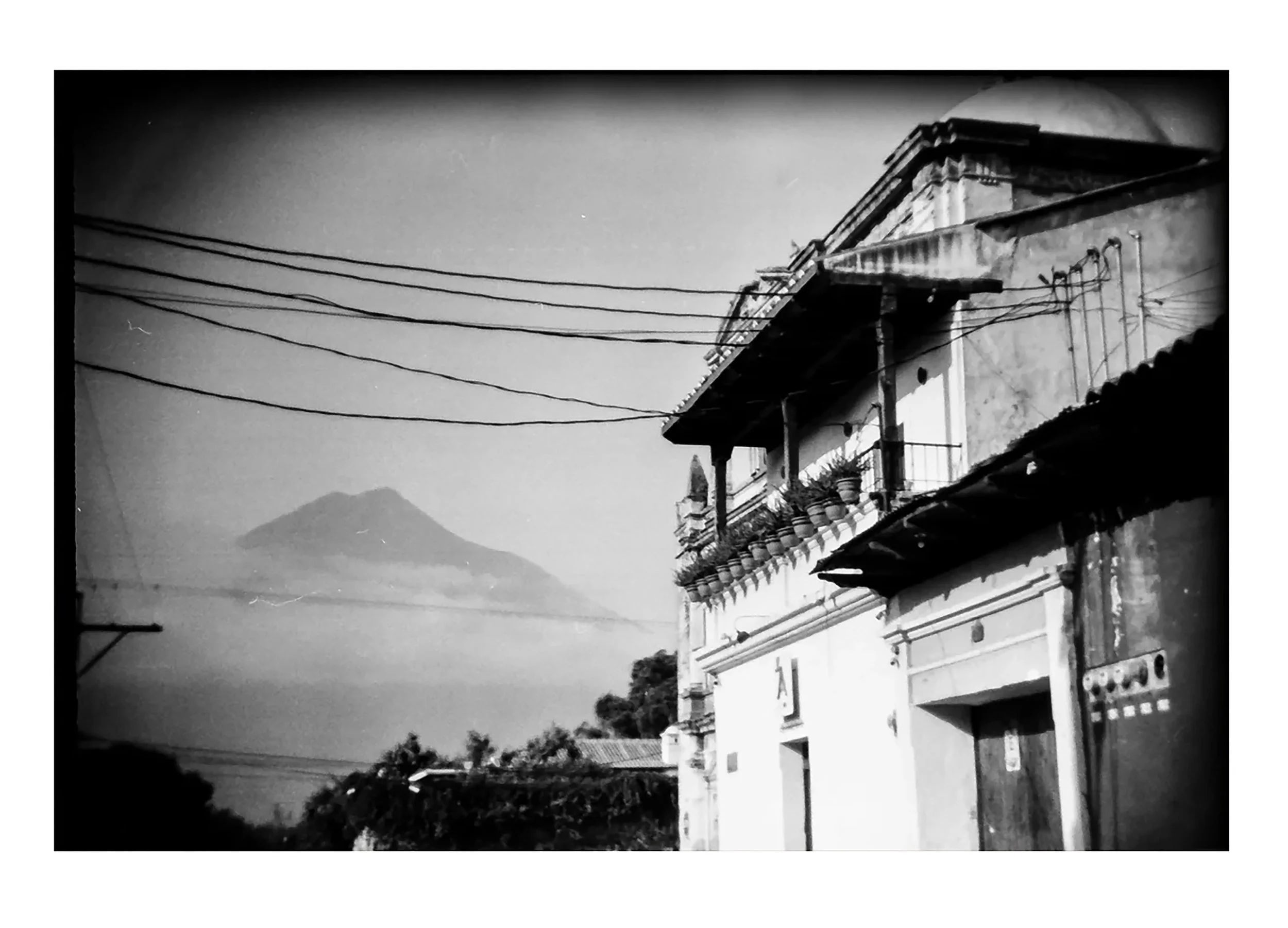
Antigua, 2025
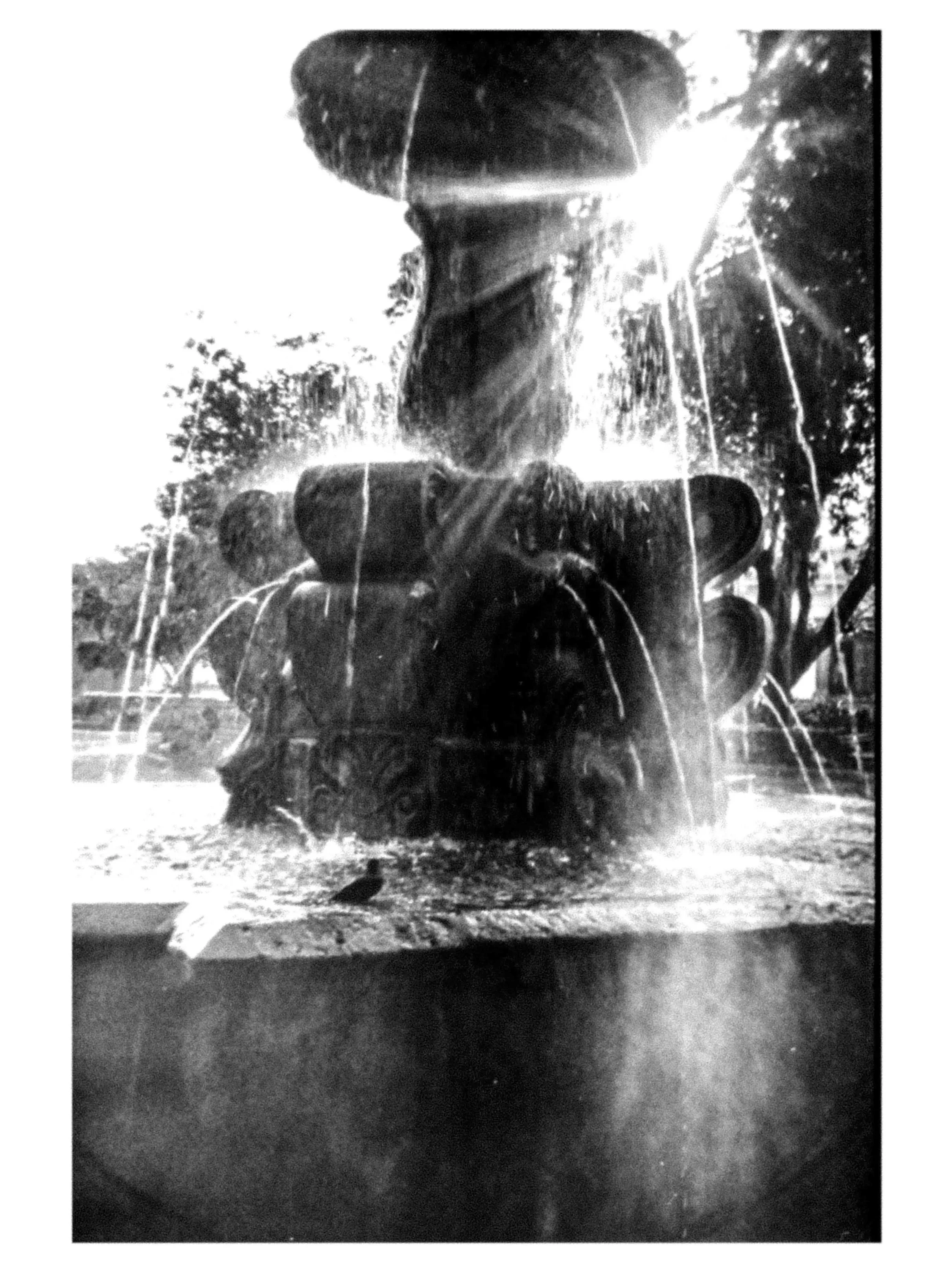
Antigua, 2025
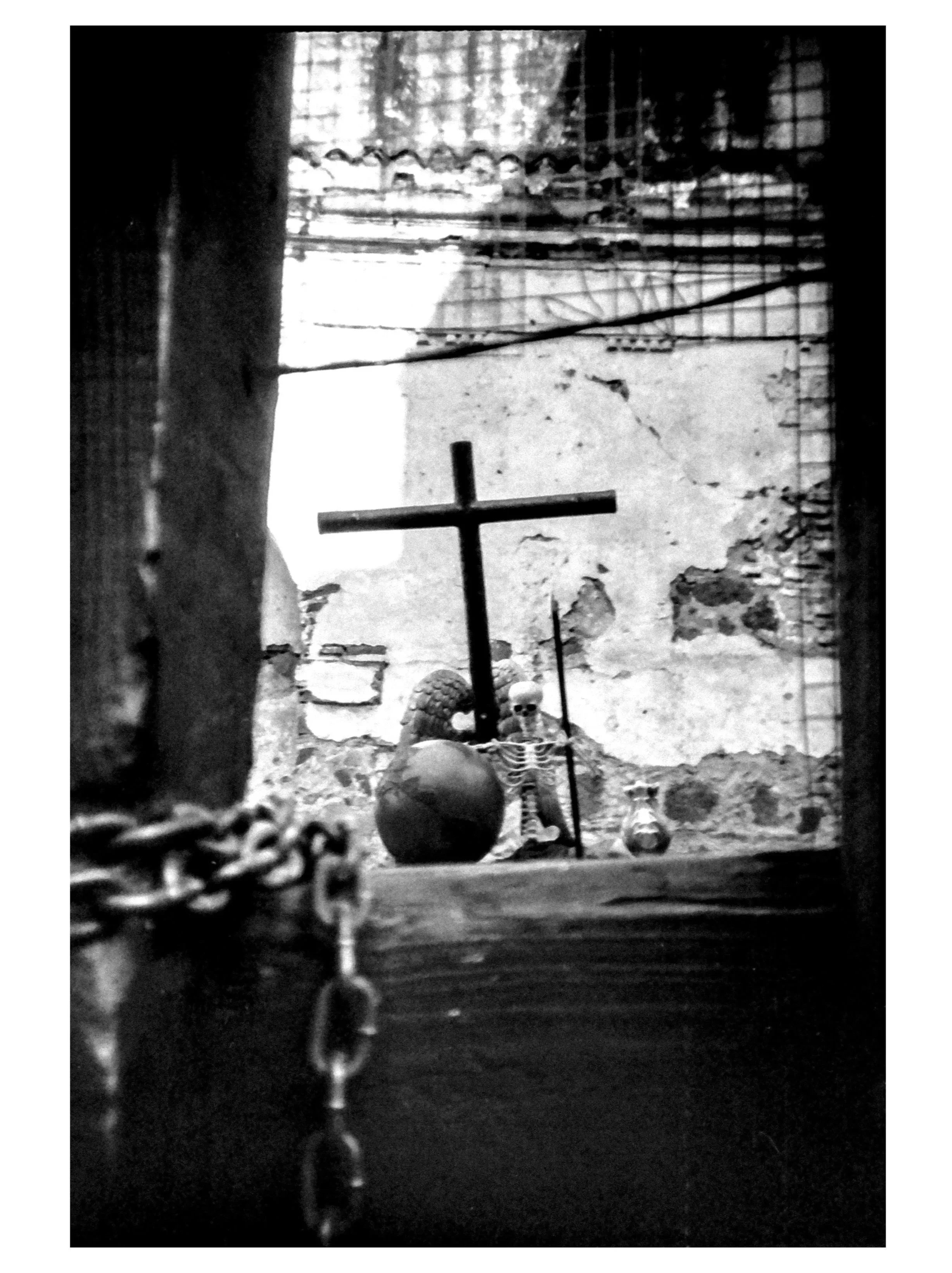
Antigua, 2025
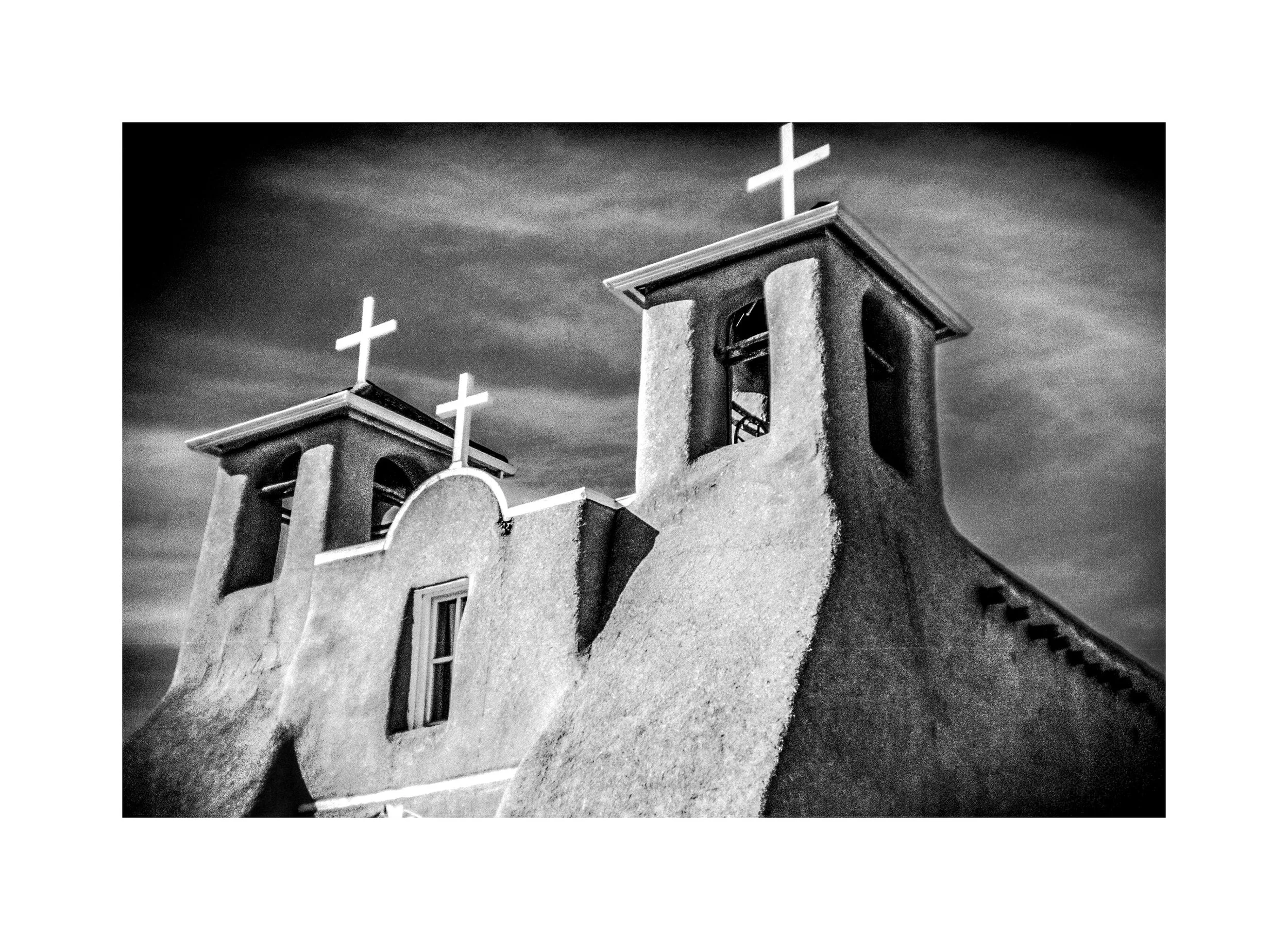
Ranchos de Taos, 2016
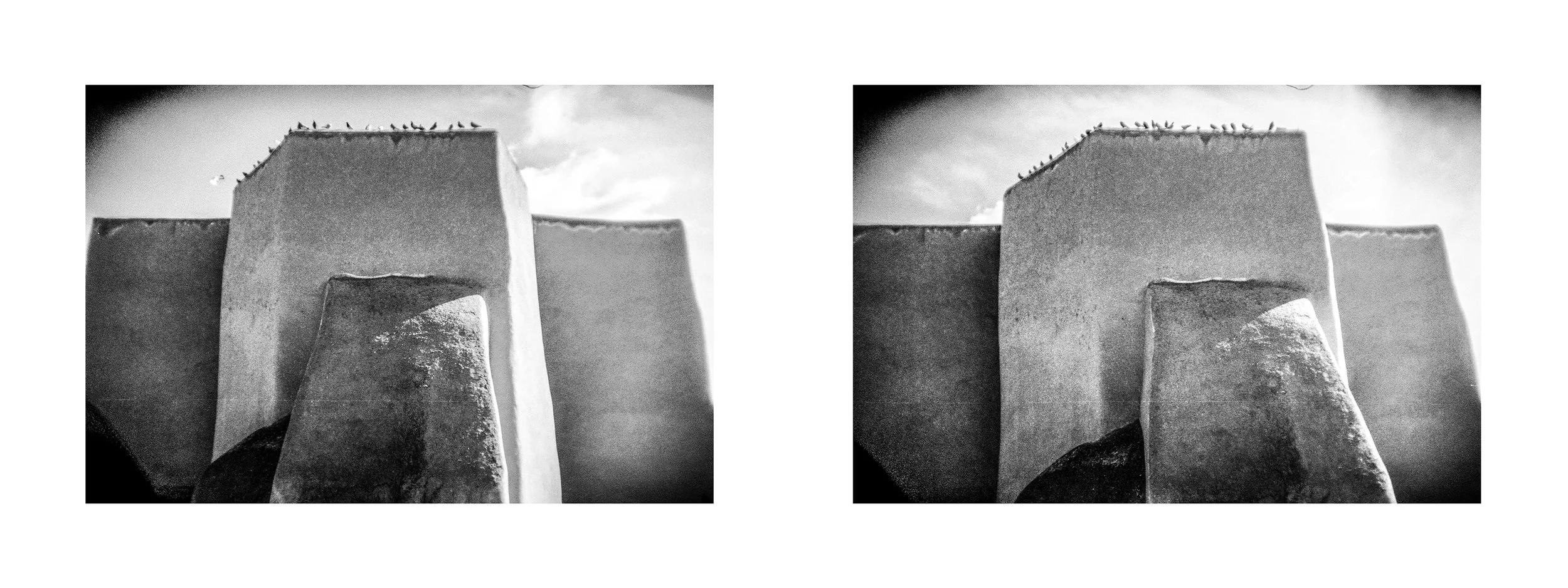
Ranchos de Taos, 2016
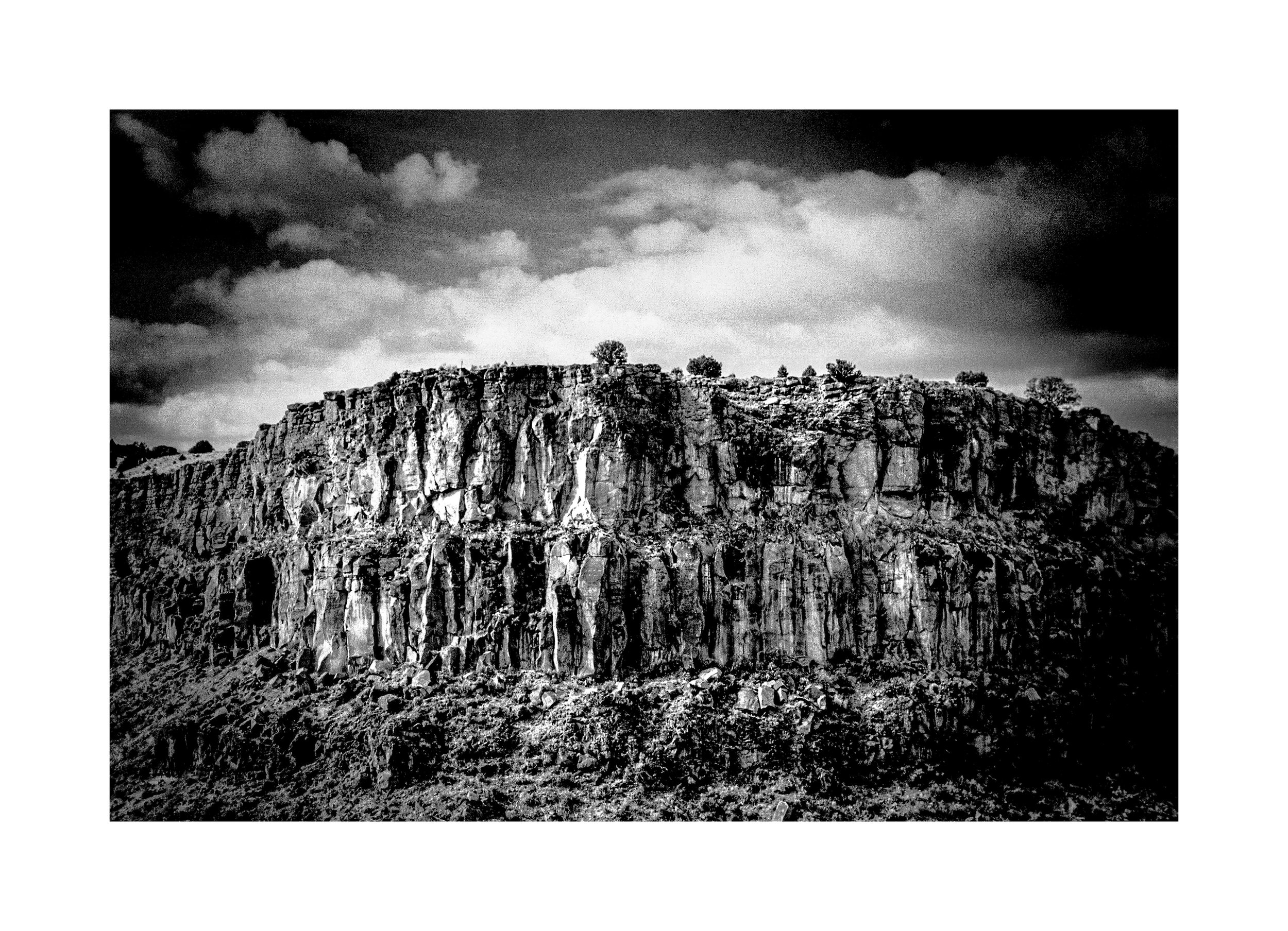
Rio Pueblo Canyon, 2016
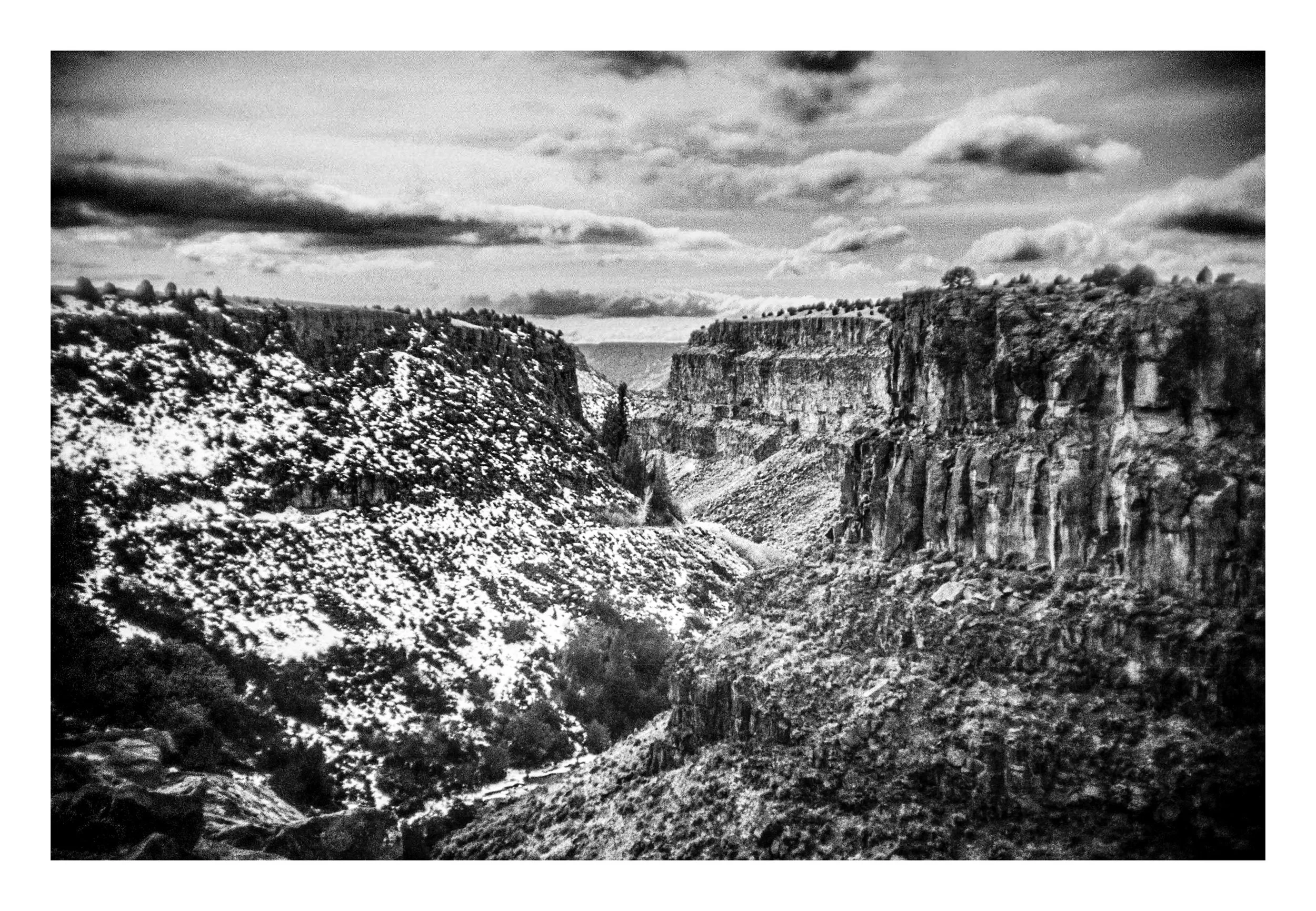
Rio Pueblo Canyon, 2016
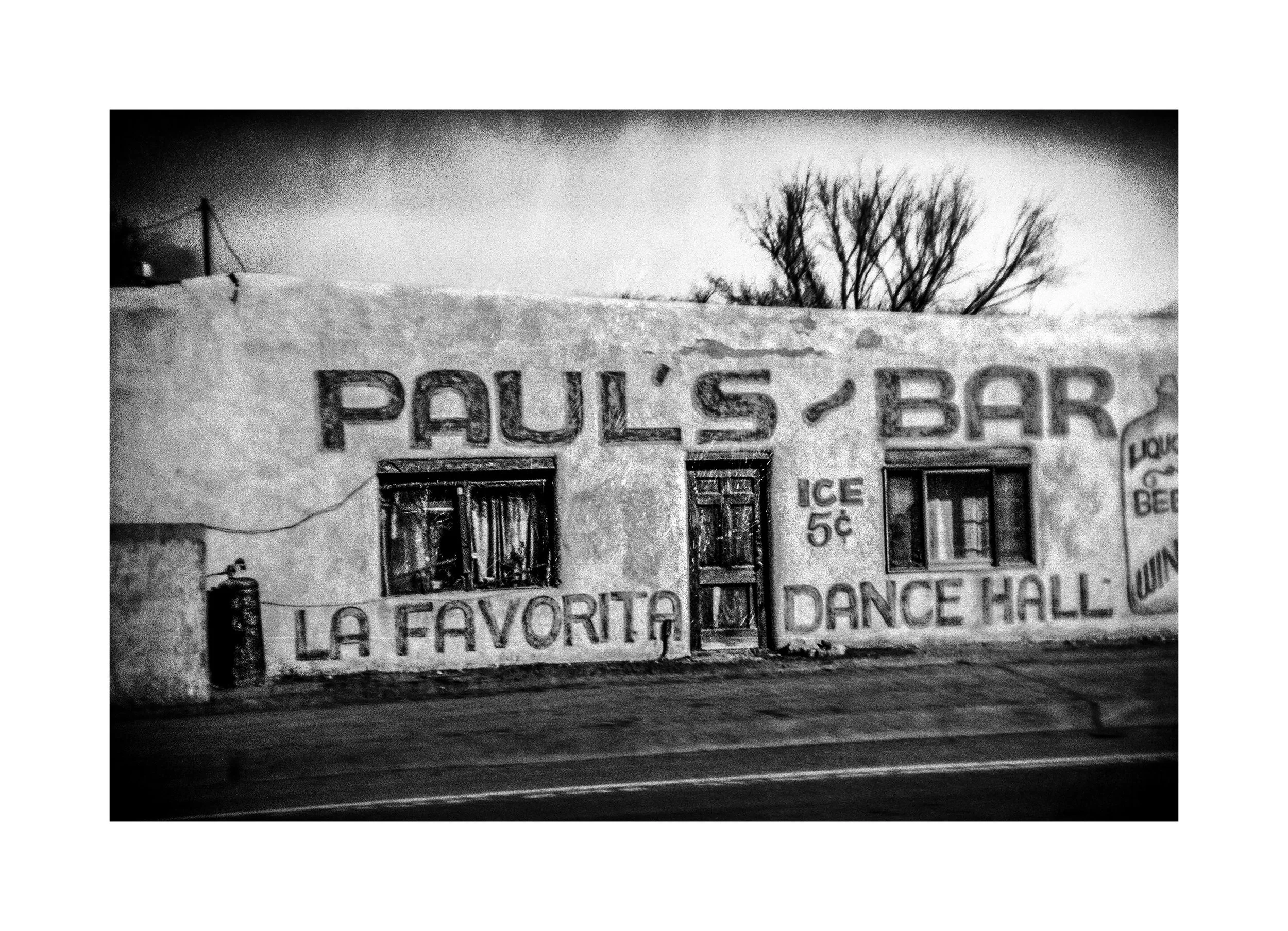
Ranchos de Taos, 2016
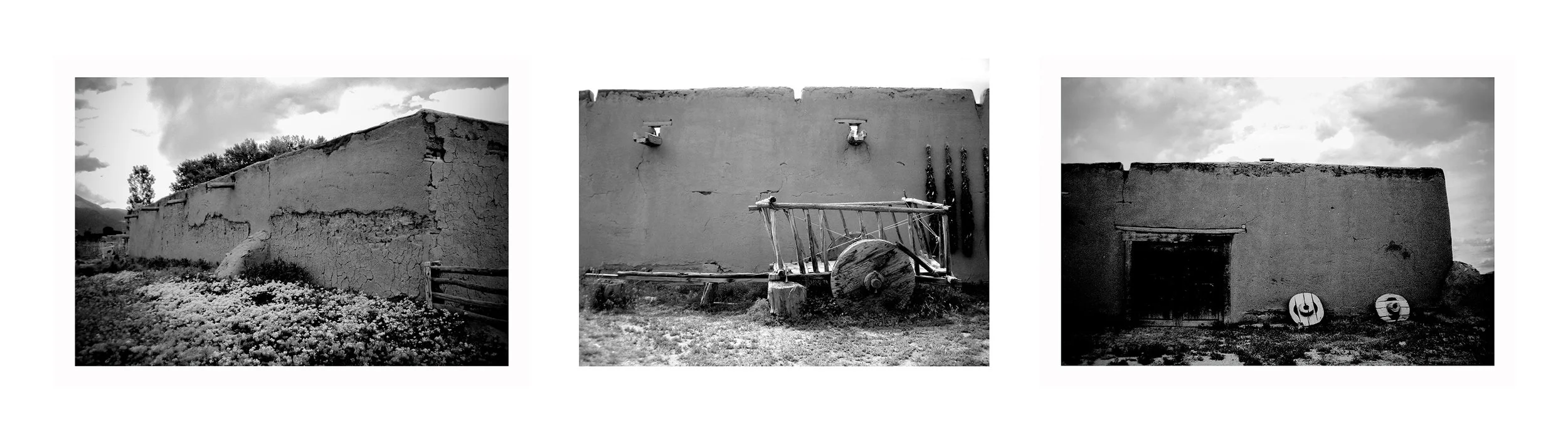
Taos, 2008
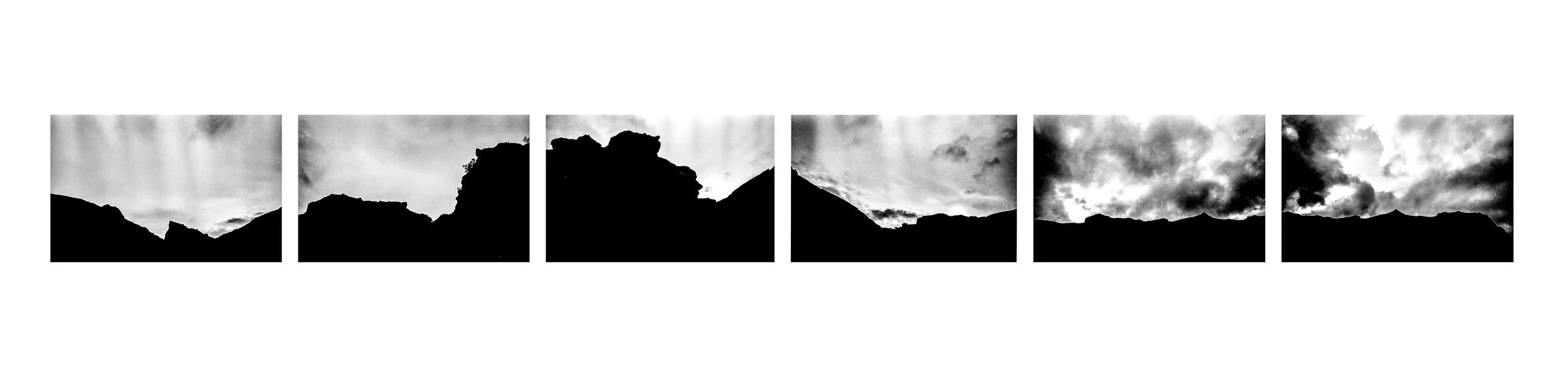
Iceland, 2025
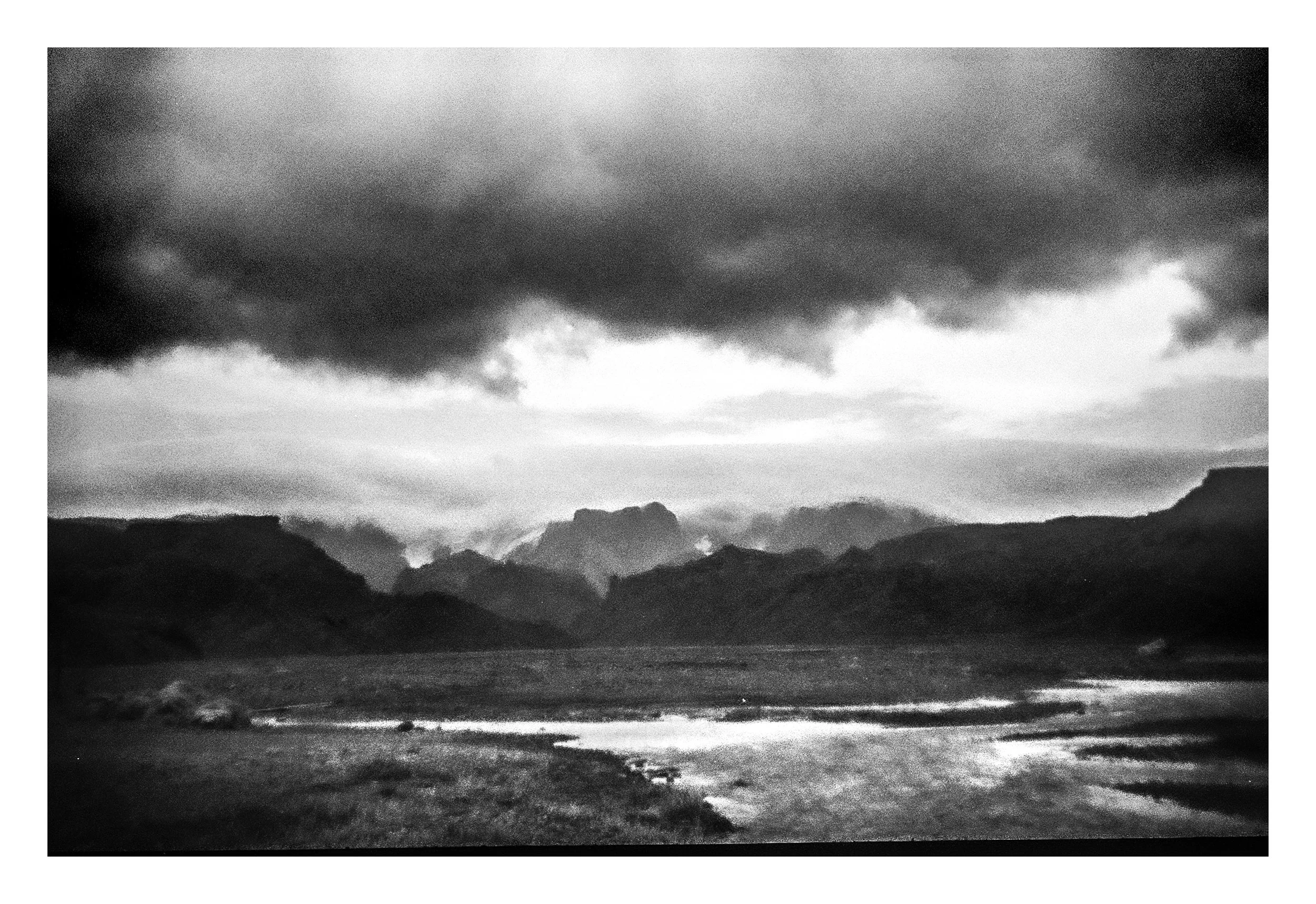
Iceland, 2025
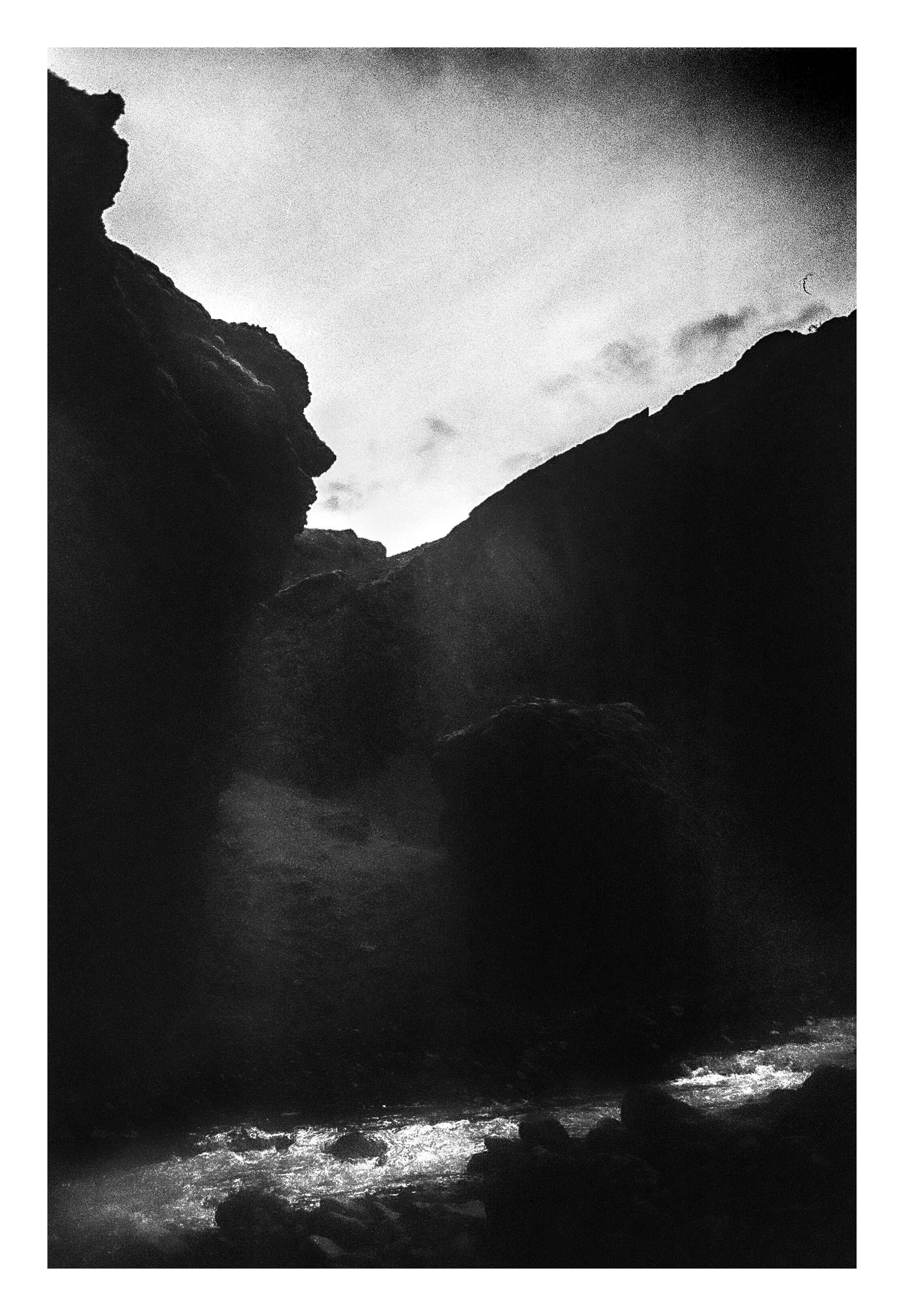
Iceland, 2025
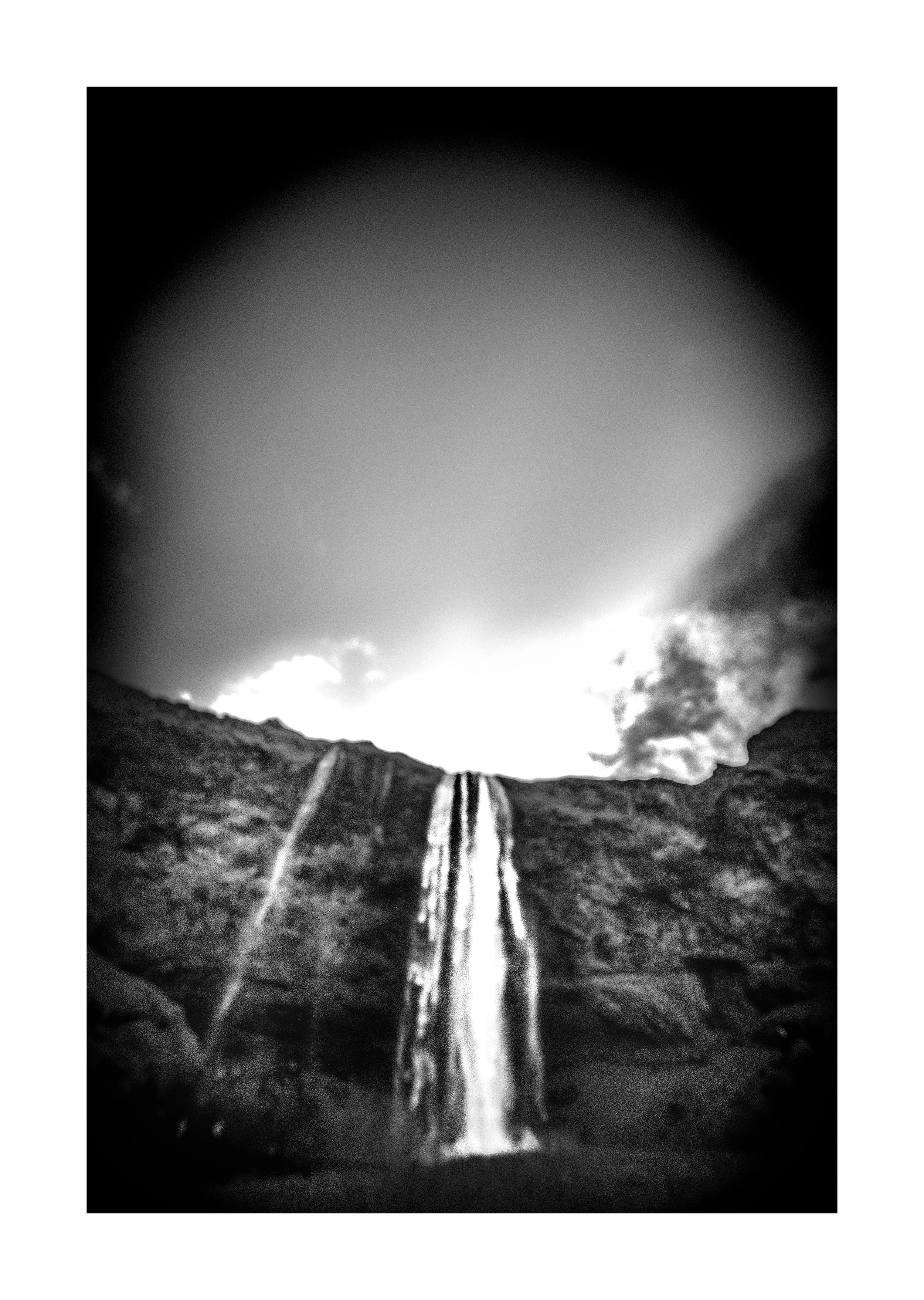
Iceland, 2025
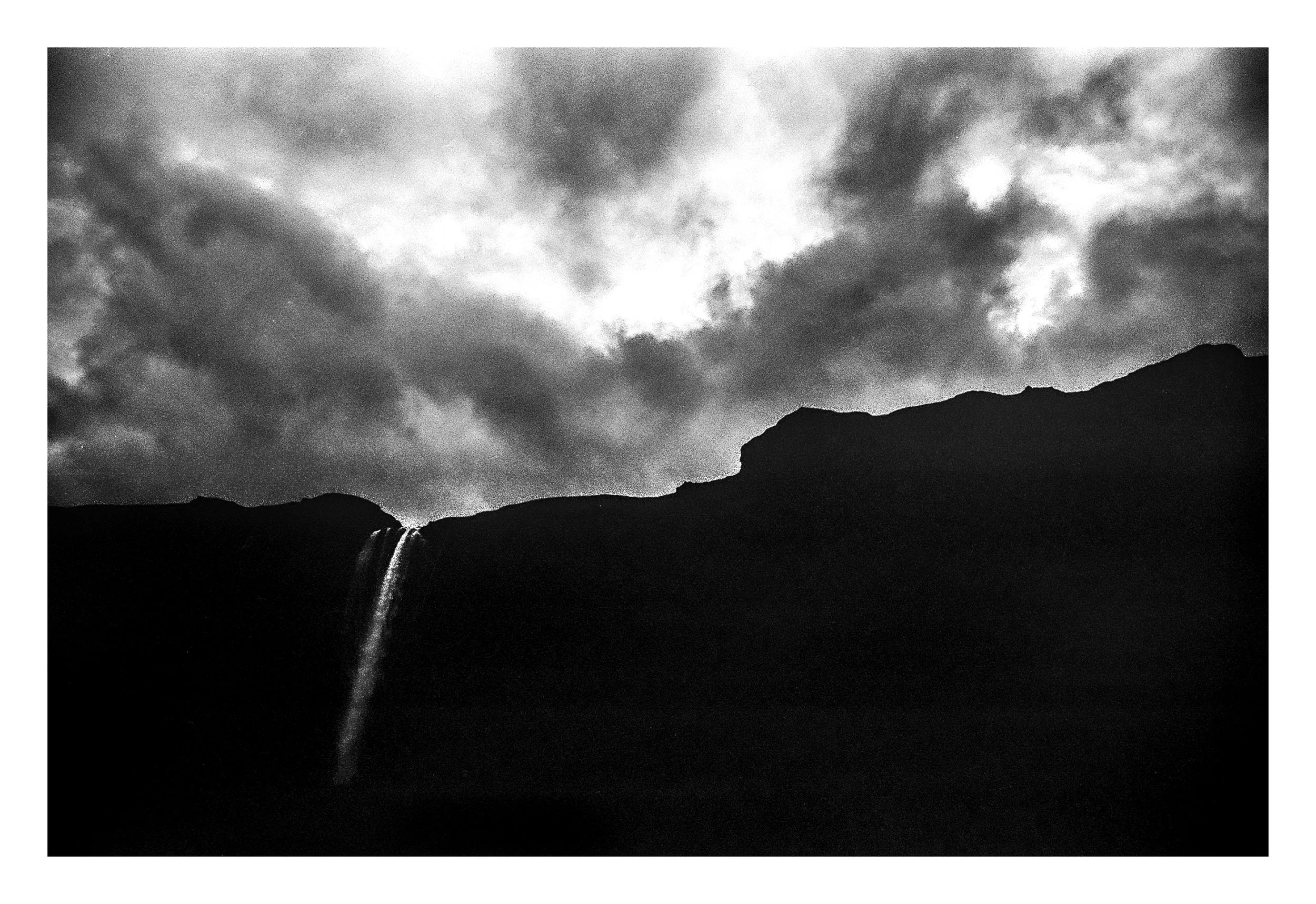
Iceland, 2025
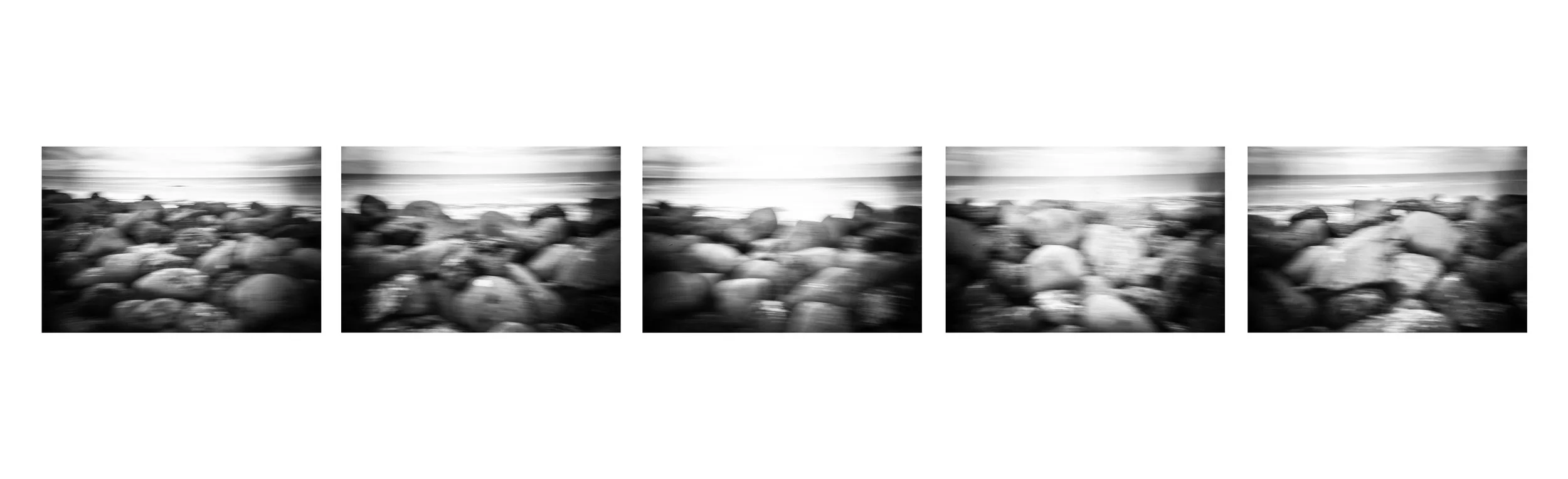
Eyrarbakki, 2025
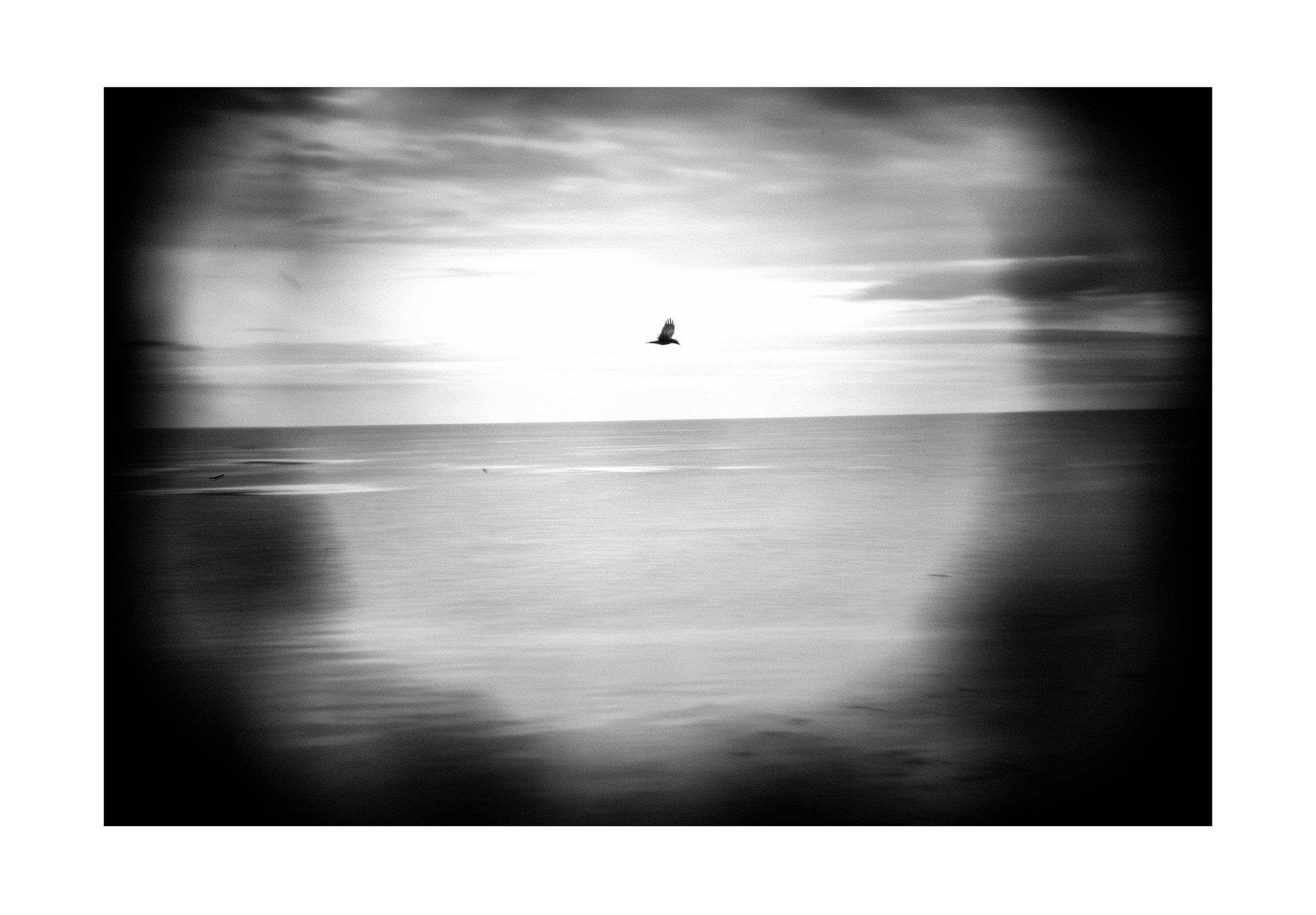
Eyrarbakki, 2025
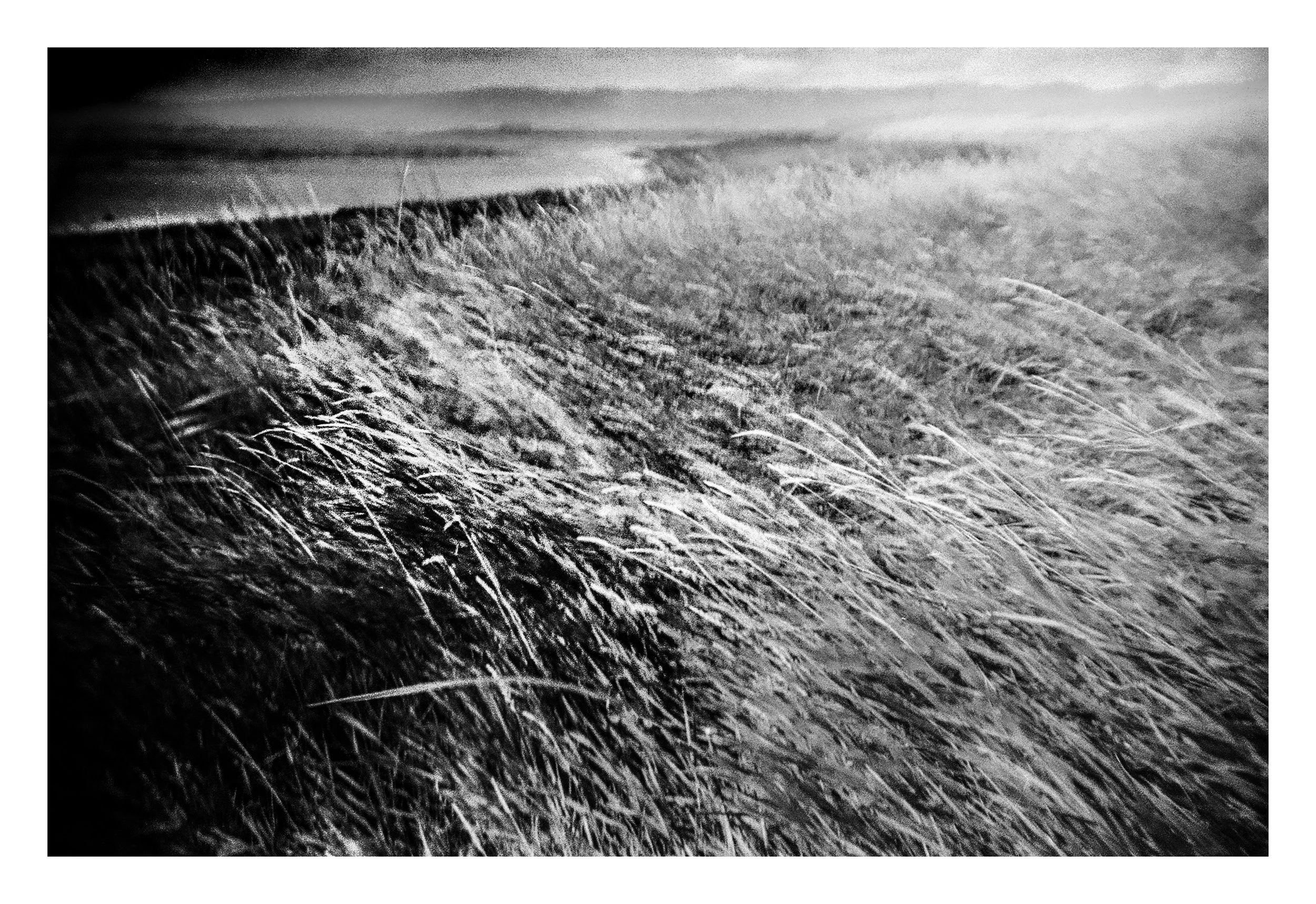
Eyrarbakki, 2025
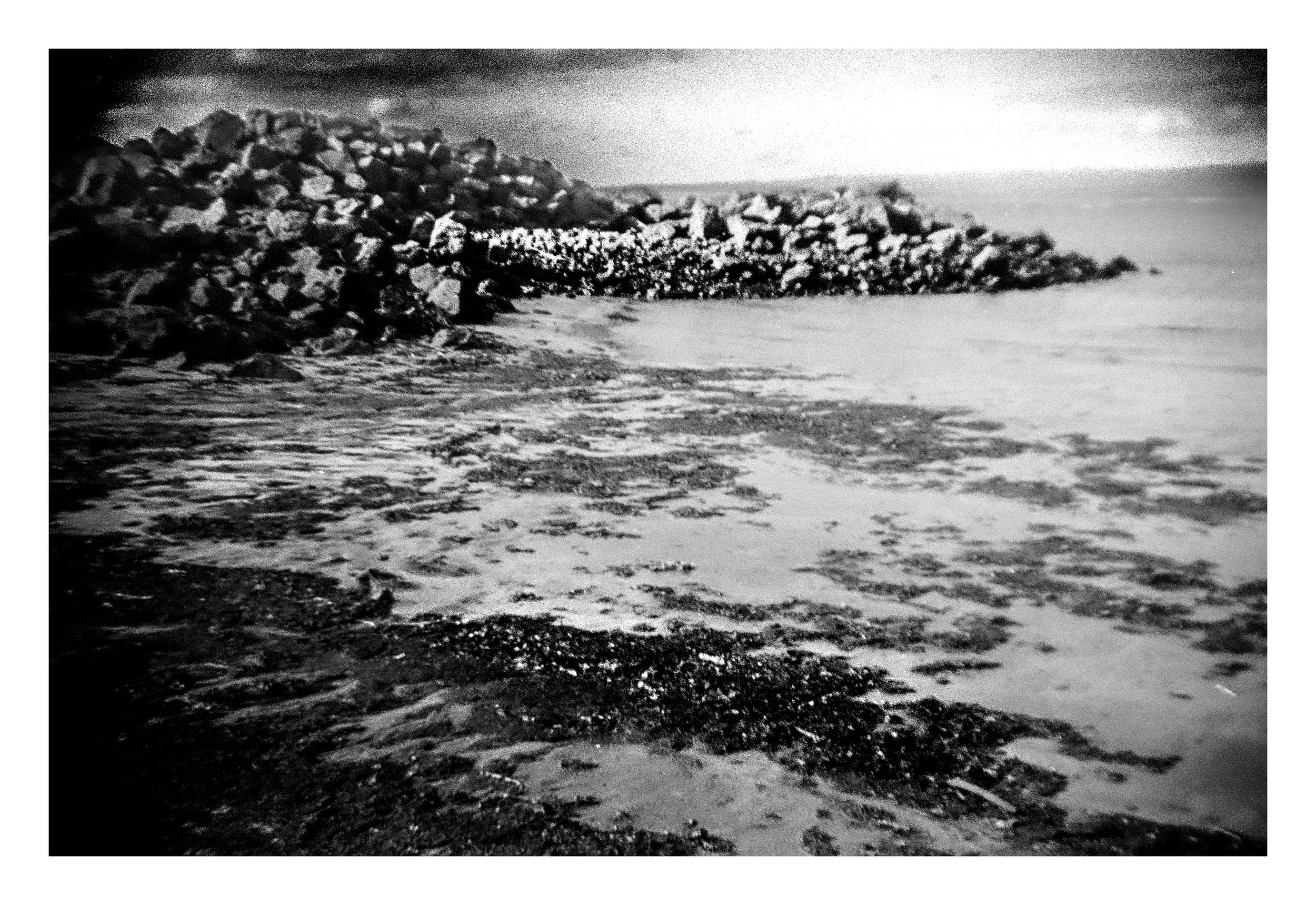
Eyrarbakki, 2025
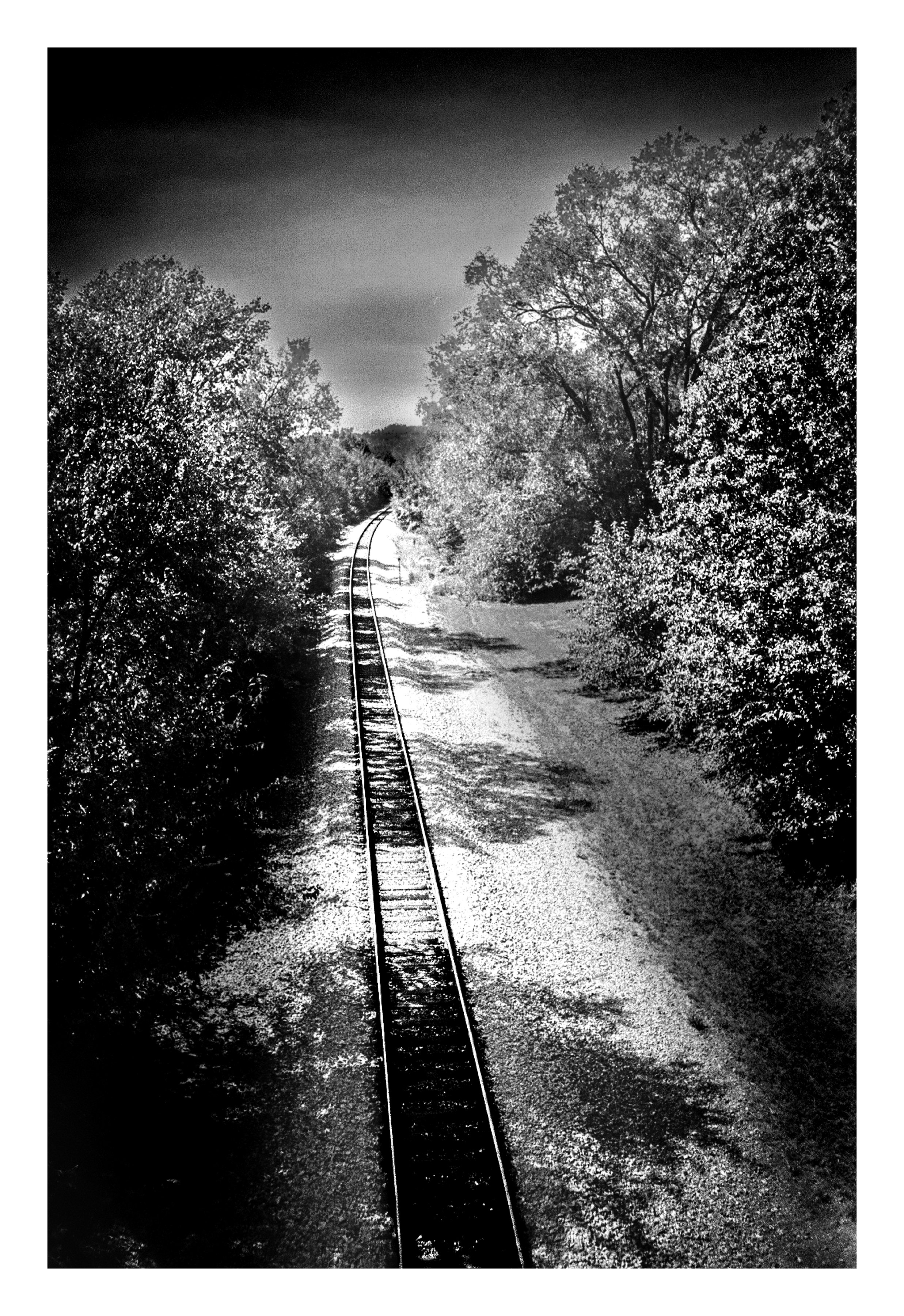
Kickapoo, 2025
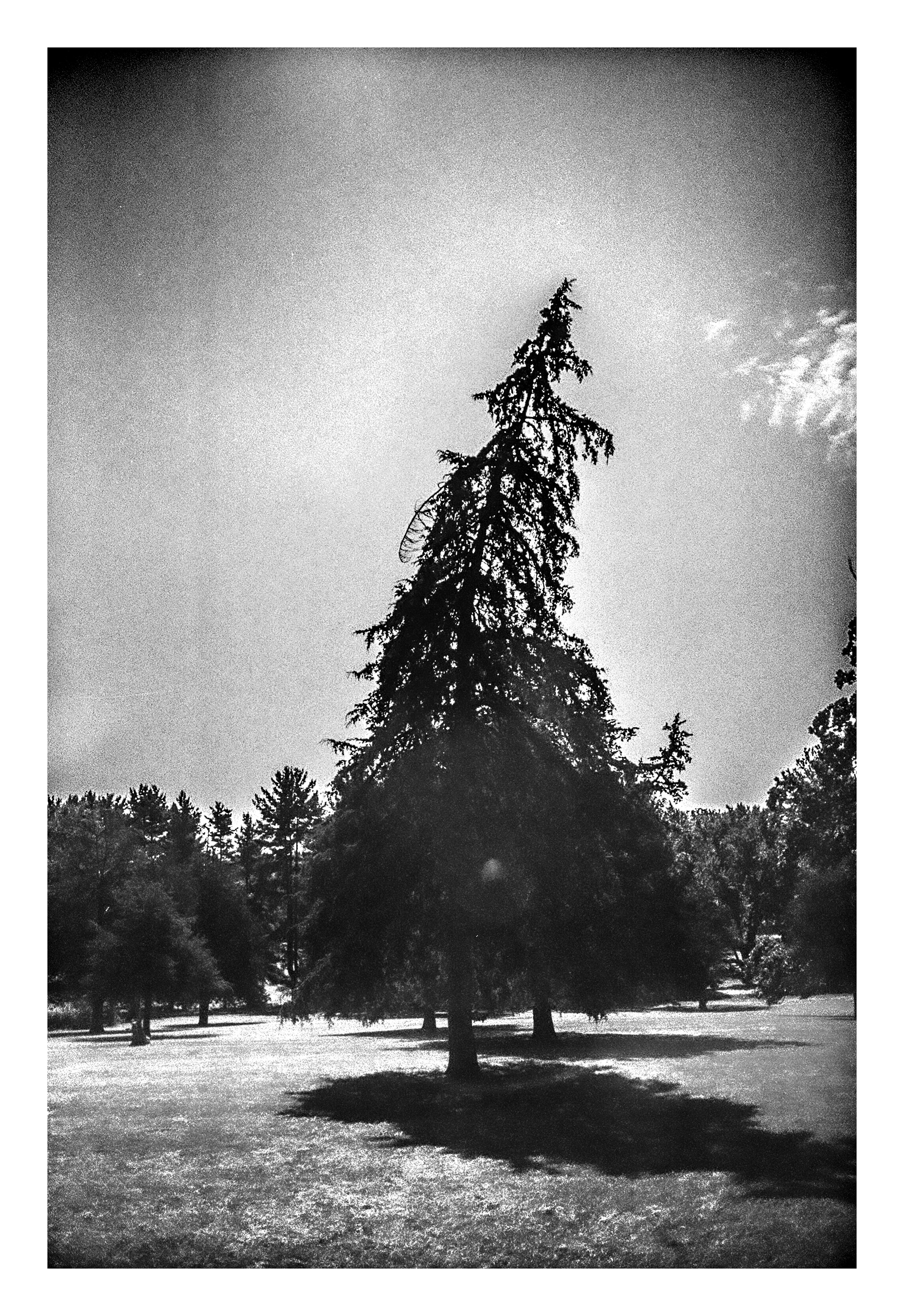
Jubilee, 2025
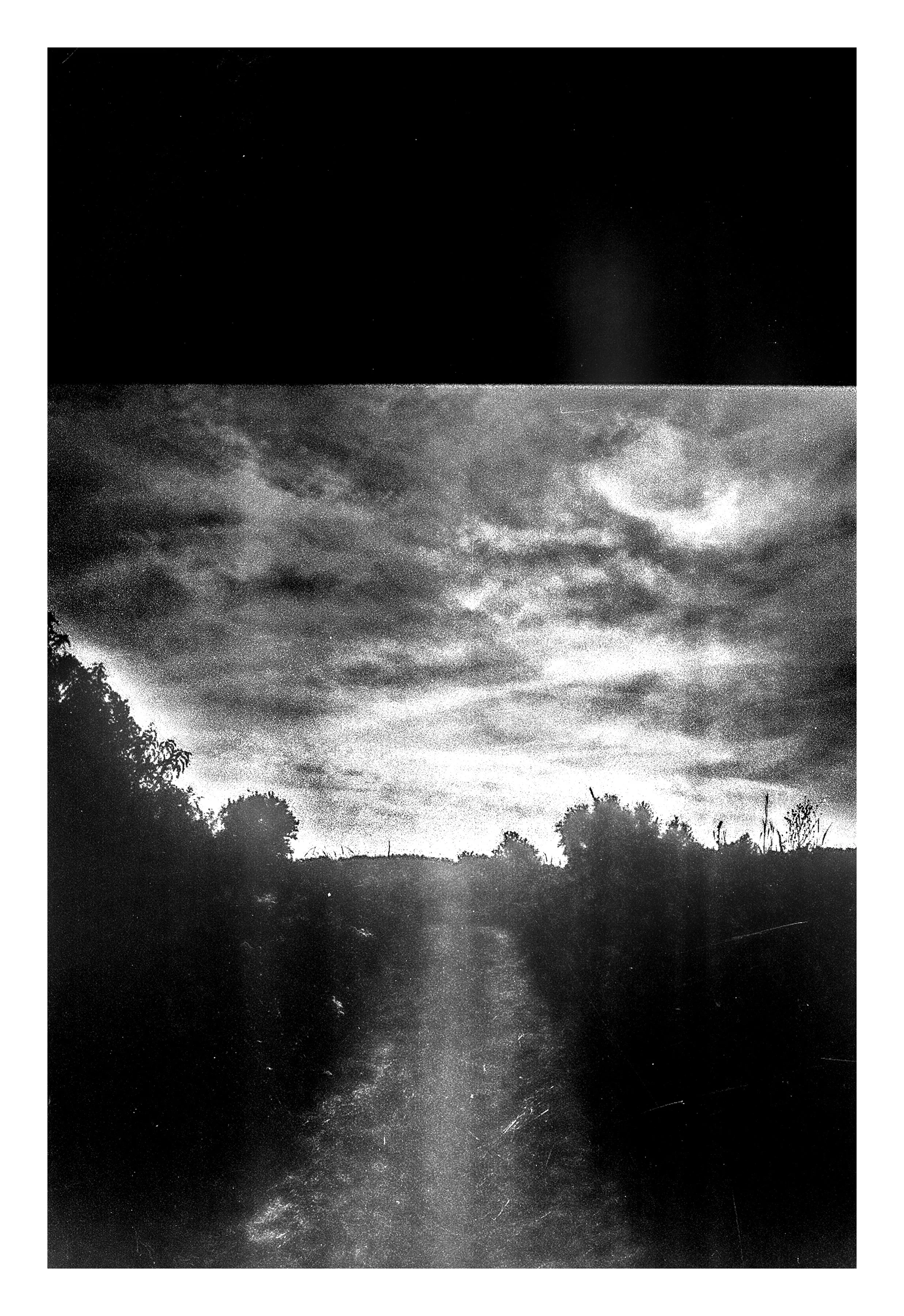
Jubilee, 2025
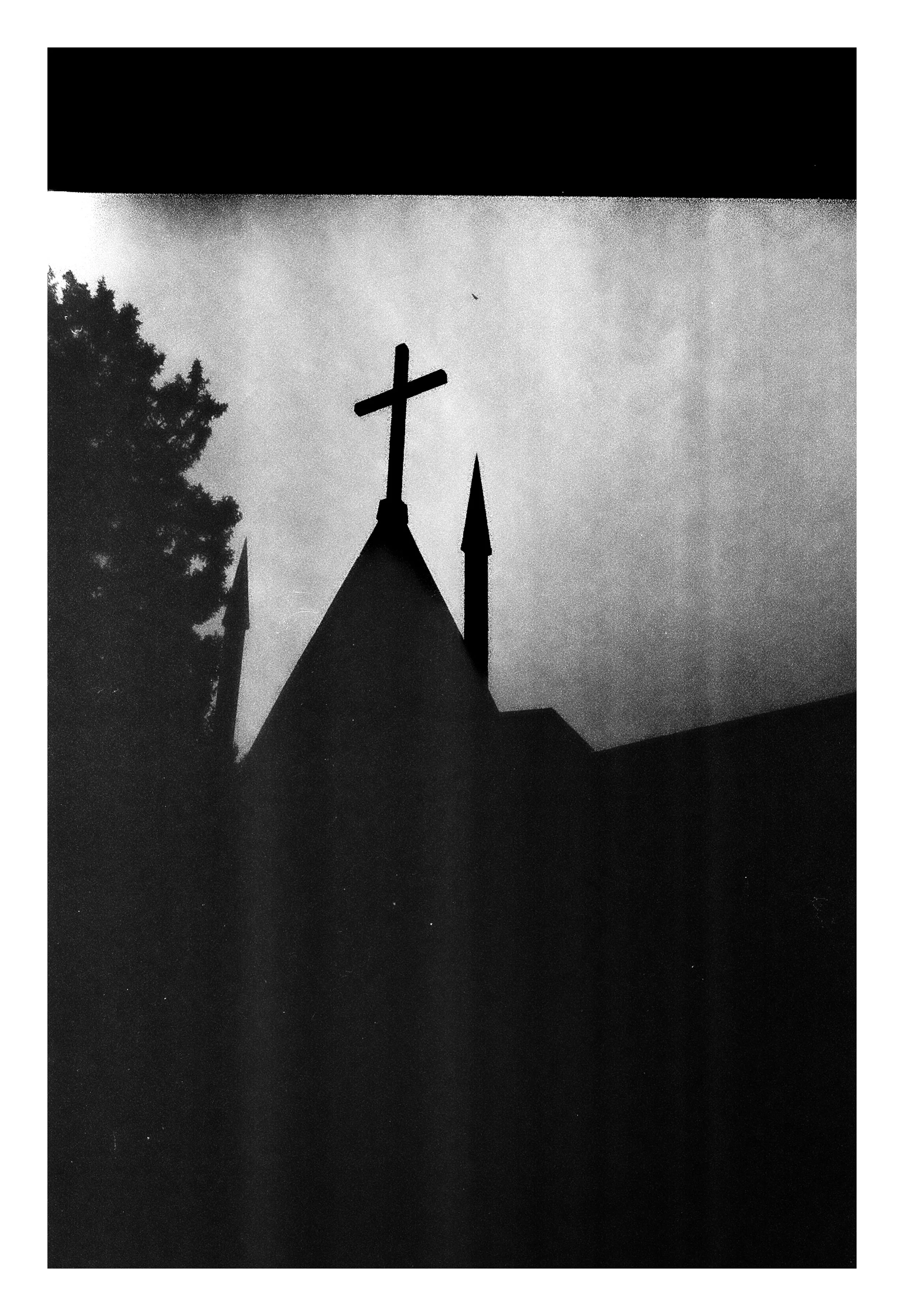
Jubilee, 2025
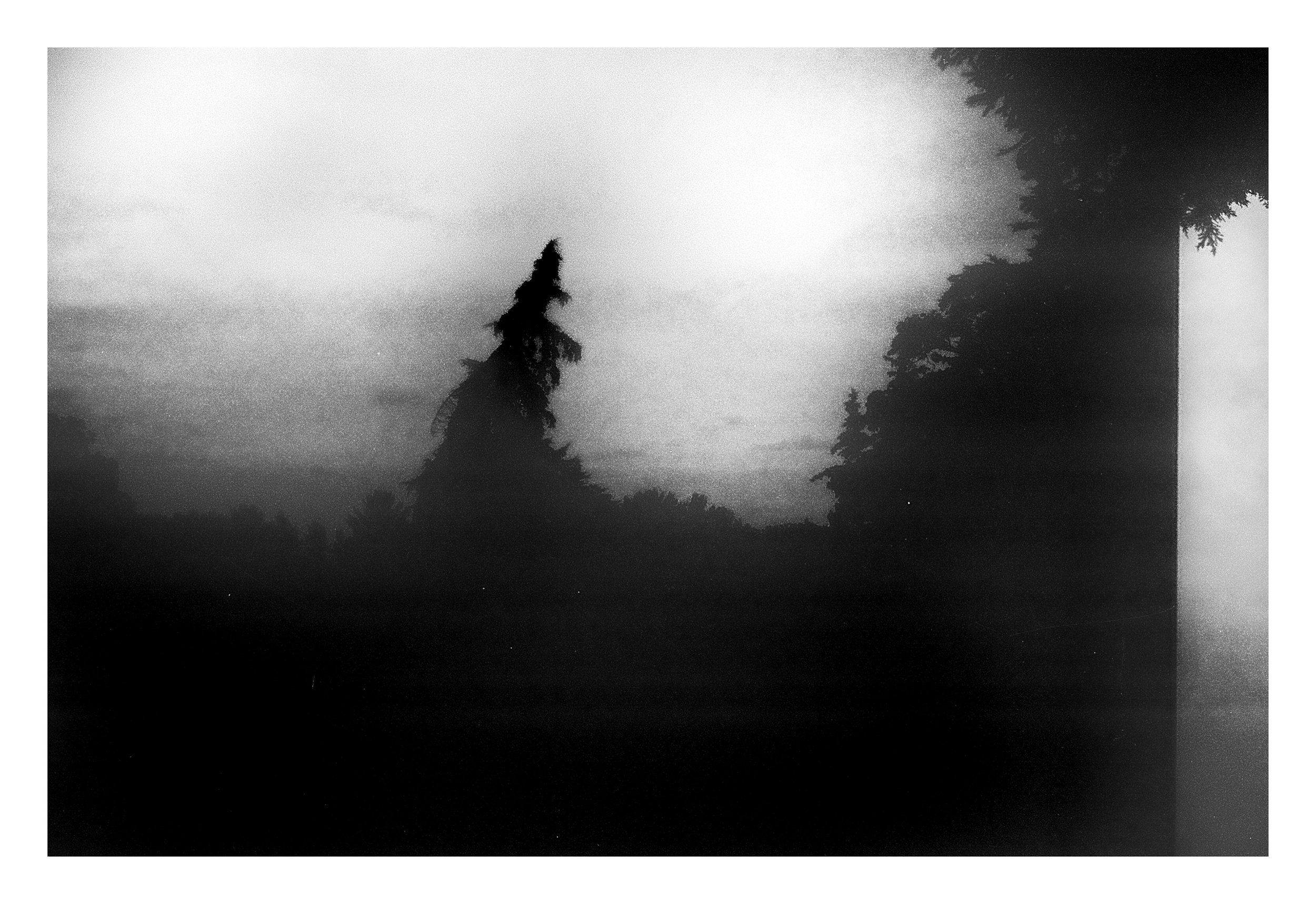
Jubilee, 2025
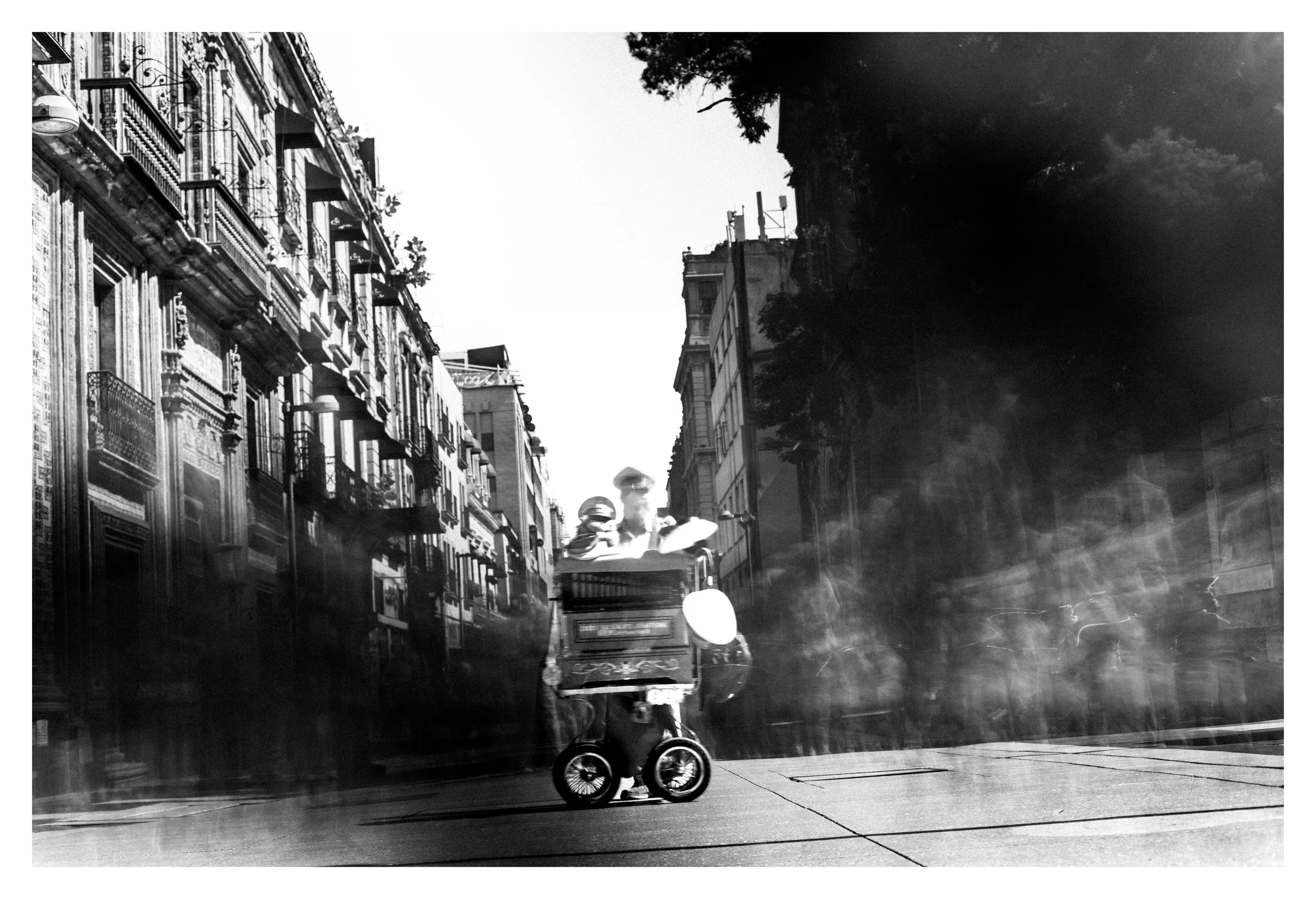
Mexico City, 2025
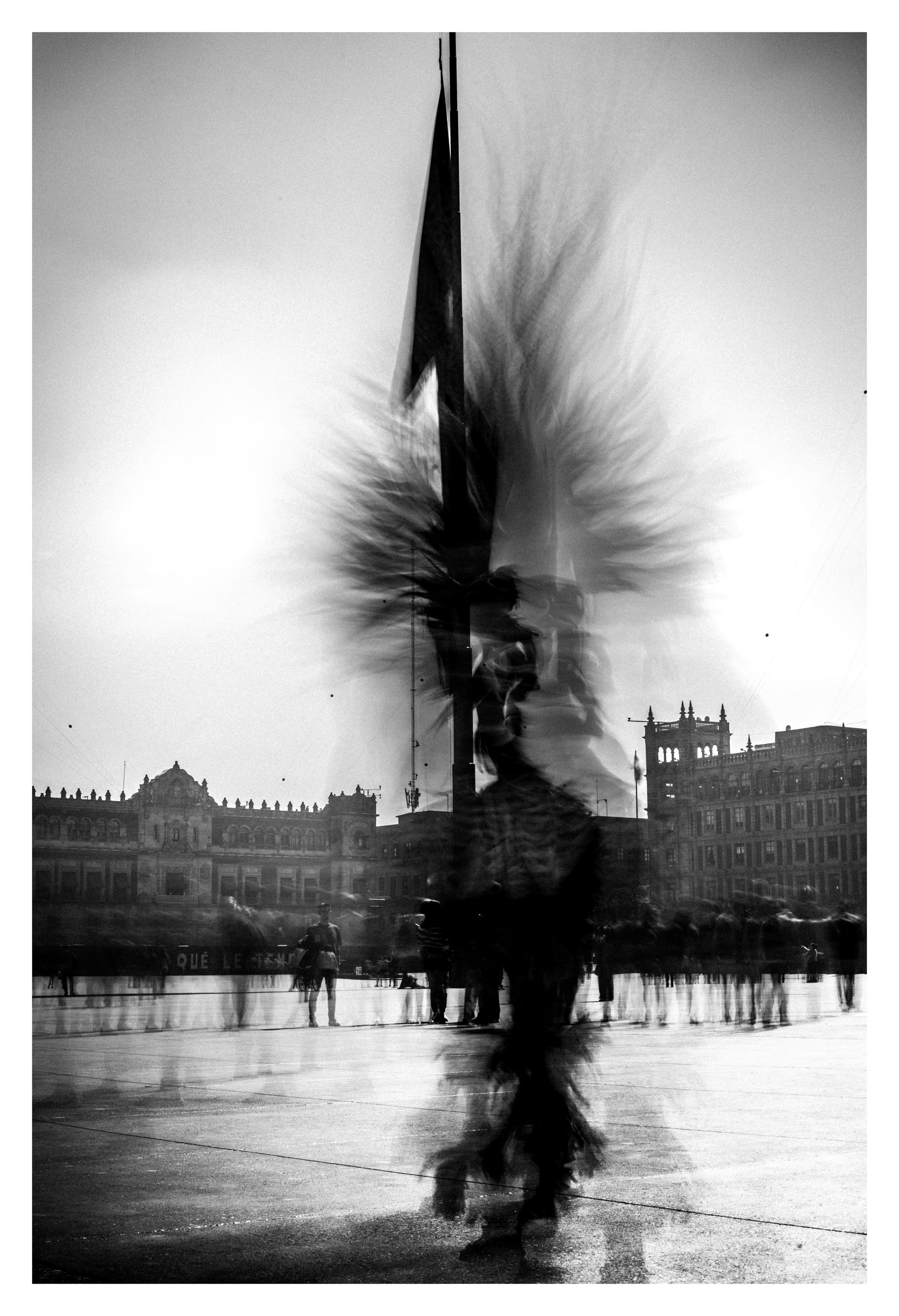
Mexico City, 2025
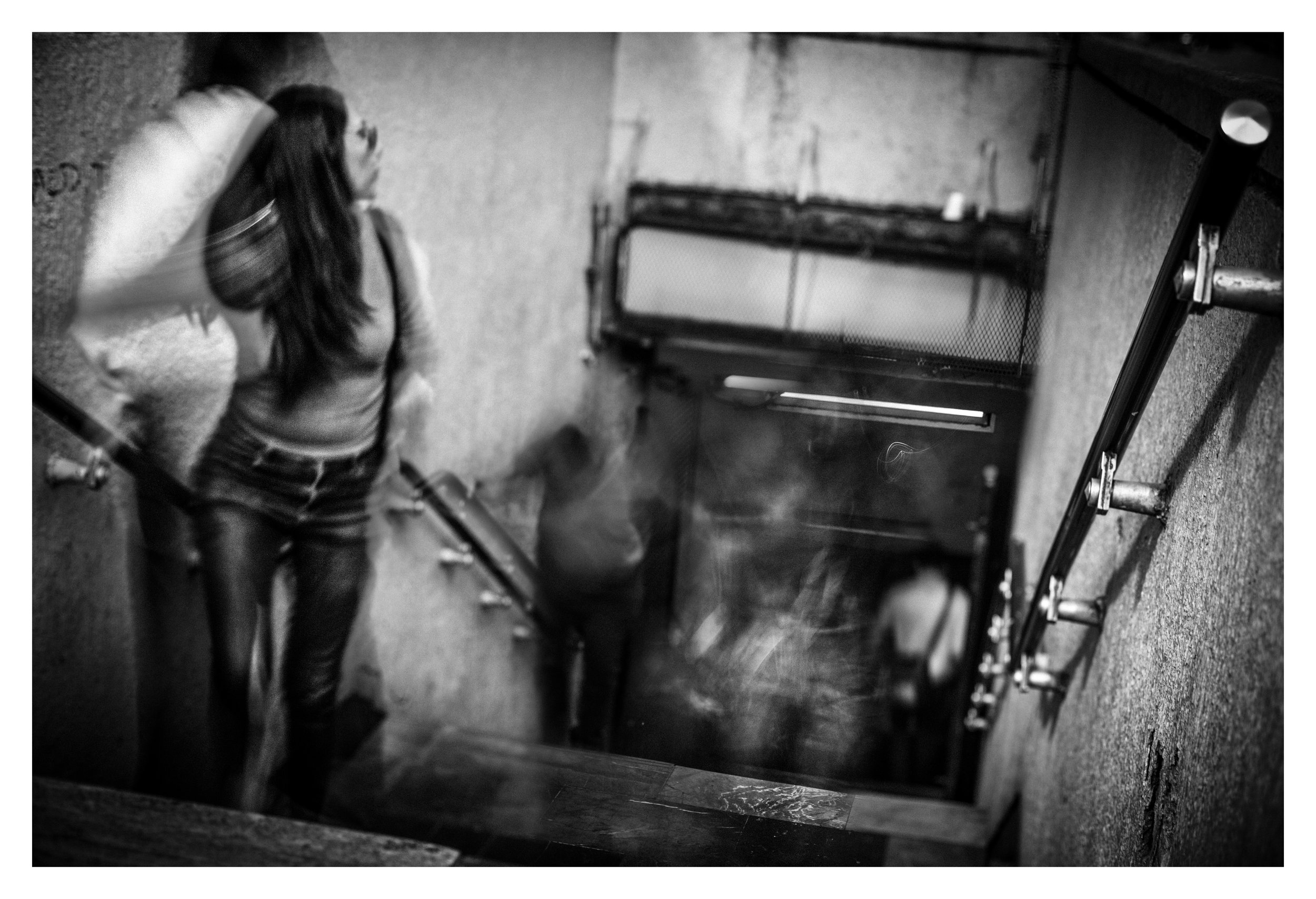
Mexico City, 2025
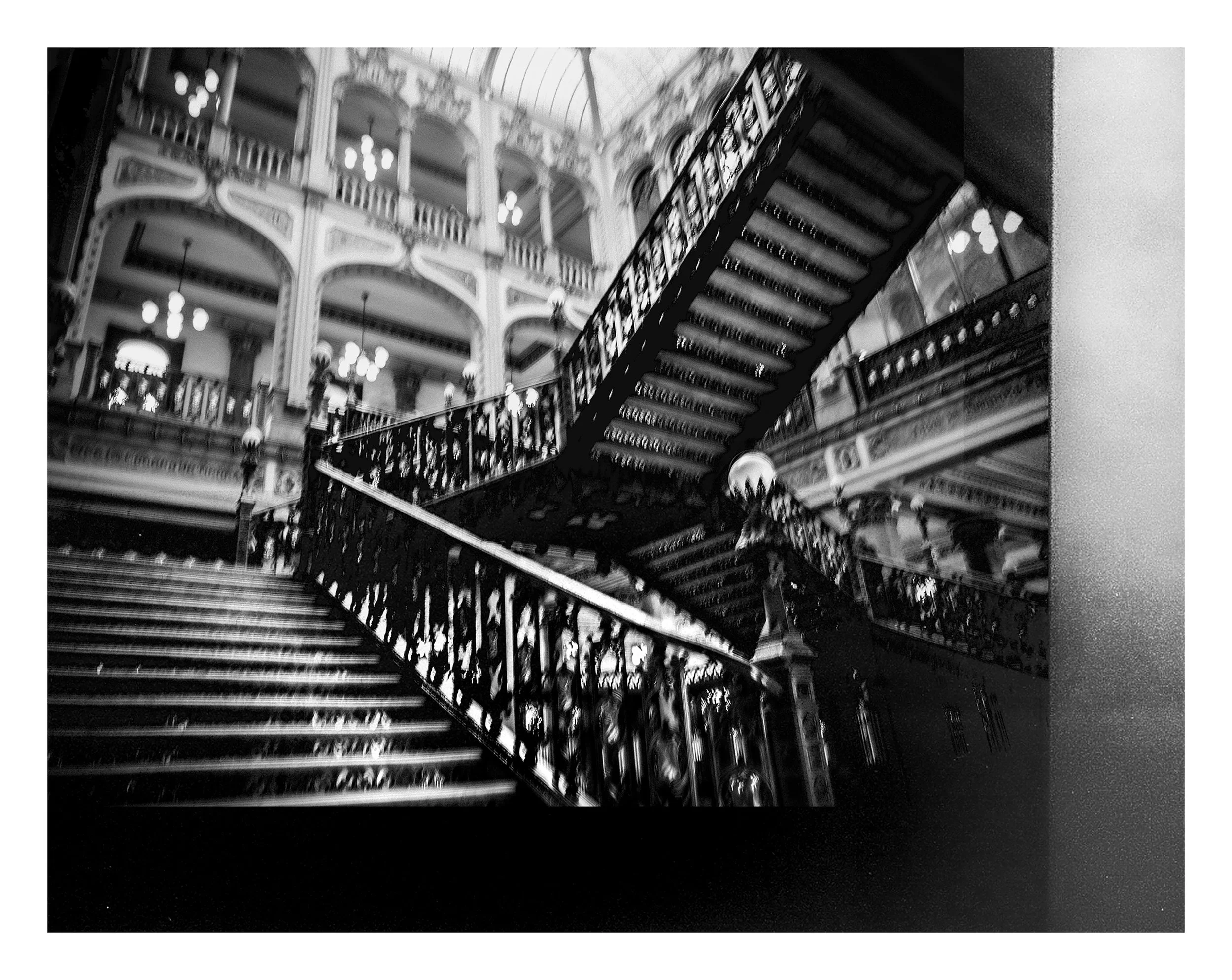
Palacio Postal, 2025
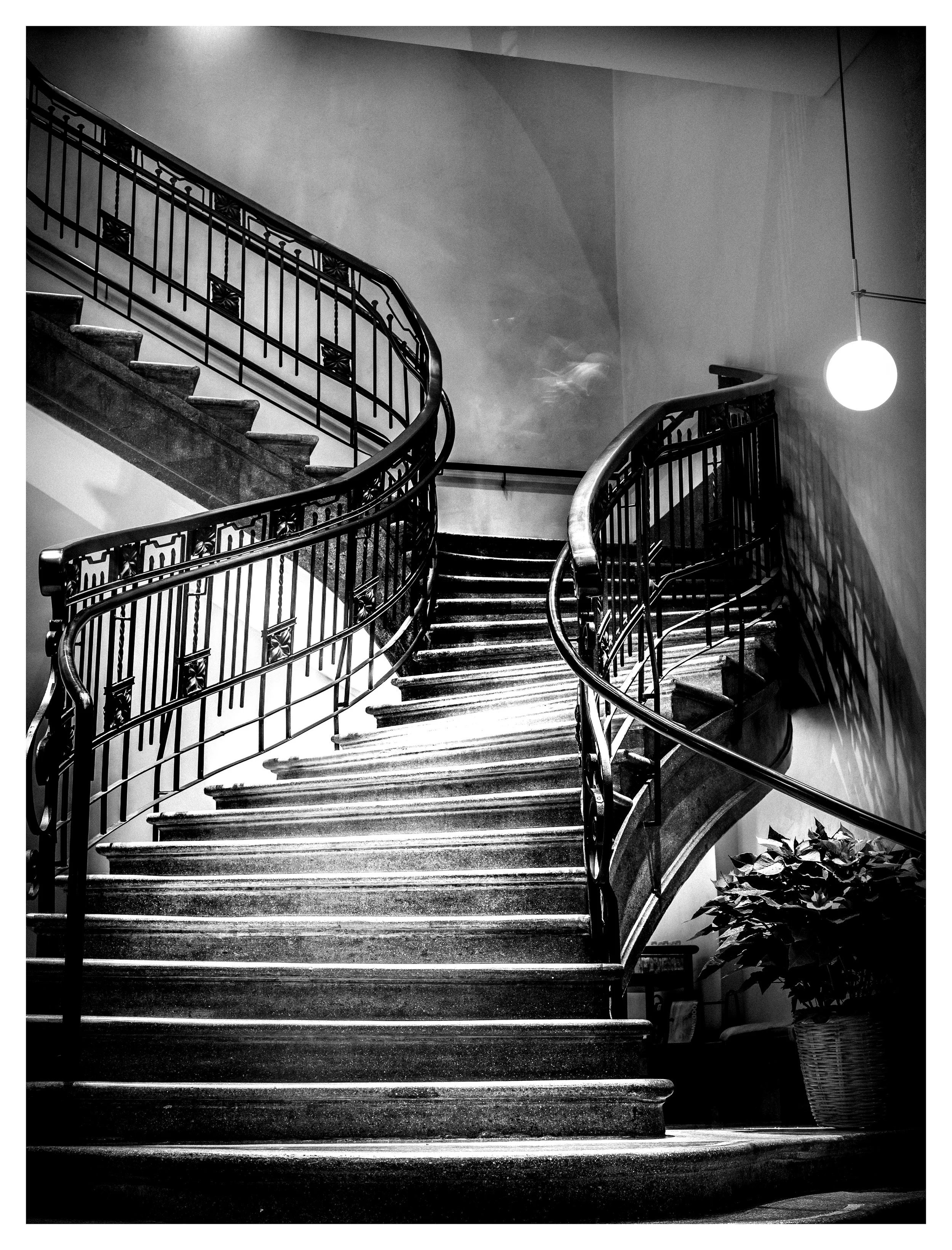
Mexico City, 2025
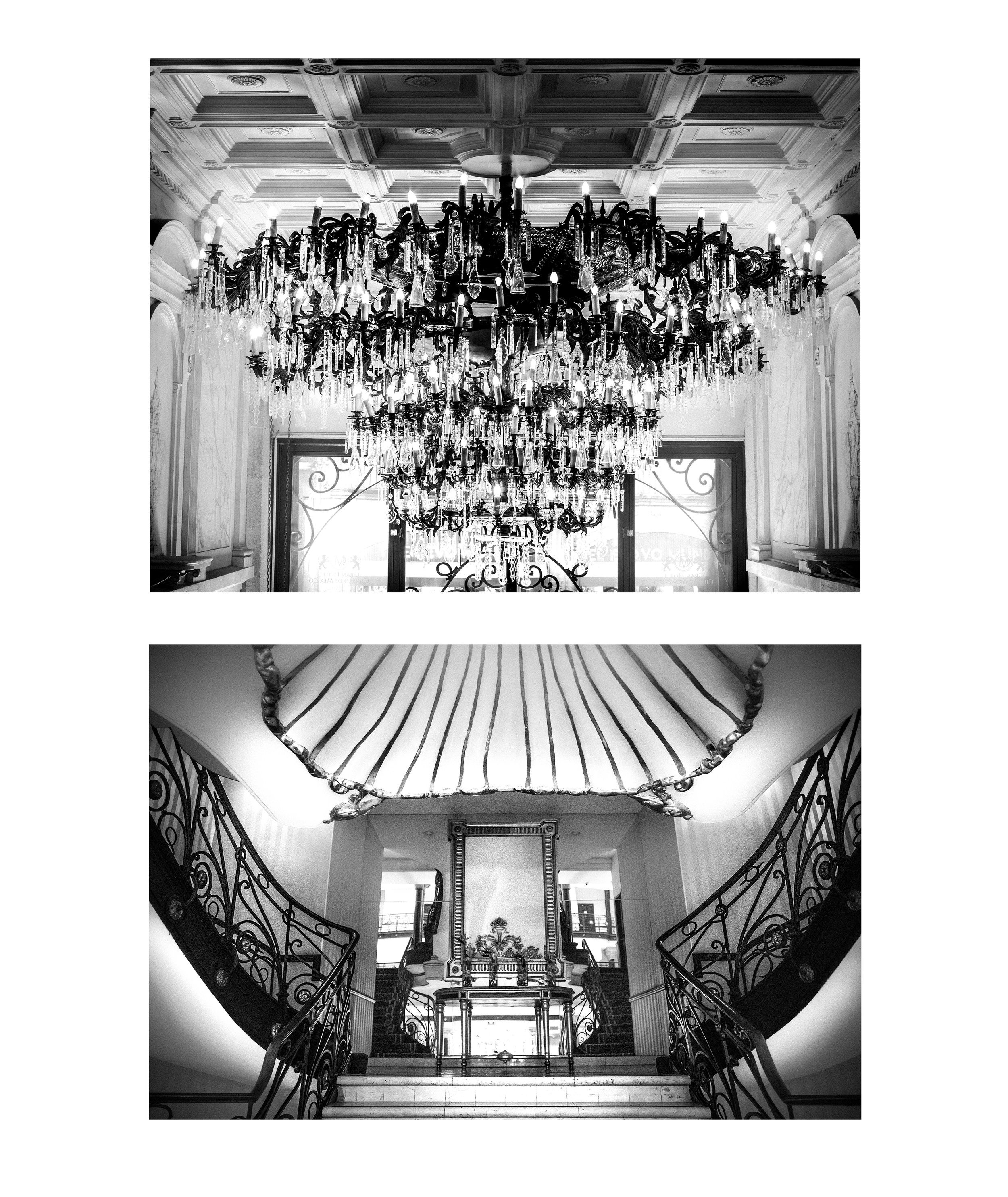
Gran Hotel, 2025
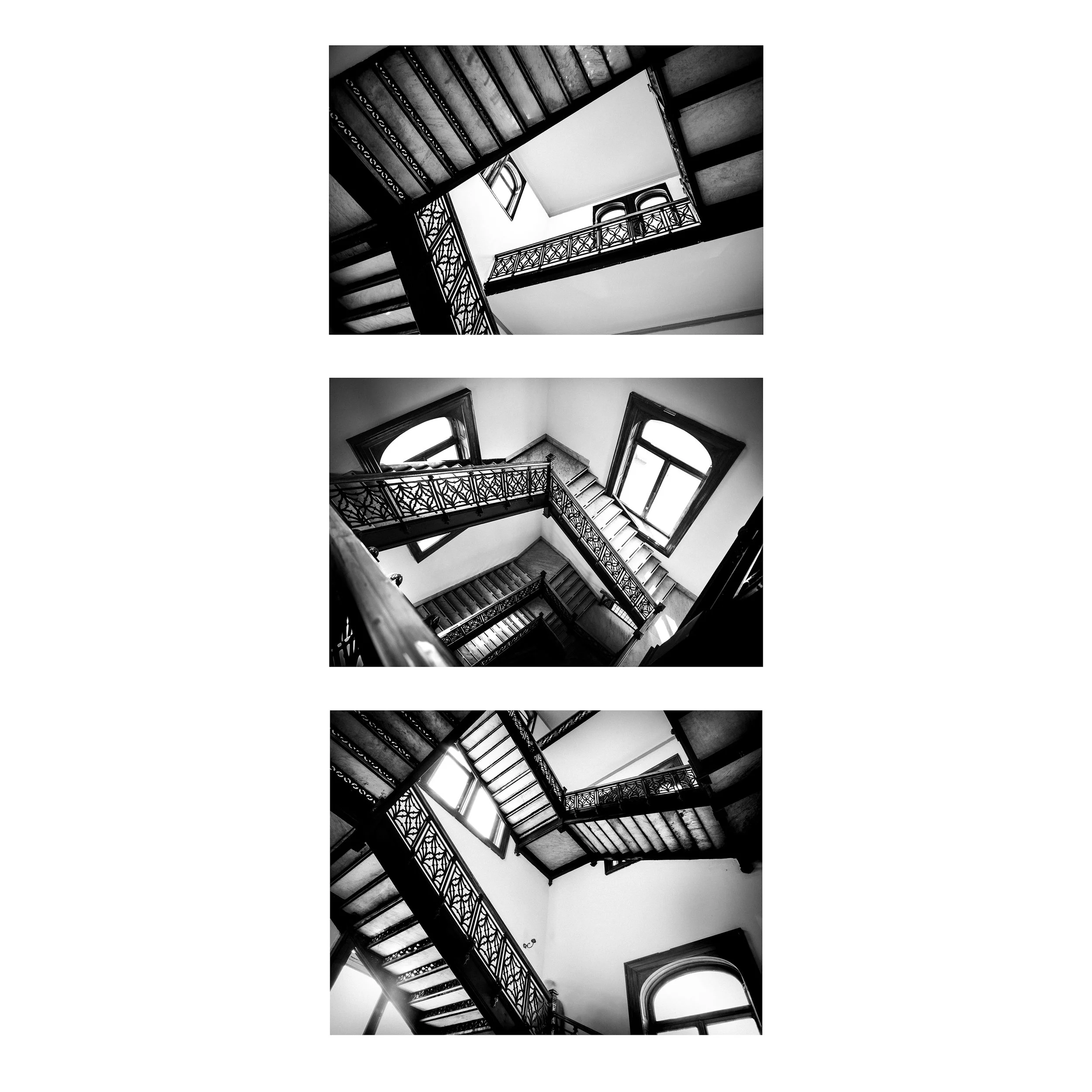
Palacio Postal, 2025
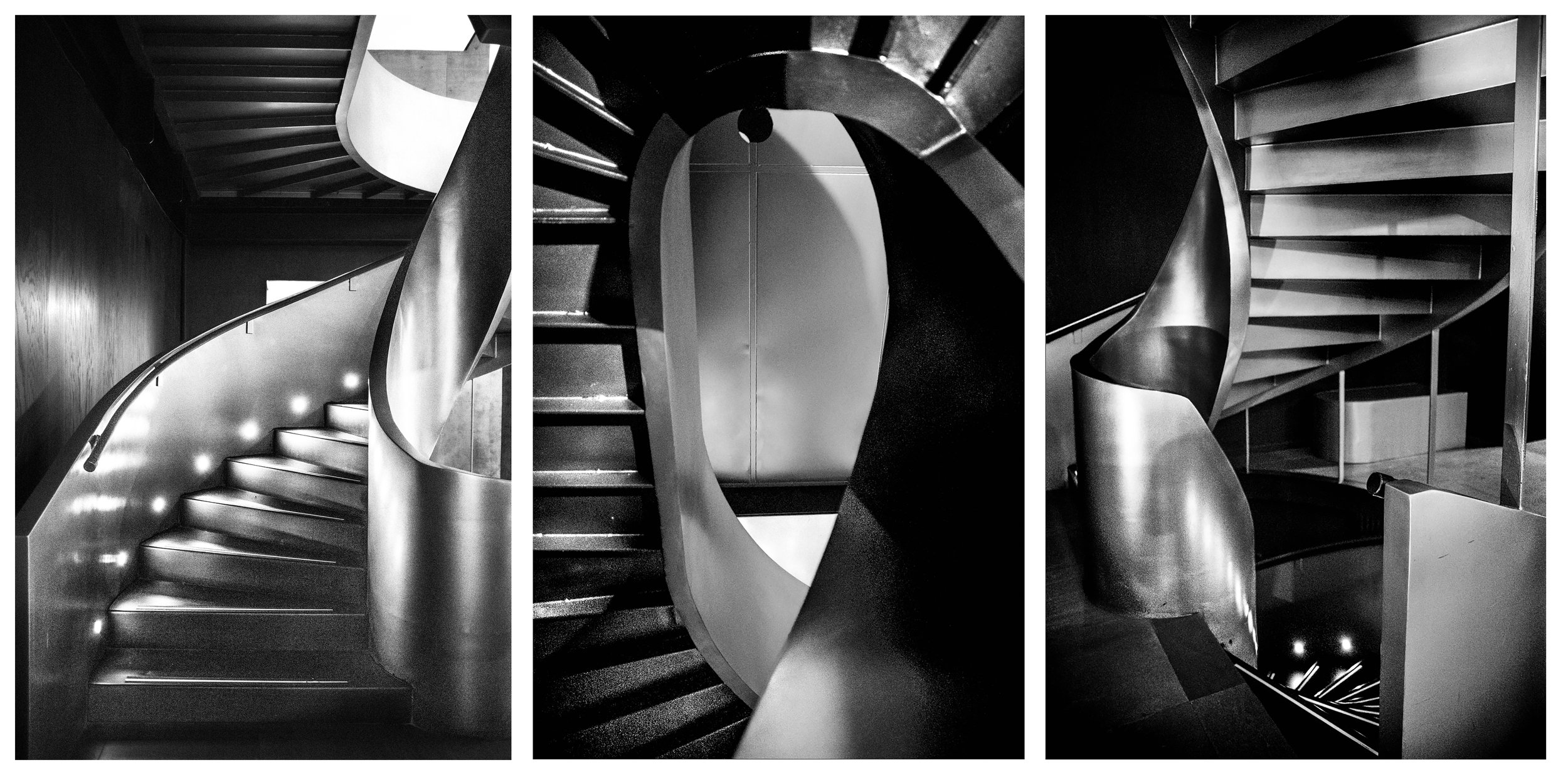
Volga, 2025
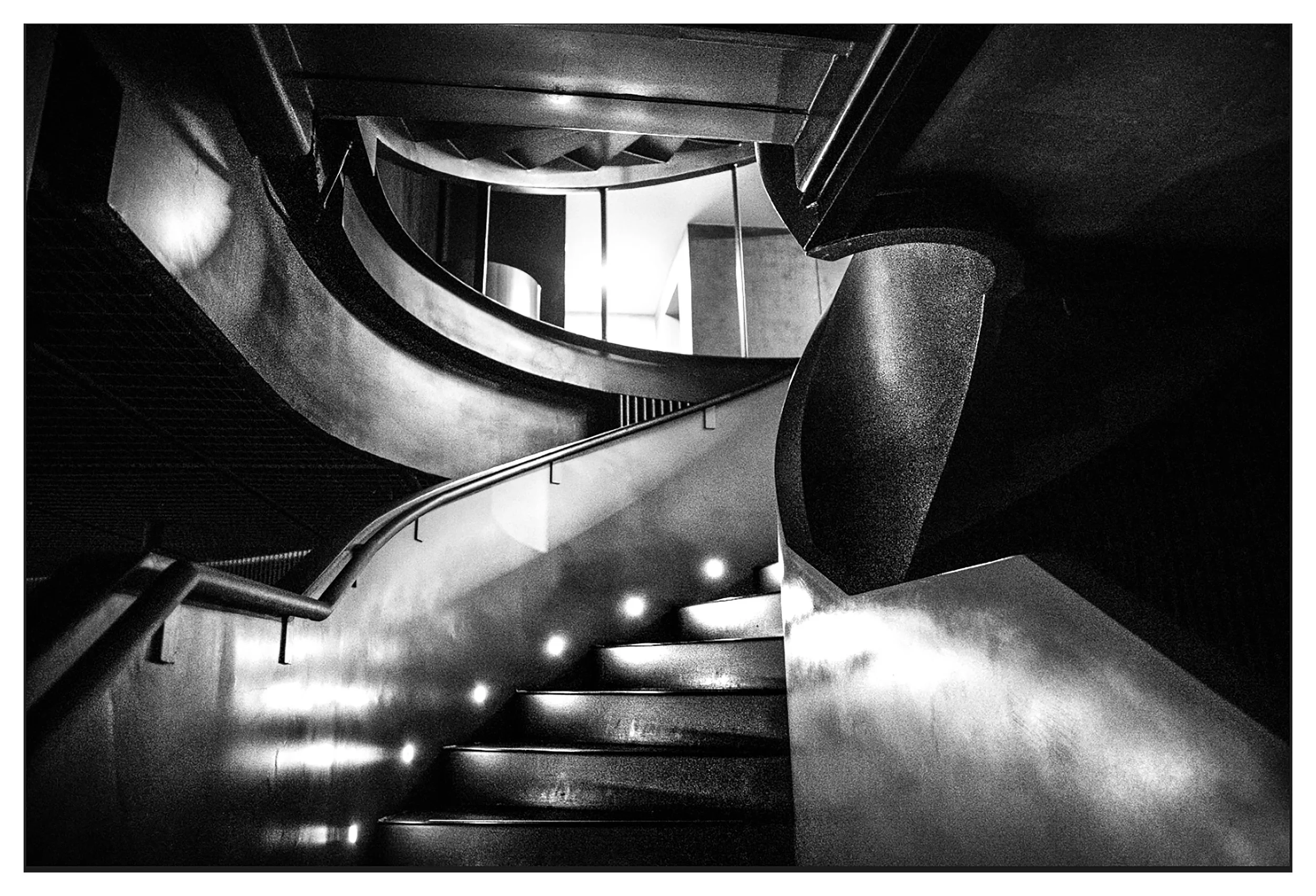
Volga, 2025
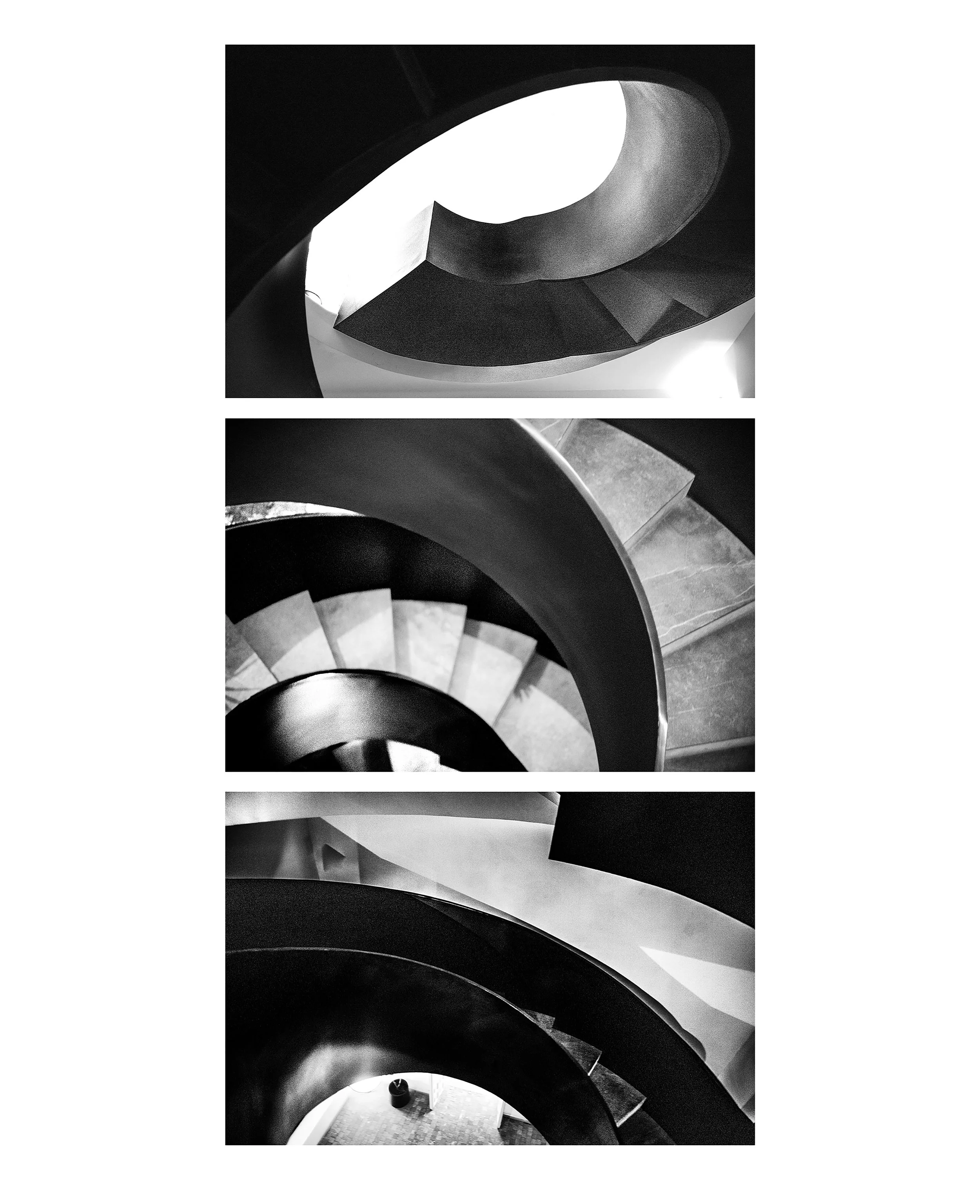
Double World, 2025
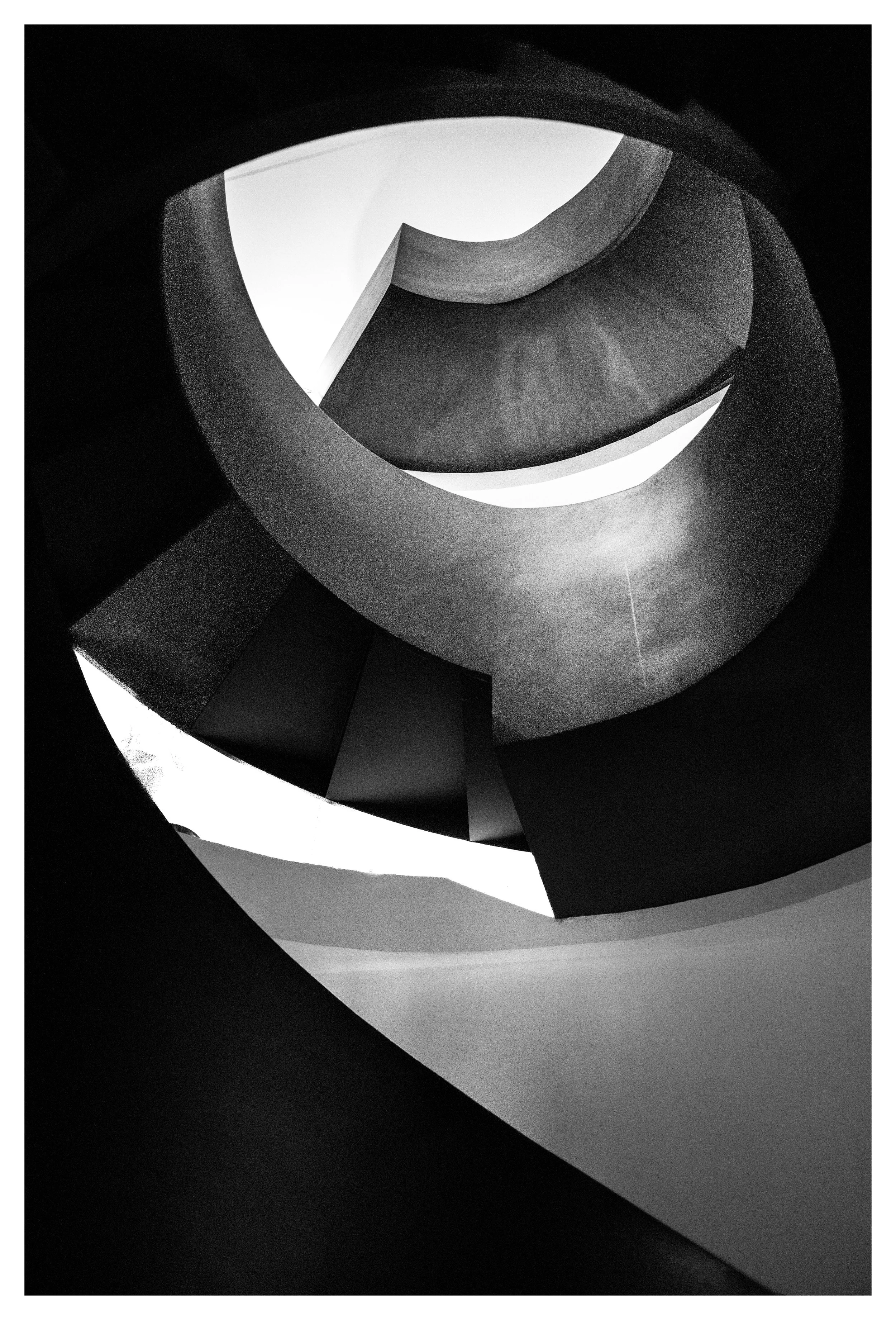
Double World, 2025
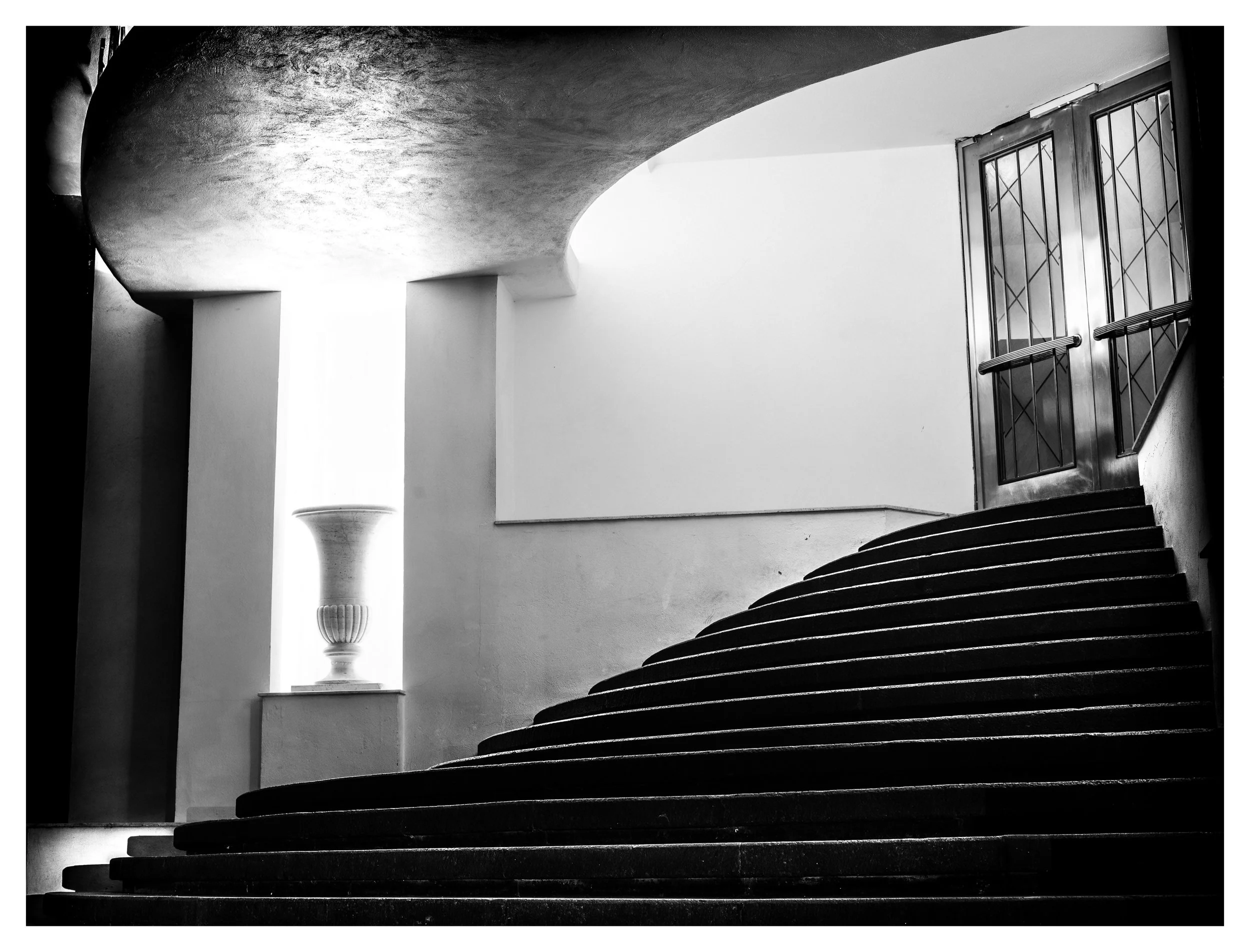
Basurto, 2025
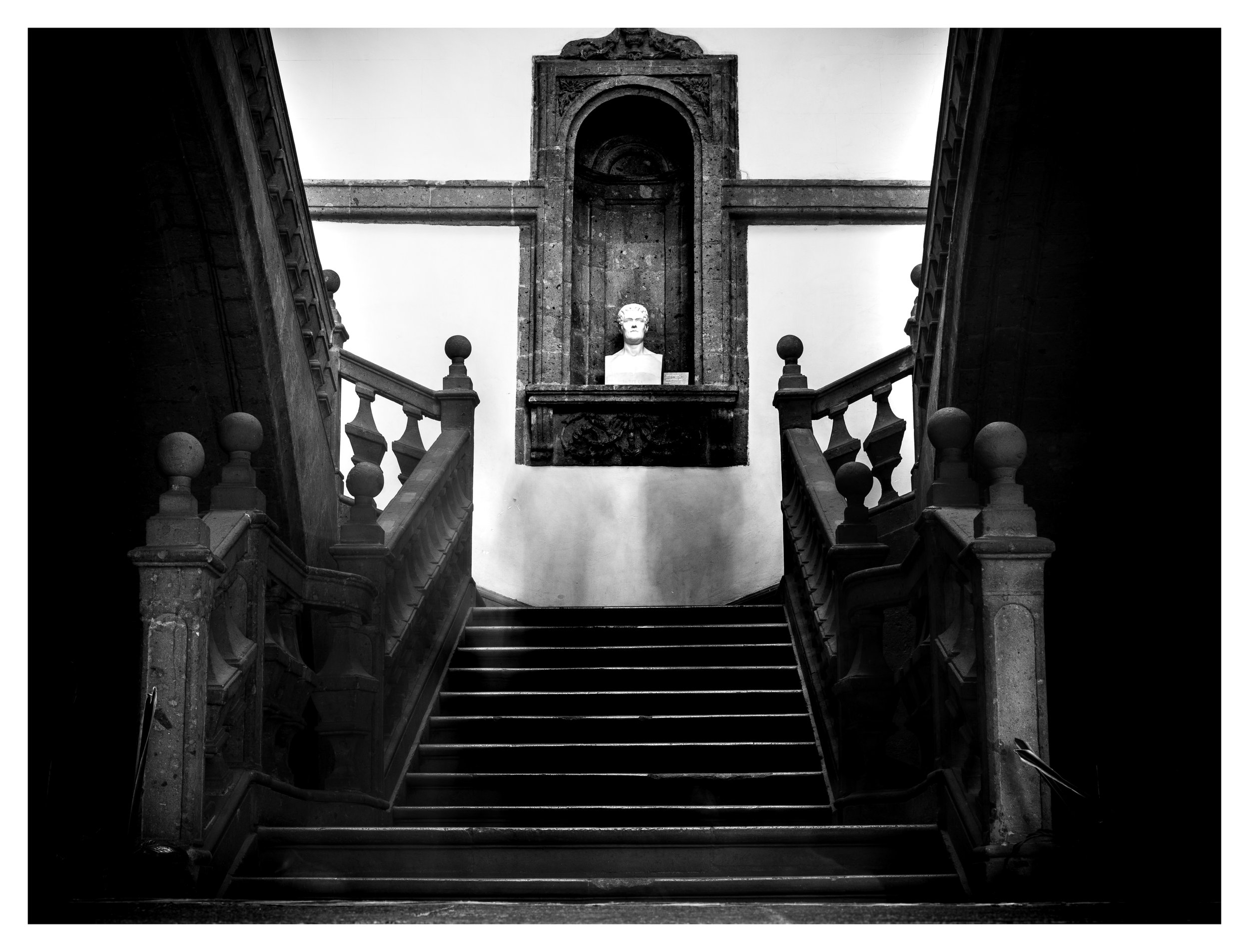
San Carlos, 2025
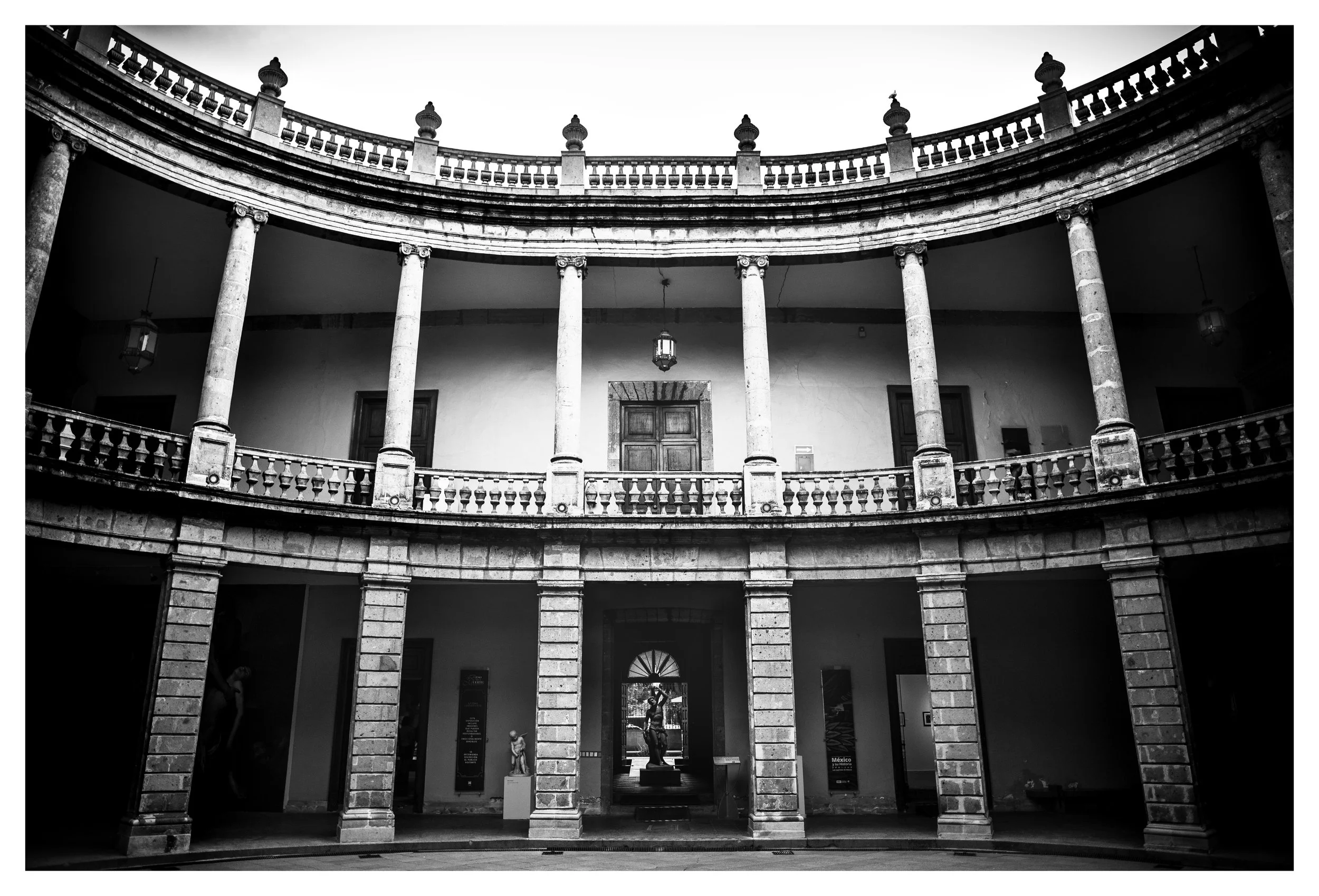
San Carlos, 2025
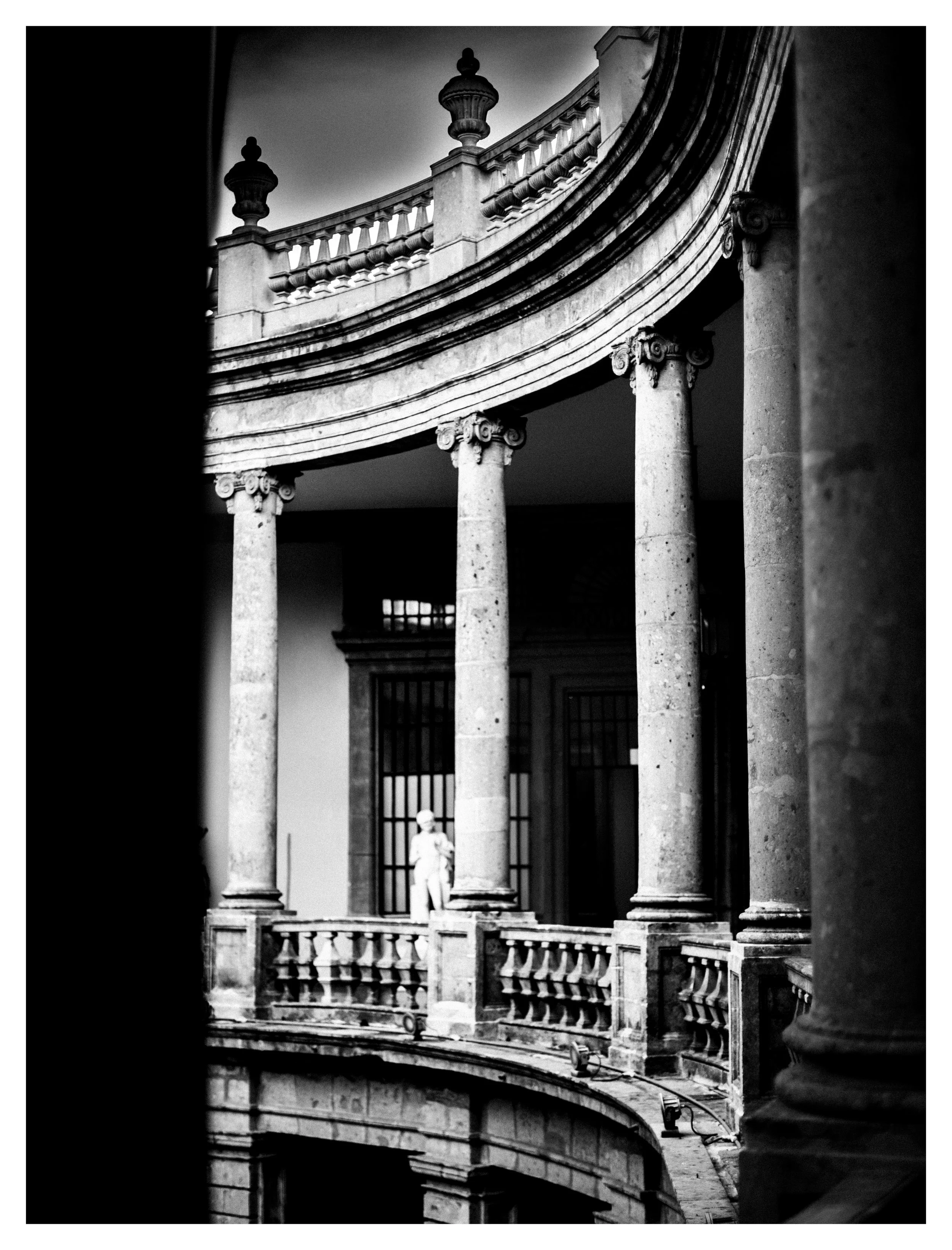
San Carlos, 2025
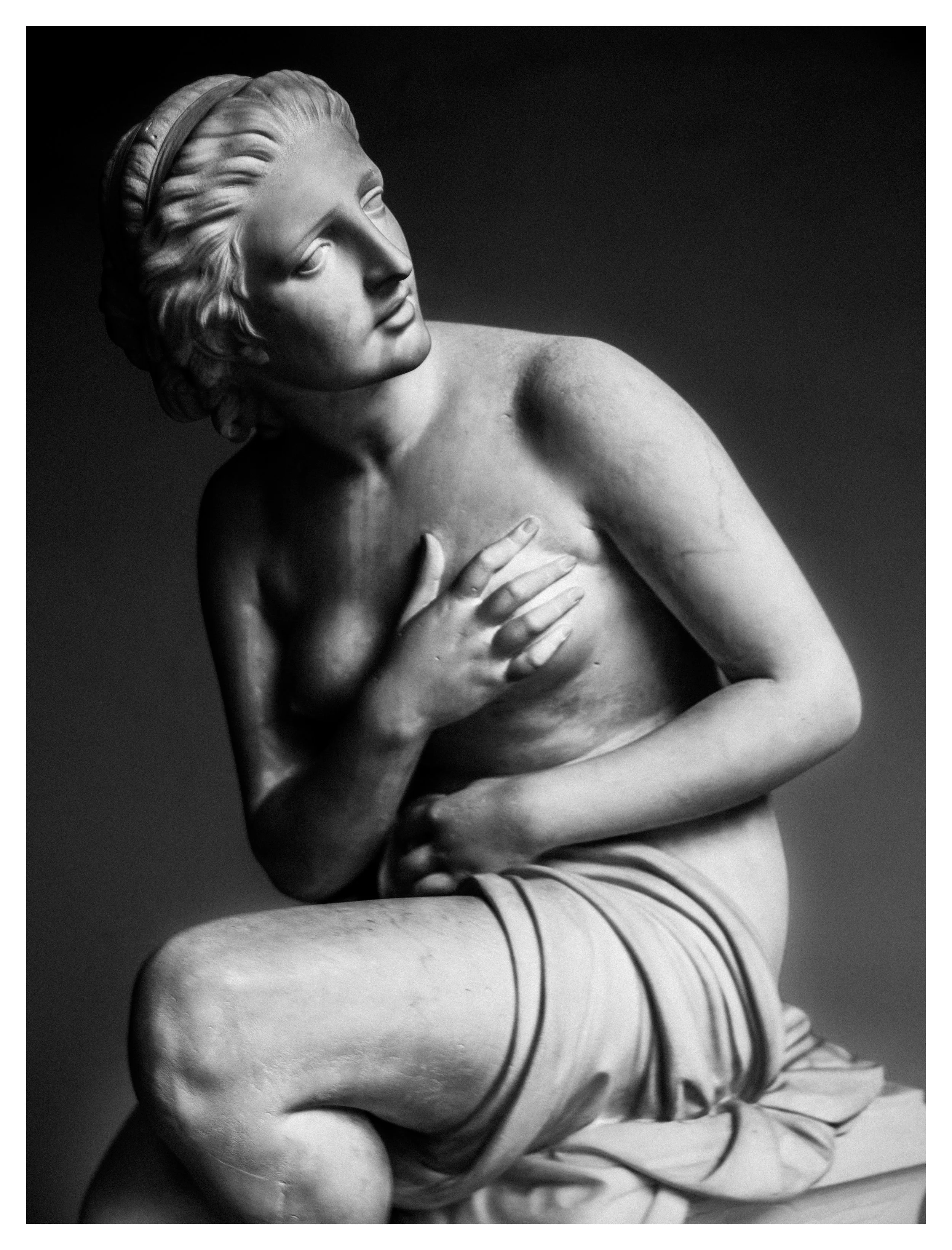
Venus Pudica, 2025
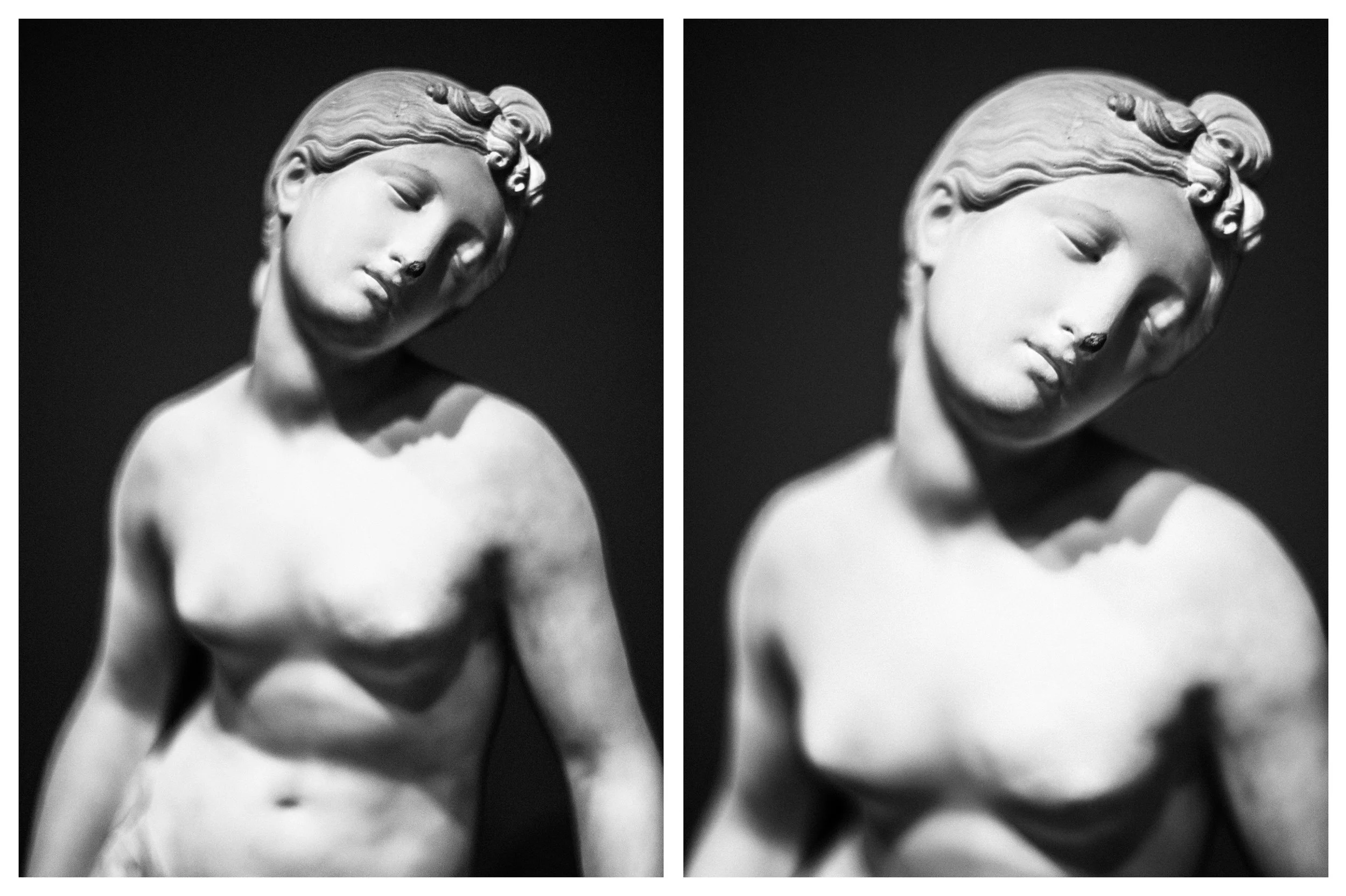
Venus de Milo, 2025
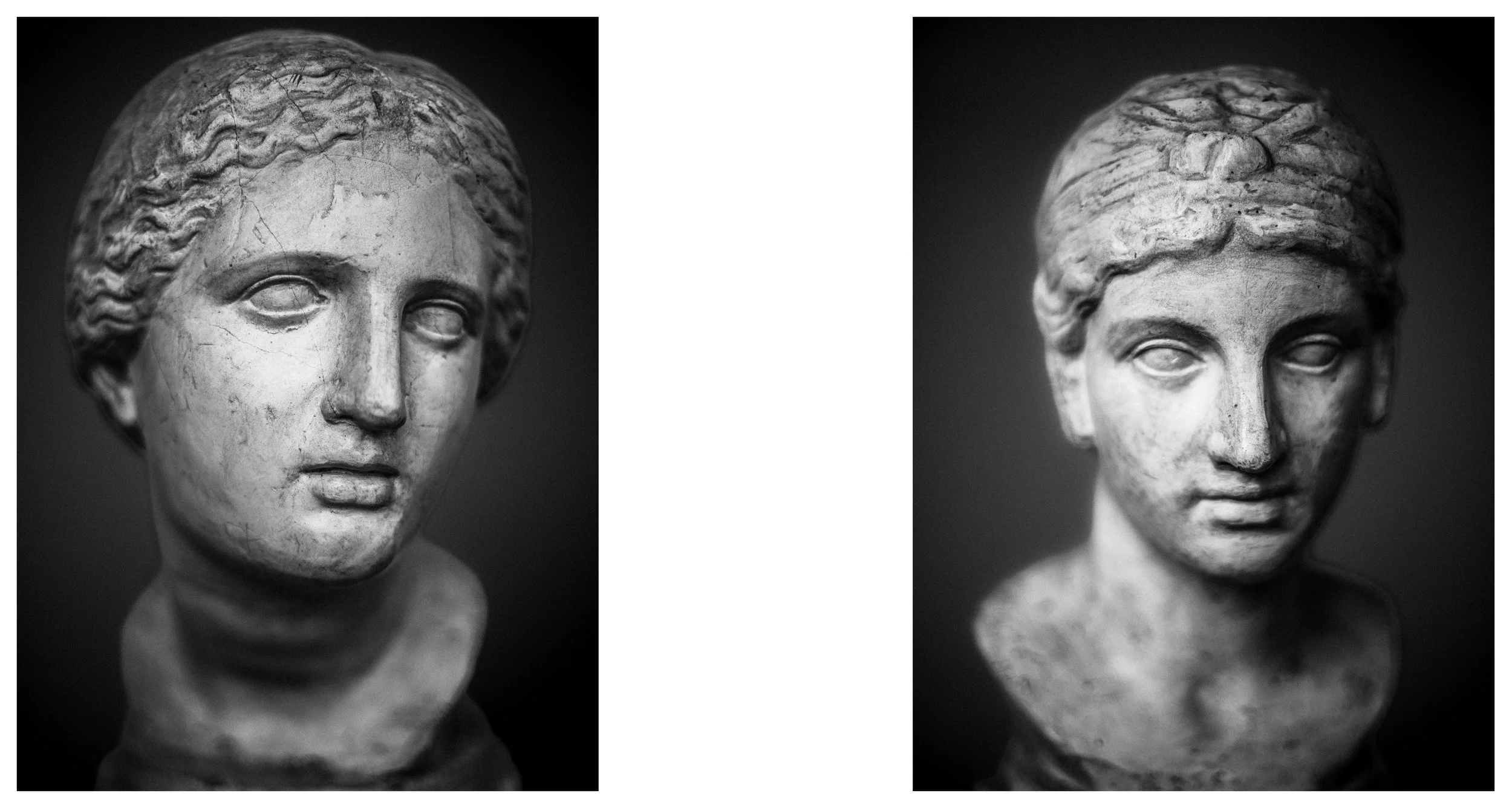
Aphrodite of Knidos & Diana, 2025
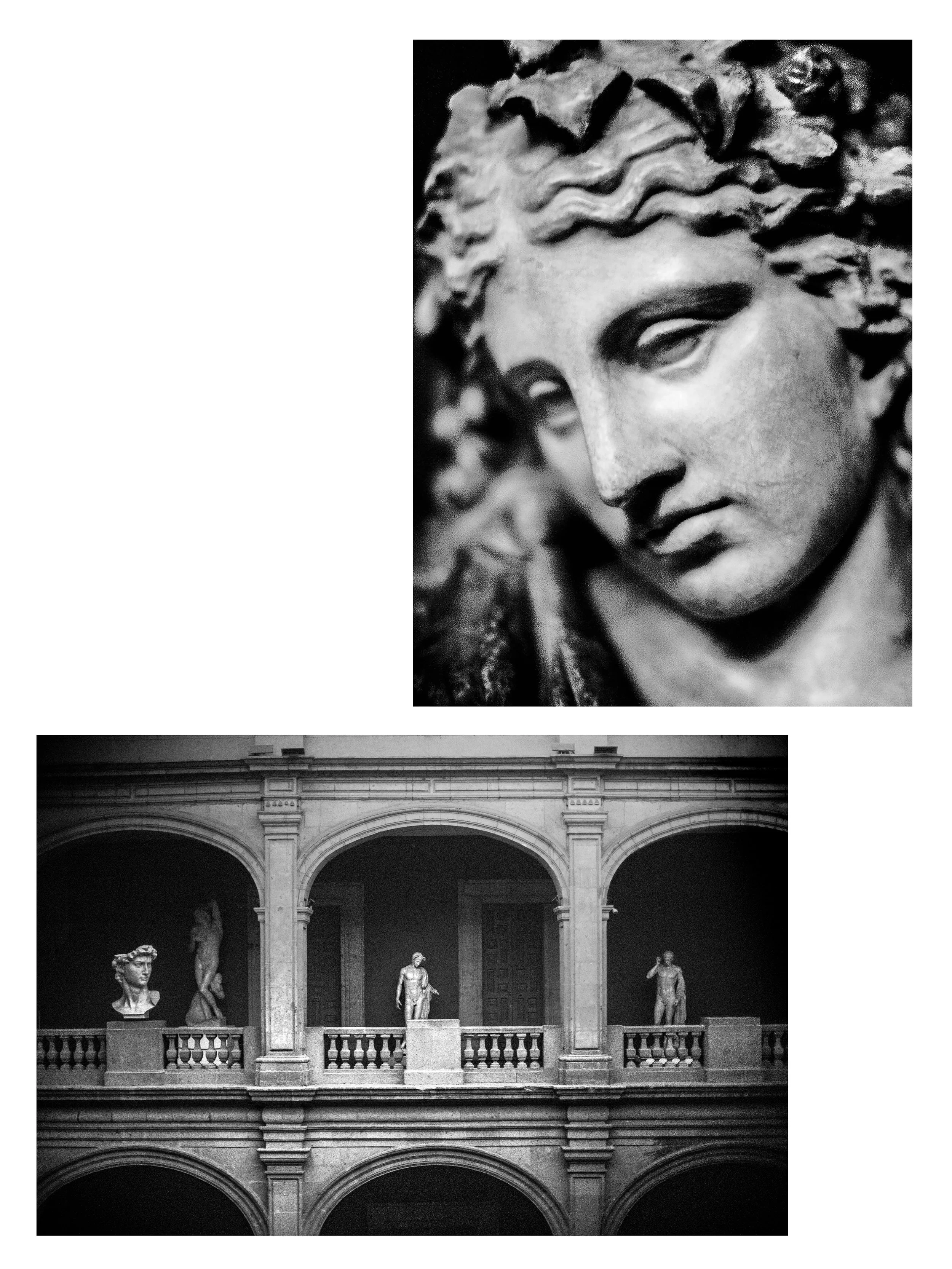
San Carlos, 2025
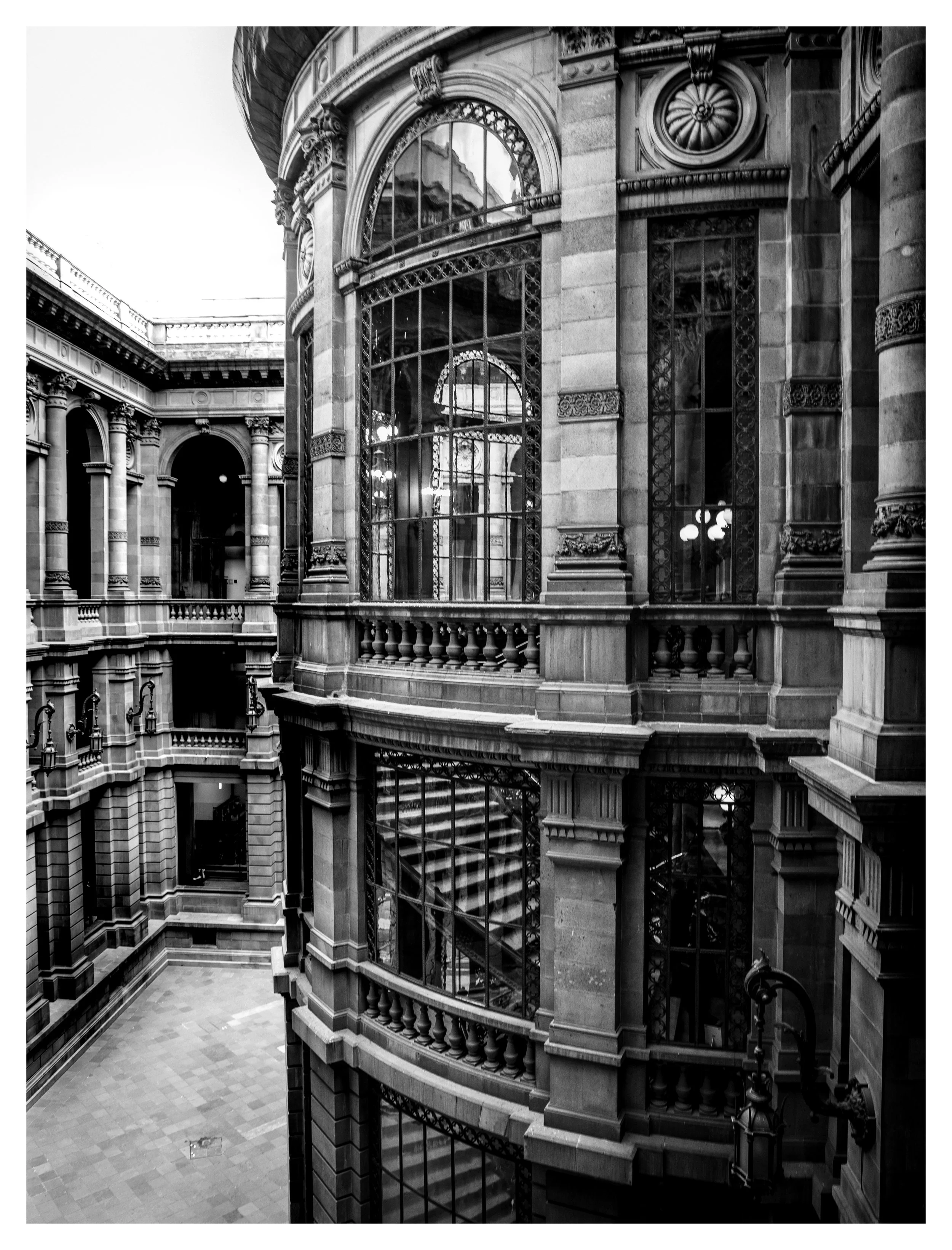
MUNAL, 2025
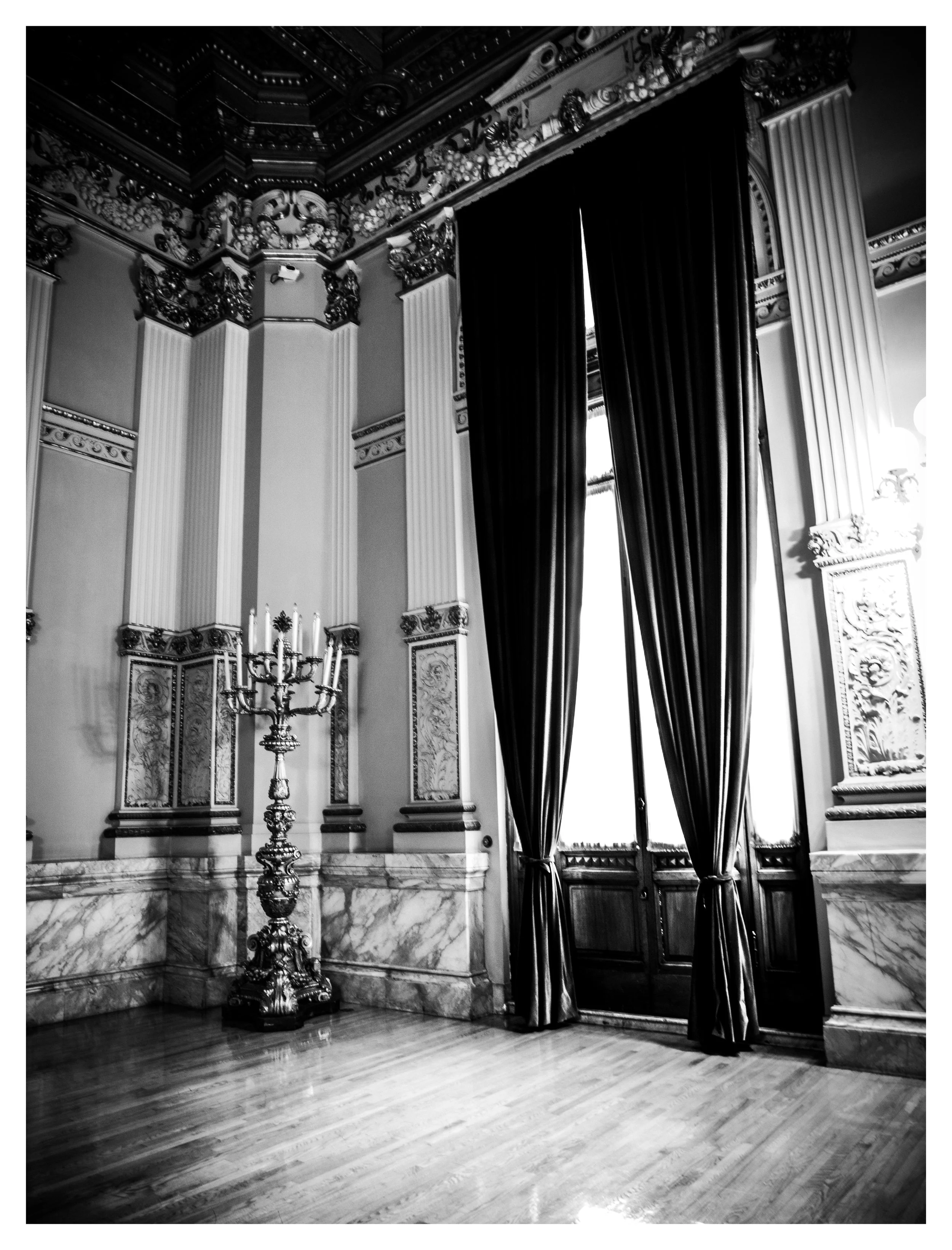
MUNAL, 2025
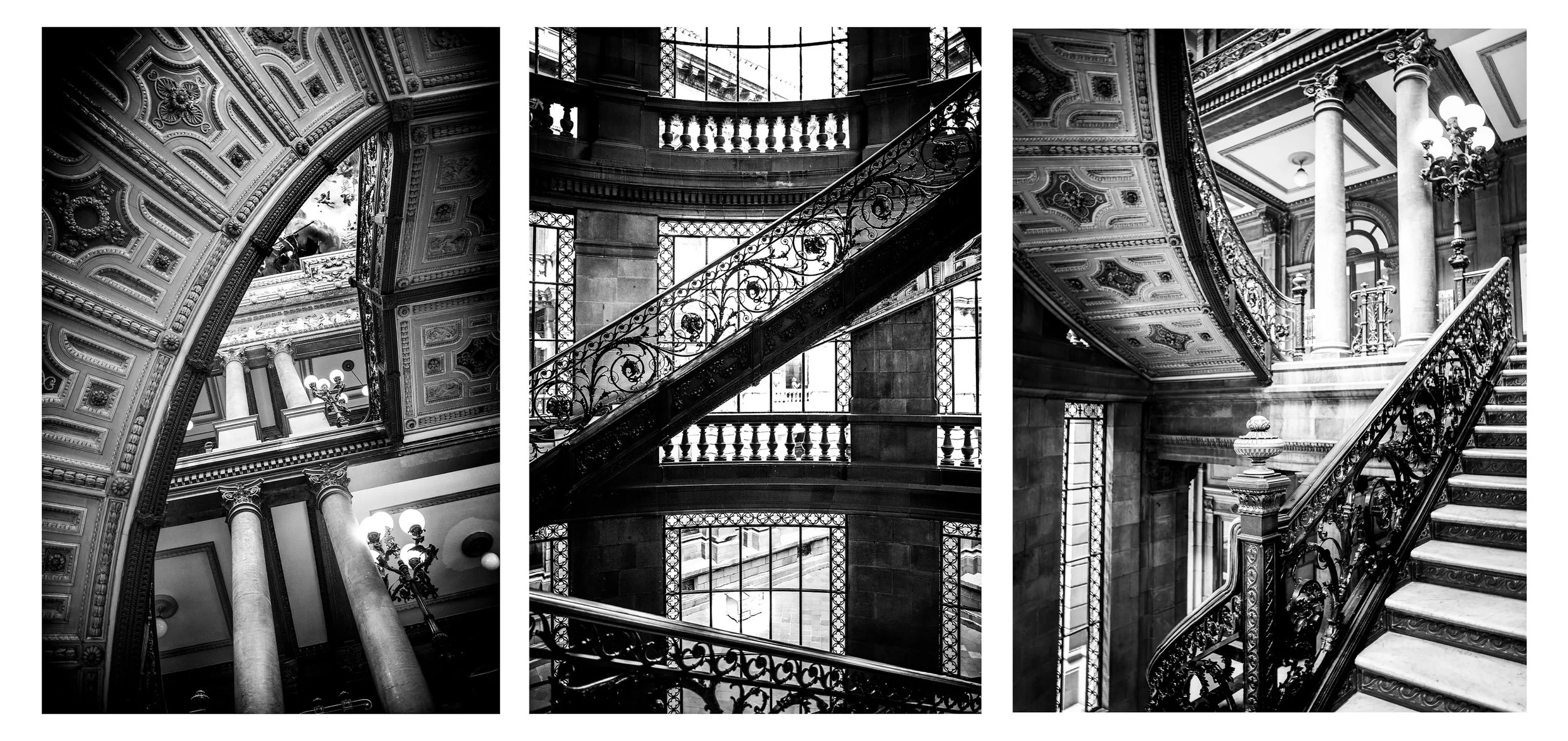
MUNAL, 2025
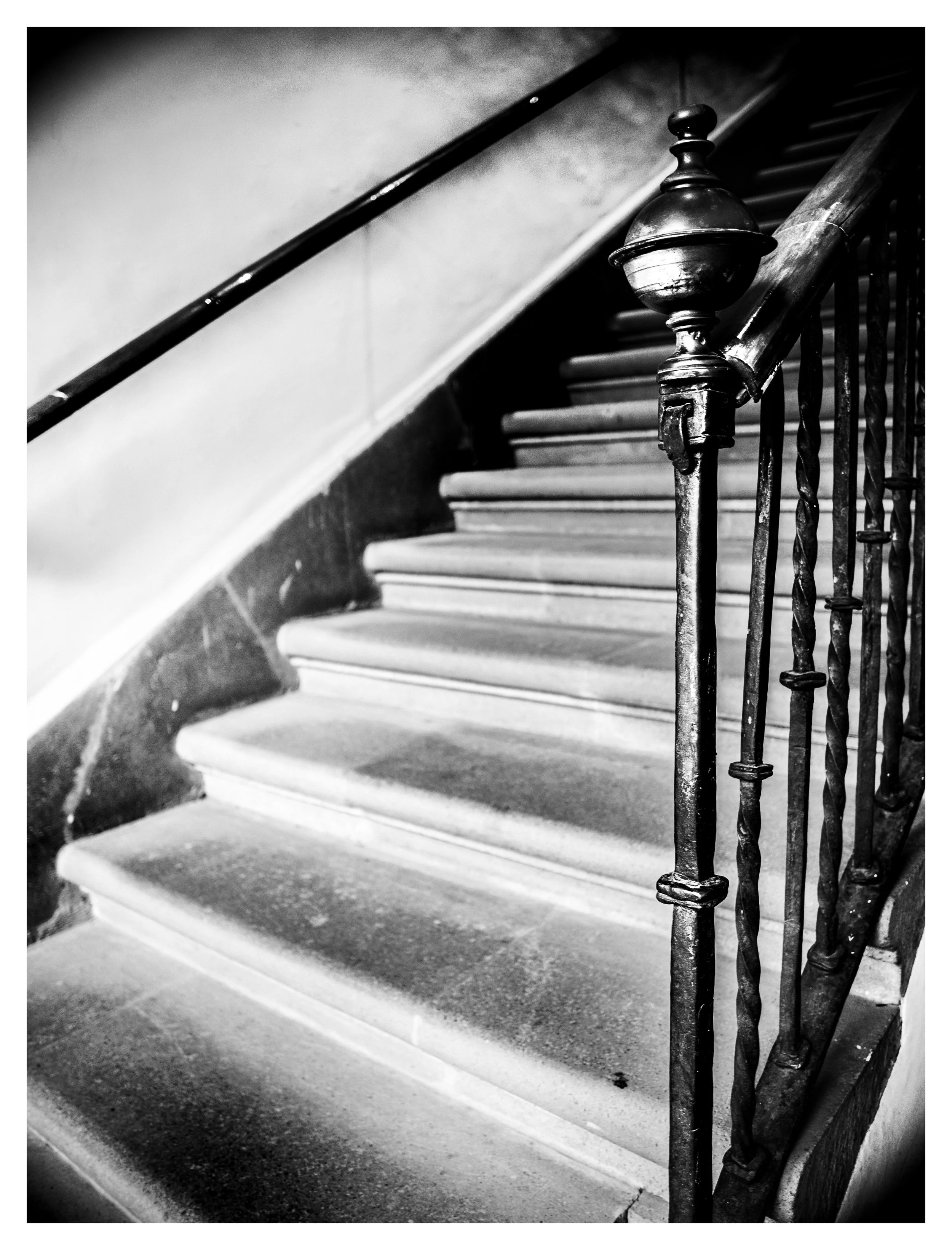
Royal Mint, 2025
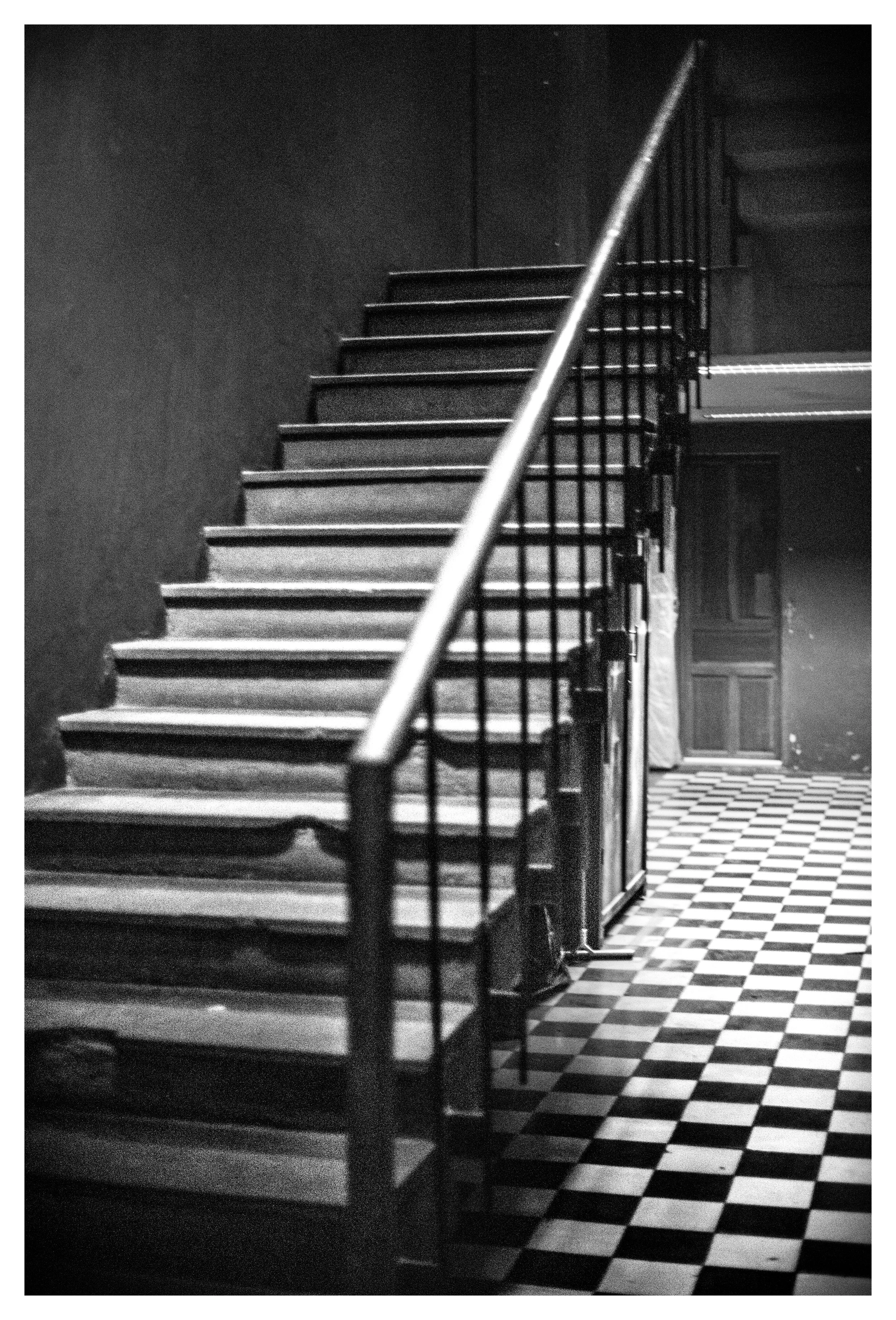
San Carlos, 2025
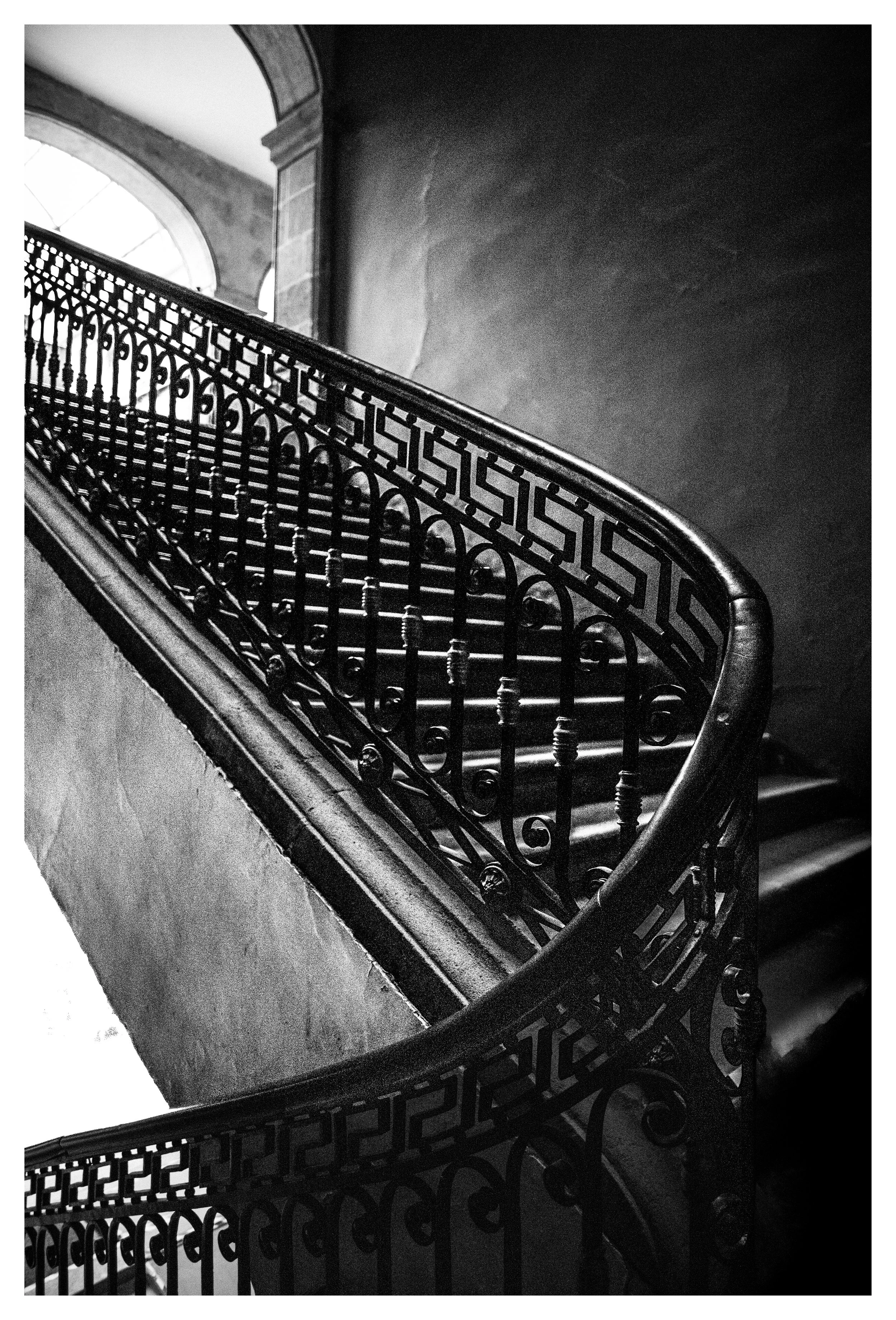
San Carlos, 2025
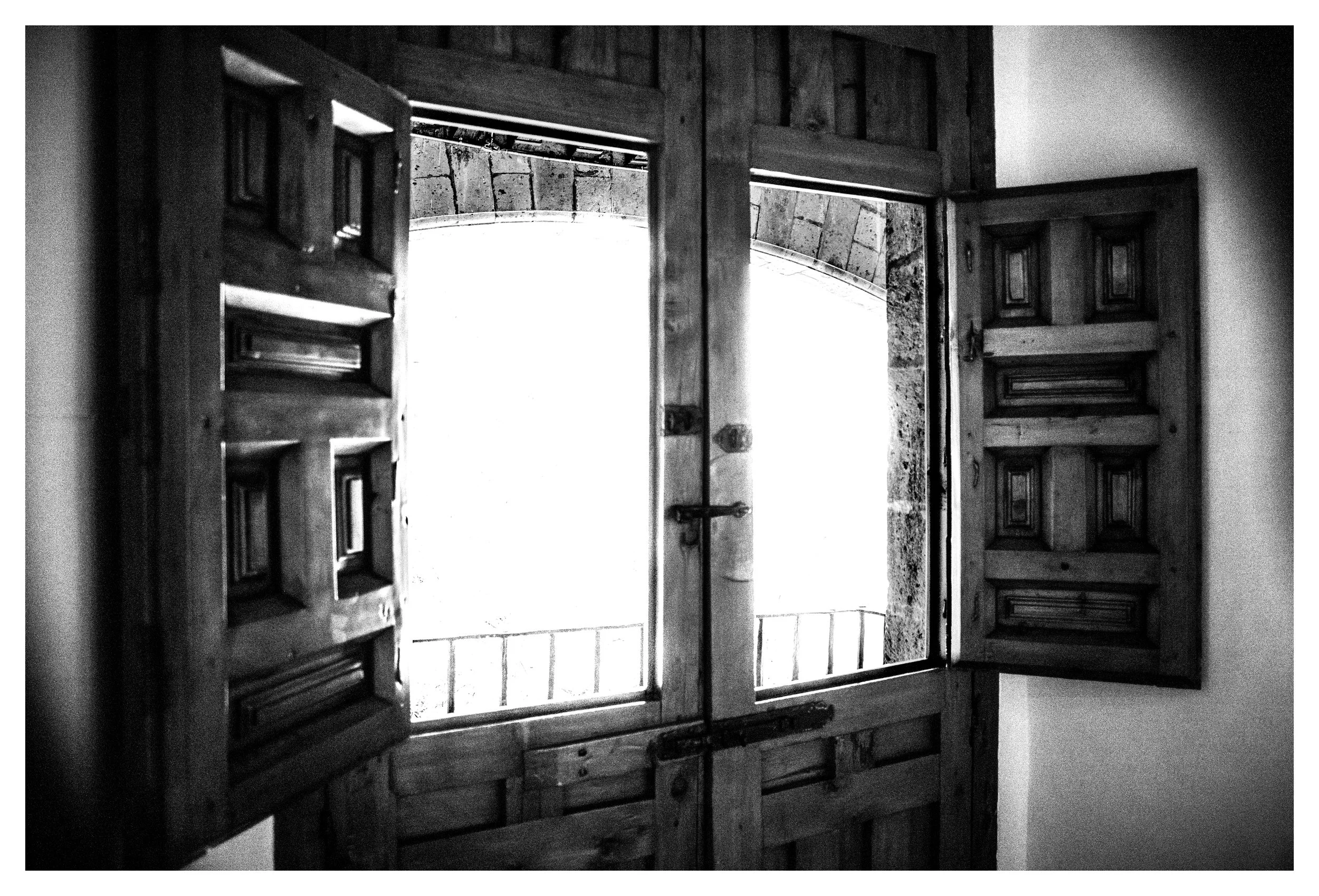
Royal Mint, 2025
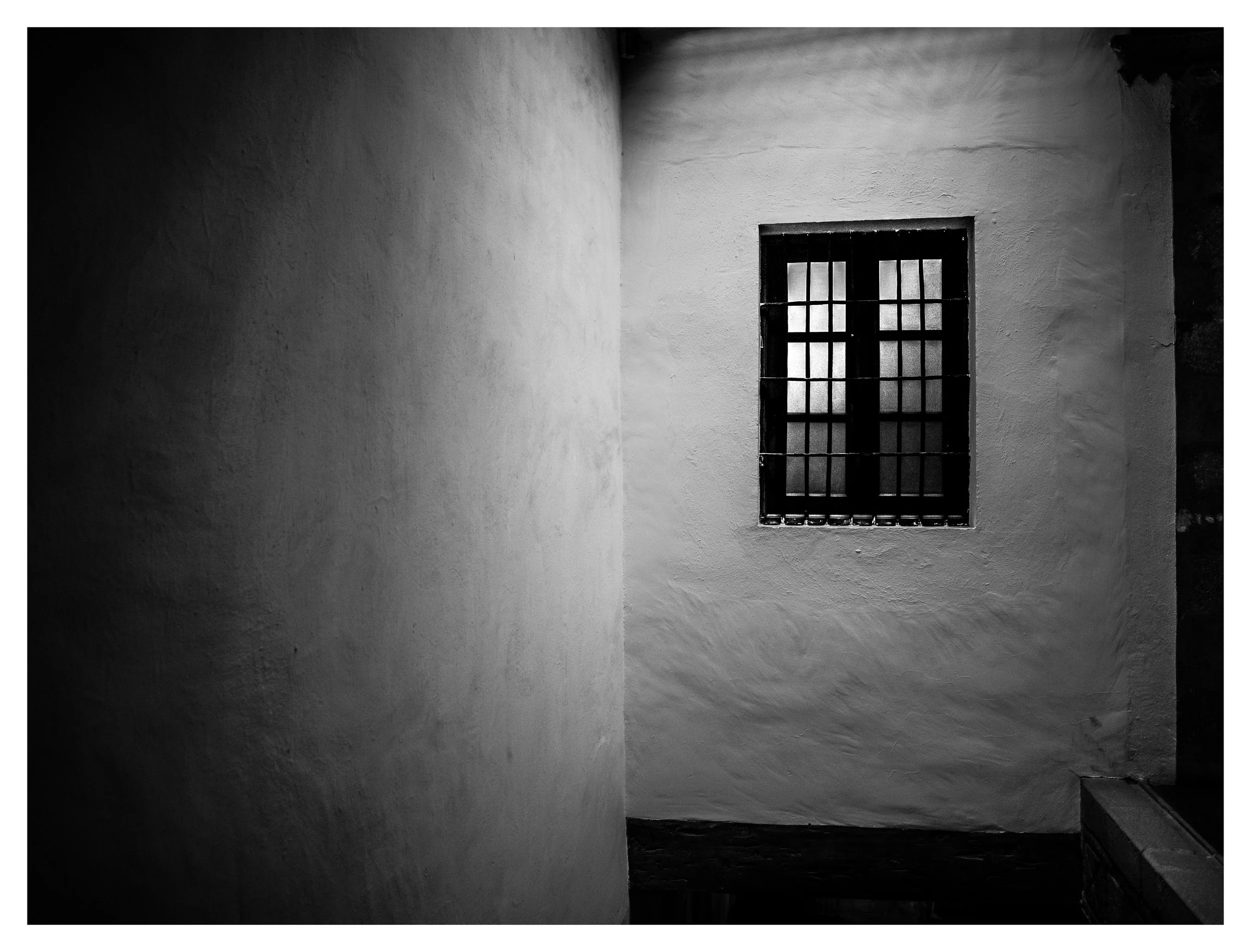
Royal Mint, 2025
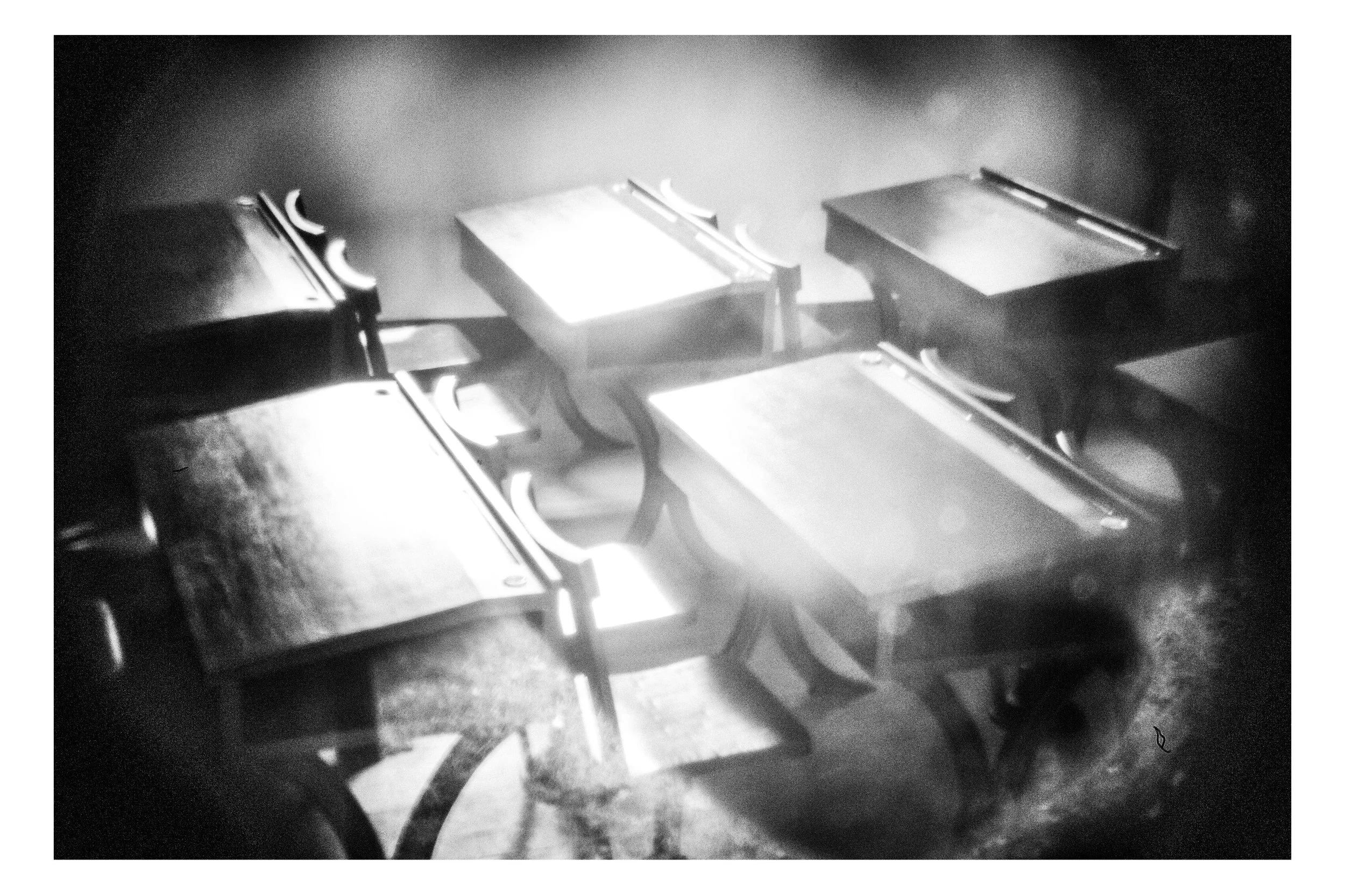
Jubilee, 2025
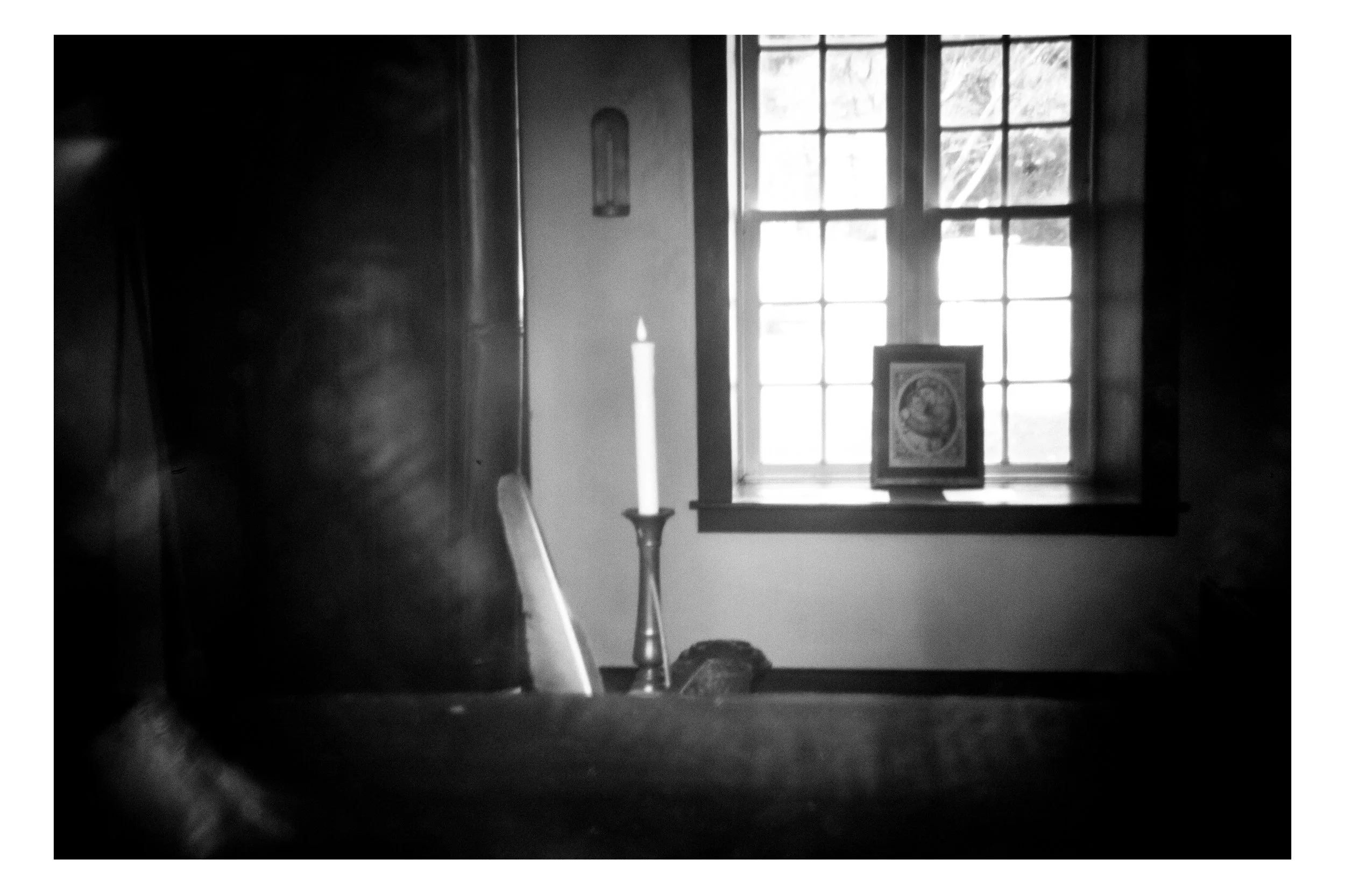
Jubilee, 2025
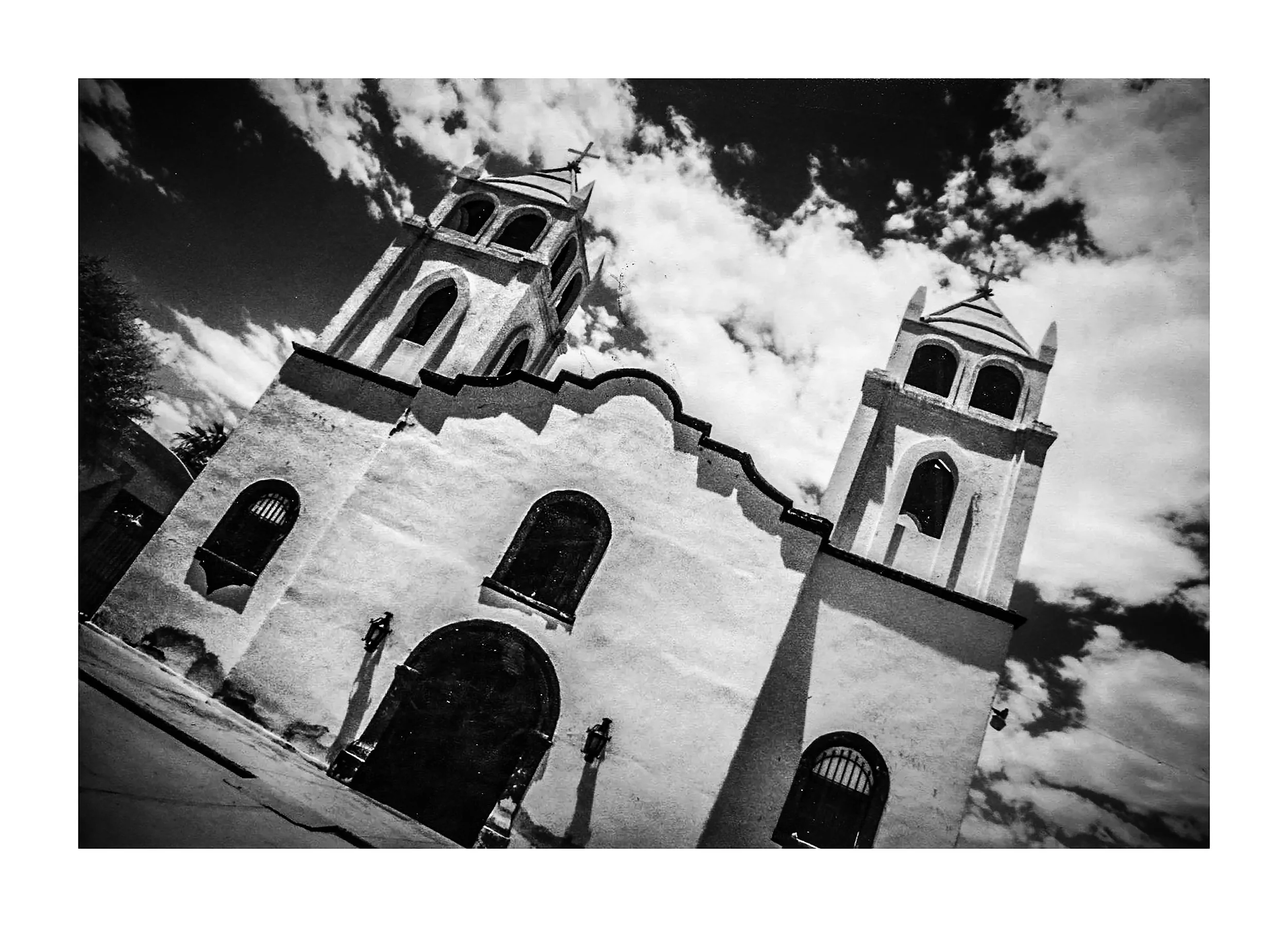
Juarez, 2003
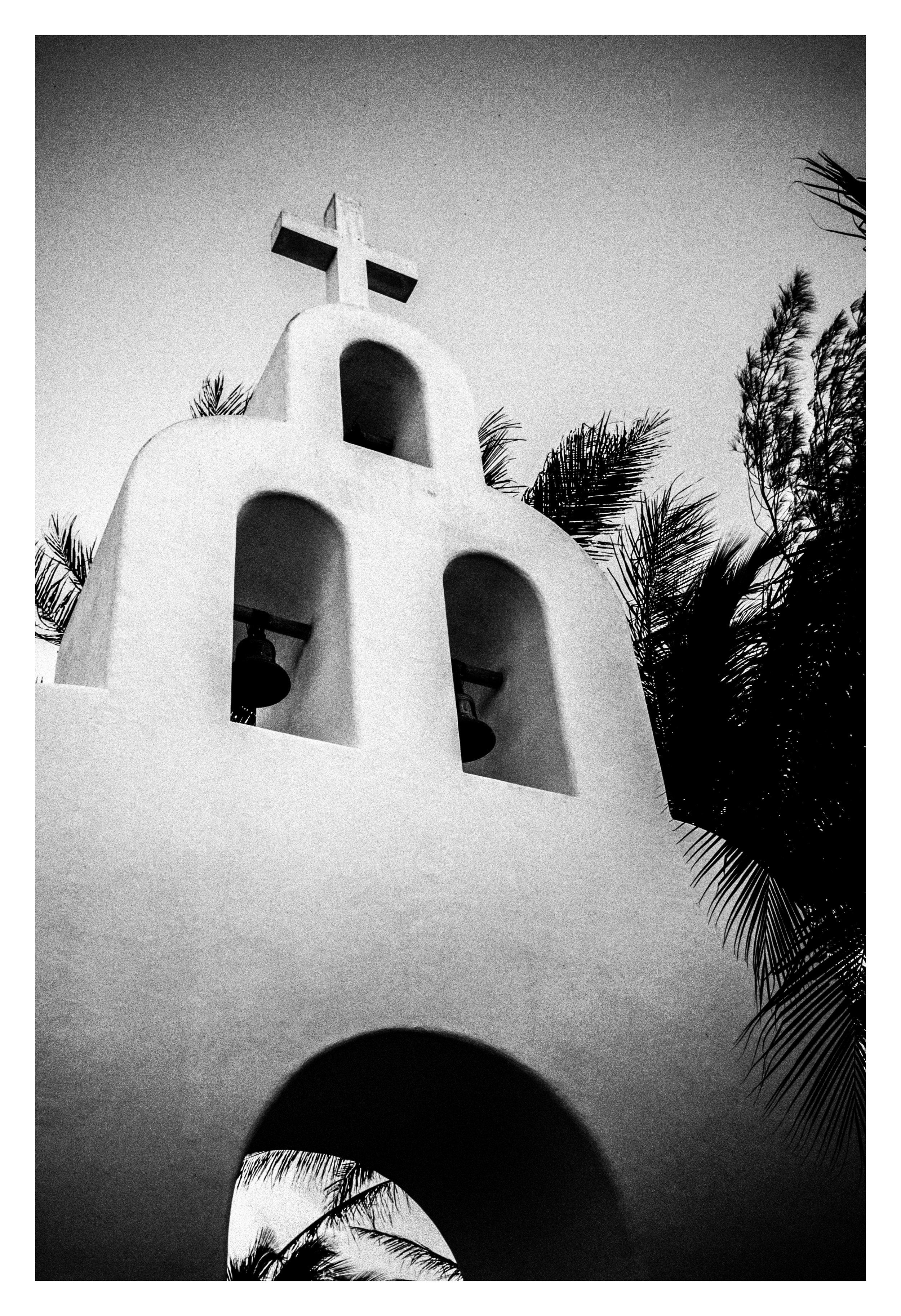
Riviera Maya, 2017
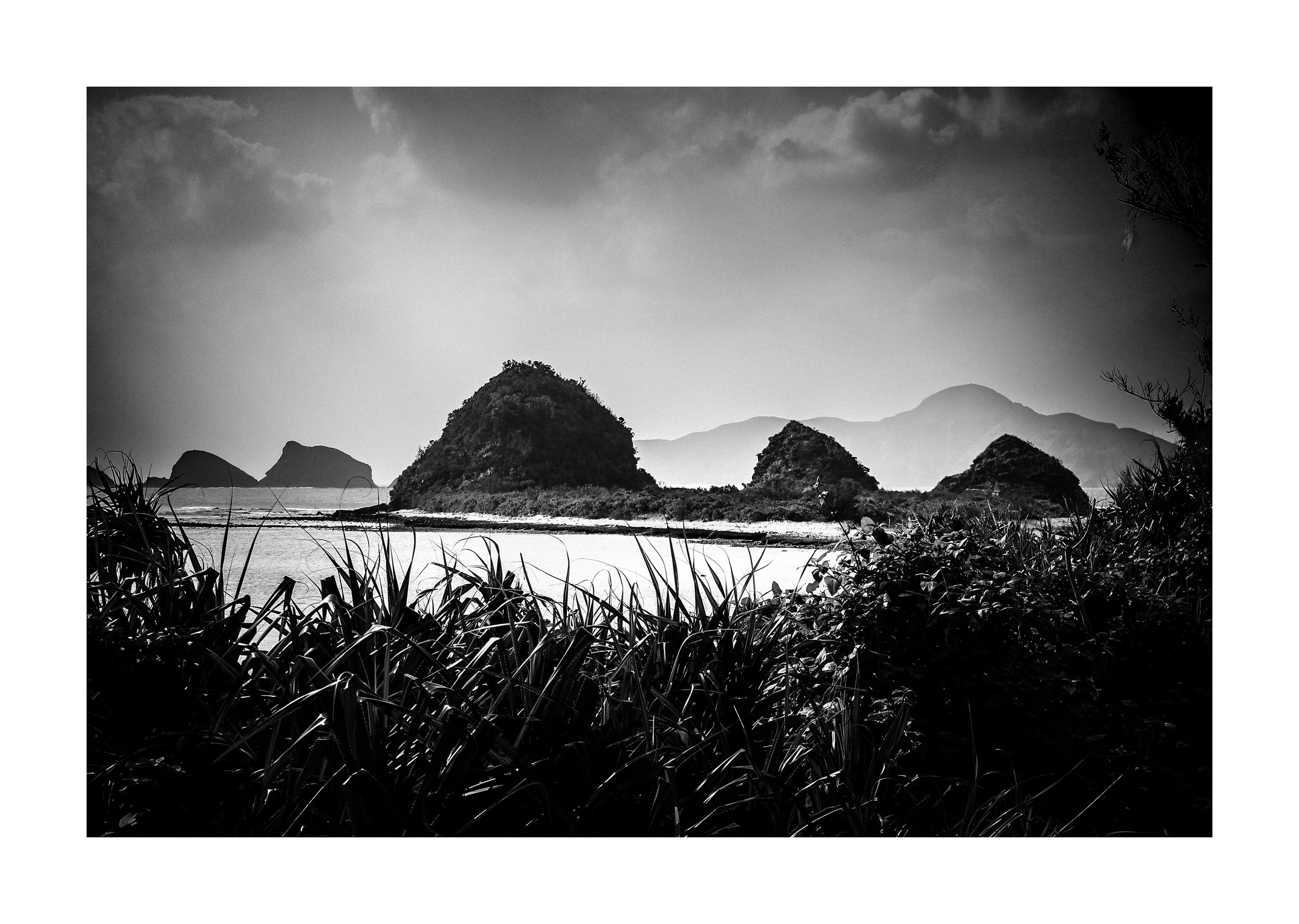
Zamami, 2015
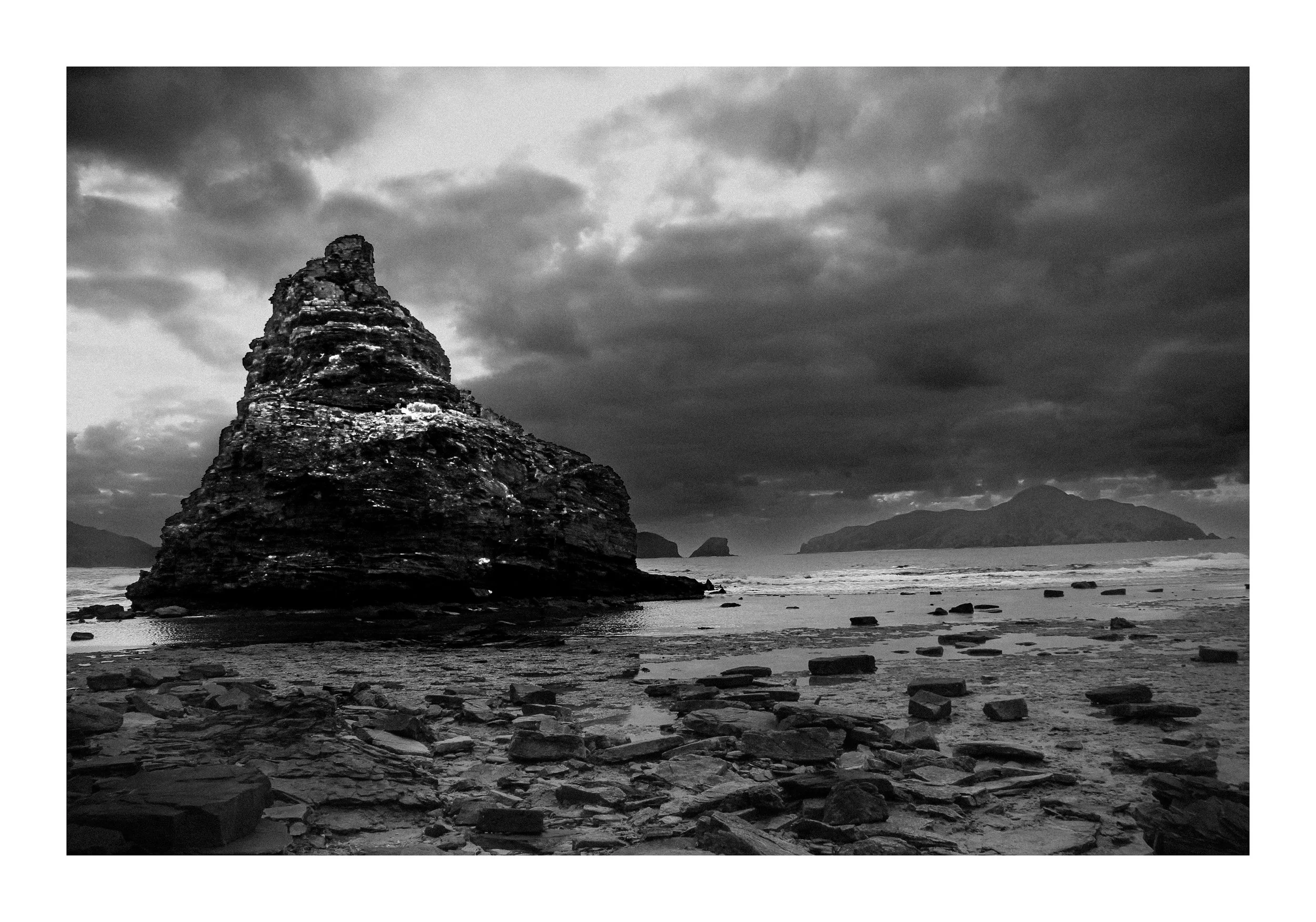
Zamami, 2015
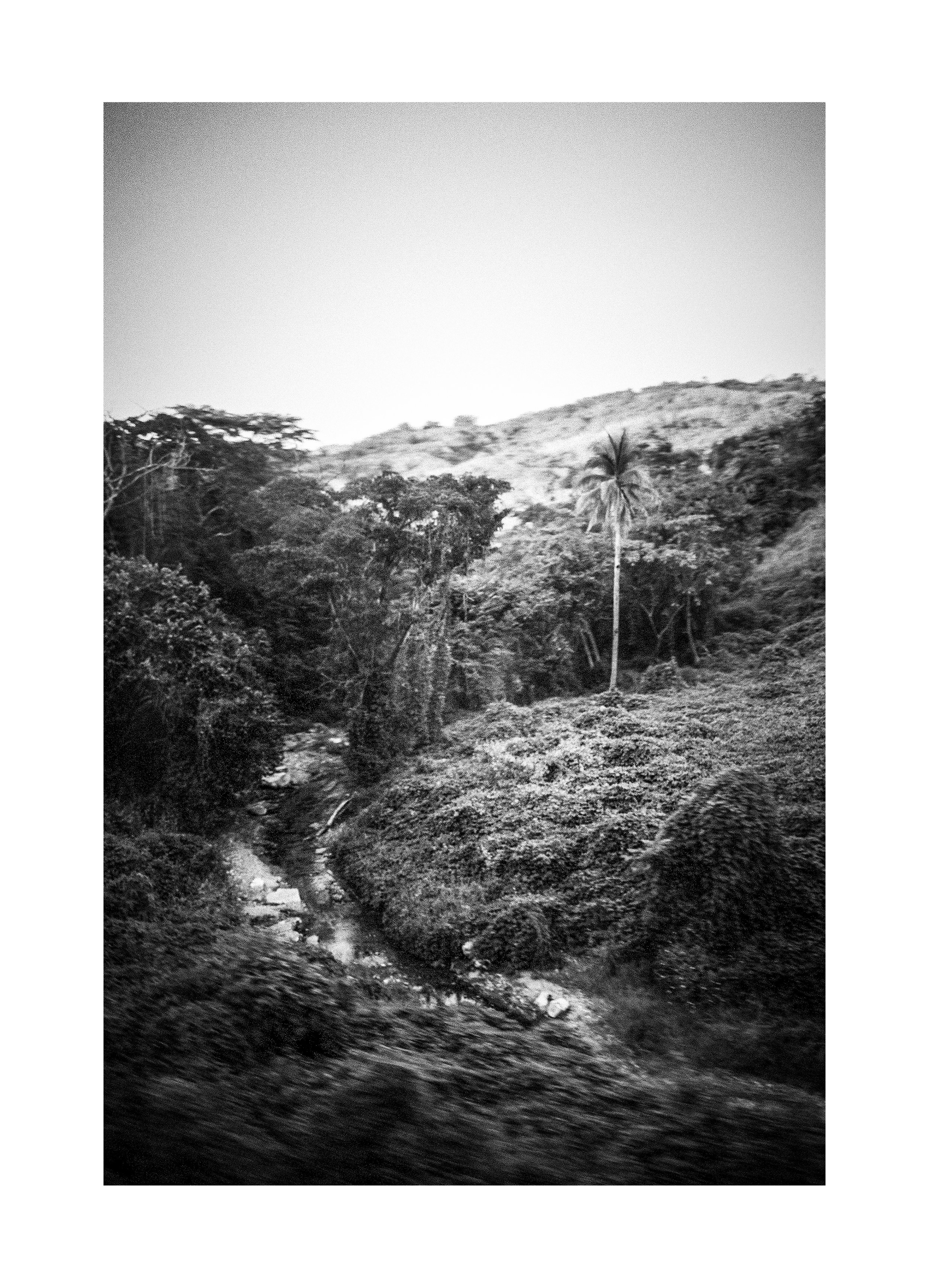
Mazunte, 2025

Florida, 2008
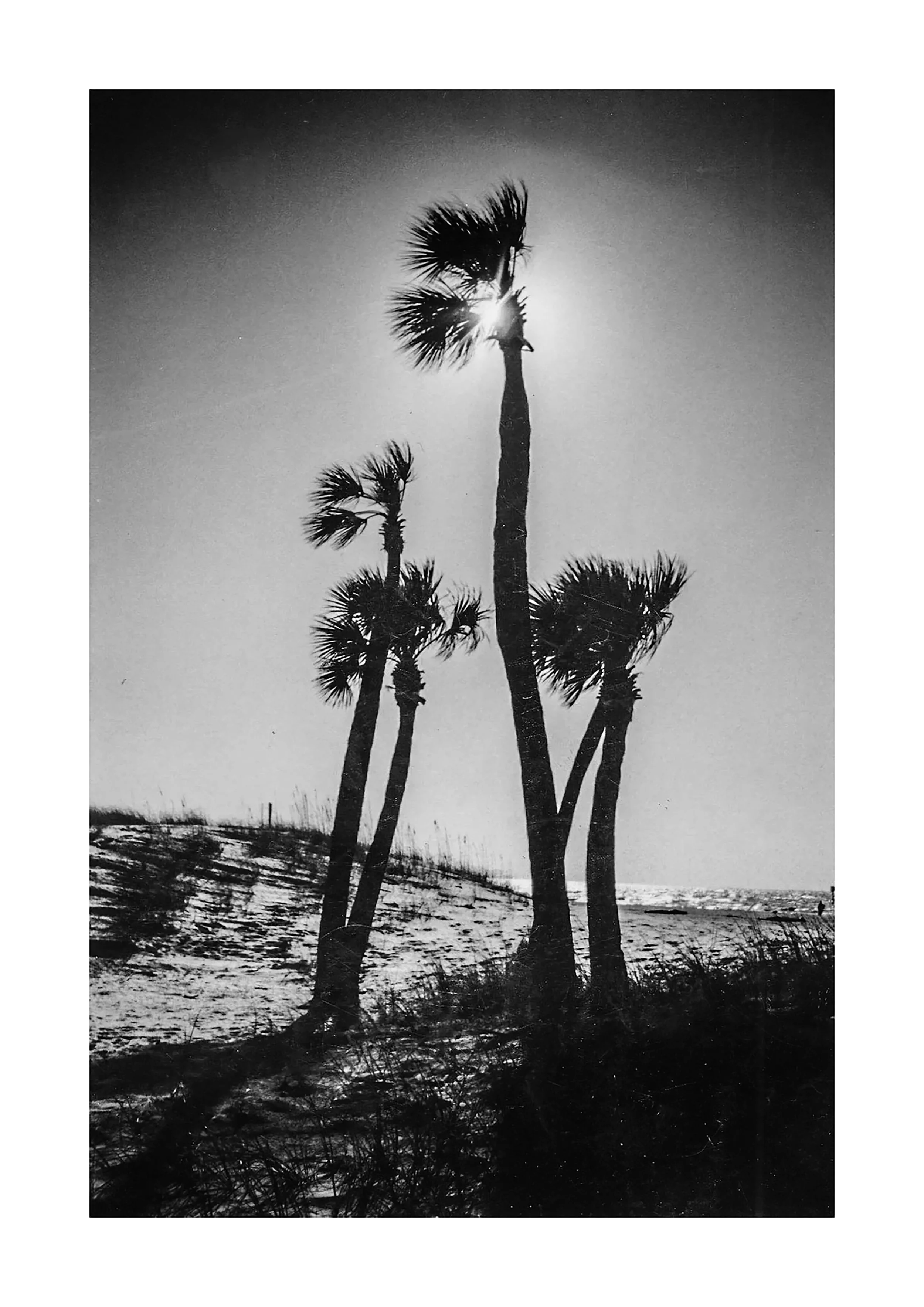
Florida, 2003
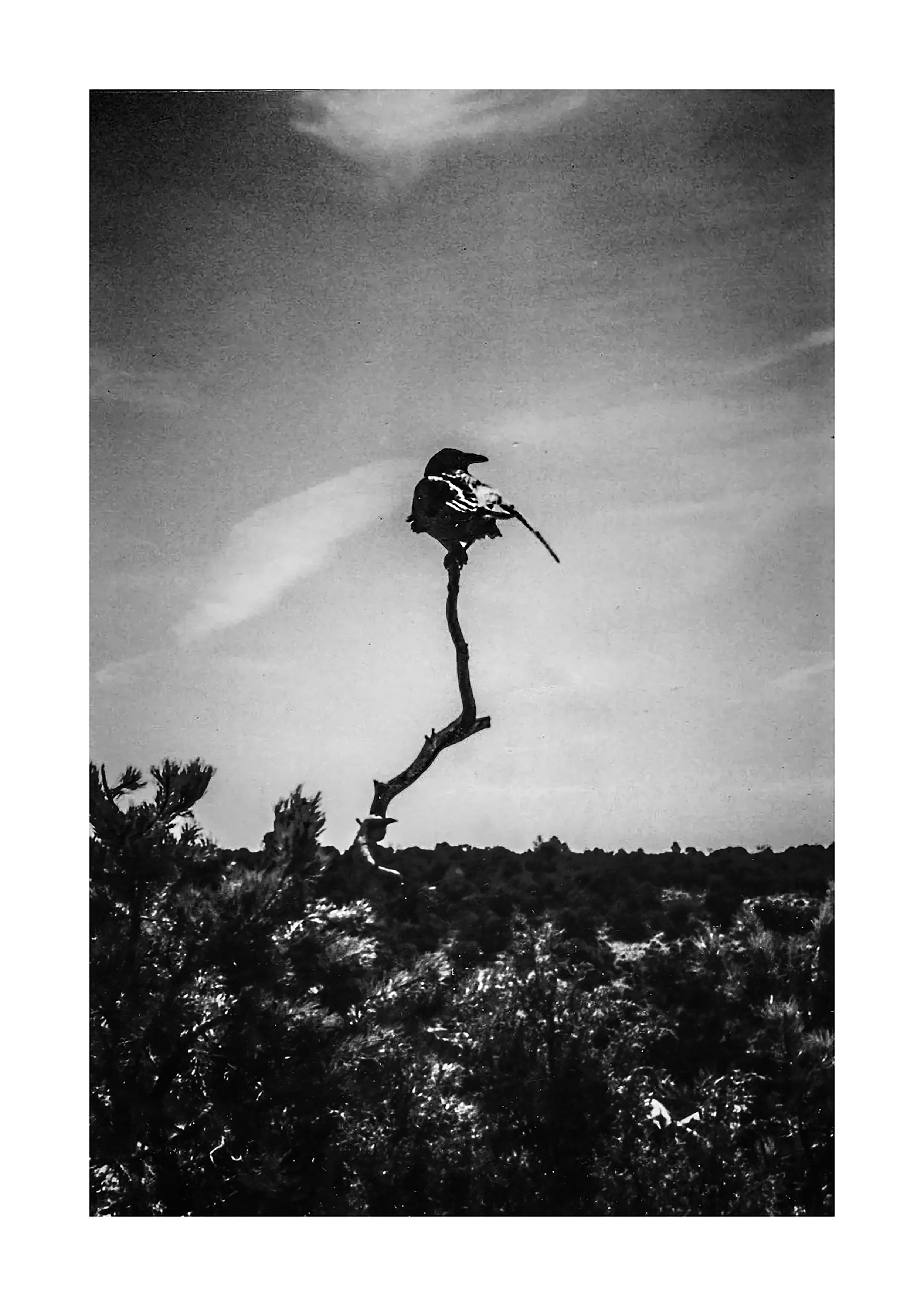
Arizona, 2003
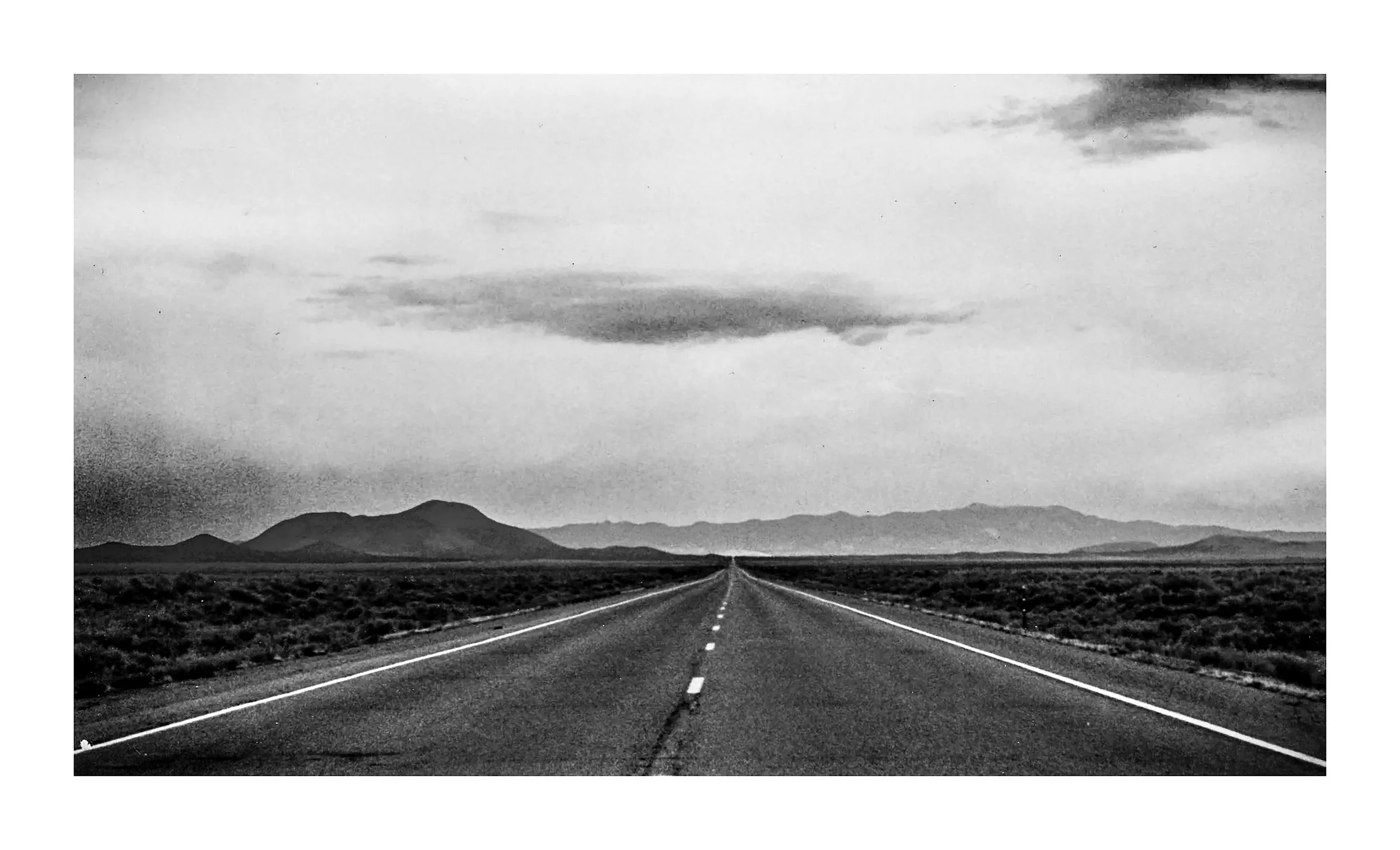
New Mexico, 2003
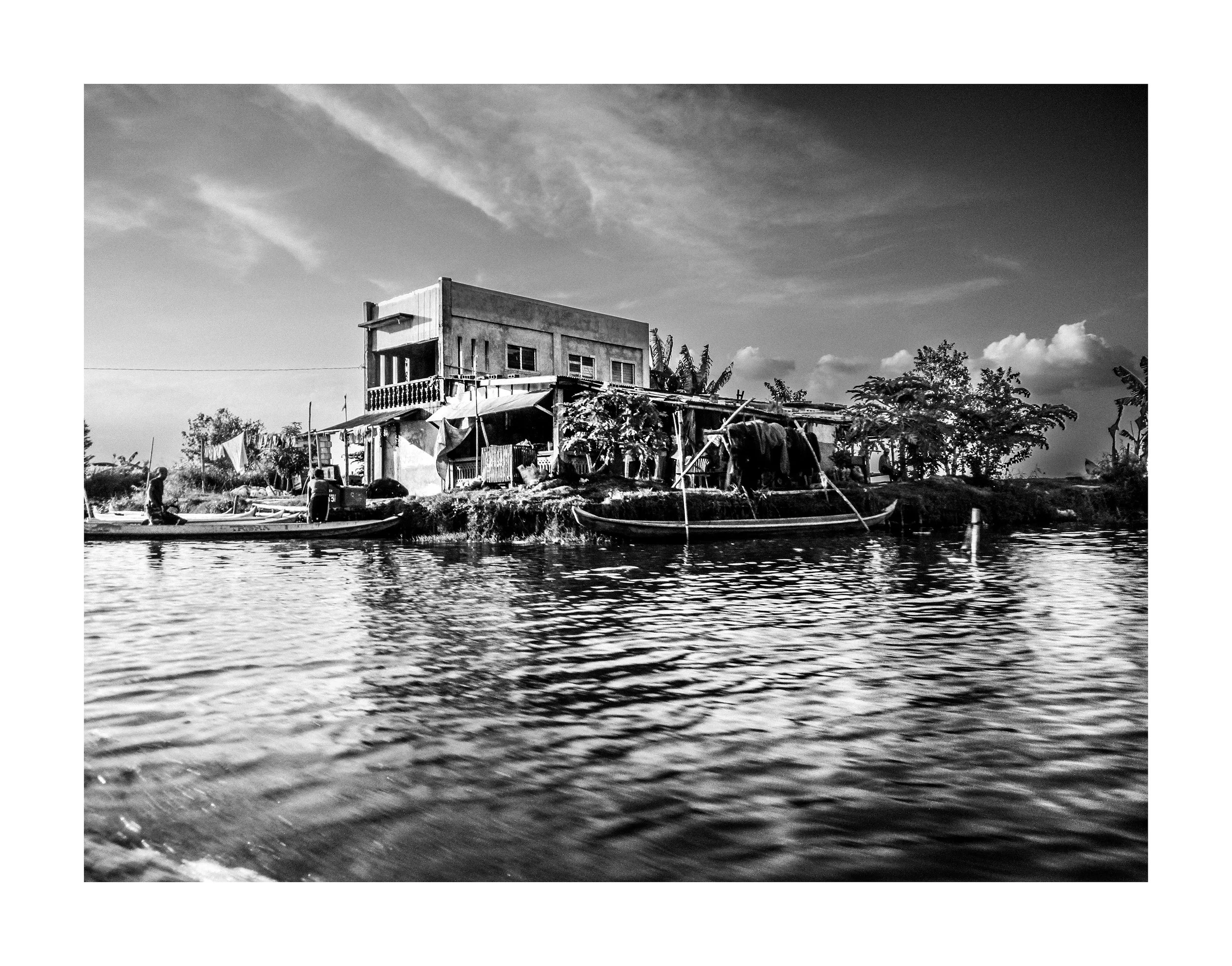
Luzon, 2015
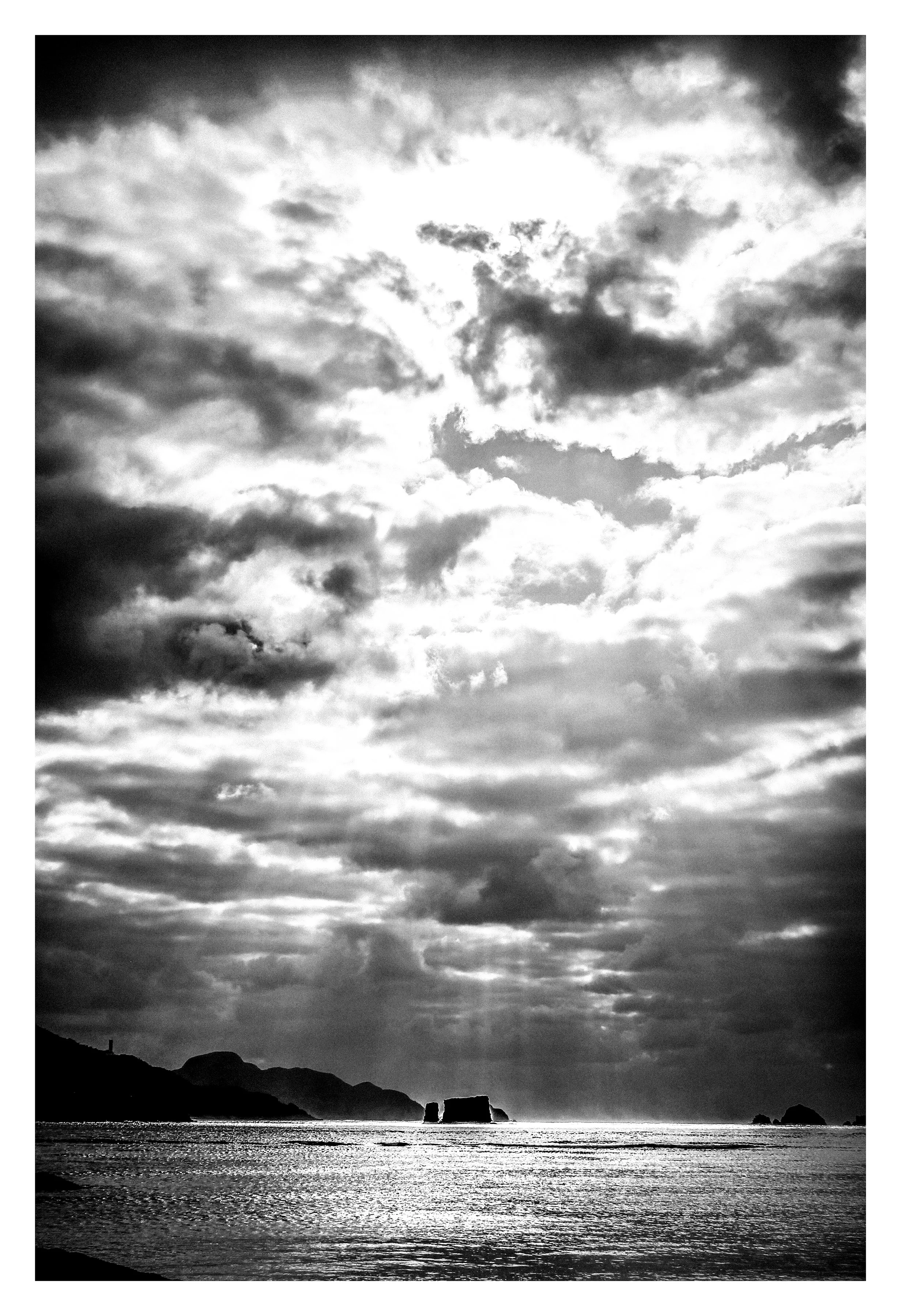
South China Seas, 2015
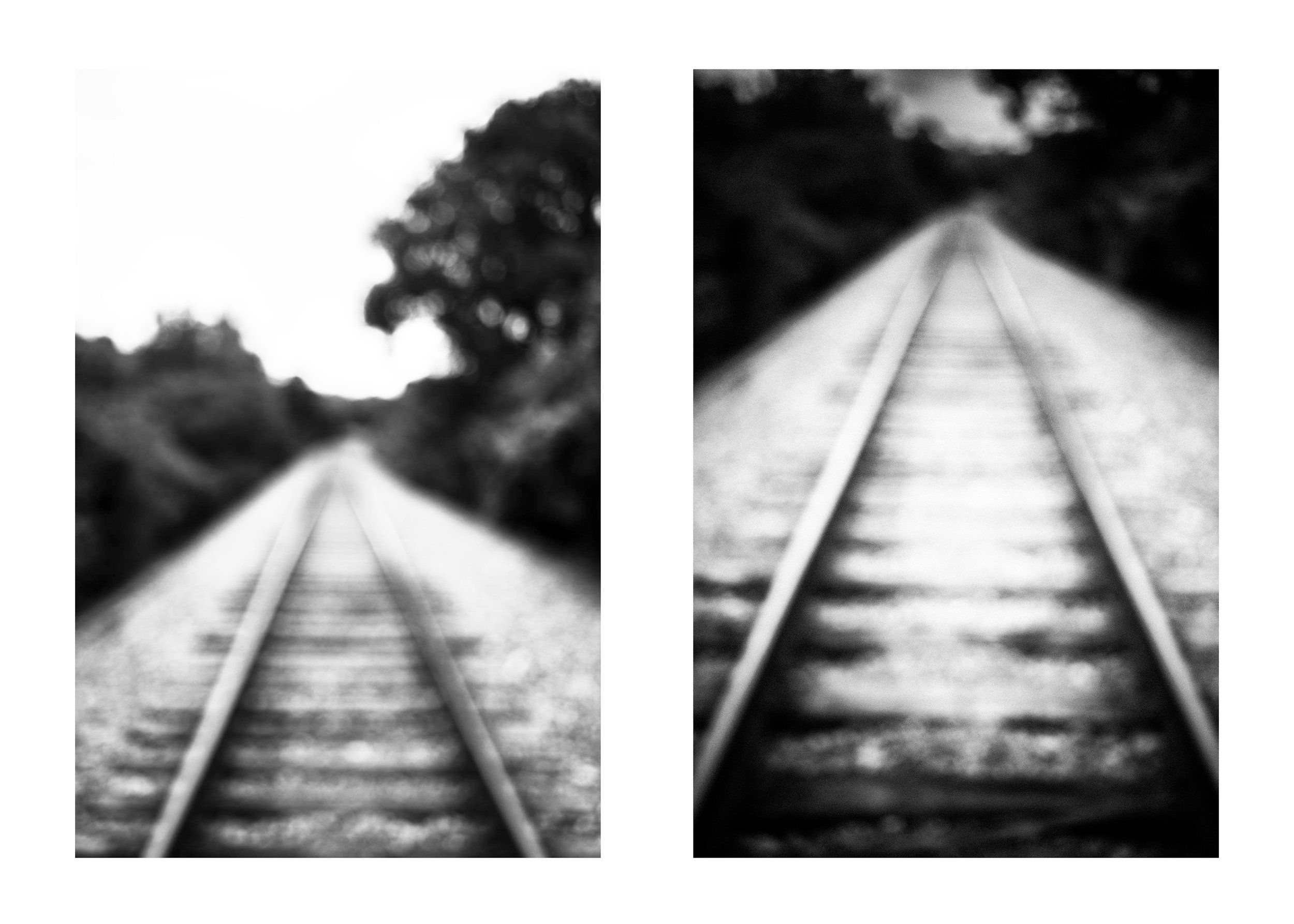
Spoon River, 2018
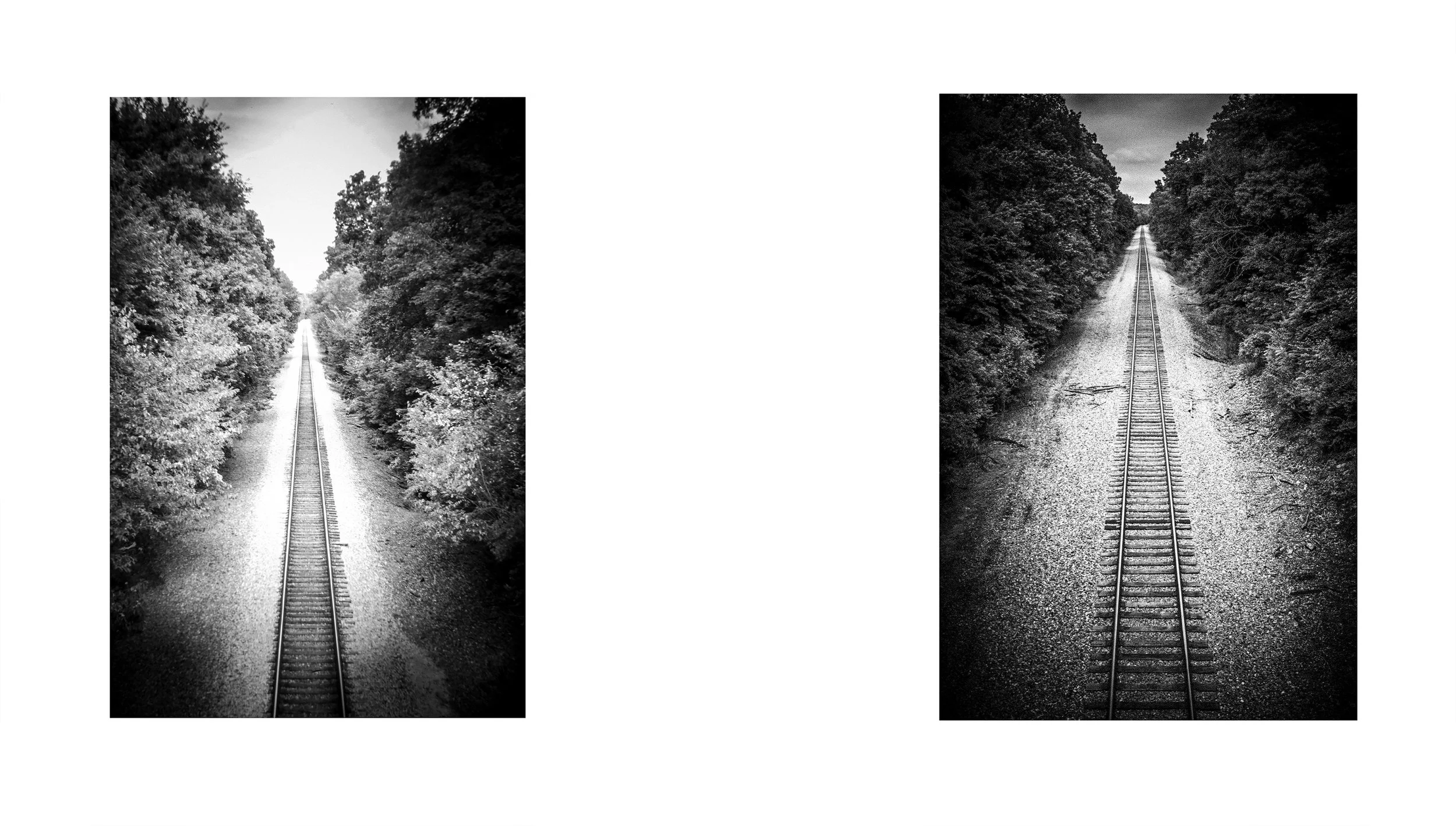
Kickapoo, 2025/2018
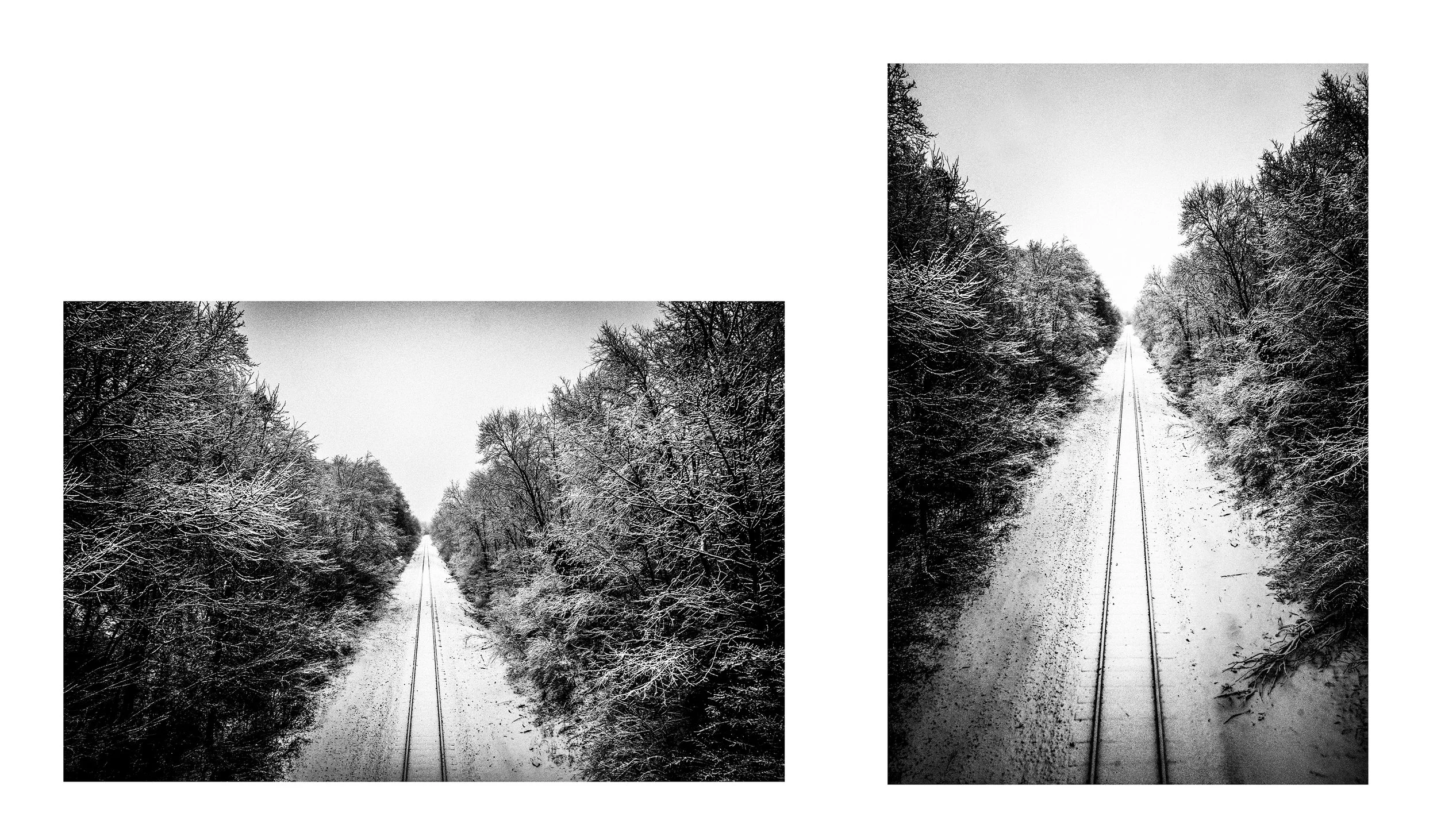
Kickapoo, 2020
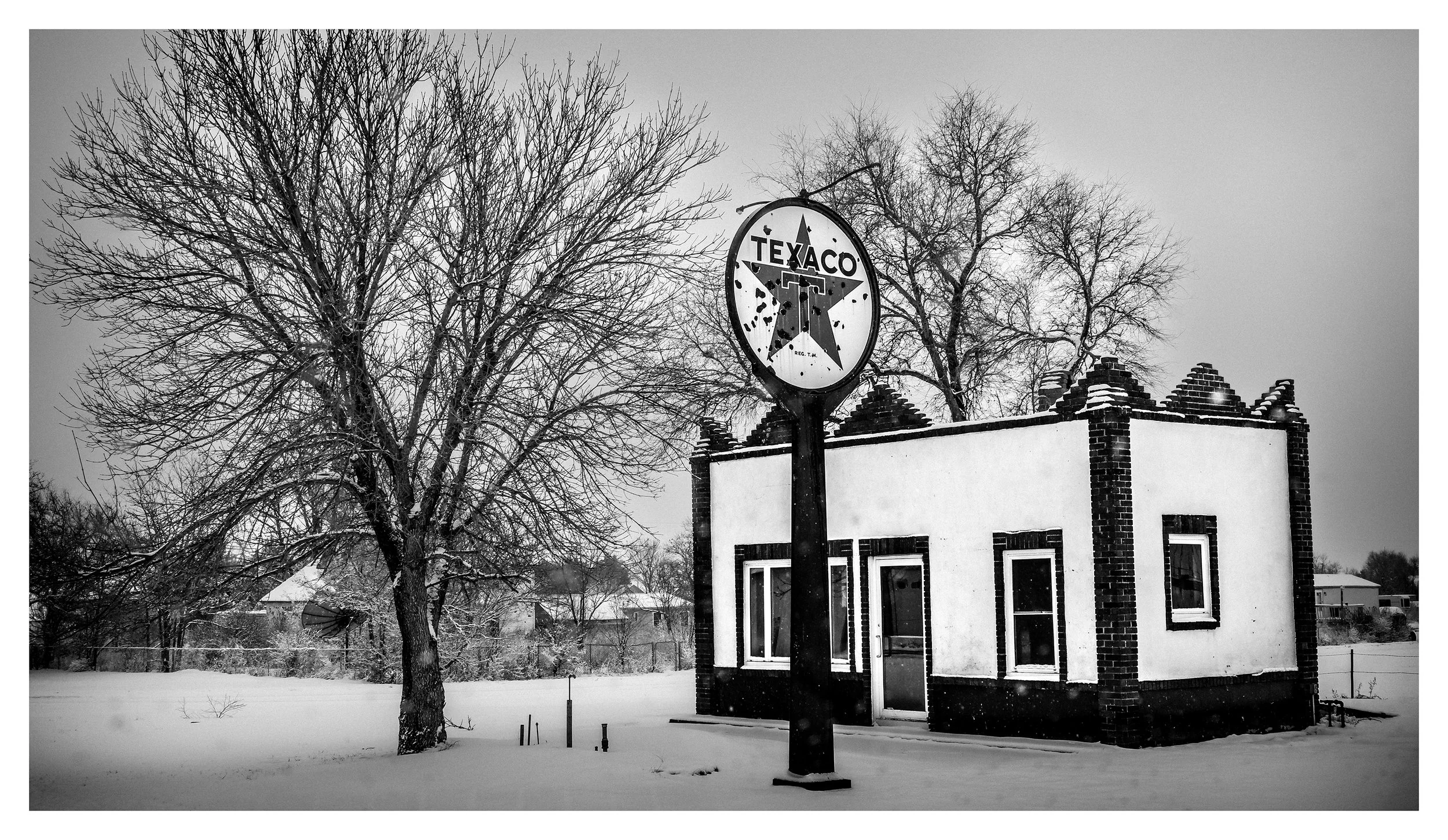
Colby, 2023
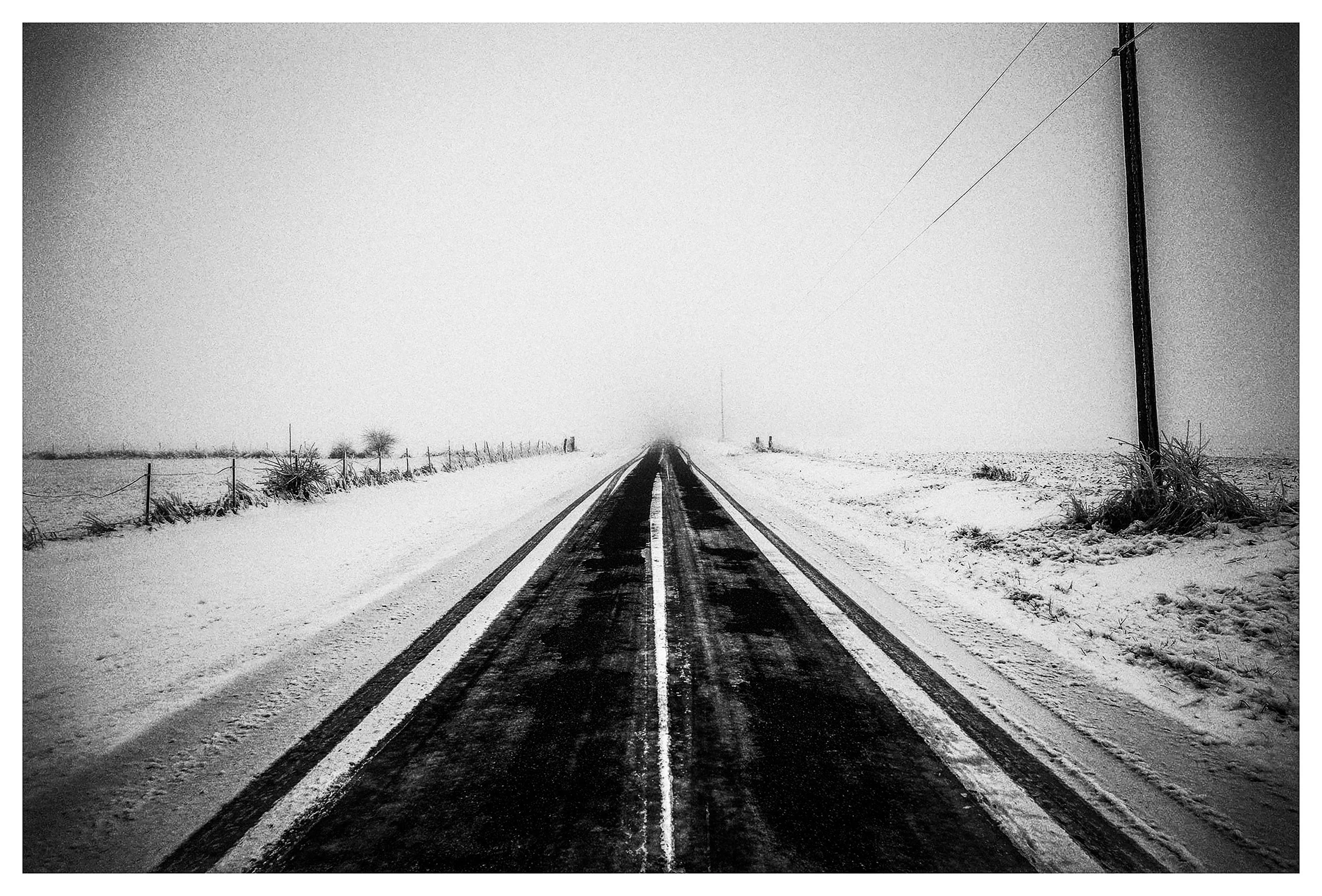
Illinois, 2021
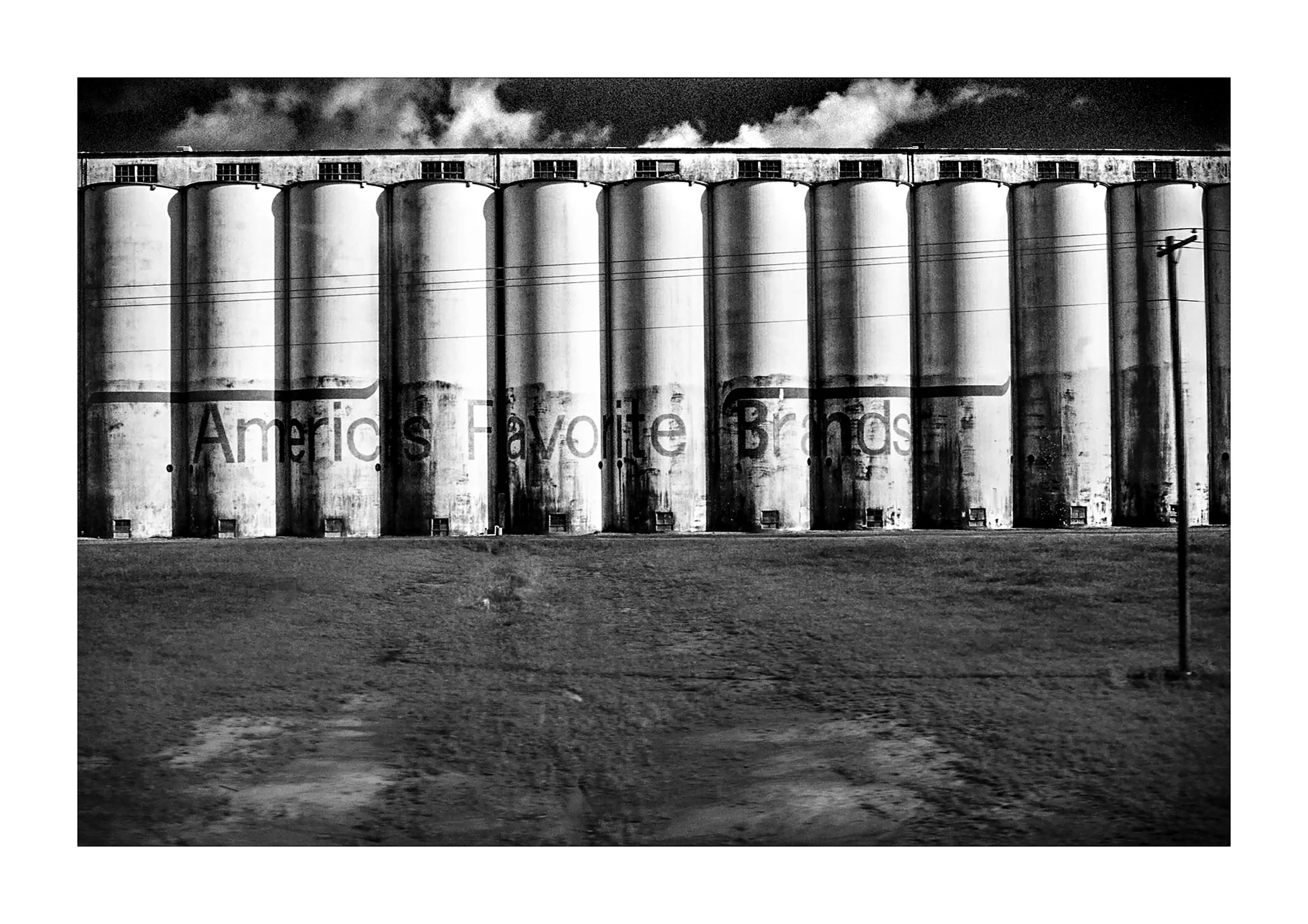
Kansas, 2016
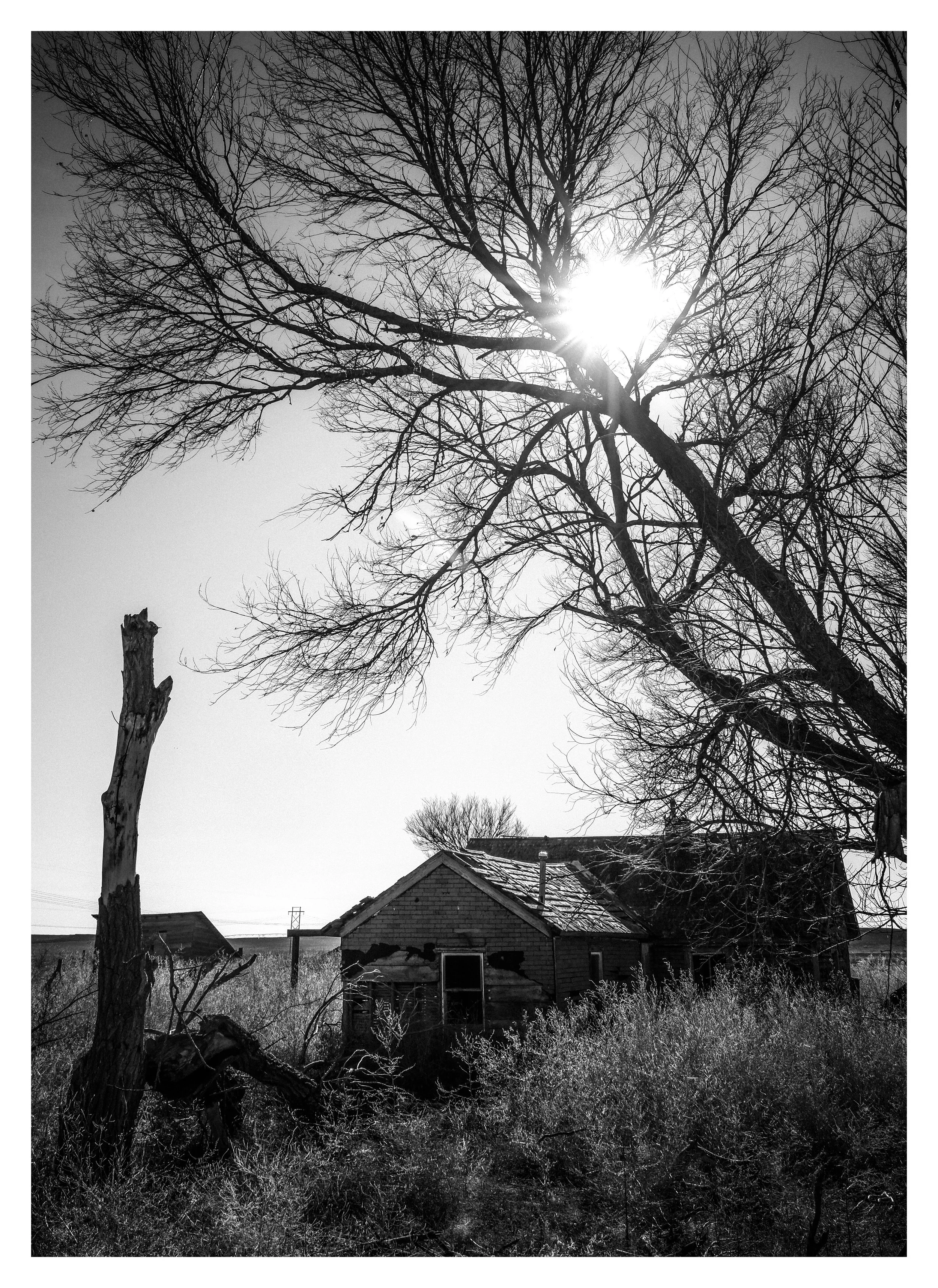
Kansas, 2023
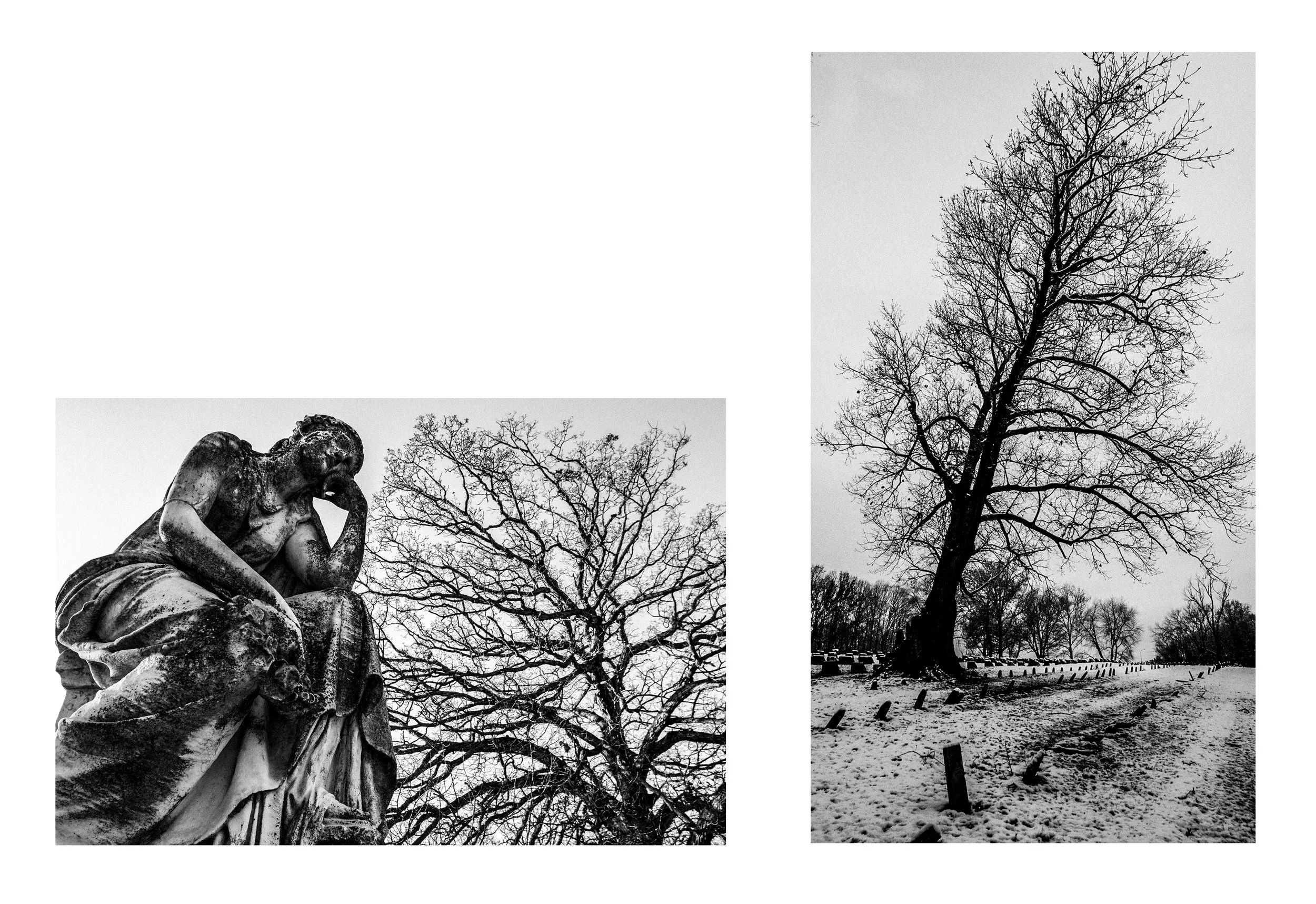
Peoria, 2020
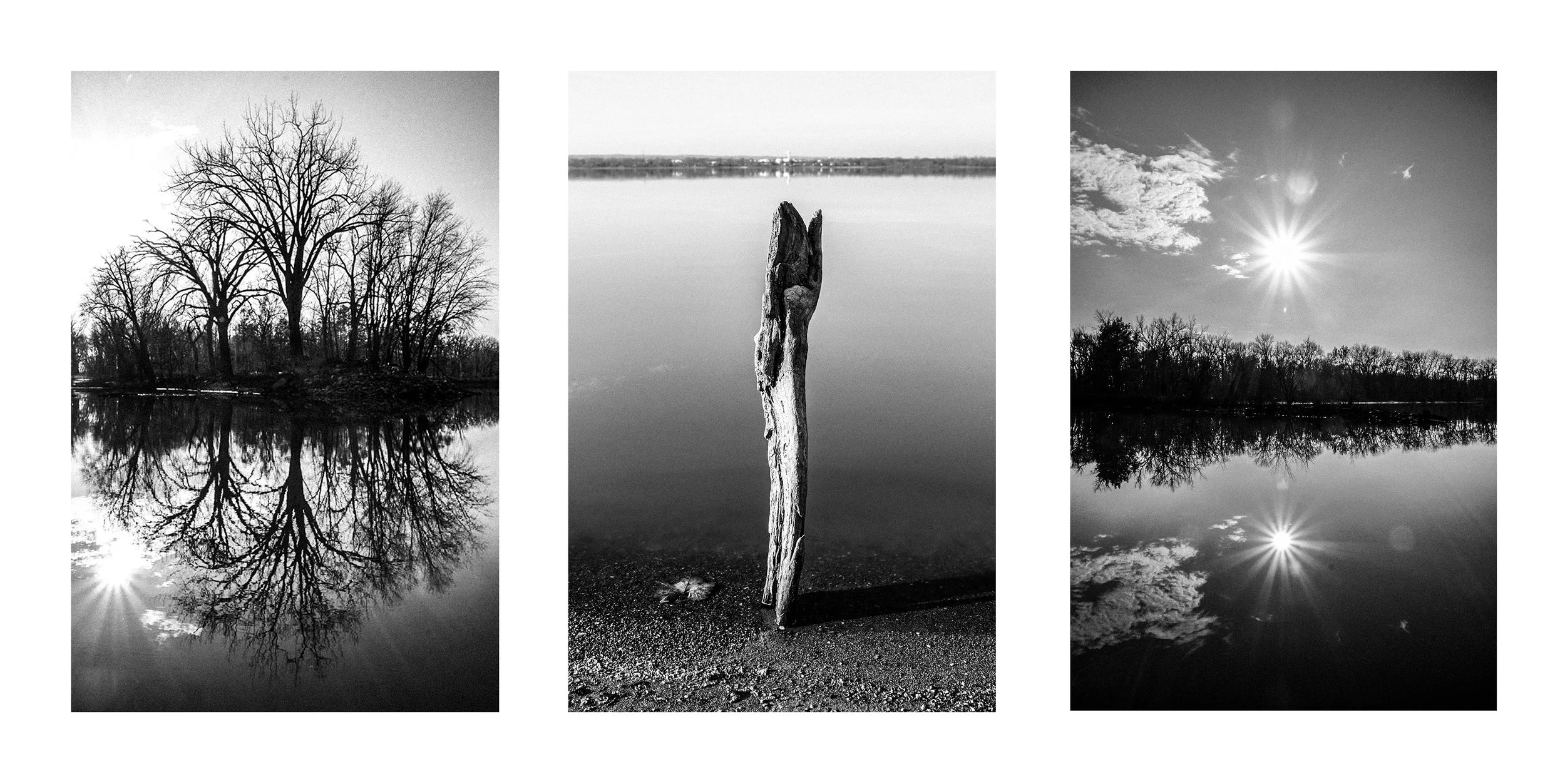
Spring Bay, 2020
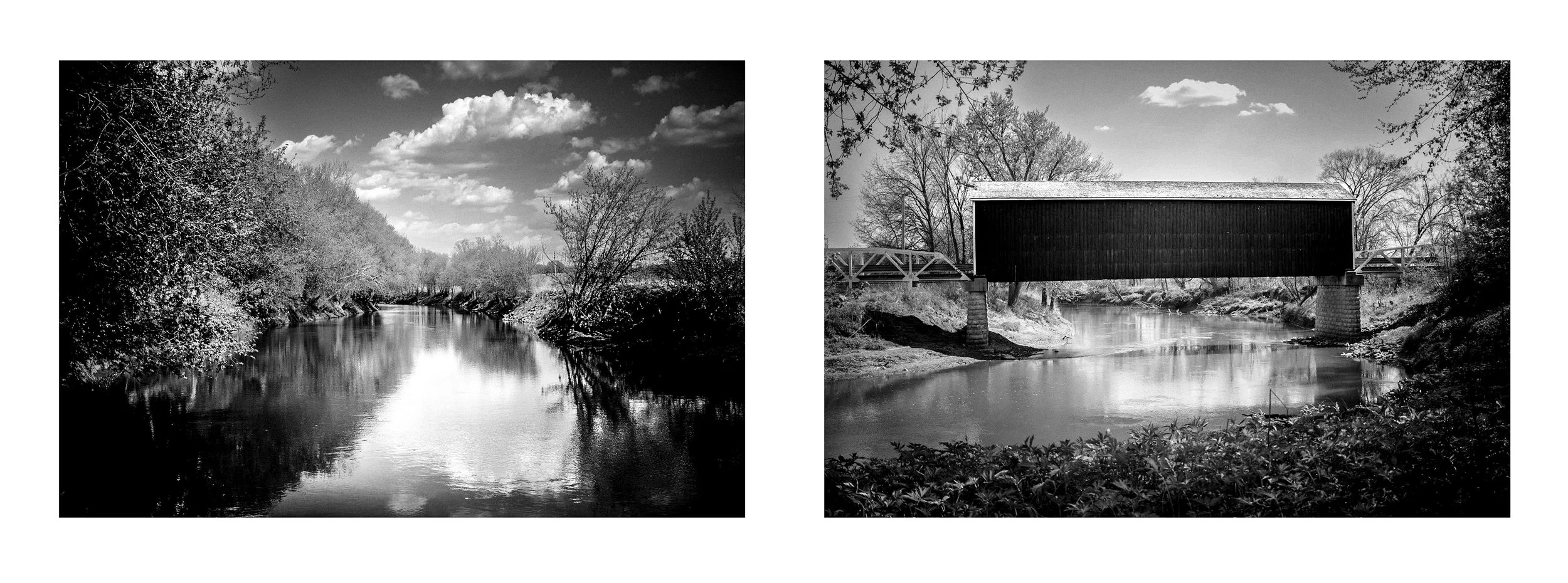
Spoon River, 2018
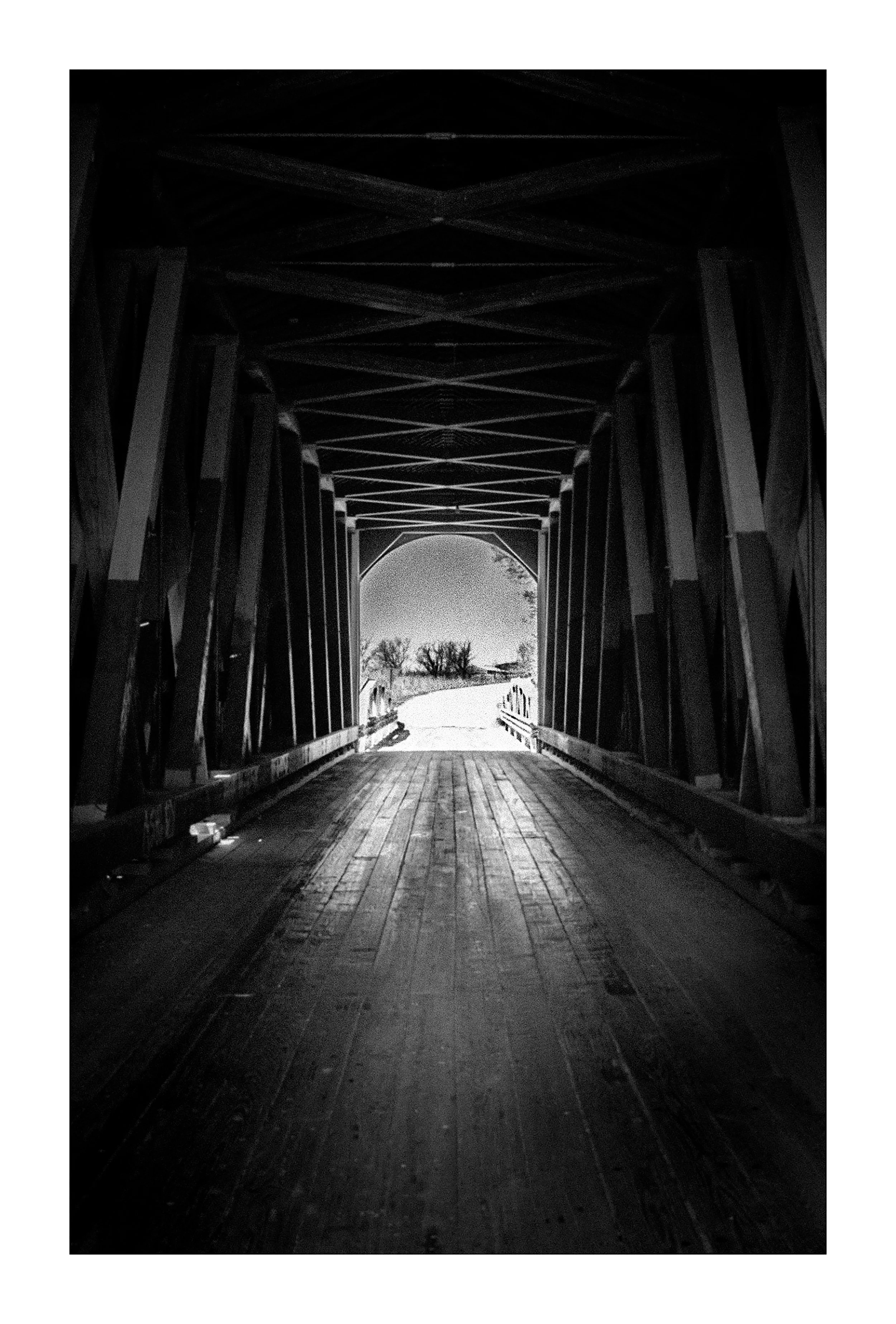
Wolf Covered Bridge, 2018
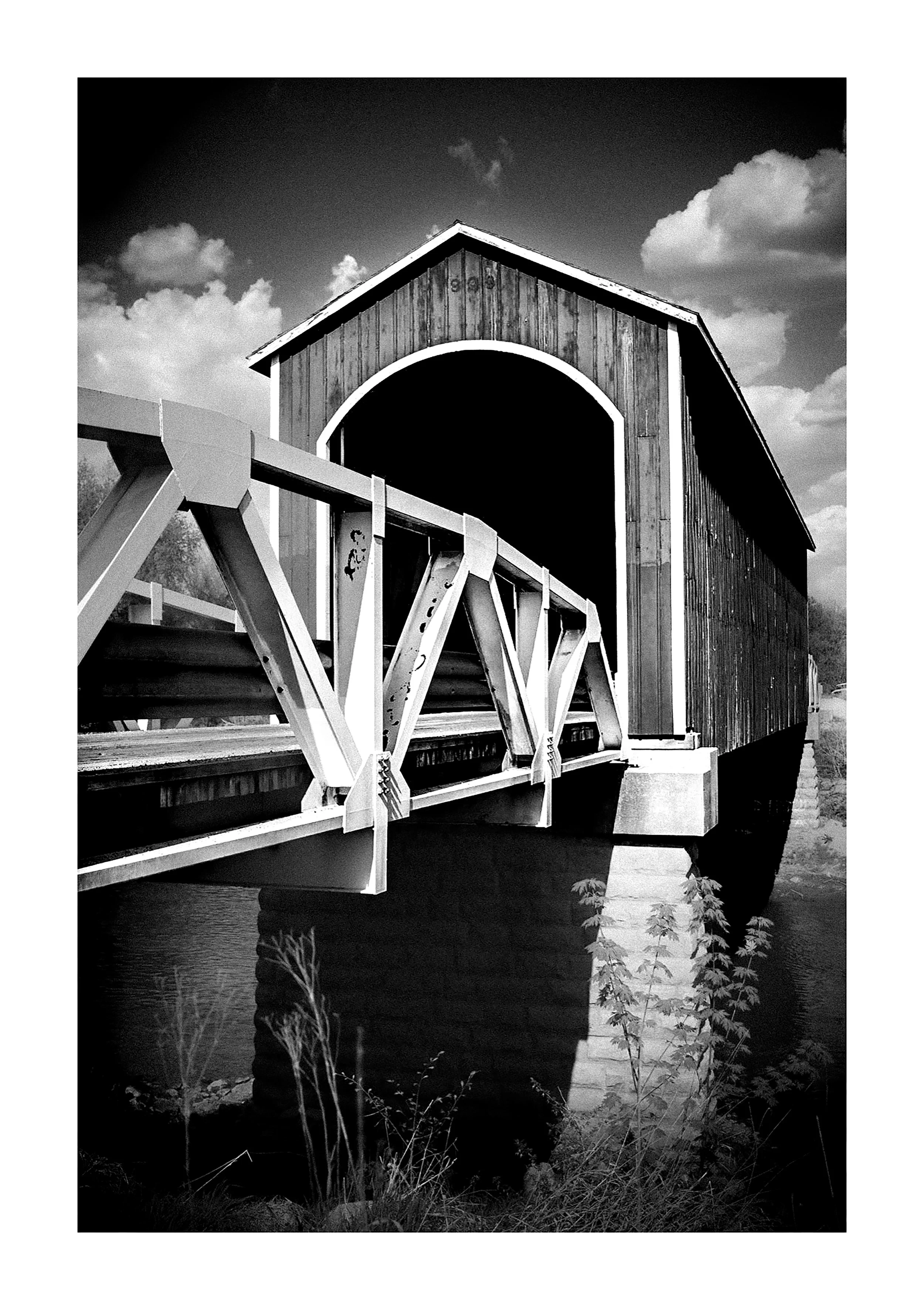
Wolf Covered Bridge, 2018
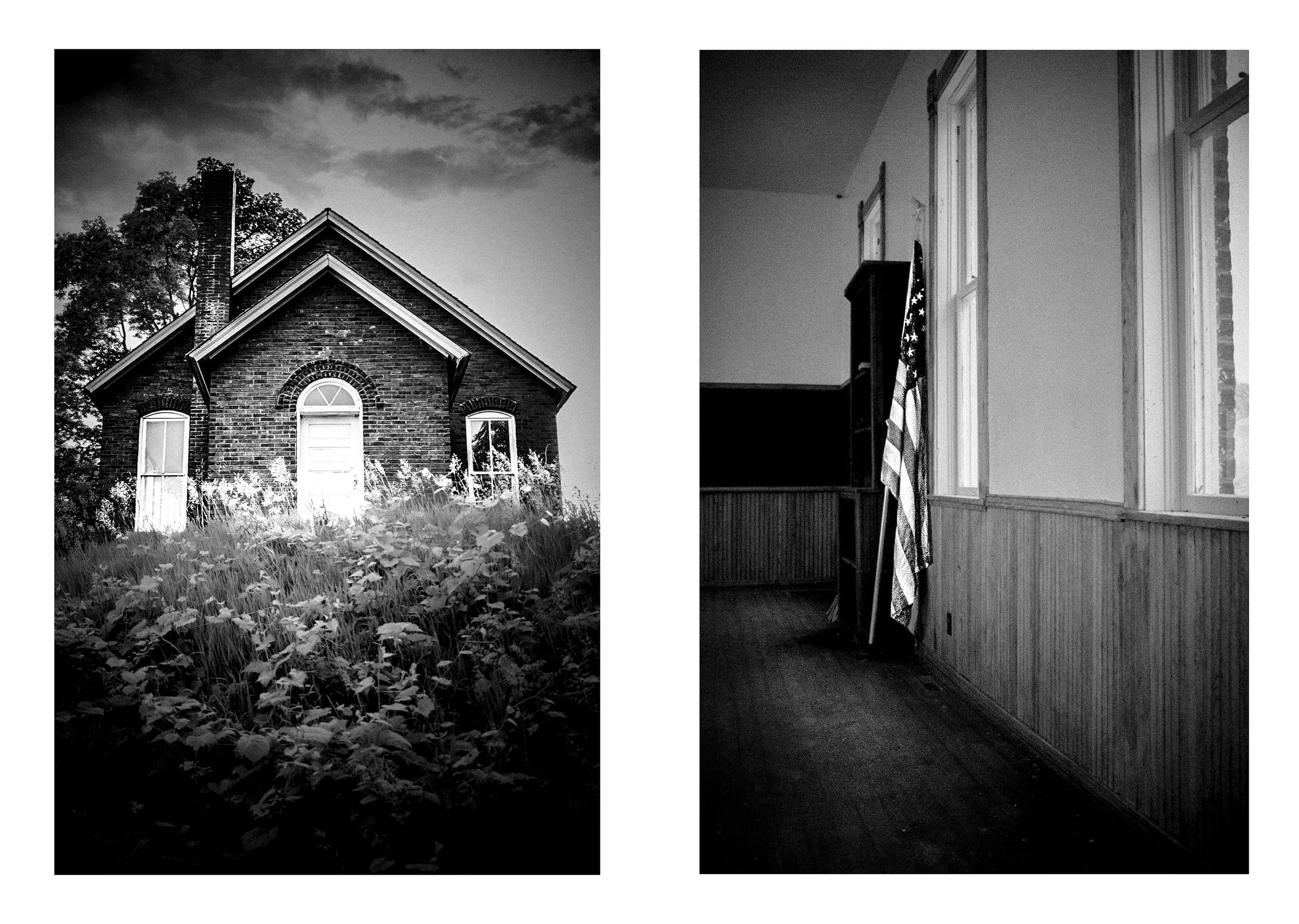
Dickson Mounds, 2018
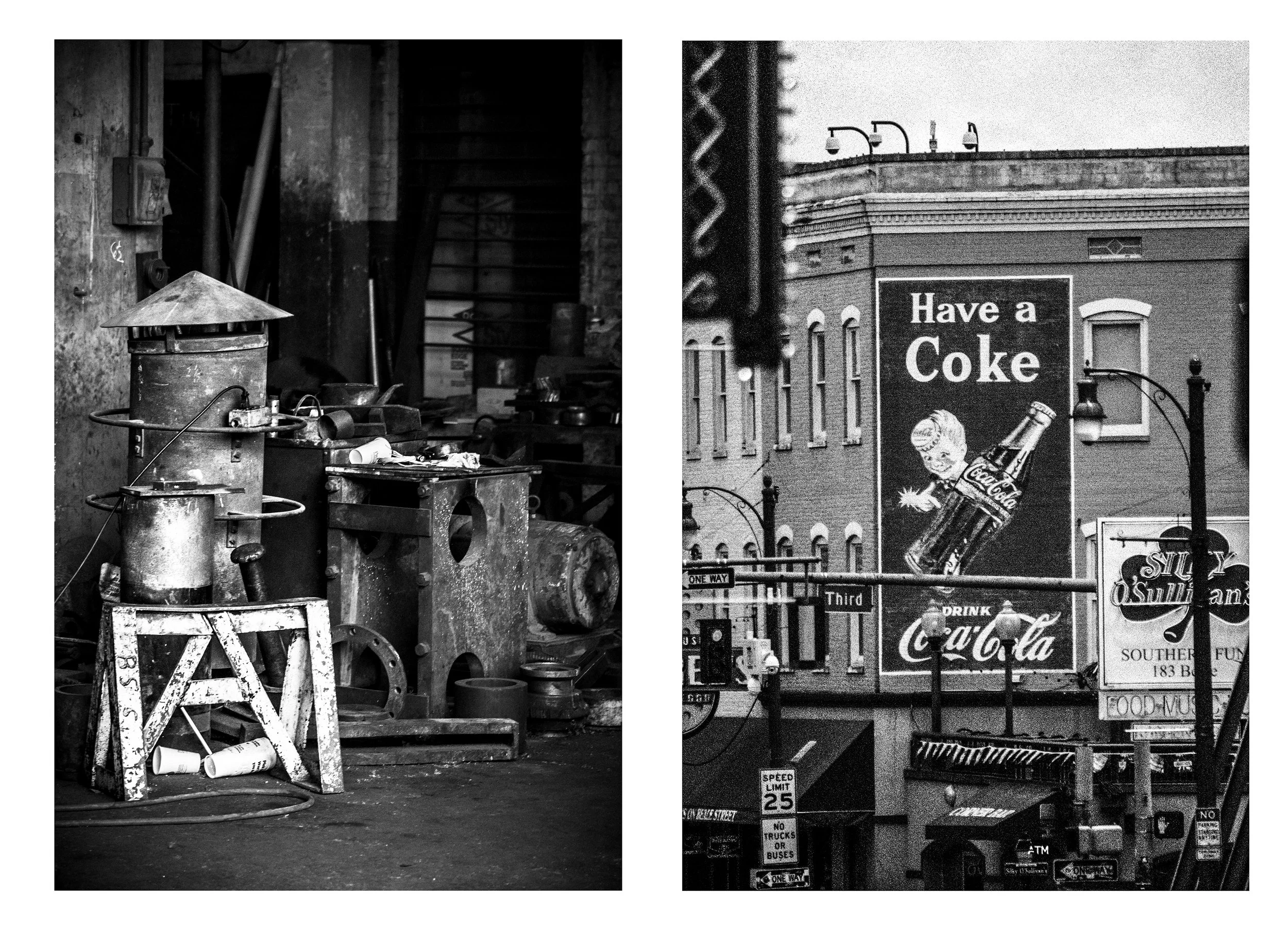
Memphis / Kansas City, 2015
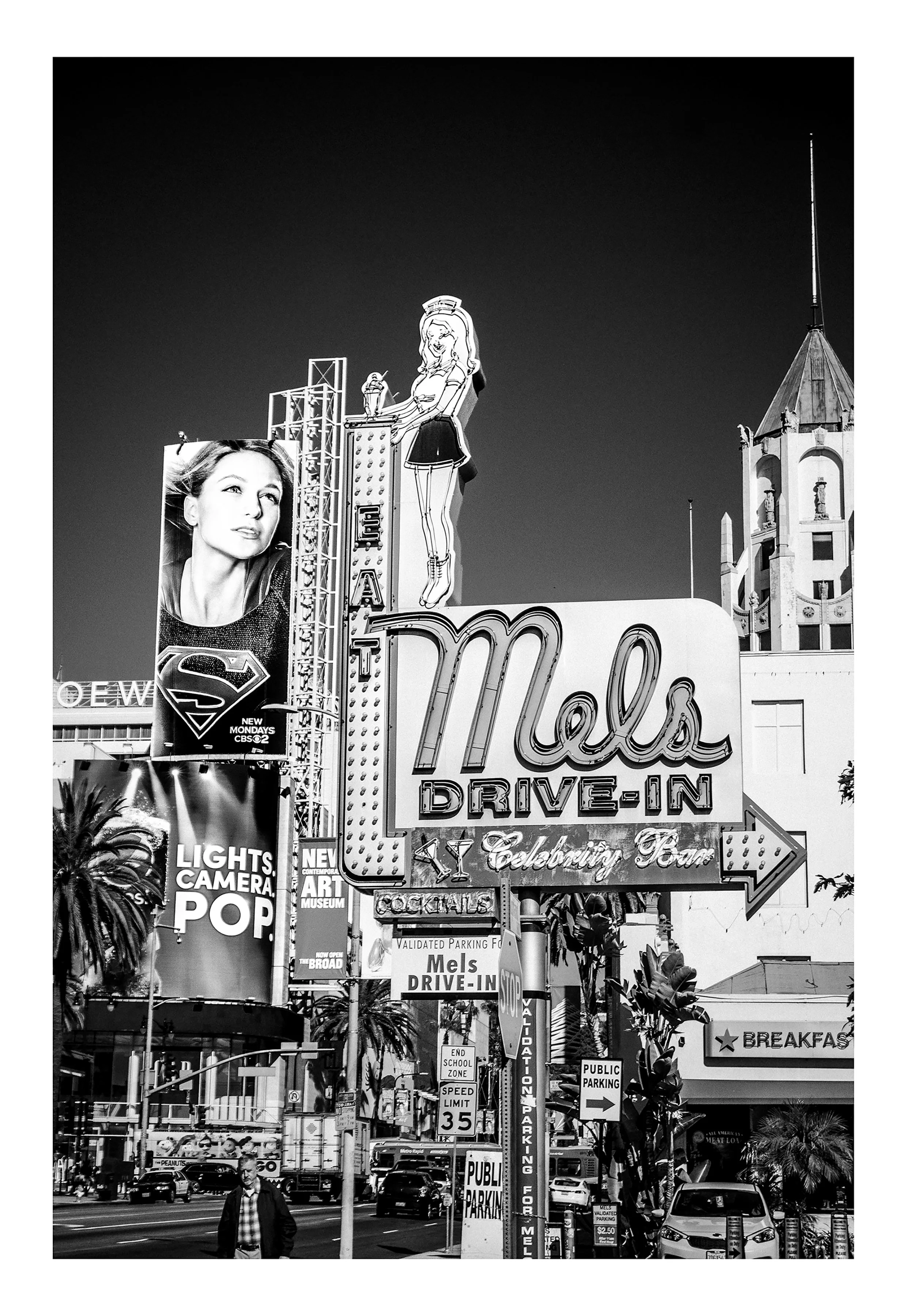
Los Angeles, 2016
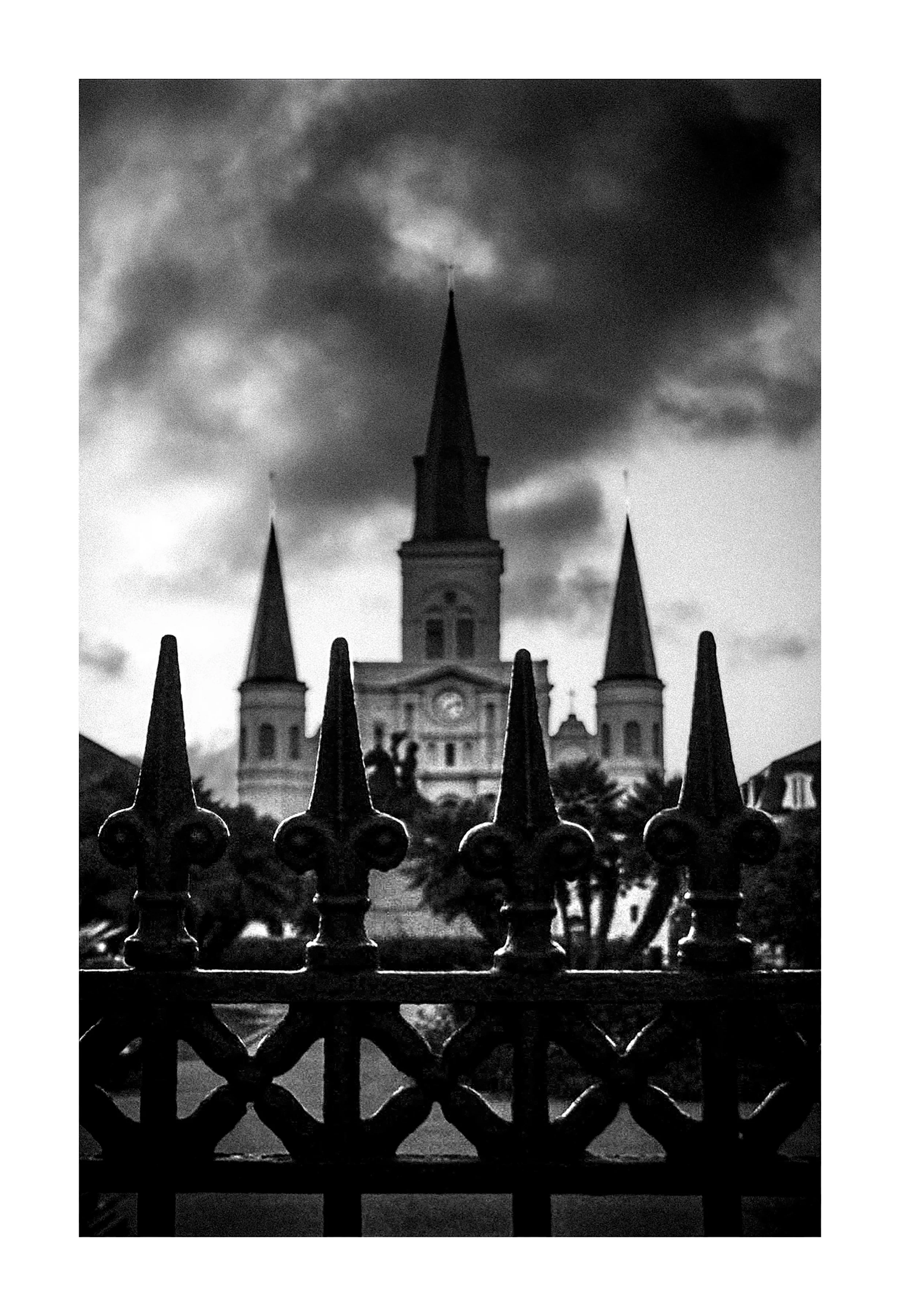
New Orleans, 2015
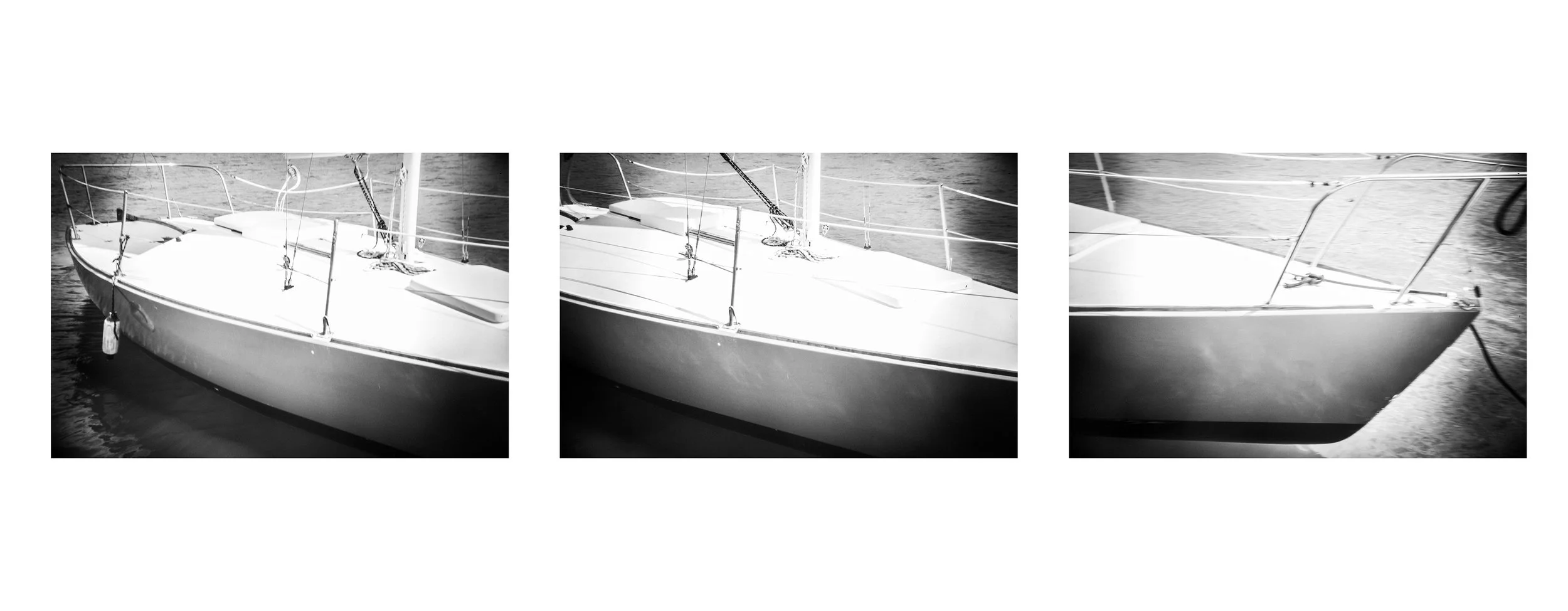
Valle del Bravo, 2025
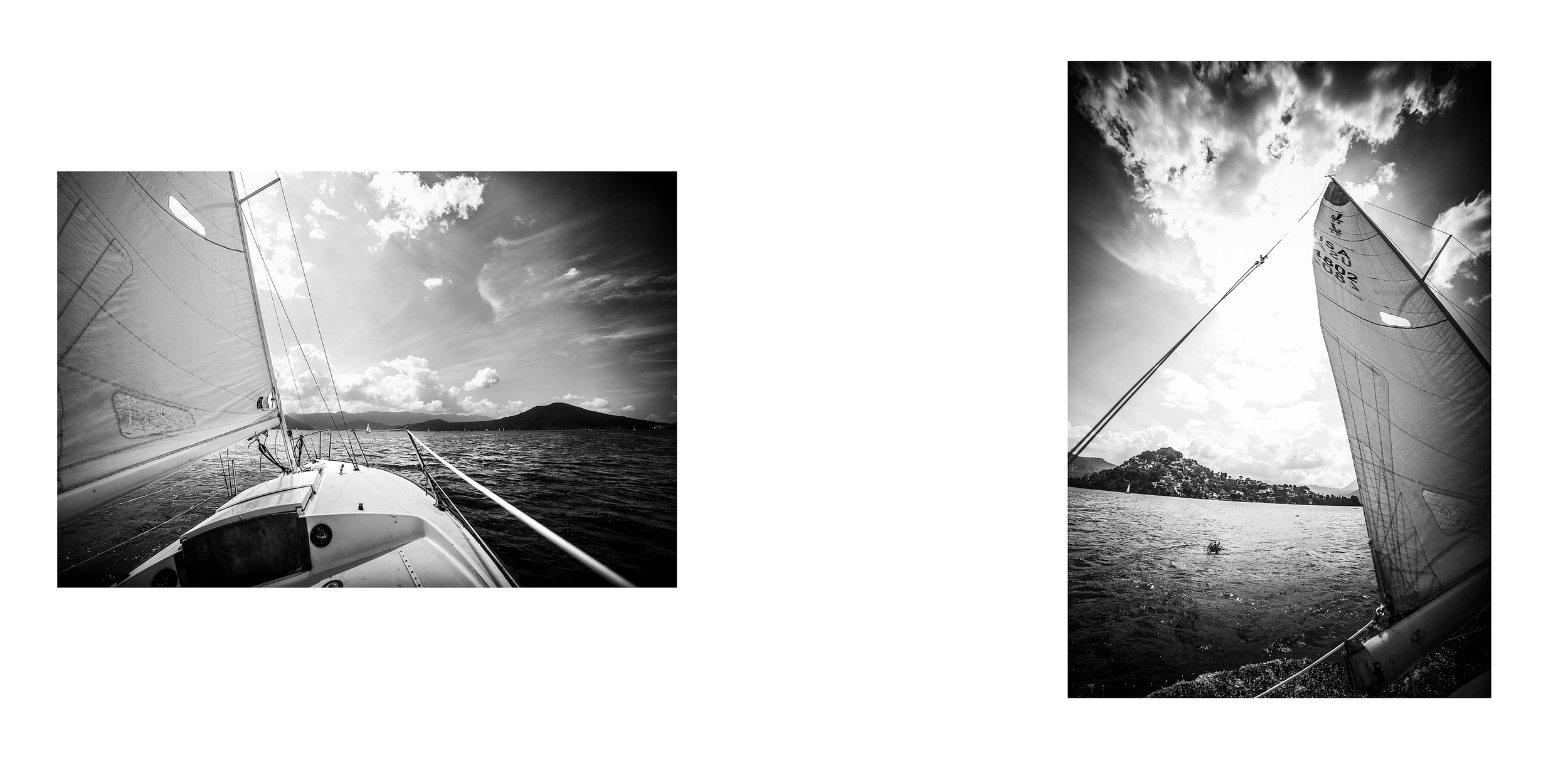
Valle del Bravo, 2025
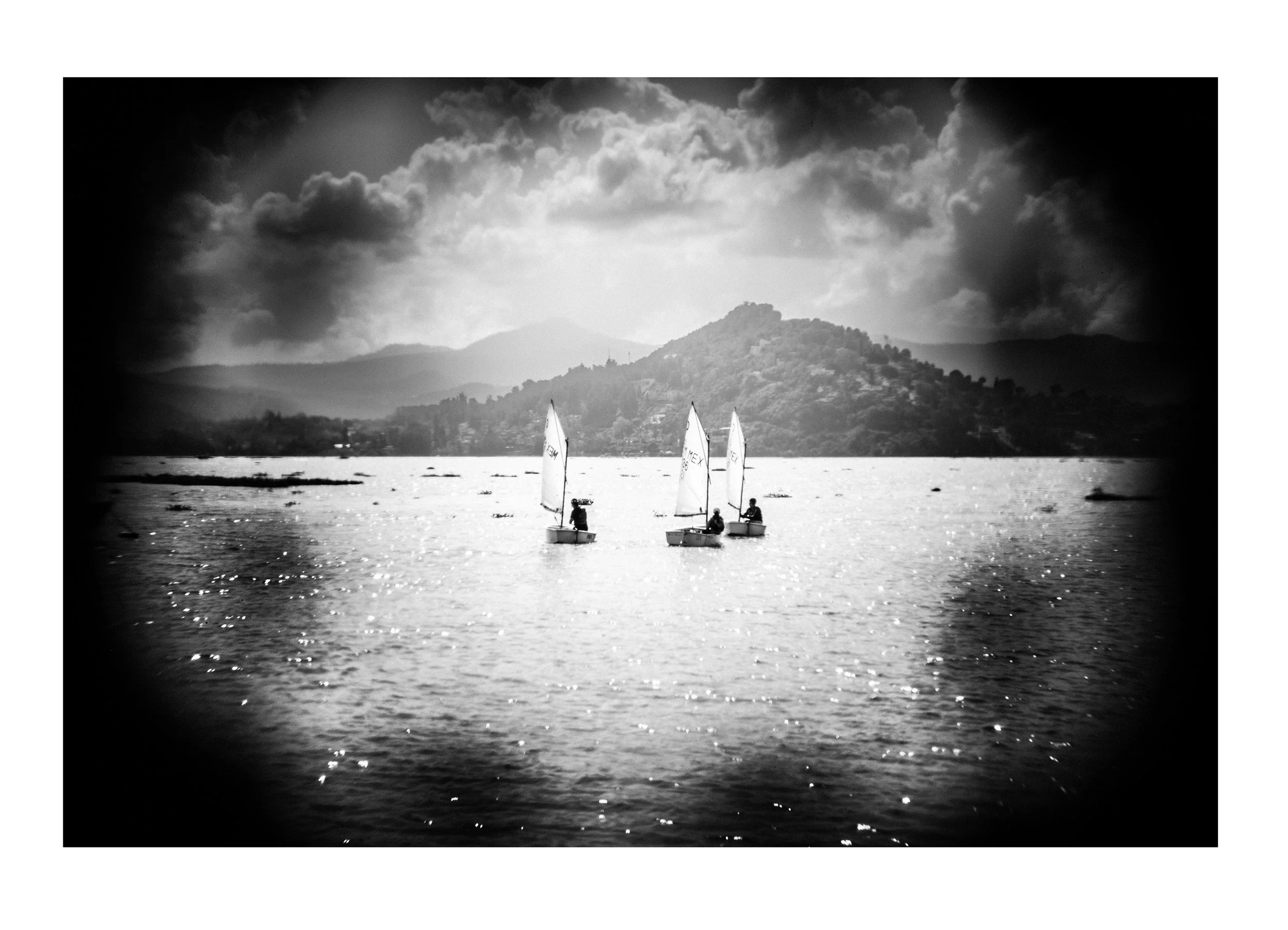
Valle Del Bravo, 2025
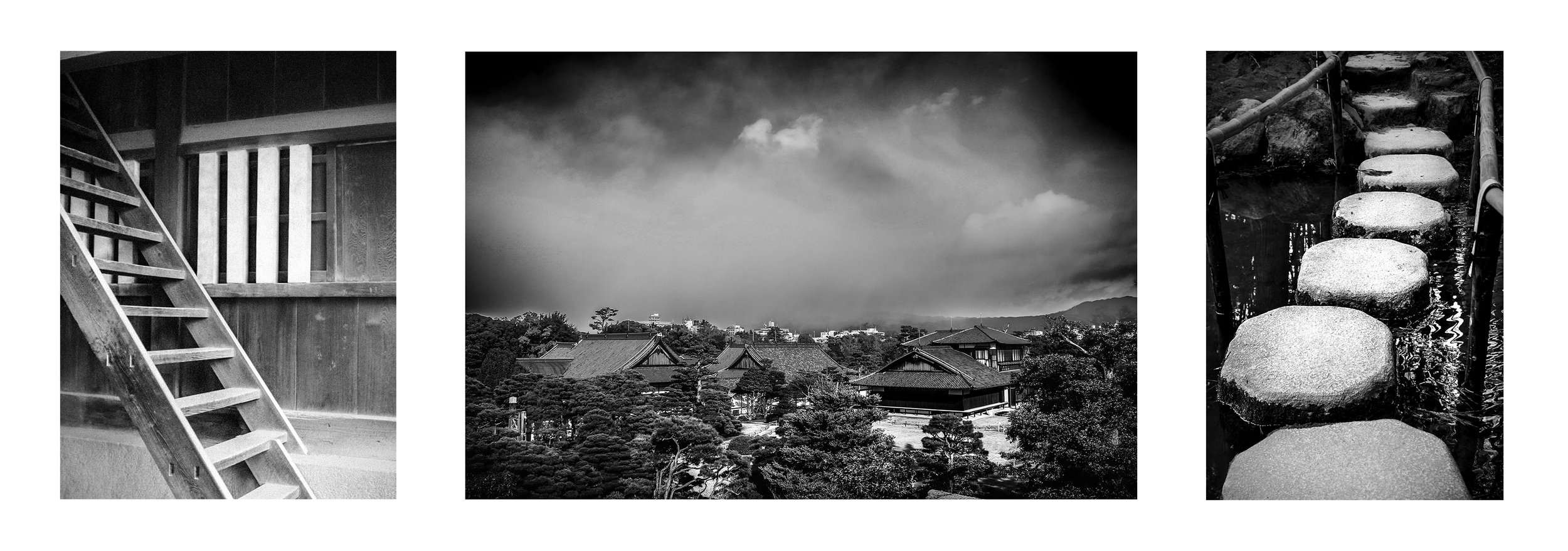
Kyoto, 2015
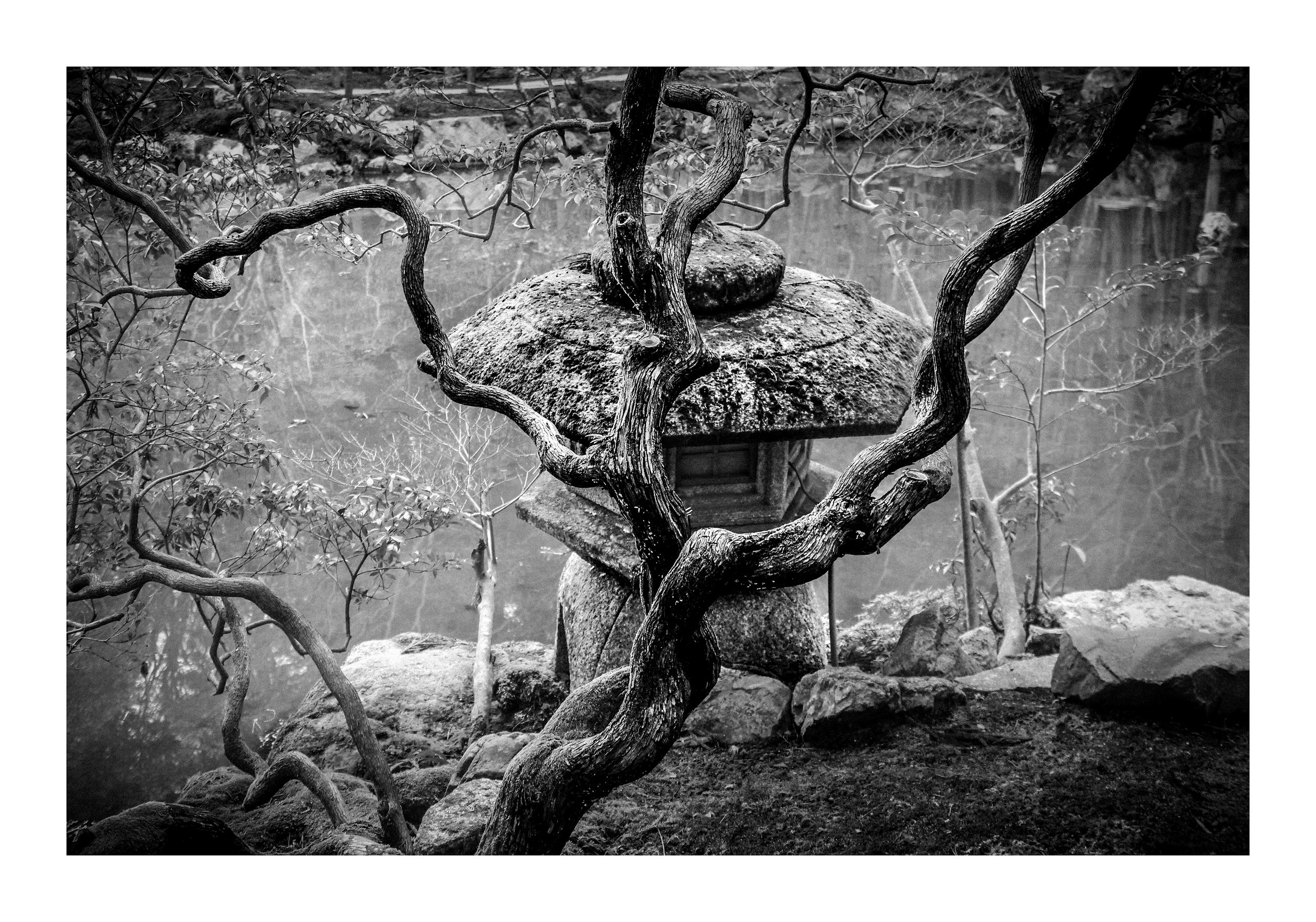
Kyoto, 2015
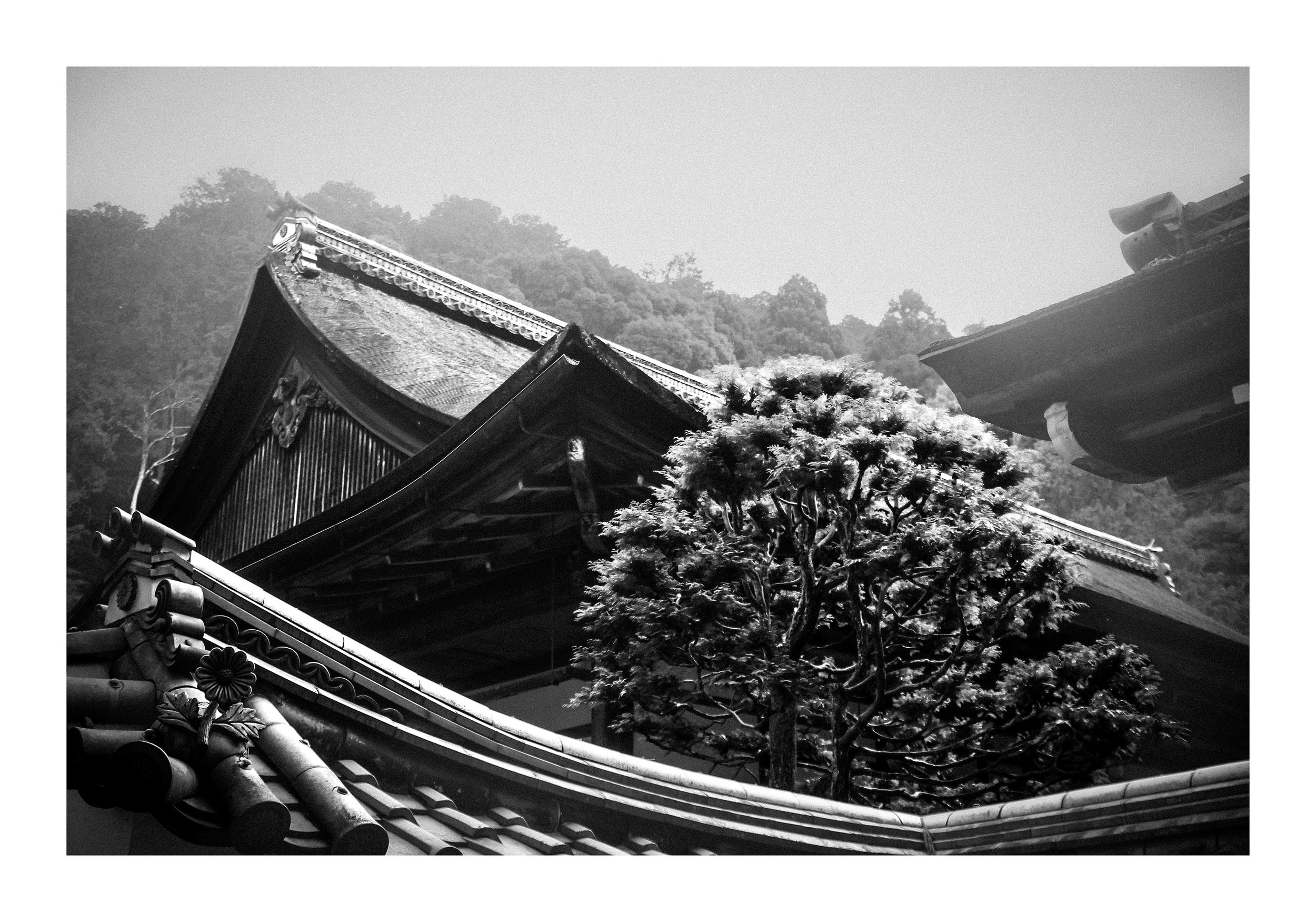
Kyoto, 2015
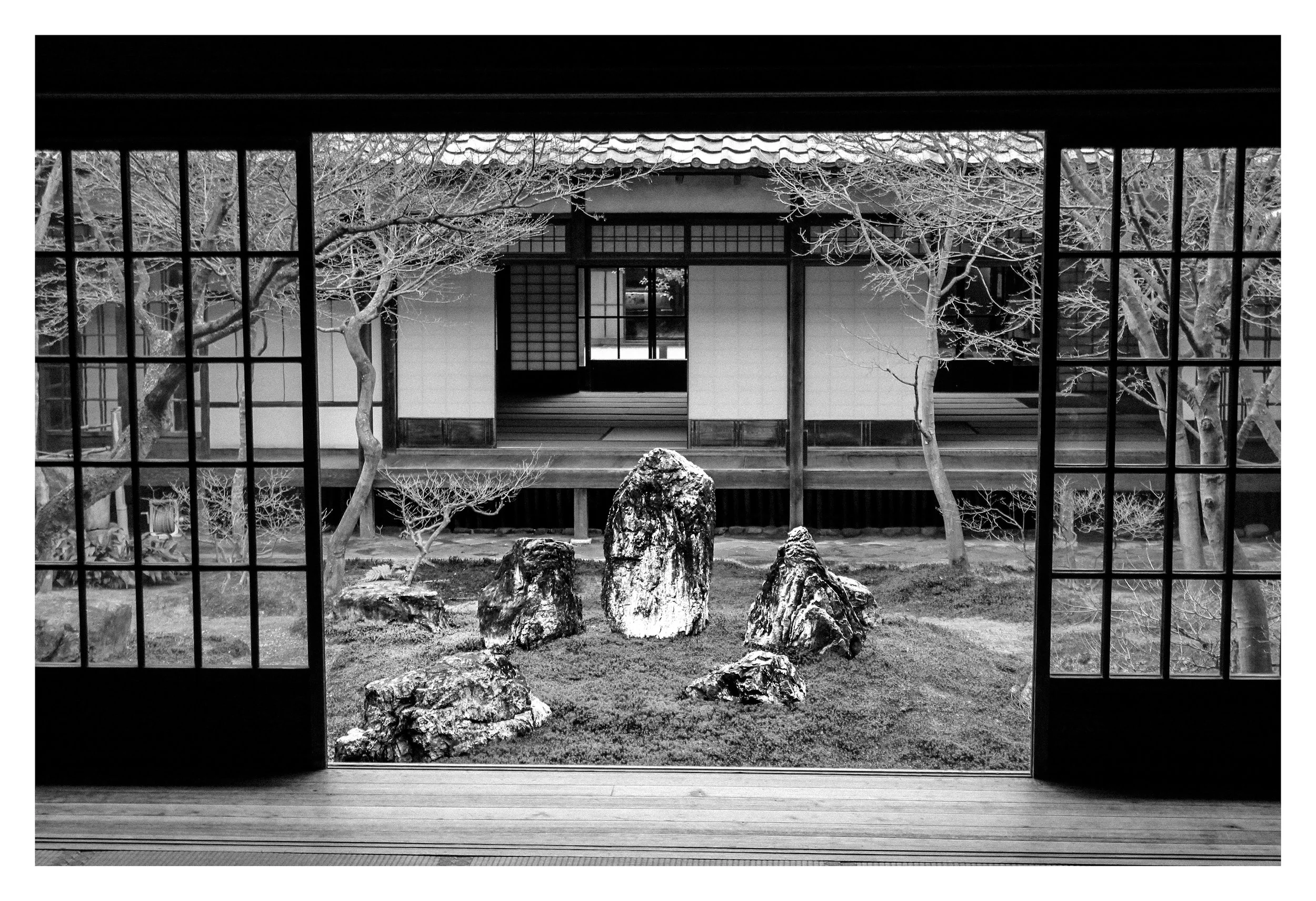
Kyoto, 2015
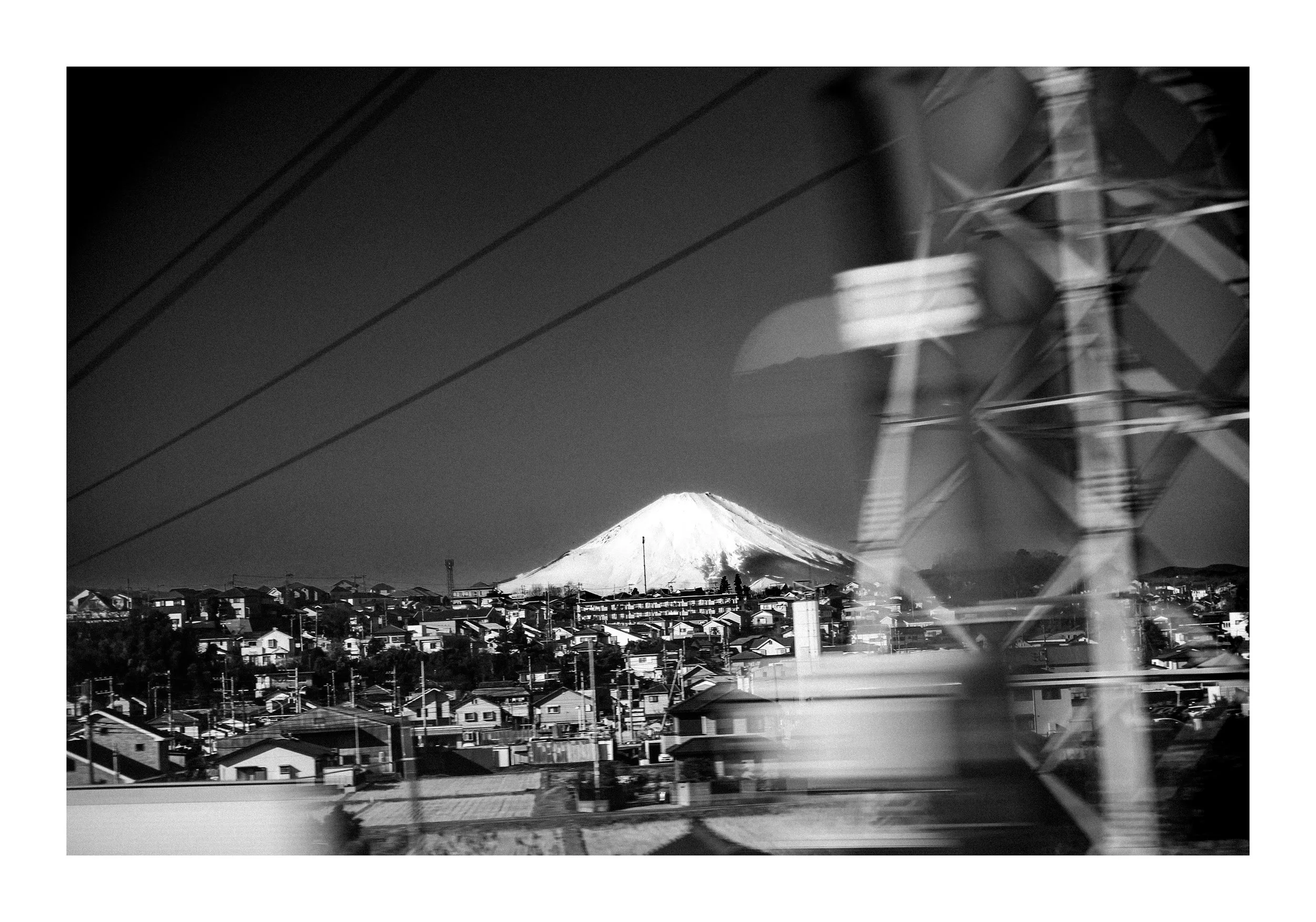
Mt. Fuji, 2015
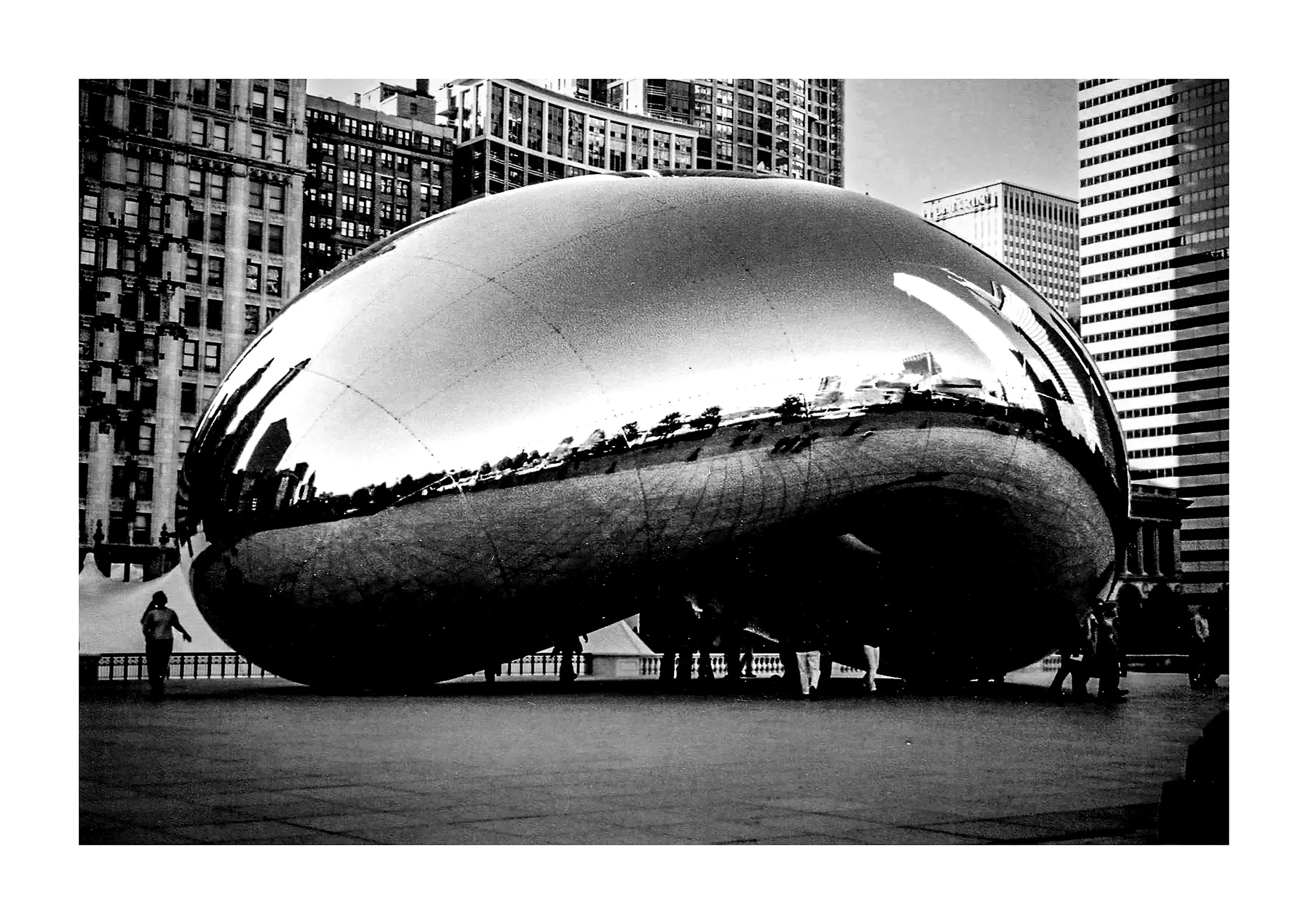
Chicago, 2003
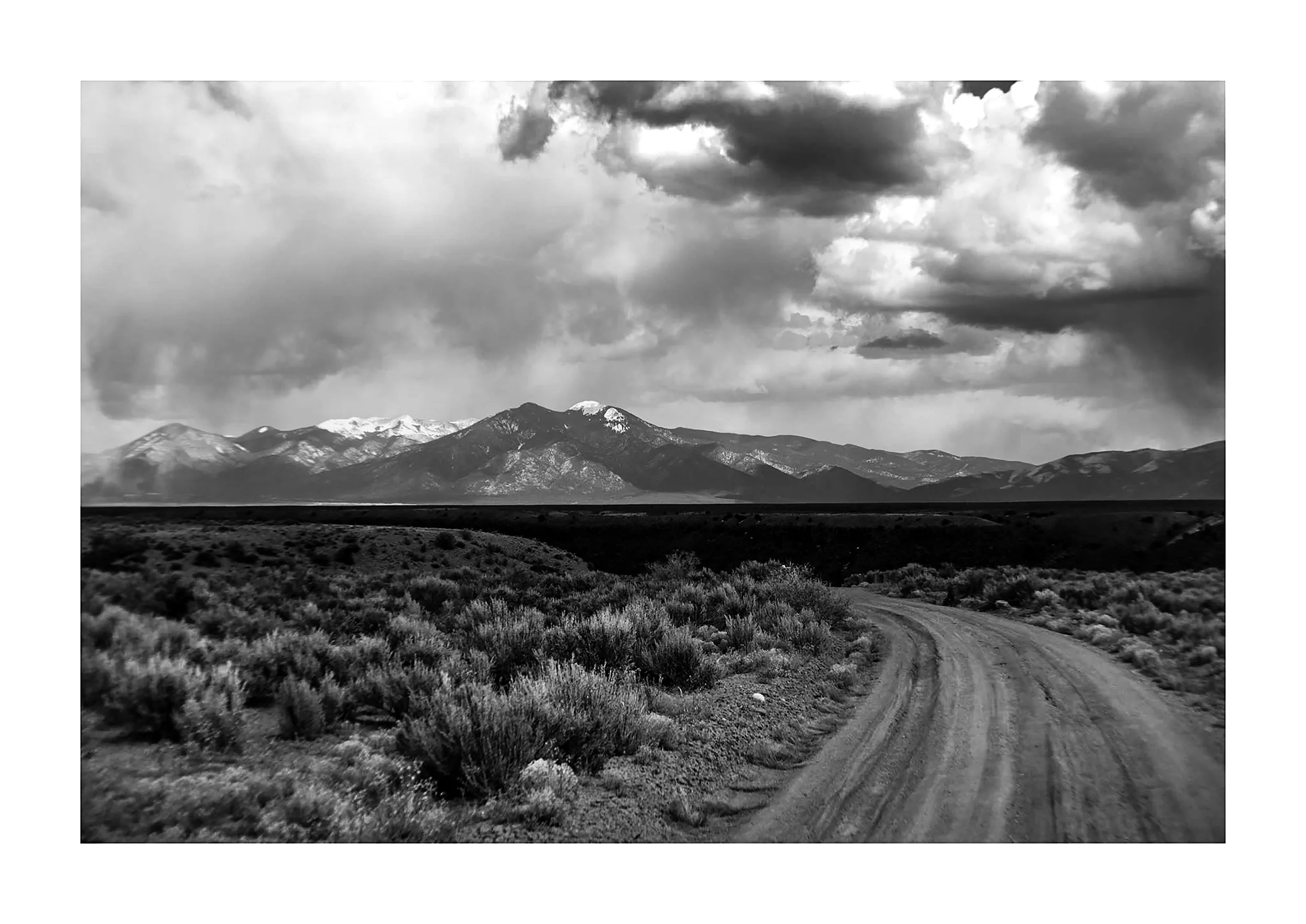
Taos, 2016
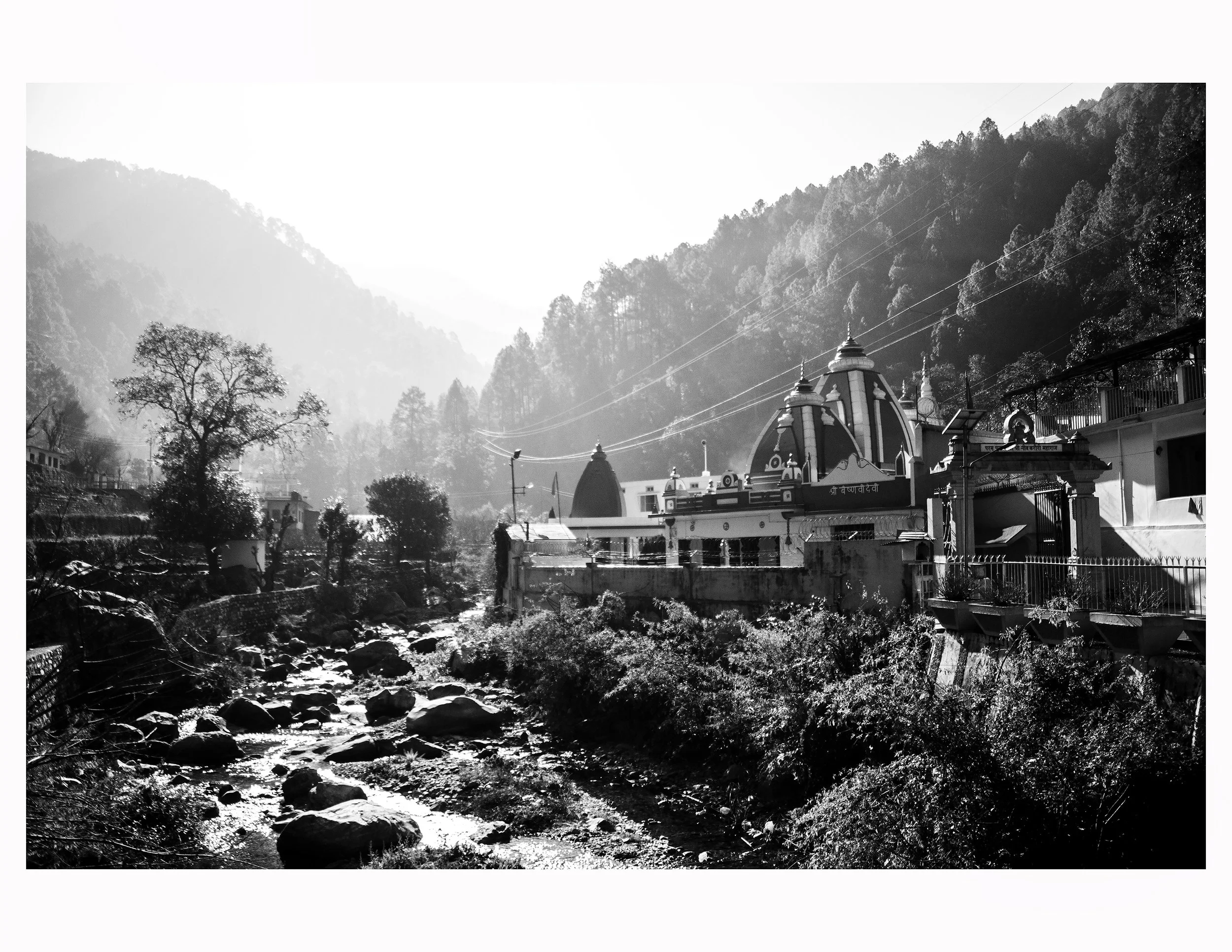
Kainchi Dham, 2016
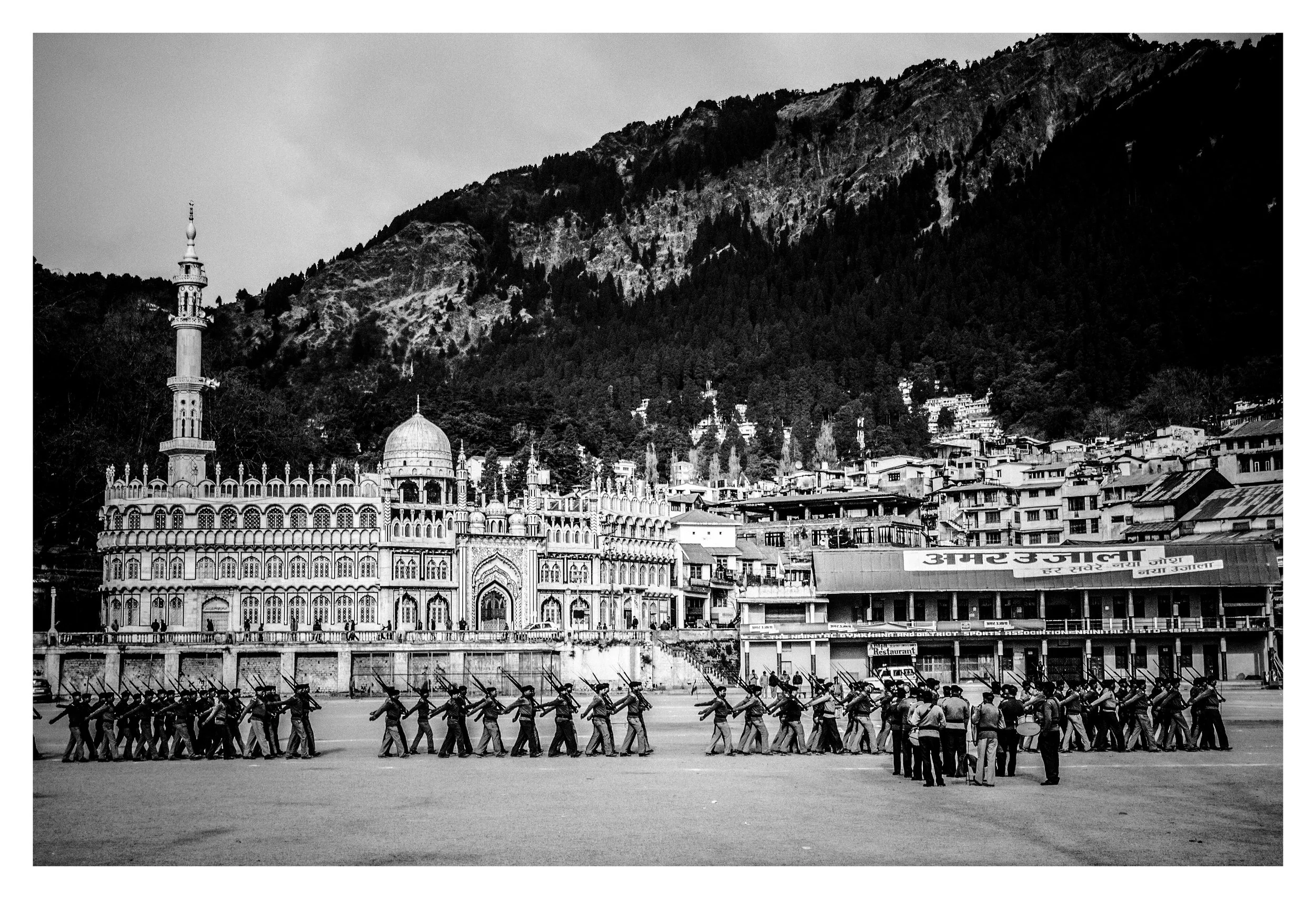
Nainital, 2016
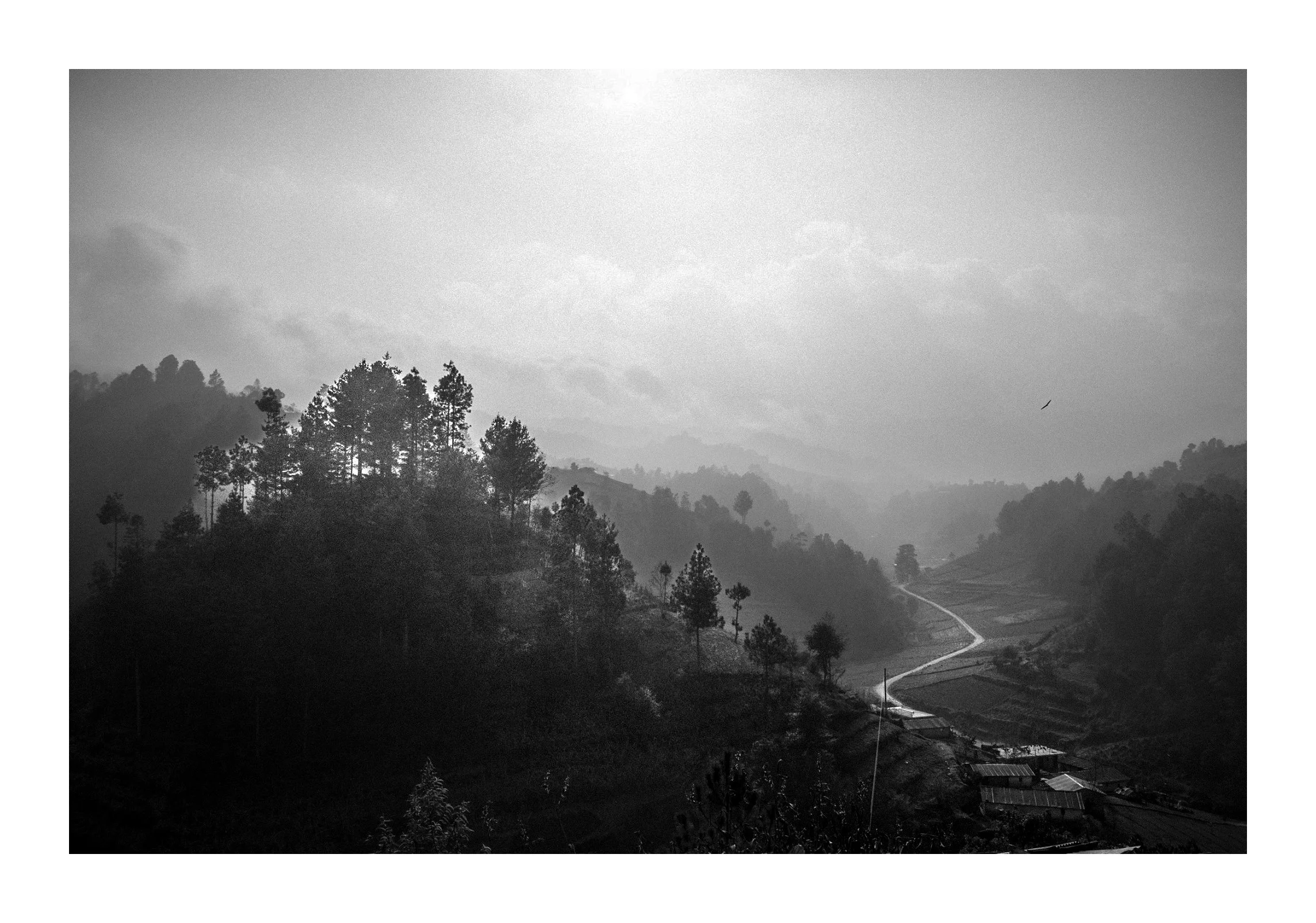
Los Altos, 2019
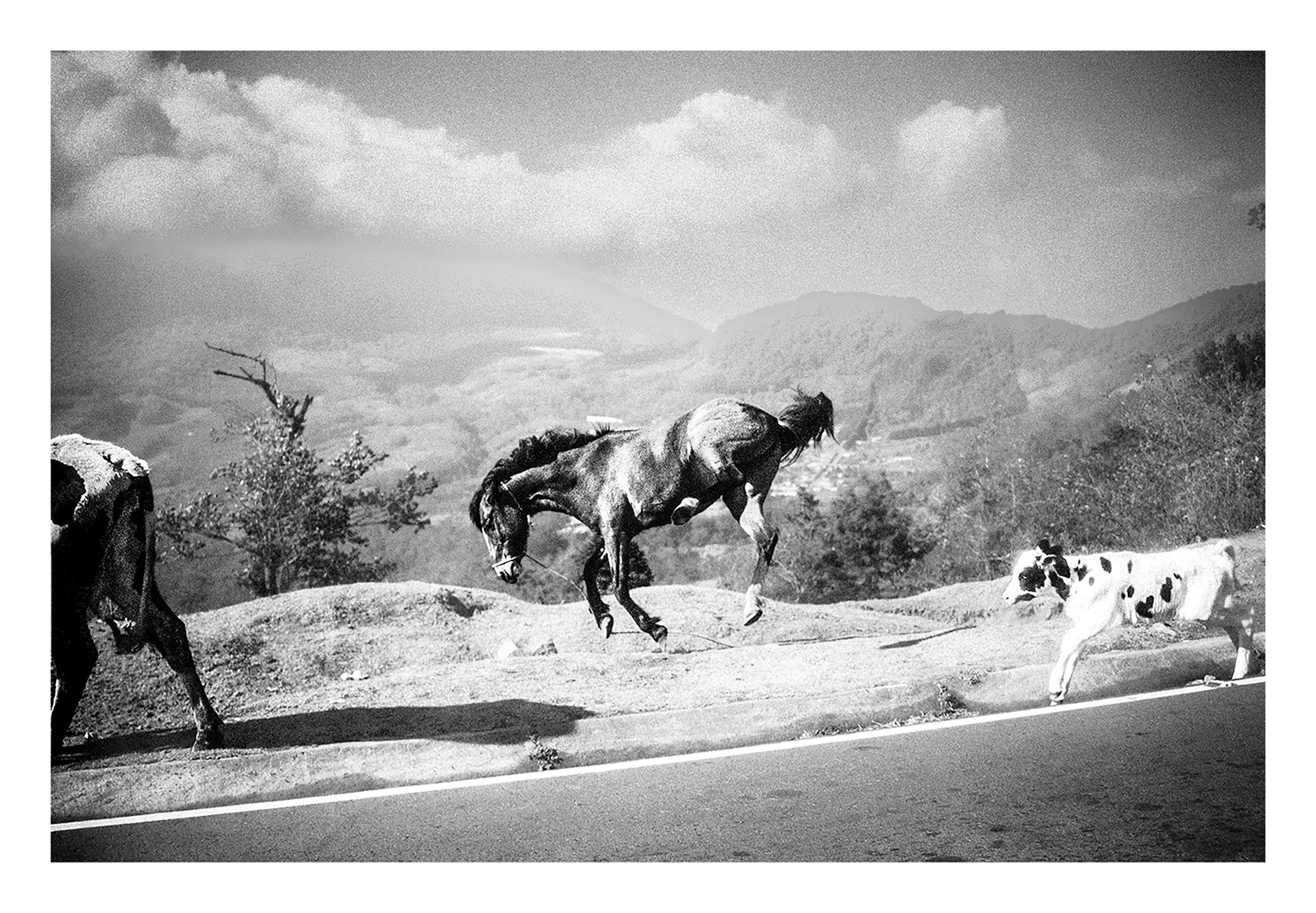
Guatemala, 2019
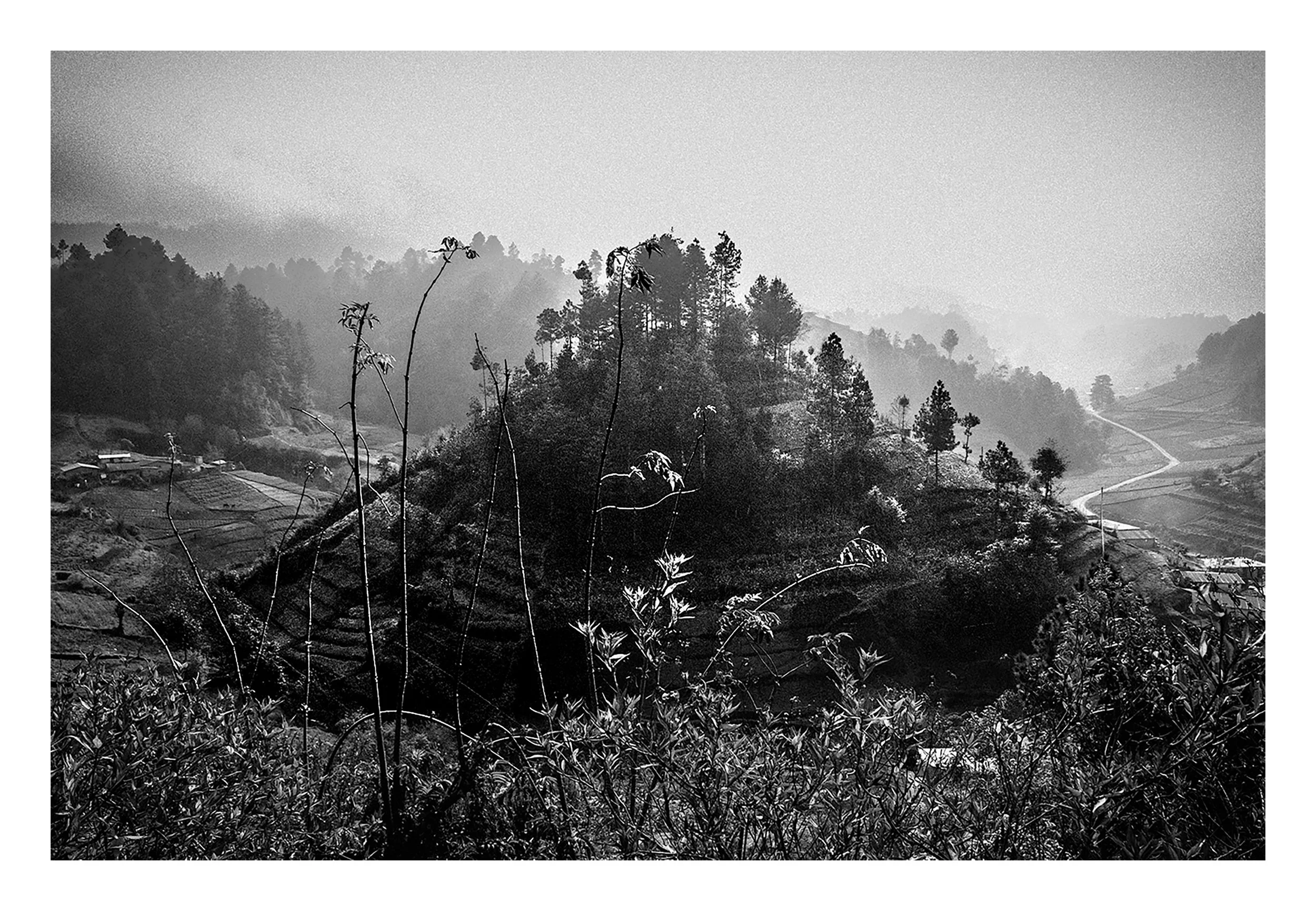
Los Altos, 2019
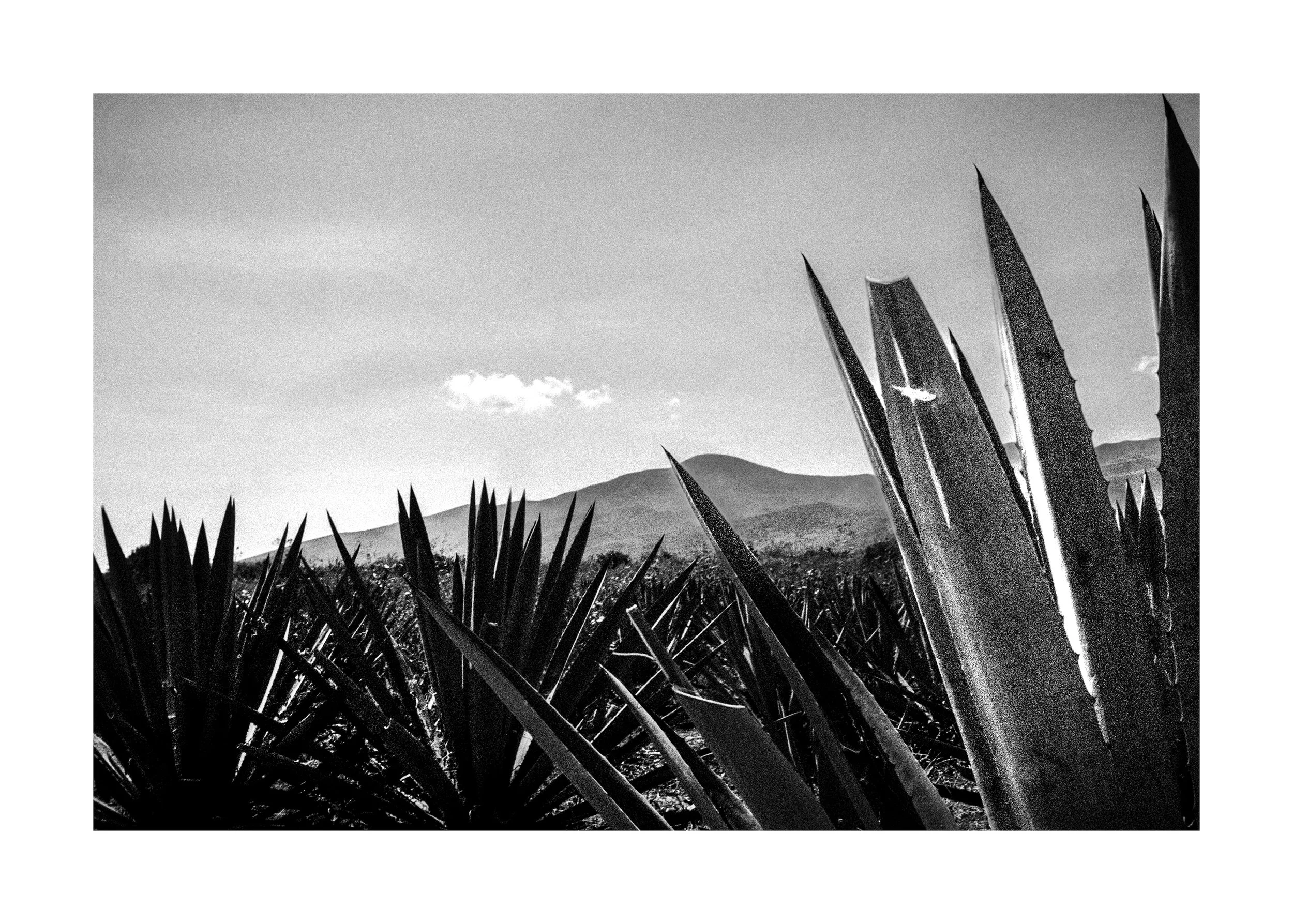
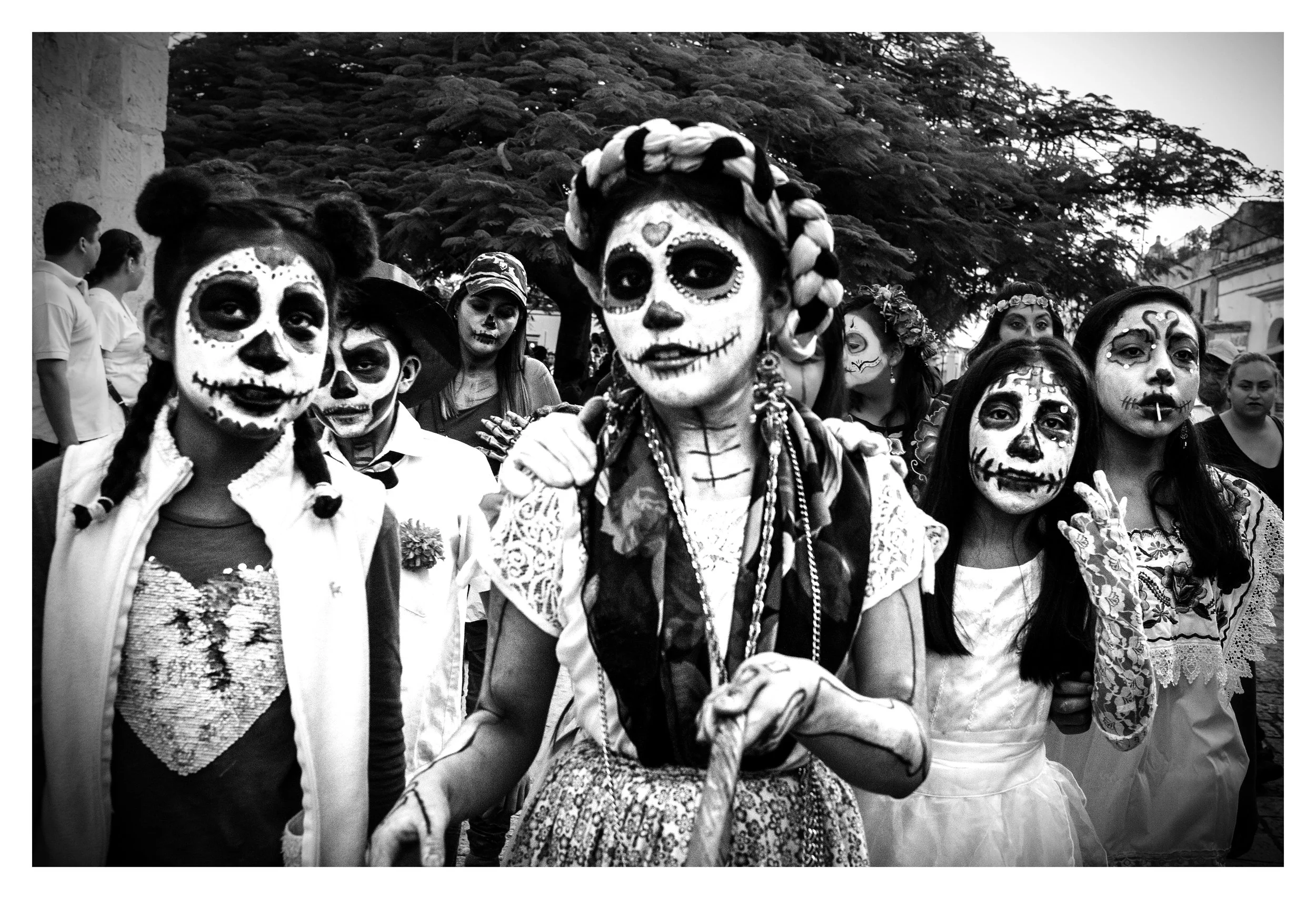
Oaxaca, 2017
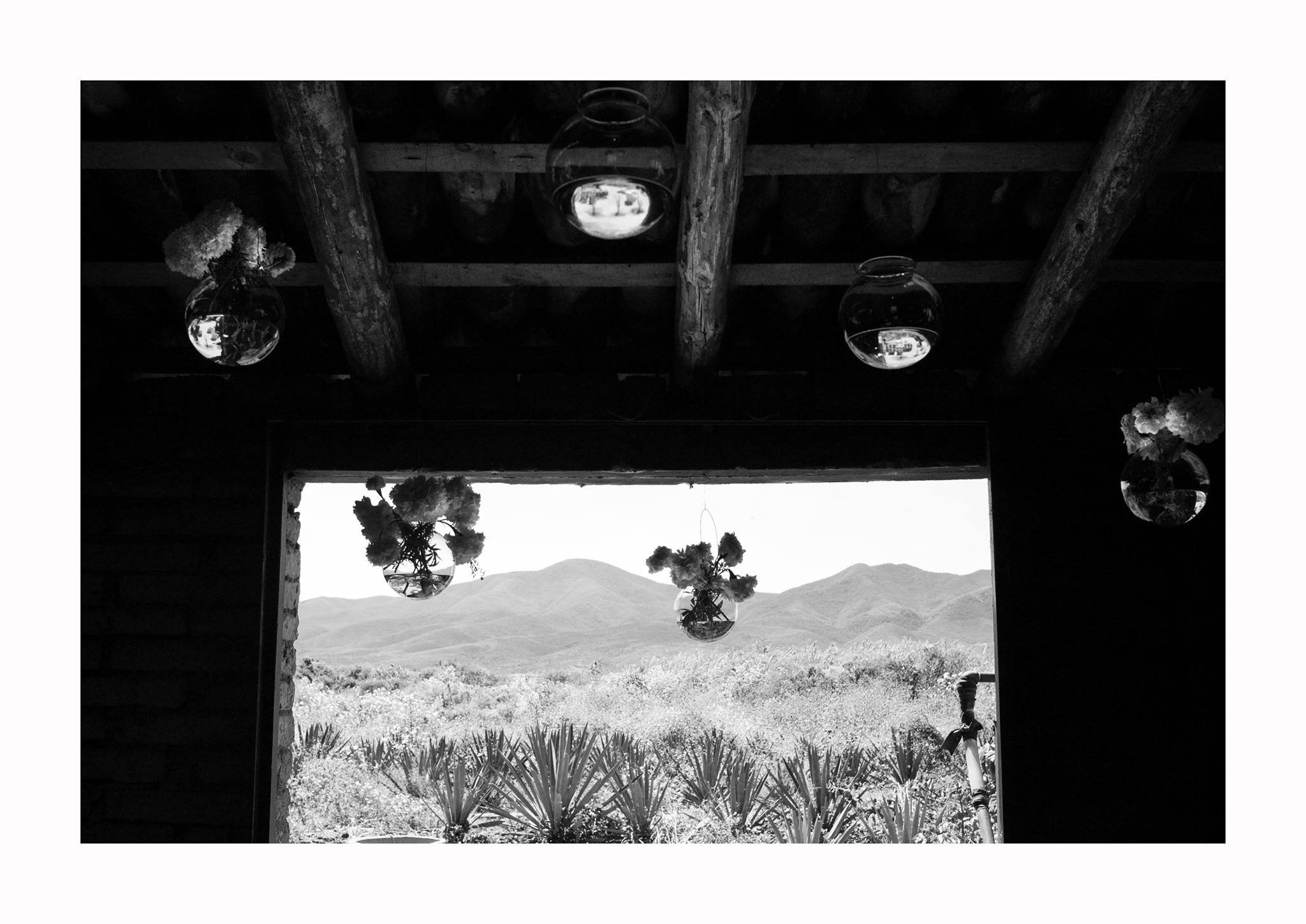
Oaxaca, 2017
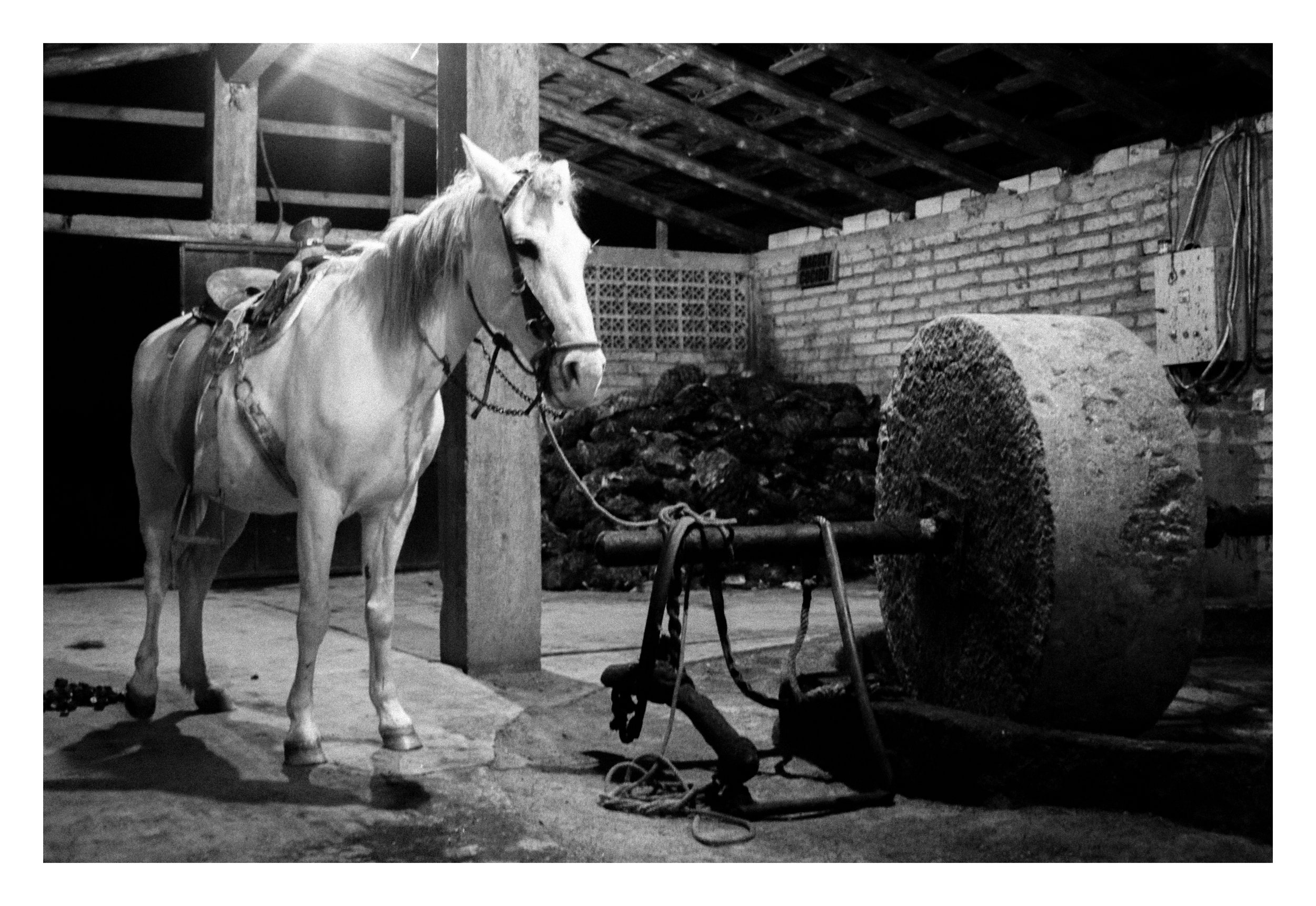
Oaxaca, 2017
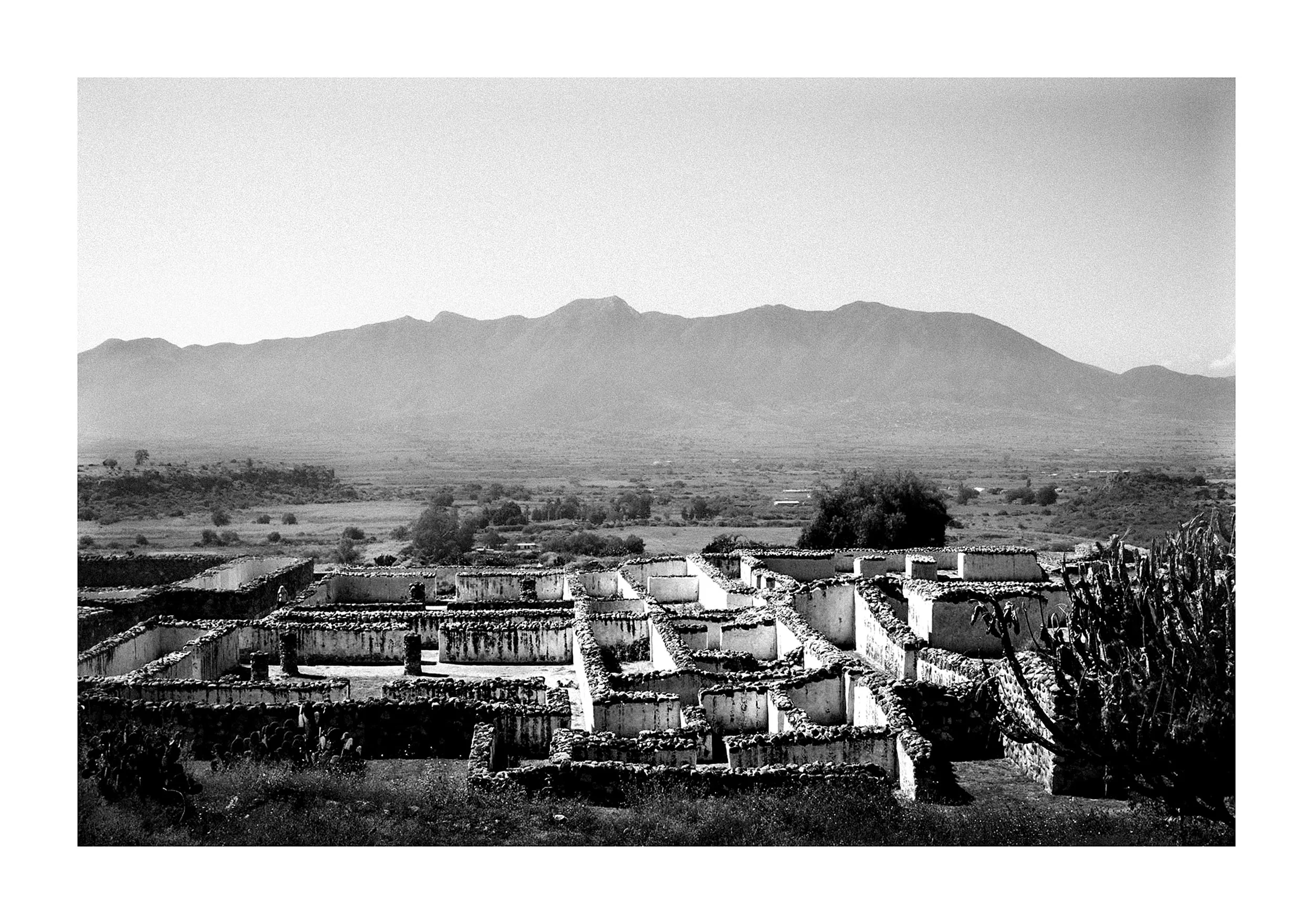
Oaxaca, 2017
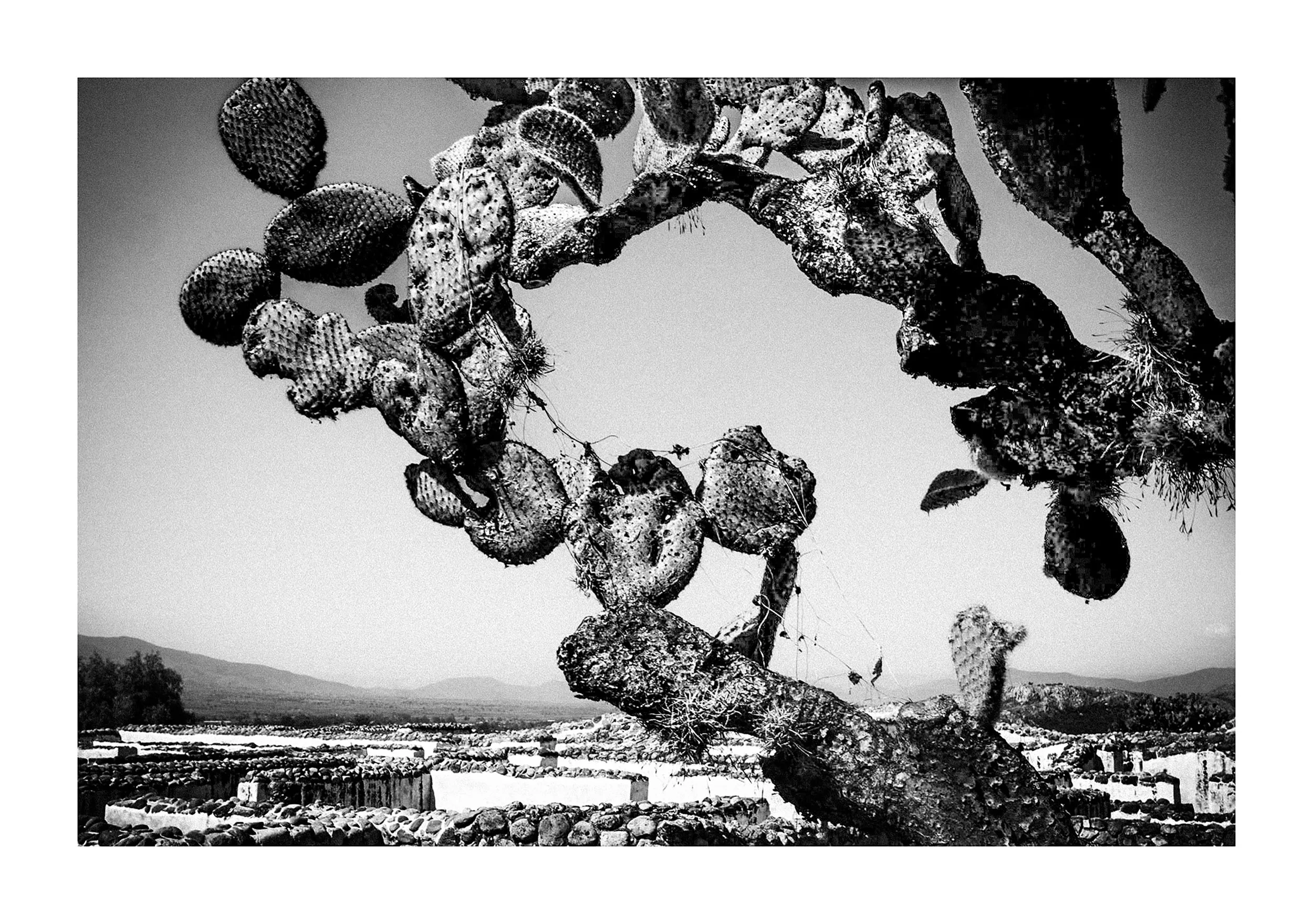
Oaxaca, 2017
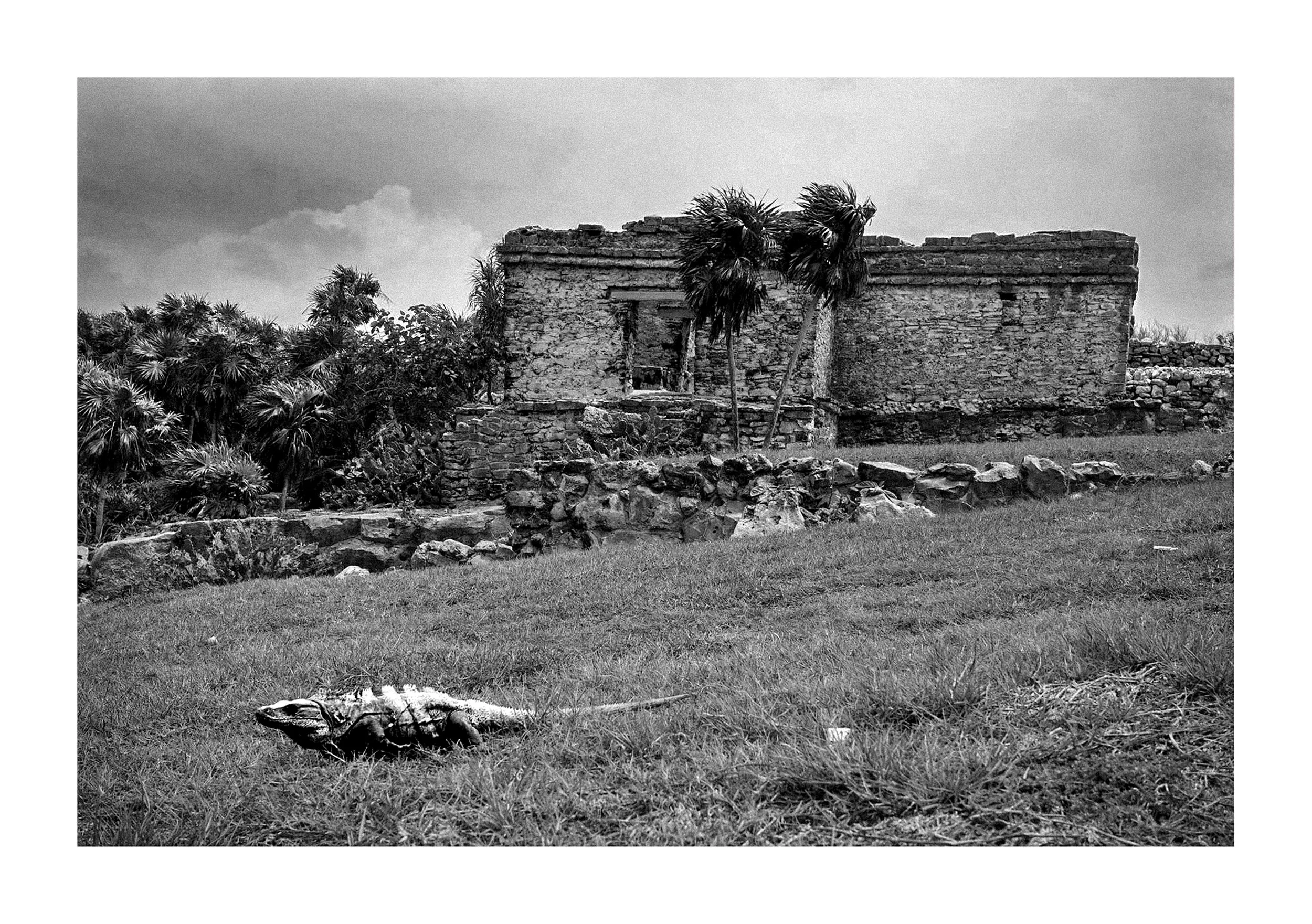
Tulum, 2017
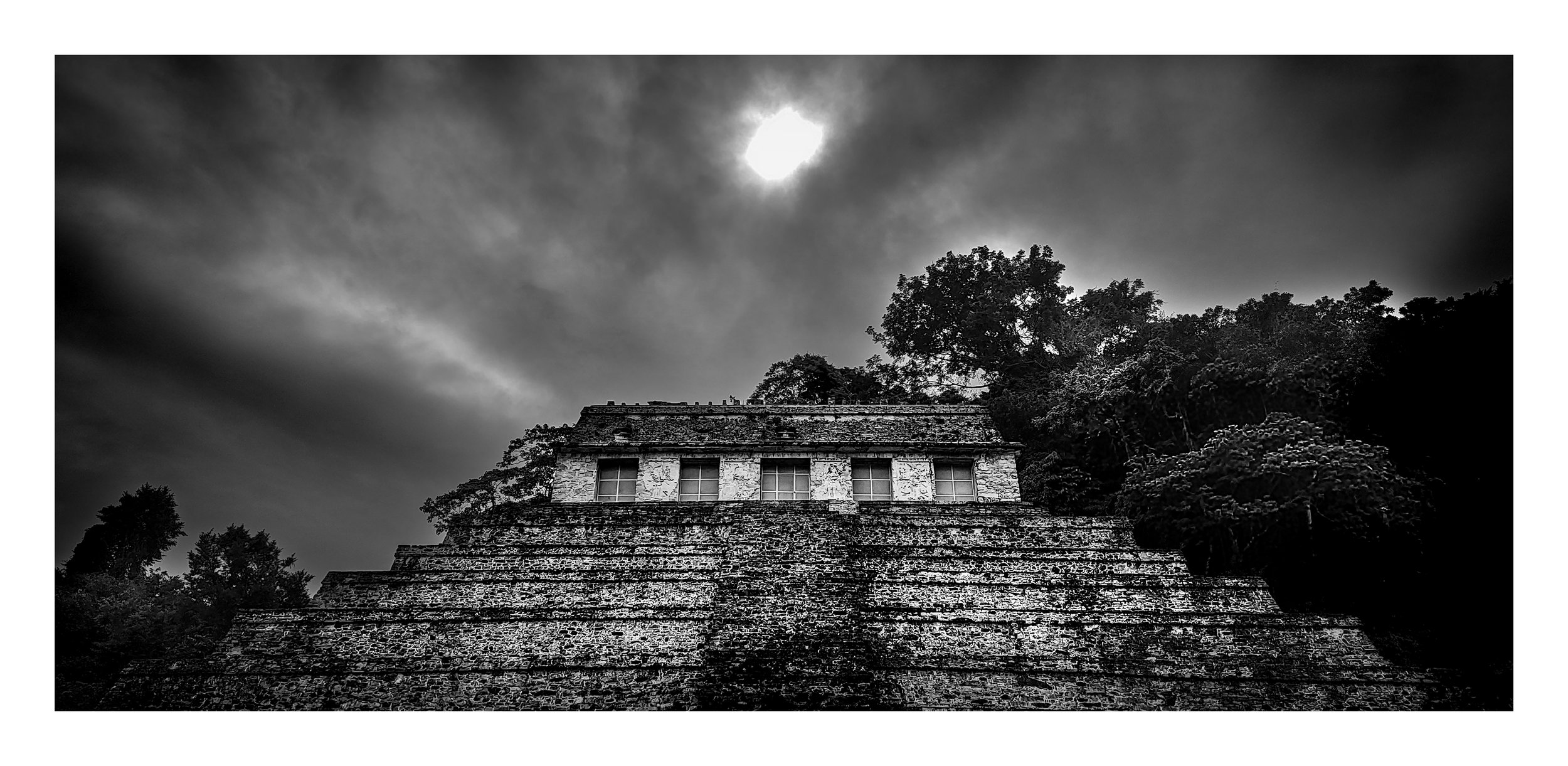
Palenque, 2024
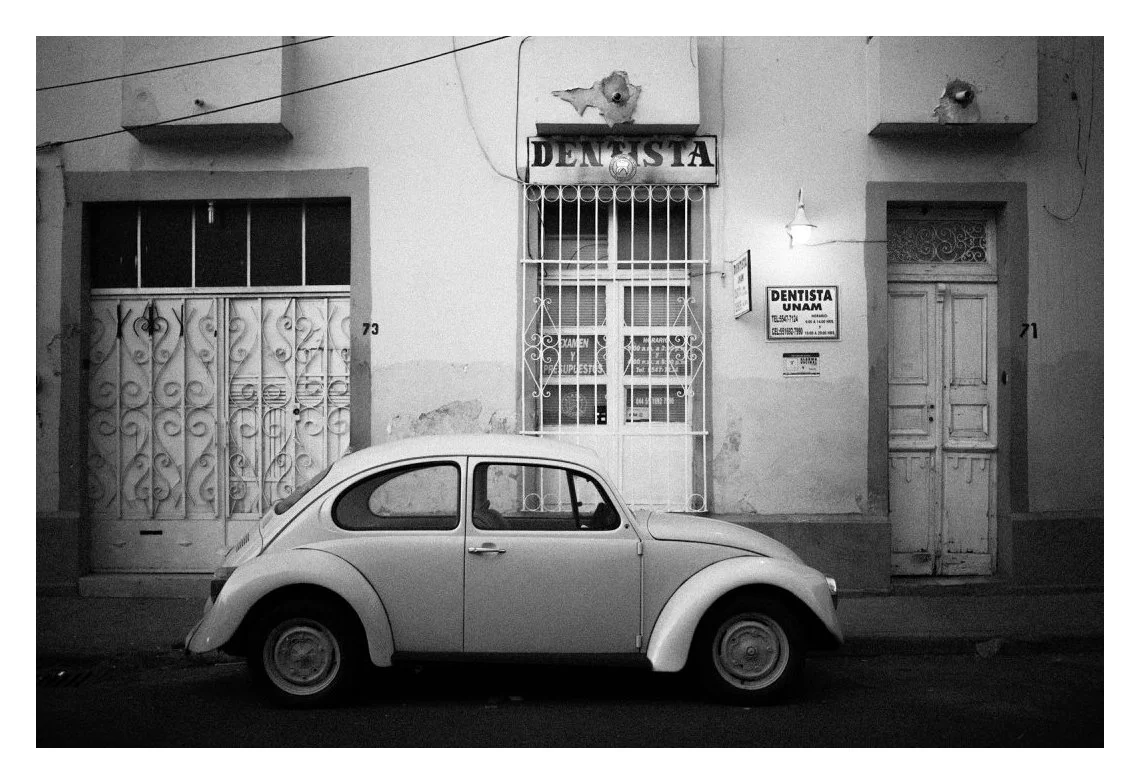
Mexico City, 2018
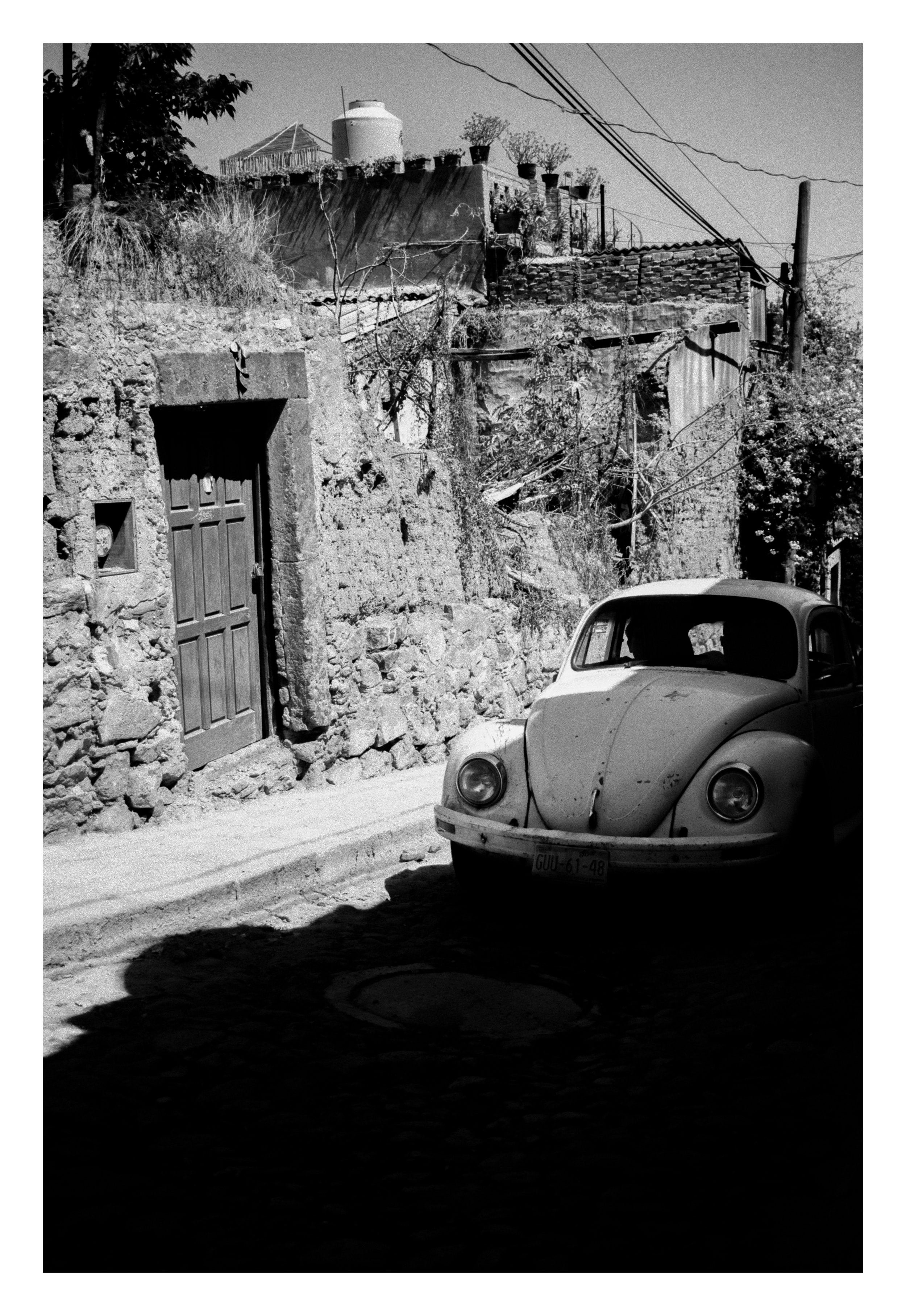
San Miguel de Allende, 2017
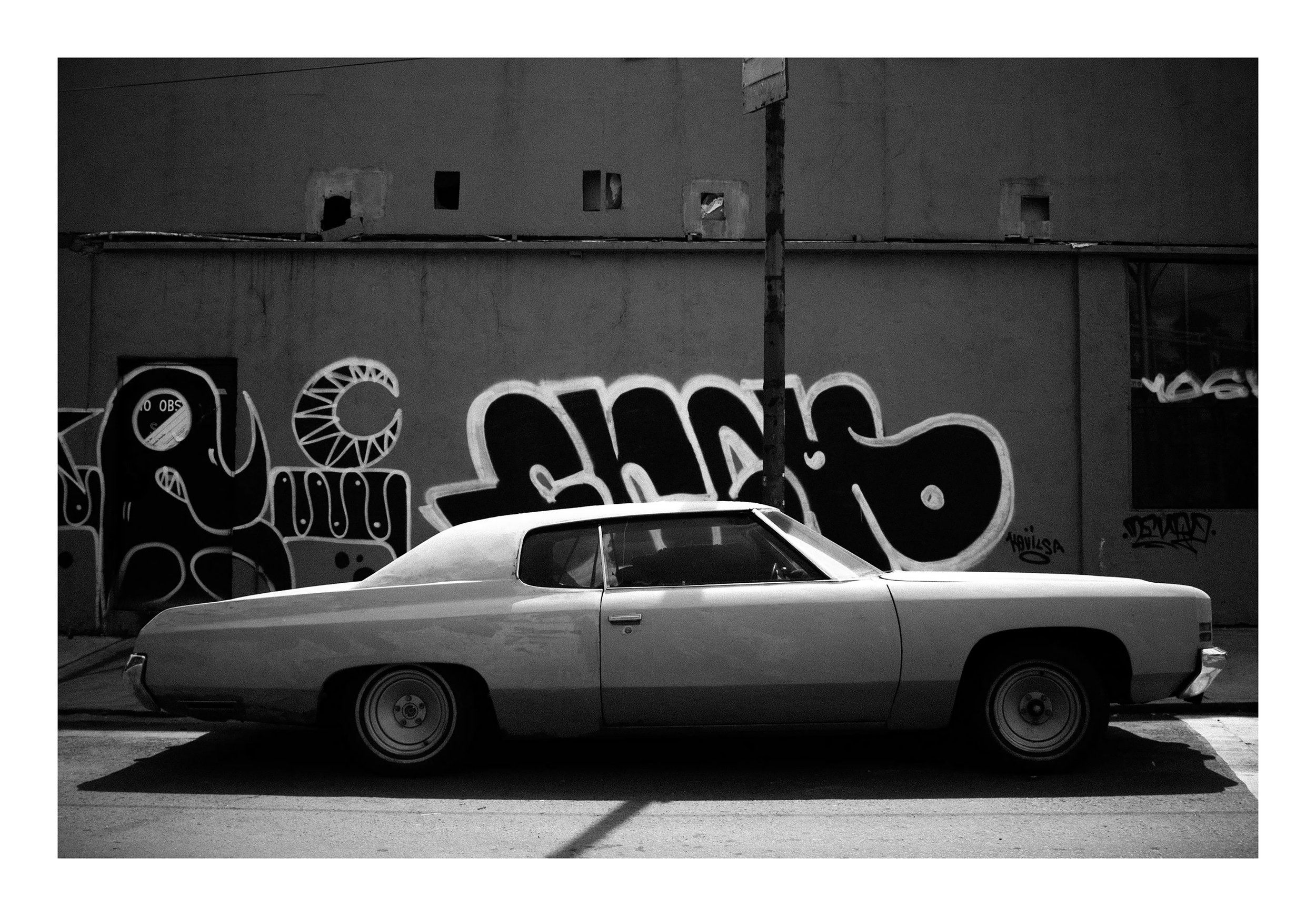
Mexico City, 2018
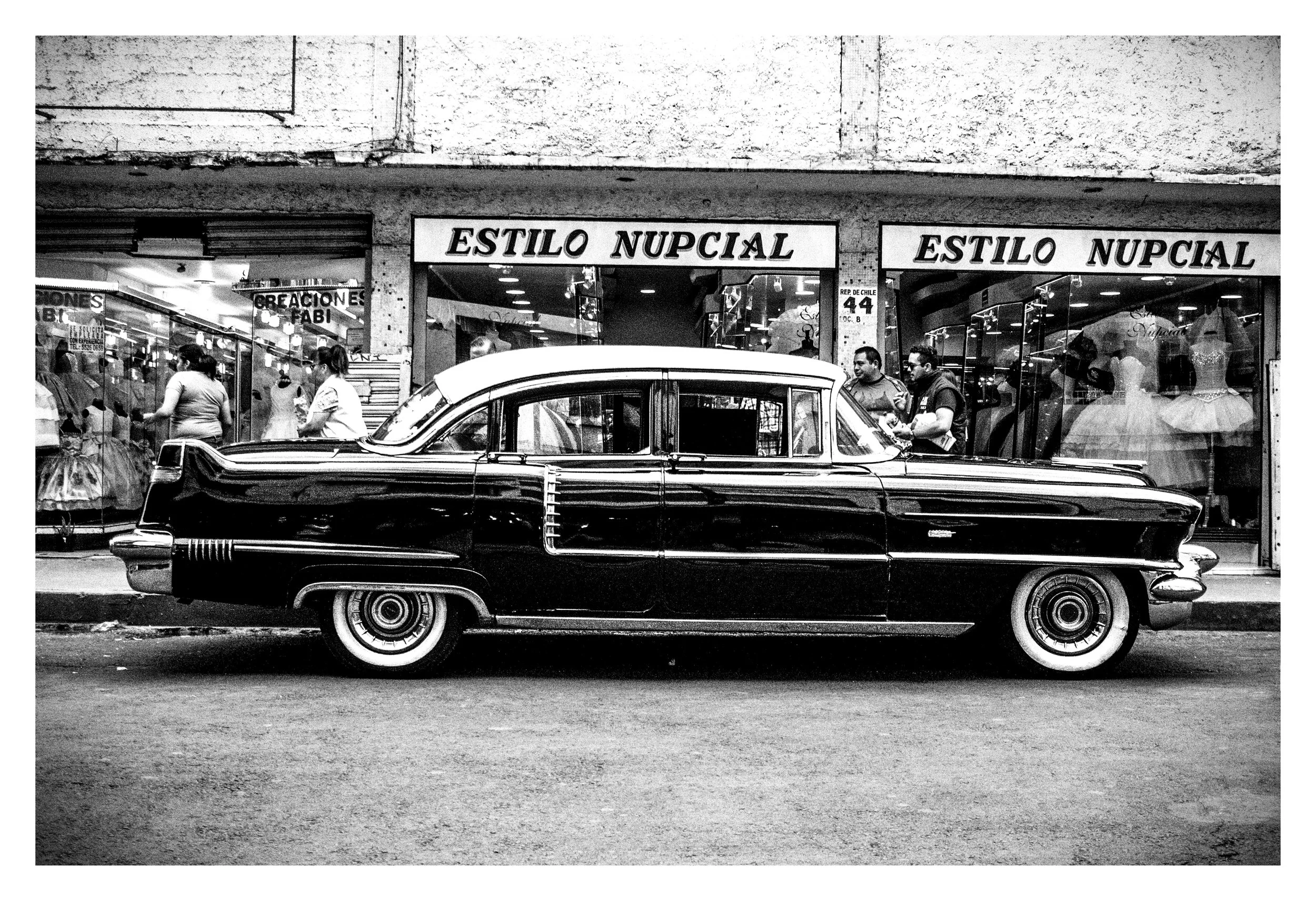
Santa Maria la Ribera, 2017
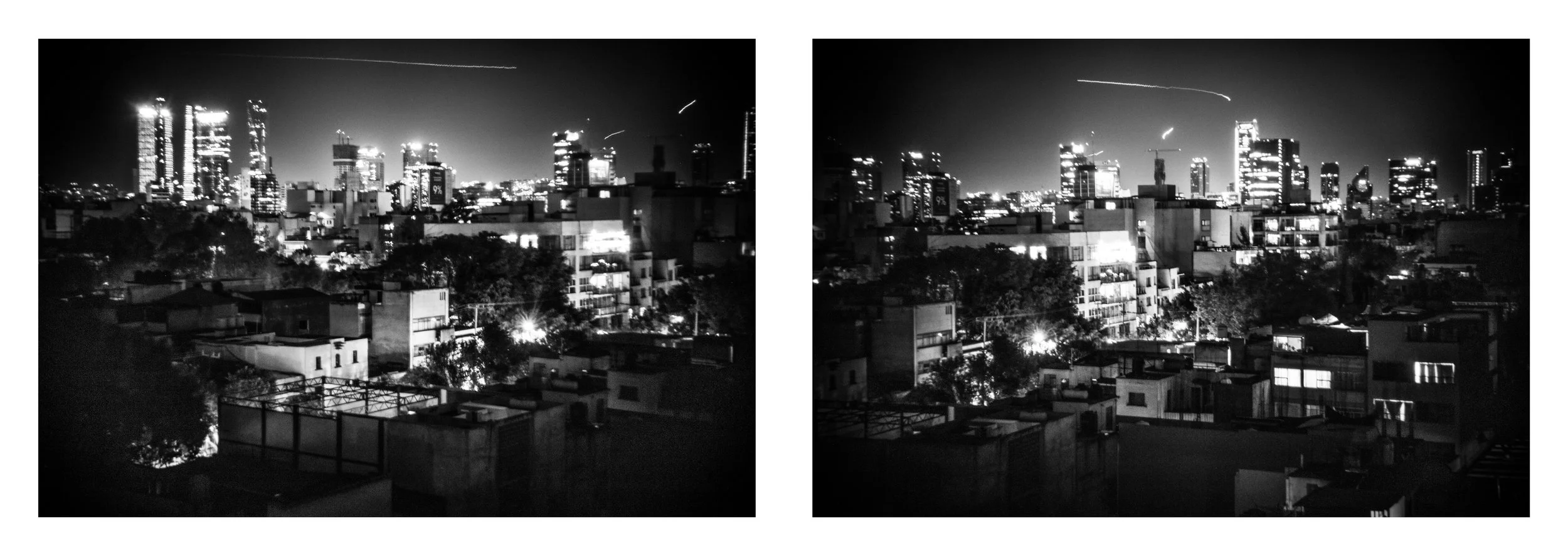
Mexico City, 2025
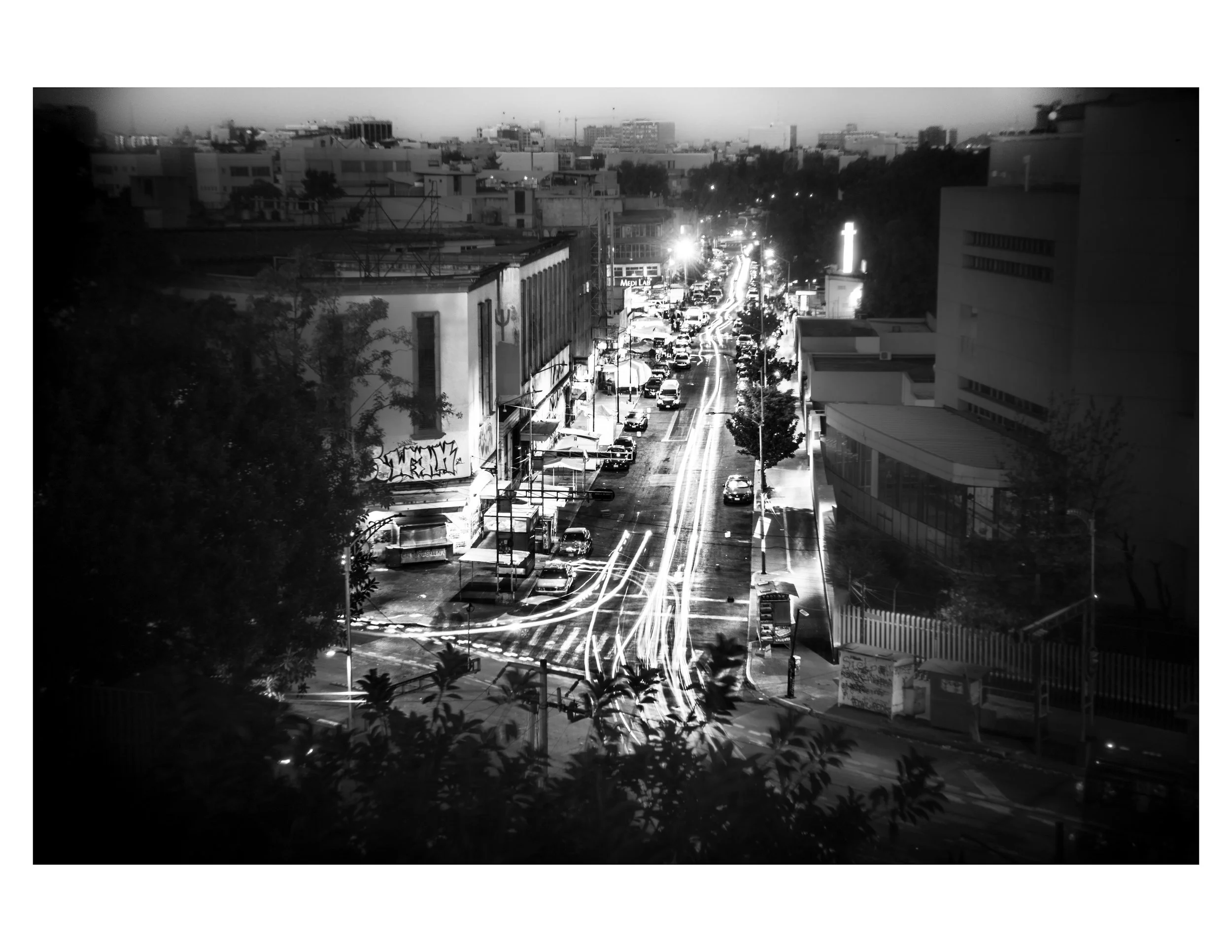
Mexico City, 2025
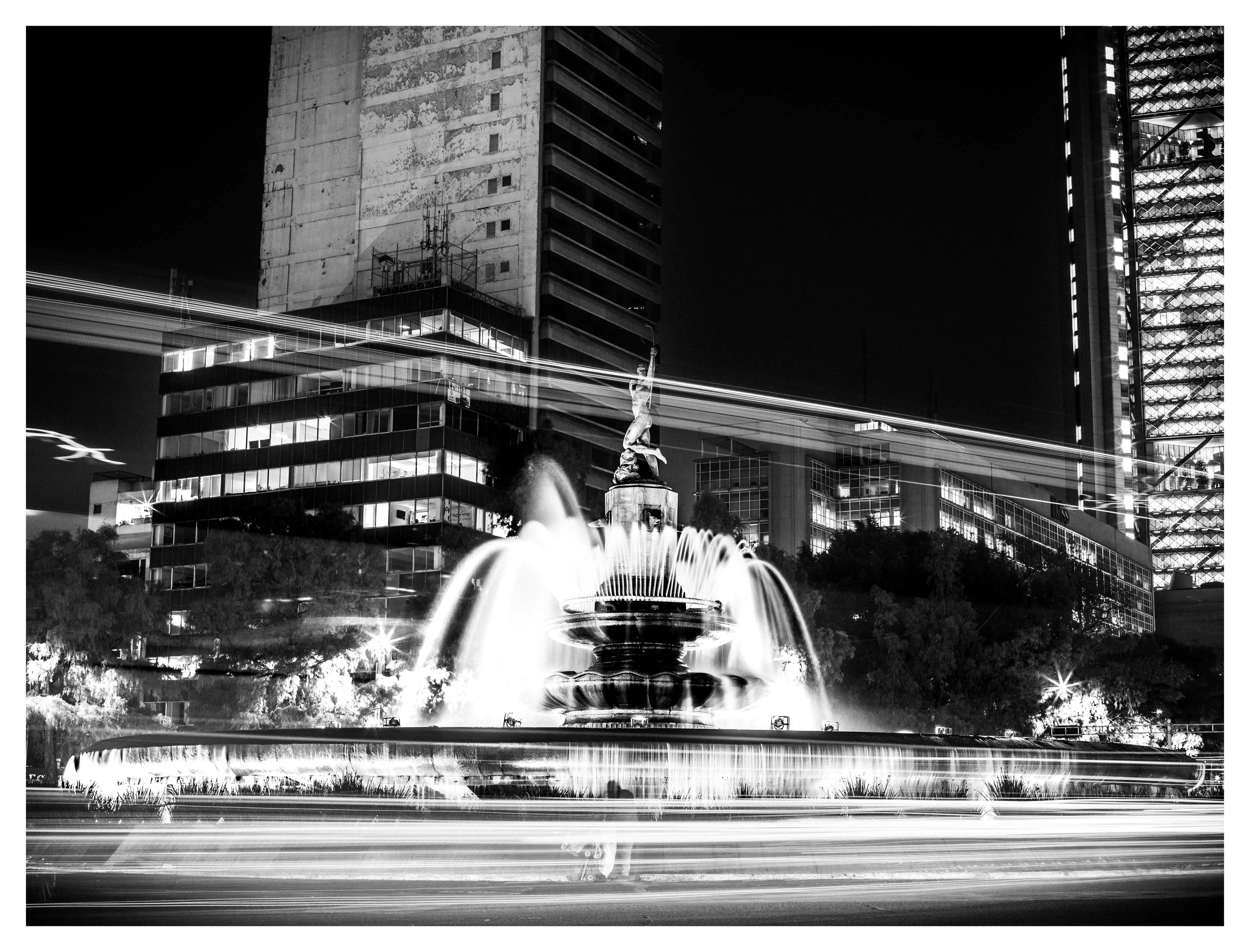
Mexico City, 2025
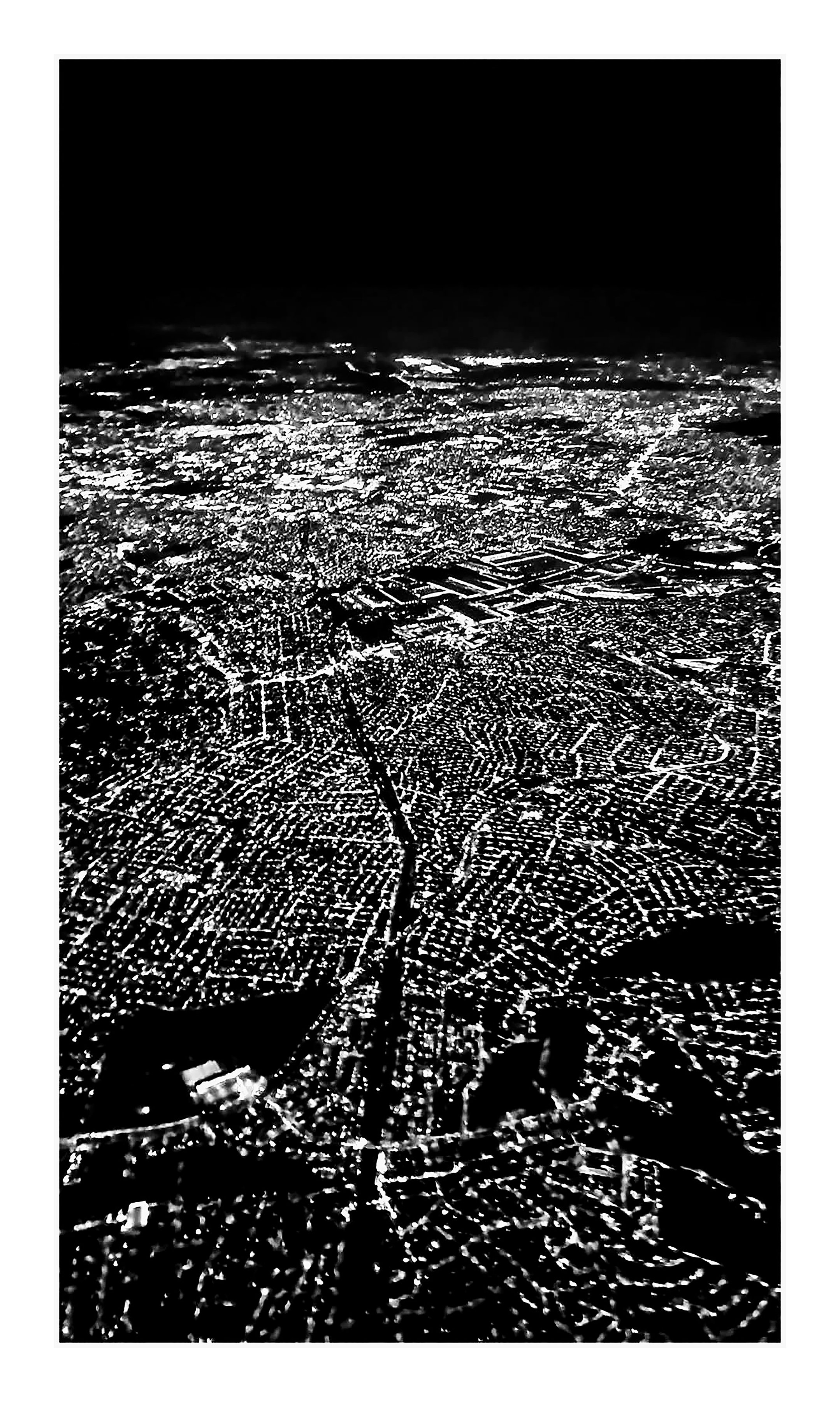
Mexico City, 2024
—ESSAYS / ENSAYOS—

—CURRENT EXHIBITIONS / EXPOSICIONES ACTUALES—
The Contemporary Art Center of Peoria


—SELECT PUBLICATIONS / PUBLICACIONES SELECCIONADAS—
—PHOTO BOOKS / LIBROS DE FOTOS—